Content Menu
● Understanding the Basics: What Is Distilled Water?
● What Is Alkaline Water and How Is It Different?
● The Role of Water in CPAP Machines
● Why CPAP Manufacturers Recommend Distilled Water
● So, Can You Use Alkaline Distilled Water?
● How a Distillation Water Machine Produces Safe Water for CPAP Use
>> Step 1: Heating
>> Step 2: Separation
>> Step 3: Condensation
>> Step 4: Storage or Use
● The Consequences of Using Improper Water in a CPAP Machine
● How Often Should You Change the Water?
● Tips for Selecting the Right Distillation Water Machine
● The Importance of Purity Standards
● Environmentally Friendly Aspect of Using a Distillation Water Machine
● Final Recommendations
● Conclusion
● FAQ
>> 1. Can I use bottled water instead of distilled water in my CPAP machine?
>> 2. What happens if I accidentally use alkaline water once?
>> 3. Is distilled water safe to drink?
>> 4. Can I make distilled water at home without a machine?
>> 5. Does using distilled water really make a difference?
Continuous Positive Airway Pressure (CPAP) machines play a vital role in helping individuals with sleep apnea breathe comfortably through the night. These devices rely on a steady flow of air that is humidified to prevent dryness in the airway. The quality of the water you use in the CPAP humidifier is crucial — it determines not only the performance of your device but also your respiratory health.
One common question CPAP users have is whether alkaline distilled water can be safely used in their machines. To answer this fully, we must first understand how distilled water works, why CPAP manufacturers recommend it, and what makes alkaline water different.
Understanding the Basics: What Is Distilled Water?
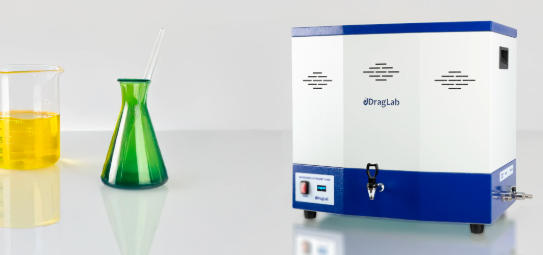
Distilled water is water that has undergone a specific purification process — distillation — to remove impurities such as minerals, salts, and organic contaminants. This process involves heating water until it turns into steam and then cooling it back into liquid form, leaving behind nearly all contaminants.
The device used for this process is known as a Distillation Water Machine, which converts ordinary tap water into pure, contaminant-free distilled water. These machines are essential in laboratories, hospitals, pharmaceutical manufacturing, and medical devices like CPAP machines.
Key characteristics of distilled water include:
- Absence of minerals (such as calcium and magnesium)
- Neutral pH, typically around 7
- No bacteria, metals, or chemical residues
This purity ensures that when it's used inside sensitive medical equipment, no mineral deposits form, bacterial growth is minimized, and performance remains stable.
What Is Alkaline Water and How Is It Different?
Alkaline water has a higher pH level than regular tap or distilled water. The pH scale ranges from 0 to 14:
- Acidic water: pH below 7
- Neutral water: pH 7
- Alkaline water: pH above 7
Alkaline water often contains added minerals like calcium, potassium, and magnesium — substances believed to balance the body's acidity. Many people drink alkaline water for potential health benefits such as improved hydration, better digestion, and neutralizing acid in the bloodstream.
However, the very presence of these minerals makes alkaline water *not truly pure*. While great for drinking, this quality is precisely what makes it unsuitable for certain machines that depend on mineral-free water — including humidifiers and CPAP devices.
The Role of Water in CPAP Machines
Modern CPAP machines have a built-in humidifier reservoir that adds moisture to the air you breathe through your mask. This helps prevent dryness in the mouth, throat, and nasal passages — common issues when using continuous positive airway pressure.
The water inside the CPAP humidifier gets heated slightly to create a fine vapor or mist. This vapor enters the airflow stream that you inhale, making it more comfortable for long-term use.
Since this moisture passes directly into your respiratory pathways, the cleanliness of the water becomes a significant health factor. Using impure or mineralized water can lead to several issues:
- Mineral buildup: Deposits from tap or alkaline water can accumulate inside your CPAP tank, damaging heating elements.
- Microbial contamination: Non-distilled water may harbor microbes that reproduce in warm, moist environments.
- Respiratory irritation: Inhaling microscopic mineral residues or chemical contaminants may cause sinus irritation or inflammation.
Why CPAP Manufacturers Recommend Distilled Water
Every major CPAP manufacturer — including Philips Respironics, ResMed, and Fisher & Paykel — explicitly recommends distilled water for daily use. The reasons are practical, mechanical, and medical:
1. Prevention of Scaling: Distilled water does not leave mineral deposits, ensuring the heating plate and reservoir remain clean.
2. Equipment Longevity: Absence of corrosion or residue keeps the humidifier working efficiently over time.
3. User Health and Comfort: Purified mist means no risk of bacteria or mineral particles entering the airways.
In contrast, alkaline or tap water introduces elements that may shorten your CPAP's lifespan or increase the frequency of cleaning and maintenance.
So, Can You Use Alkaline Distilled Water?
The short answer: No — you should not use alkaline water in your CPAP machine, even if it is labeled as “distilled.”
Here's why. True distilled water is neutral in pH and free of minerals. If the water is alkaline, it means minerals have been reintroduced after distillation or that the pH was artificially altered. In either case, this defeats the purpose of distillation.
Let's look at two scenarios for clarity:
1. You have distilled water that has been made alkaline artificially:
Such water contains added electrolytes or minerals to increase pH. These additives can cause deposits and microbial growth inside the CPAP tank.
2. You are using natural alkaline spring water:
Although naturally high in pH, it is not distilled — it still contains minerals and organic compounds unsuitable for medical devices.
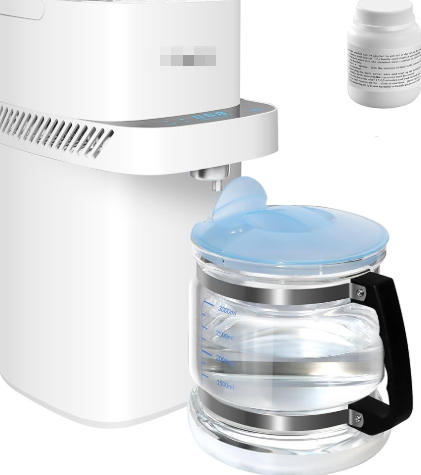
Ultimately, only pure, neutral-pH distilled water produced by a reliable Distillation Water Machine is appropriate for your CPAP humidifier.
How a Distillation Water Machine Produces Safe Water for CPAP Use
The Distillation Water Machine works on a simple yet effective principle: evaporation and condensation.
Step 1: Heating
The machine sterilizes and vaporizes the water at high temperature, ensuring bacteria and impurities are destroyed.
Step 2: Separation
When the vapor rises, contaminants — including metals, minerals, and salts — remain behind in the boiling chamber.
Step 3: Condensation
The vapor cools and condenses back into liquid form inside a sterile collection tank, producing completely purified water.
Step 4: Storage or Use
The resulting distilled water can be stored in clean glass containers or used immediately in sensitive applications like medical devices, laboratory analysis, or pharmaceutical production.
For CPAP users, owning a personal Distillation Water Machine provides peace of mind — you can always produce safe, pure water at home.
The Consequences of Using Improper Water in a CPAP Machine
Using water other than distilled can cause both functional damage and health concerns.
Common issues include:
- Mineral scaling: White or chalky buildup inside the humidifier reservoir.
- Device damage: Heating elements may corrode or malfunction over time.
- Unpleasant odor: Contaminated water can develop a stale or musty smell.
- Respiratory discomfort: Inhaling minerals or impurities can irritate the lungs or sinuses.
For example, a CPAP user who fills the reservoir with alkaline bottled water may notice residues after just a few nights. Over months, this buildup can reduce heating efficiency, increase cleaning difficulty, and potentially void the product warranty.
Therefore, using pure distilled water produced by a Distillation Water Machine not only keeps your CPAP in top condition but also protects your respiratory health.
How Often Should You Change the Water?
Even when using distilled water, it's important to replace it daily. Bacteria can begin to multiply in standing water left in the humidifier tank, especially in warm environments.
Here's a simple maintenance routine:
1. Empty any remaining water each morning.
2. Rinse the humidifier chamber with warm, distilled water.
3. Allow it to air dry completely before refilling.
4. Once a week, perform a deeper clean with mild, fragrance-free soap.
Tips for Selecting the Right Distillation Water Machine
For individuals and companies managing multiple medical devices, selecting a high-quality Distillation Water Machine is crucial. Consider these factors:
- Capacity: Daily production volume — small units for home use, large multi-effect systems for industrial applications.
- Material: Stainless steel construction prevents contamination or rust.
- Automation: Advanced control systems ensure stable output and easy maintenance.
- Certification: Devices that meet pharmaceutical or ISO purity standards guarantee reliability.
As a company dedicated to pharmaceutical equipment, Everheal designs state-of-the-art Distillation Water Machines that serve medical and healthcare clients around the world. Whether for CPAP humidification, intravenous solution production, or laboratory processes, our systems ensure the highest purity available.
The Importance of Purity Standards
In medical sectors, the purity of distilled water is governed by strict standards, such as Pharmacopoeia guidelines (USP, EP, or CP). These ensure low conductivity, absence of endotoxins, and freedom from microbial contamination.
For personal CPAP users, while such stringent regulations aren't mandatory, it's wise to select distilled water that meets similar criteria. By doing so, you safeguard both your device and your lungs.
Environmentally Friendly Aspect of Using a Distillation Water Machine
Another benefit of producing your own distilled water using a Distillation Water Machine is the environmental impact. Instead of purchasing single-use plastic bottles of distilled water, you generate pure water directly at home. This reduces plastic waste and transportation-related emissions, aligning with sustainable living principles.
It's also cost-effective over time — an investment that pays for itself while improving air and sleep quality.
Final Recommendations
To summarize:
- Always use pure, neutral distilled water in your CPAP.
- Do not use alkaline, mineral, or spring water, no matter how “pure” it seems.
- Clean your humidifier daily and refill with fresh distilled water.
- Consider owning a Distillation Water Machine to ensure permanent access to safe, medical-grade water at home.
Conclusion
Using the right water is vital for both the performance of your CPAP machine and your personal health. While alkaline water may be beneficial for drinking purposes, it is *not suitable* for use in a CPAP humidifier. The safest and most effective choice remains distilled water produced by a trusted Distillation Water Machine.
By following manufacturer guidelines and maintaining proper hygiene, you prolong your device's life, prevent bacterial contamination, and ensure consistent breathing comfort every night.
FAQ
1. Can I use bottled water instead of distilled water in my CPAP machine?
No. Bottled water often contains minerals that can leave deposits inside your CPAP tank. Always choose distilled water.
2. What happens if I accidentally use alkaline water once?
One-time use likely won't cause harm, but it may leave mineral traces. Clean and rinse your CPAP tank thoroughly afterward.
3. Is distilled water safe to drink?
Yes, it is safe, but it lacks minerals like calcium and magnesium. It's primarily intended for medical and equipment use rather than routine hydration.
4. Can I make distilled water at home without a machine?
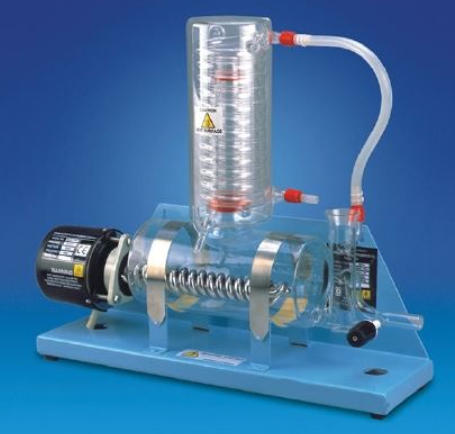
Yes, by boiling water and collecting the condensation, but a Distillation Water Machine provides consistent, medical-grade purity.
5. Does using distilled water really make a difference?
Absolutely. It prevents mineral buildup, extends device lifespan, and reduces the risk of bacteria, ensuring safe and comfortable therapy.


