Content Menu
● What Is a Washable Car Air Filter?
● How Does a Washable Air Filter Work?
● Advantages of Using a Washable Air Filter
>> 1. Cost Savings Over Time
>> 2. Enhanced Airflow and Engine Performance
>> 3. Eco‑Friendly and Sustainable Design
>> 4. Consistent Filtration Efficiency
>> 5. Long Lifespan and High Durability
● Disadvantages and Considerations
>> 1. Higher Initial Cost
>> 2. Maintenance Effort Required
>> 3. Risk of Over‑Oiling
>> 4. Limited Benefit in Urban or Mild Conditions
● Comparing Washable vs. Disposable Air Filters
● How to Clean a Washable Air Filter
● When Should You Replace a Washable Air Filter?
● Performance Insights and Real‑World Experience
● Are Washable Air Filters Safe for All Cars?
● Do Washable Filters Improve Fuel Economy?
● Environmental Impact and Sustainability
● Conclusion
● FAQ
>> 1. How often should I clean a Washable Air Filter?
>> 2. Can I use soap and water to clean it?
>> 3. Will using a Washable Air Filter void my car warranty?
>> 4. Do Washable Air Filters increase horsepower?
>> 5. Are oil‑free washable filters better than oiled ones?
In the world of automobile maintenance, few topics spark as much debate as whether a Washable Air Filter is really worth the investment. For years, car owners have relied on disposable filters to protect their engines from dust and debris. But with growing concerns about sustainability, performance, and long‑term cost, washable air filters are gaining ground as the modern alternative. In this article, we'll take a deep dive into how Washable Air Filters work, their pros and cons, and whether they truly deliver on their promises.
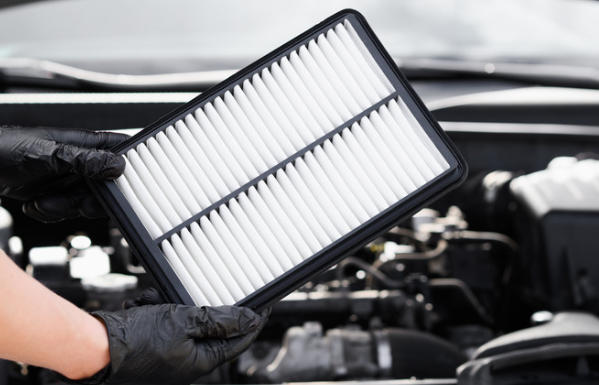
What Is a Washable Car Air Filter?
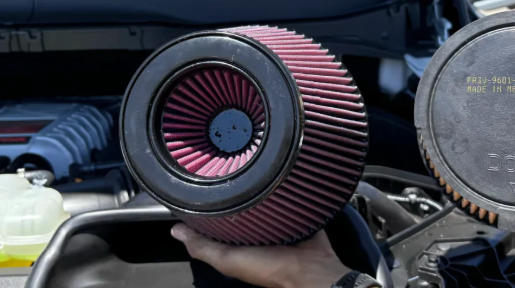
A Washable Air Filter, sometimes referred to as a reusable or lifetime filter, is designed to be cleaned and reused rather than replaced. Unlike traditional paper filters that need to be discarded after a few months, washable filters—made from materials such as cotton gauze, foam, or synthetic fibers—can last for years with proper maintenance.
These filters typically include a metal or plastic frame supporting layered cotton or synthetic media that traps contaminants while allowing ample airflow. Car owners can simply remove, wash, dry, and reinstall the filter as part of regular vehicle maintenance.
How Does a Washable Air Filter Work?
A Washable Air Filter functions by capturing airborne particles such as dust, pollen, and small debris while allowing clean air to pass through to the engine. Here's how this process works step by step:
1. Air Intake: As the vehicle runs, air enters through the intake system.
2. Filtration Material: The filter's fibrous media traps particles of varying sizes—larger ones on the surface, smaller ones deeper inside.
3. Oil Coating (Optional): Many washable filters are pre‑treated with a special oil that enhances particle capture without reducing airflow.
4. Cleaning Cycle: Once the filter becomes dirty, it can be removed, washed with a cleaning solution, allowed to dry, and re‑oiled (if required).
Because air quality and flow play a vital role in engine performance and fuel efficiency, the filtration efficiency of a washable model directly affects driving quality.
Advantages of Using a Washable Air Filter
Switching to a Washable Air Filter provides several notable advantages:
1. Cost Savings Over Time
While a washable filter may be more expensive initially—often two to three times the price of a disposable one—the ability to reuse it for several years transforms it into a cost‑effective investment. A properly maintained washable filter can last the lifetime of your vehicle.
2. Enhanced Airflow and Engine Performance
Washable filters often provide superior airflow compared to disposable models. Better airflow means improved combustion efficiency, which can lead to a slight increase in horsepower and throttle response. Drivers who value performance modifications tend to prefer washable filters for this reason.
3. Eco‑Friendly and Sustainable Design
Perhaps the most appealing feature of a Washable Air Filter is its environmental benefit. Millions of disposable filters end up in landfills each year. By reusing the same filter repeatedly, drivers reduce waste and promote sustainable practices—an important factor in the modern automotive world.
4. Consistent Filtration Efficiency
Unlike disposable filters, which lose efficiency as dirt accumulates, washable ones can be maintained at optimal performance through regular cleaning. This ensures your engine continues to receive clean, unrestricted airflow.
5. Long Lifespan and High Durability
Constructed with sturdy materials such as aluminum mesh or synthetic membranes, washable filters can endure high heat, moisture, and engine vibrations without breaking down easily.
Disadvantages and Considerations
No product is perfect. While Washable Air Filters offer impressive benefits, it's also crucial to consider potential drawbacks:
1. Higher Initial Cost
A quality washable filter might cost $60–$100 compared to $15–$30 for a disposable one. For drivers on a strict budget, this initial investment can seem steep.
2. Maintenance Effort Required
Unlike disposable filters that you simply toss out, reusable ones need cleaning every 15,000–30,000 miles, depending on driving conditions. If neglected, a dirty filter can hinder performance and reduce engine life.
3. Risk of Over‑Oiling
Some washable filters require oil to trap fine particles. Applying too much oil after cleaning can coat the air‑flow sensor (MAF sensor), potentially causing inaccurate readings or reduced fuel efficiency.
4. Limited Benefit in Urban or Mild Conditions
If your car operates mostly in clean, urban environments, the savings and performance gains from a Washable Air Filter might be marginal compared to standard disposable filters.
Comparing Washable vs. Disposable Air Filters
Let's summarize how the two types differ across several categories:
| Feature | Washable Air Filter | Disposable Air Filter |
| Initial Price | Higher ($50–$100) | Lower ($15–$30) |
| Lifespan | Up to a lifetime (with maintenance) | 6–12 months |
| Maintenance | Wash and re‑oil periodically | Replace entirely |
| Environmental Impact | Reusable, less waste | Non‑recyclable, more waste |
| Performance | Slightly higher airflow | Moderate, depends on quality |
| Best For | Long‑term users, performance drivers | Low‑maintenance drivers |
This table helps illustrate that while washable filters may not be necessary for every car owner, they are an excellent choice for those who prioritize longevity, eco‑friendliness, or engine performance.
How to Clean a Washable Air Filter
Maintaining a Washable Air Filter correctly ensures it delivers the performance it promises. Here's how to do it safely:
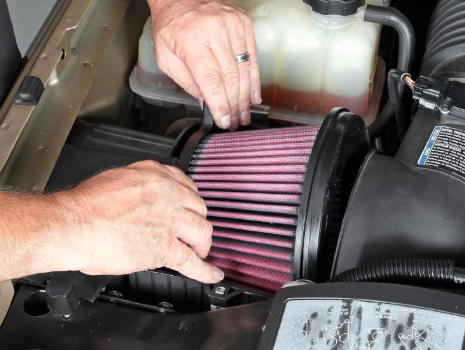
1. Remove the Filter: Follow your car manufacturer's instructions to remove the filter from the intake box.
2. Shake Off Excess Dirt: Gently tap or brush off large particles and dust.
3. Apply Cleaning Solution: Use a filter‑specific cleaning agent to dissolve grease and debris.
4. Rinse with Low‑Pressure Water: Avoid using high‑pressure water that might damage the filter's fibers.
5. Dry Completely: Air‑dry at room temperature until no moisture remains. Do not use a hair dryer or heat source.
6. Oil (If Applicable): Spray a light, even coat of oil (for oiled filters only). Allow it to soak in before reinstalling.
7. Reinstall and Secure: Once dry, place the filter back into the housing and reattach any clamps or covers.
When Should You Replace a Washable Air Filter?
Although Washable Air Filters are marketed as “lifetime” products, they don't actually last forever. Continuous washing can gradually wear down the fibers. If you notice the following signs, consider replacing the filter:
- Torn or frayed material
- Persistent loss of airflow even after cleaning
- Oil that refuses to coat evenly
- Unusual engine noises or reduced performance
Typically, most washable filters can last between 100,000 and 1,000,000 miles with care.
Performance Insights and Real‑World Experience
Drivers who use Washable Air Filters often report improved throttle response and marginal gains in fuel economy. Independent tests show that washable filters can provide up to a 5% enhancement in airflow compared to OEM paper filters. However, the real‑world impact varies by vehicle make, model, and tuning.
Fleet managers and performance shops often choose washable filters for consistency and long‑term cost savings. For the average commuter, the benefits may lean more toward environmental and economic sustainability rather than significant horsepower gains.
Are Washable Air Filters Safe for All Cars?
Generally, yes—most Washable Air Filters are safe and compatible with modern vehicles. However, it's essential to use filters designed specifically for your car's make and model. Using a universal fit may cause improper sealing and allow unfiltered air into the engine, which can be detrimental over time.
Some luxury or turbo‑charged engines have sensitive airflow sensors, so always follow the manufacturer's cleaning and oiling guidelines to avoid complications.
Do Washable Filters Improve Fuel Economy?
A cleaner intake system promotes better air‑fuel mixing, which can help marginally improve fuel efficiency. That said, the difference is often subtle—usually less than 2% in most passenger cars. The biggest advantage lies in maintaining consistent performance rather than drastically improving fuel economy.
Environmental Impact and Sustainability
As industries pivot toward eco‑friendly solutions, adopting a Washable Air Filter aligns well with global sustainability goals. By reusing a single filter for years, you help reduce carbon emissions associated with manufacturing and disposing of disposable models. Moreover, the materials used in washable filters (like aluminum mesh or synthetic layers) are often recyclable at the end of their life, making them doubly sustainable.
Conclusion
So, is a Washable Car Air Filter worth it? Absolutely—if you're after long‑term savings, improved airflow, and a greener footprint. While it requires occasional cleaning and a higher upfront investment, its longevity, environmental benefits, and consistent performance make it a smart choice for many drivers. However, if convenience and low maintenance matter most to you, a traditional disposable filter might still be your best option.
The key takeaway? A Washable Air Filter pays off over time—both for your wallet and the planet.
FAQ
1. How often should I clean a Washable Air Filter?
Most manufacturers recommend cleaning every 15,000–30,000 miles, but dusty environments may require more frequent cleaning.
2. Can I use soap and water to clean it?
Use a specialized cleaner whenever possible. Mild soap and water can work in an emergency, but avoid strong detergents that might damage filter fibers.
3. Will using a Washable Air Filter void my car warranty?
Generally, no. As long as the filter fits properly and doesn't cause engine damage, your warranty remains unaffected. Always check your owner's manual for details.
4. Do Washable Air Filters increase horsepower?
They can marginally increase horsepower—usually by 1–5%—due to improved airflow. The exact gain depends on your vehicle type and condition.
5. Are oil‑free washable filters better than oiled ones?
Oil‑free filters require less maintenance and pose no risk to sensors, but oiled versions typically provide finer filtration. Your choice depends on driving needs and preferences.


