Content Menu
● Understanding the Role of an Engine Air Filter
● Is the 2018 Toyota Camry Engine Air Filter Washable?
● Types of Engine Air Filters
>> 1. Paper Air Filters (Disposable)
>> 2. Cotton Gauze Washable Air Filters
>> 3. Foam Air Filters
>> 4. Synthetic Fiber Washable Filters
● Signs That You Need to Clean or Replace the Air Filter
● Benefits of Using a Washable Air Filter
>> 1. Cost Efficiency Over Time
>> 2. Environmental Benefits
>> 3. Performance and Airflow
>> 4. Convenience and Reusability
● How to Clean a Washable Air Filter
>> Step 1: Remove the Filter
>> Step 2: Inspect and Tap Loose Dirt
>> Step 3: Apply Cleaning Solution
>> Step 4: Rinse with Water
>> Step 5: Let It Dry Completely
>> Step 6: Re-oil (If Required)
>> Step 7: Reinstall
● Maintenance Frequency for Washable Air Filters
● Are Washable Air Filters Worth It for a 2018 Toyota Camry?
● Common Myths About Washable Air Filters
>> Myth 1: Washable Filters Void Warranties
>> Myth 2: More Airflow Always Means More Power
>> Myth 3: You Can Clean a Paper Filter
● Environmental Impact Comparison
● Choosing a Washable Air Filter for Your Camry
● Conclusion
● FAQ
>> 1. How often should I clean a Washable Air Filter on my 2018 Toyota Camry?
>> 2. What happens if I don't clean my Washable Air Filter?
>> 3. Do Washable Air Filters affect engine warranty?
>> 4. Are Washable Air Filters better than disposable ones?
>> 5. Can I use any cleaning solution for my Washable Air Filter?
Car owners often wonder if they can maintain their vehicles more efficiently by reusing parts instead of replacing them. One common question among 2018 Toyota Camry owners is: “Is the engine air filter washable?” The curiosity makes perfect sense. Understanding how the engine air filter works, how it affects performance, and whether washing it is a safe and effective maintenance method can save both time and money while ensuring your car's engine stays healthy.
This article explores everything you need to know about the 2018 Toyota Camry air filter, discusses whether it's washable, explains the difference between reusable and disposable filters, and provides a comprehensive guide on maintenance, benefits, and safety.
Understanding the Role of an Engine Air Filter
Before answering whether a 2018 Toyota Camry engine air filter is washable, it's important to understand what this component actually does.
An engine air filter's main job is to clean the air entering your engine. It traps dust, dirt, pollen, and other airborne debris, preventing them from mixing with fuel in the engine's combustion chamber. Clean air ensures optimal fuel combustion, which results in:
- Better fuel efficiency.
- Reduced engine wear.
- Improved acceleration.
- Lower emissions.
Over time, however, the air filter traps more particles and becomes clogged. That's when cleaning or replacing it becomes necessary to maintain performance.
Is the 2018 Toyota Camry Engine Air Filter Washable?
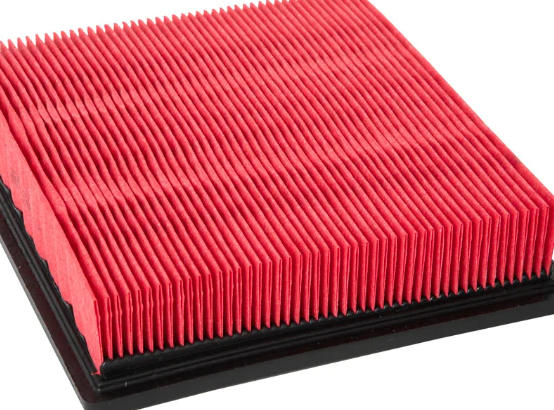
In general, the standard OEM (original equipment manufacturer) air filter used in most 2018 Toyota Camry models is not washable. Toyota equips the Camry with a paper-based pleated air filter, designed as a *disposable* component. Its material can easily degrade, tear, or lose efficiency when exposed to water or cleaning agents.
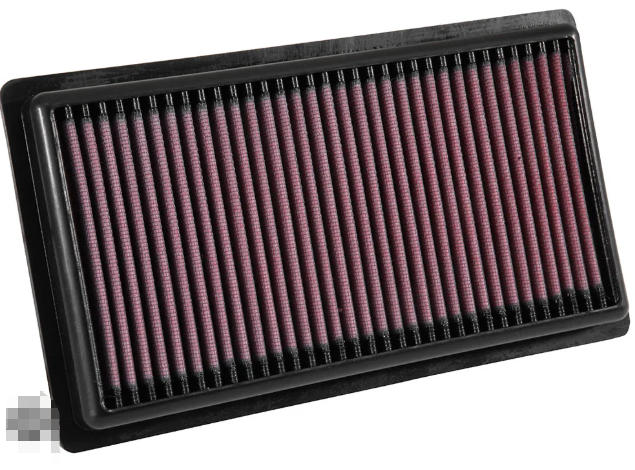
However, owners can opt for aftermarket washable air filters (also known as reusable or performance filters). These filters are usually made from more durable materials such as cotton gauze or synthetic fibers, reinforced with a wire mesh to withstand repeated cleanings.
So, if your Camry currently uses the standard OEM paper filter — no, it's not washable. But if you've replaced it with a washable air filter, then yes, it can be cleaned and reused multiple times.
Types of Engine Air Filters
To decide whether you can wash your filter, you need to know which type you're using. Here's an overview of the most common kinds:
1. Paper Air Filters (Disposable)
- Usually made from cellulose fibers.
- Inexpensive and efficient at trapping small particles.
- Not washable; washing can damage fibers and reduce filtration capability.
- Recommended replacement every 12,000–15,000 miles.
2. Cotton Gauze Washable Air Filters
- Composed of layers of cotton gauze sandwiched between wire mesh.
- Designed to be washed with a special cleaner and re-oiled.
- Can last for years when maintained properly.
- Popular among performance enthusiasts due to higher airflow.
3. Foam Air Filters
- Made from polyurethane foam.
- Often used in motorcycles or off-road vehicles.
- Washable and reusable but require oiling to trap dirt efficiently.
4. Synthetic Fiber Washable Filters
- Made with synthetic materials similar to cotton gauze filters.
- Usually dry-type filters that don't require oiling.
- Easier maintenance and quicker reinstallation.
Signs That You Need to Clean or Replace the Air Filter
Regardless of whether it's washable or not, the air filter in your Camry requires periodic attention. Here are some signs it's time to check it:
- Decreased fuel efficiency.
- Sluggish acceleration.
- Check-engine light illuminated.
- Unusual engine noises or vibrations.
- Dark, dirty filter visible during inspection.
For most drivers, inspecting the air filter every 10,000 to 15,000 miles is a good practice. Camrys used in dusty or urban environments may require more frequent maintenance.
Benefits of Using a Washable Air Filter
Switching from a disposable paper filter to a Washable Air Filter offers several advantages.
1. Cost Efficiency Over Time
Although a washable air filter costs more upfront (around $50–$70 compared to $15–$25 for a disposable one), it can last the life of the car. With periodic cleaning, it eliminates the need for frequent replacements.
2. Environmental Benefits
Washable filters reduce waste since you're not discarding filters every year. This small change contributes to sustainability and a lower environmental footprint.
3. Performance and Airflow
Washable Air Filters typically allow more air to flow through the intake system. This can slightly improve throttle response and horsepower, especially in performance-focused variants of the Toyota Camry.
4. Convenience and Reusability
Once installed, maintenance is straightforward — you simply clean, dry, and reinstall. No need to source replacements or schedule last-minute purchases.
How to Clean a Washable Air Filter
If your Camry has a Washable Air Filter, knowing the correct cleaning process is crucial. Improper methods can reduce filter life or damage the engine.
Step 1: Remove the Filter
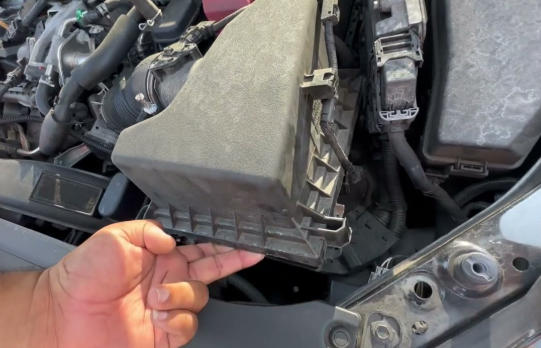
Open the hood and locate the air box (usually near the front of the engine bay). Unclip or unscrew the housing and gently lift out the filter.
Step 2: Inspect and Tap Loose Dirt
Lightly tap the filter to remove large particles. Avoid hitting it forcefully, as that may deform the mesh.
Step 3: Apply Cleaning Solution
Most manufacturers supply a specialized cleaning solution. Spray the cleaner generously on both sides, especially on heavily soiled areas. Let it soak for about 10 minutes.
Step 4: Rinse with Water
Rinse the filter with low-pressure lukewarm water from the clean side out (opposite to airflow direction). Continue rinsing until no dirt remains.
Step 5: Let It Dry Completely
Never reinstall a wet filter. Lay it flat in a shaded, well-ventilated area for several hours until completely dry. Avoid direct sunlight or heat sources.
Step 6: Re-oil (If Required)
Some washable filters, especially cotton gauze types, need re-oiling before reinstallation. Use only the manufacturer's recommended oil; too much oil may damage sensors like the Mass Air Flow (MAF) sensor.
Step 7: Reinstall
Once dry (and oiled if applicable), place the filter back into the air box and secure all clips or screws. Double-check that it's properly seated to avoid unfiltered air entering the engine.
Maintenance Frequency for Washable Air Filters
The cleaning interval for a Washable Air Filter depends on driving conditions:
- Highway driving with clean air: every 30,000–40,000 miles.
- Urban environments: roughly every 20,000 miles.
- Dusty or off-road conditions: inspect every 10,000 miles.
Remember, over-cleaning can also wear down materials prematurely. Always check the manufacturer's guidelines.
Are Washable Air Filters Worth It for a 2018 Toyota Camry?
Many Camry owners prefer washable air filters for their longevity, performance boost, and environmental friendliness. However, the benefits are modest in a standard commuter vehicle like the Camry. If you prioritize low maintenance cost and long-term savings, a washable air filter is practical.
If you rarely open the hood and prefer minimal hassle, sticking with disposable filters may be simpler.
That said, for drivers aiming for consistent long-term reliability — without the cost of frequent replacements — investing in a reputable Washable Air Filter brand like K&N, aFe, or Spectre can be a smart move.
Common Myths About Washable Air Filters
Myth 1: Washable Filters Void Warranties
Using a washable filter does not void your Toyota warranty as long as it meets OEM specifications and is maintained correctly.
Myth 2: More Airflow Always Means More Power
While airflow increases slightly, power gains are often minimal for everyday driving. The primary advantage is durability and reusability rather than raw performance.
Myth 3: You Can Clean a Paper Filter
Never attempt this. Paper filters disintegrate when exposed to moisture and lose filtration efficiency.
Environmental Impact Comparison
Disposable filters contribute to thousands of tons of landfill waste annually. Switching to Washable Air Filters reduces your contribution dramatically, especially considering the average vehicle lifespan (around 12–15 years). Each reusable filter can replace up to 10–15 disposable filters over that period.
Manufacturing-wise, washable filters use more durable materials, leading to slightly higher initial energy consumption. But over time, their reuse offsets that environmental cost.
Choosing a Washable Air Filter for Your Camry
When selecting a Washable Air Filter, consider the following:
- Brand reliability: Stick to known brands like K&N, aFe, or AEM.
- Fitment: Ensure compatibility with the 2018 Camry's specific engine (2.5L or 3.5L).
- Maintenance requirements: Check whether the filter requires oiling or is a dry reusable type.
- Warranty: Many washable filters come with a “million-mile” warranty, ensuring long service life.
Conclusion
So, is the 2018 Toyota Camry engine air filter washable?
If your car uses a standard OEM paper filter, it's not washable and should be replaced every 12,000–15,000 miles. But if you've upgraded to a Washable Air Filter, it can be cleaned and reused for the life of your vehicle with proper care.
Opting for a washable design saves money over time, reduces environmental waste, and maintains your Camry's performance. Just remember — correct cleaning methods, drying, and maintenance are essential for best results. Whether you value sustainability or convenience, the right air filter can make a quiet yet long-lasting difference in your car's health.
FAQ
1. How often should I clean a Washable Air Filter on my 2018 Toyota Camry?
You should clean it every 20,000–30,000 miles under normal driving conditions. In dusty or polluted areas, reduce that interval to 10,000–15,000 miles.
2. What happens if I don't clean my Washable Air Filter?
An uncleaned filter restricts airflow, leading to poor fuel efficiency, reduced engine power, and potential sensor contamination.
3. Do Washable Air Filters affect engine warranty?
No. Using a washable filter that meets Toyota's specifications will not void your warranty, as long as proper cleaning and reinstallation procedures are followed.
4. Are Washable Air Filters better than disposable ones?
They're more sustainable and cost-effective over time, though performance gains are minor. Their main advantage is reusability.
5. Can I use any cleaning solution for my Washable Air Filter?
No. Always use the cleaner recommended by the manufacturer. Generic detergents or high-pressure washing can damage the filter's material and compromise filtration.


