Content Menu
● Understanding the Function of a CPAP Machine
● What Is Distilled Water?
● Why Distilled Water Is Best for CPAP Machines
>> 1. Prevents Mineral Deposits
>> 2. Extends Equipment Lifespan
>> 3. Ensures Better Air Quality
>> 4. Avoids Odor and Taste Problems
>> 5. Reduces Maintenance Needs
● The Science Behind Water Distillation
● Distillation Water Machine Applications in Healthcare
● Comparing Distilled Water and Other Water Types
● How to Store Distilled Water for CPAP Use
● Why Choose Everheal's Distillation Water Machine
● Conclusion
● FAQs
>> 1. What happens if I use tap water in my CPAP machine?
>> 2. Can I use bottled water instead of distilled water?
>> 3. How often should I refill my humidifier with distilled water?
>> 4. Can I make distilled water at home?
>> 5. Does distilled water expire or go bad?
Continuous Positive Airway Pressure (CPAP) machines have become essential for people living with sleep apnea, ensuring consistent airflow that keeps their airways open throughout the night. However, users often overlook one crucial detail—the type of water used in these machines. In particular, using distilled water significantly improves performance, safety, and device lifespan.
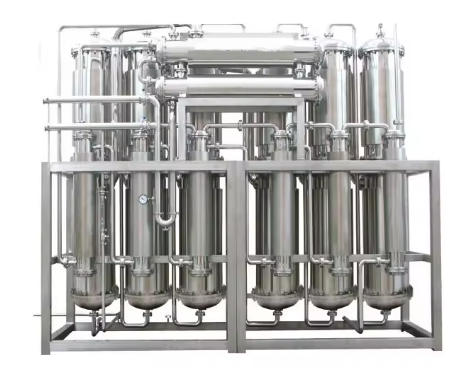
Distilled water is not just ordinary purified water; it is produced through a process of distillation that removes minerals, salts, and contaminants. In this article, we will explain why distilled water is the ideal choice for CPAP machines, explore the science behind water distillation, and discuss how advanced equipment like the Distillation Water Machine from Everheal ensures reliable purity for medical use.
Understanding the Function of a CPAP Machine
CPAP machines help users with obstructive sleep apnea by maintaining constant air pressure through a mask that keeps the airway open. Most CPAP systems incorporate a humidifier chamber that adds moisture to the air. This prevents dryness in the nasal passages, throat, and mouth—a common side effect of continuous airflow.
Because the humidifier chamber constantly heats and evaporates water, the quality of that water matters greatly. Using impure or mineral-rich water can create serious issues, including scaling, microbial growth, and internal corrosion. This is where distilled water becomes indispensable.
What Is Distilled Water?
Distilled water is created by boiling raw water, capturing the steam, and then cooling it back into liquid form. This process removes dissolved minerals, heavy metals, organic compounds, and microorganisms, resulting in water that is 99.9% pure. Unlike filtered or deionized water, distilled water contains no residual ions or contaminants that can affect medical equipment performance.
Modern Distillation Water Machines—such as those produced by Everheal—employ precise temperature control, stainless-steel condensing chambers, and multiple condensation stages to ensure the highest purity standard. Each cycle delivers consistent results meeting the strict requirements of pharmaceutical-grade water systems.
Why Distilled Water Is Best for CPAP Machines
1. Prevents Mineral Deposits
Tap water contains minerals like calcium, iron, and magnesium. When heated in the CPAP humidifier, these substances leave behind white or brown deposits called scale. Over time, these deposits can clog valves, sensors, and humidifier plates, reducing airflow efficiency.
Using distilled water prevents this accumulation. Because it has been purified through a Distillation Water Machine, it contains no minerals to form residue, ensuring your humidifier stays clean and efficient.
2. Extends Equipment Lifespan
When mineral deposits and biological growth occur, they cause internal wear and corrosion, leading to more frequent replacements and repairs. Using distilled water can extend the lifespan of the humidifier chamber and other parts by reducing chemical reactions inside the system.
Hospitals and pharmaceutical manufacturers use Everheal's Distillation Water Machines precisely because their technology delivers water of extremely low conductivity, minimizing any corrosive risk to sensitive components.
3. Ensures Better Air Quality
Air passing through a CPAP machine humidifier picks up water vapor. If the water contains bacteria, mold spores, or volatile chemicals, these impurities can enter your respiratory system. Distilled water eliminates those risks, providing cleaner and safer breathing air every night.
Everheal's Distillation Water Machine systems are designed for such hygienic applications, ensuring zero microbial contamination even during long-term operation.
4. Avoids Odor and Taste Problems
Users who mistakenly fill their CPAP humidifier with tap or filtered water often complain about unpleasant odors or metallic tastes during use. This happens when minerals and organic compounds evaporate and mix into the airflow. Distilled water, being free of impurities, offers a neutral, clean vapor with no smell or taste.
5. Reduces Maintenance Needs
Distilled water keeps the CPAP's humidifier chamber spotless. Instead of scrubbing mineral buildup weekly, a user can easily rinse and reuse it. As a result, maintenance becomes simpler and safer, saving both time and cost.
By integrating an automated Distillation Water Machine in your home or medical facility, you can produce large quantities of distilled water conveniently—ensuring a constant supply for CPAP and other healthcare devices.
The Science Behind Water Distillation
The distillation process revolves around three major stages:
1. Evaporation: Water is heated until it turns into steam, leaving behind ions, sediments, and microorganisms.
2. Condensation: The steam passes through a cooling coil or condenser, turning back into liquid.
3. Collection: The condensed water is gathered in a sterile container, completely free of impurities.
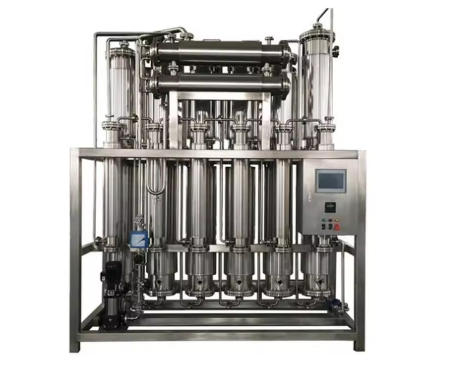
Advanced models of Distillation Water Machines, like Everheal's pharmaceutical versions, include double-effect or multi-effect distillation technologies. These systems optimize energy usage by reusing heat from each stage, providing higher output and consistent purity—ideal for labs, hospitals, and home medical equipment such as CPAPs.
Distillation Water Machine Applications in Healthcare
The use of Distillation Water Machines extends far beyond CPAP systems. They are critical for any environment requiring ultra-pure water, including:
- Hospital sterilizers and autoclaves
- Multi-effect distillation systems for pharmaceutical manufacturing
- Laboratory instruments such as analyzers and microscopes
- Dialysis and respiratory care equipment
For medical and pharmaceutical companies like Everheal, water purity translates directly into safety and performance reliability. That's why Everheal's engineering team focuses on designing GMP-compliant systems that meet global standards such as USP, EP, and GMP.
Comparing Distilled Water and Other Water Types
| Water Type | Purity Level | CPAP Suitability | Potential Risks |
| Tap Water | Low | Not recommended | Mineral buildup, bacterial growth |
| Filtered Water | Moderate | Not recommended | May still contain dissolved ions |
| Deionized Water | High | Acceptable temporary alternative | No microbe removal assurance |
| Distilled Water | Very high | Highly recommended | None |
Only distilled water provides both chemical purity and biological safety, making it the most effective solution for CPAP users.
How to Store Distilled Water for CPAP Use
Even perfectly distilled water can become contaminated if mishandled. Follow these steps for safe storage:
- Keep distilled water in a sealed glass or food-grade plastic container.
- Store it away from sunlight to prevent microbial growth.
- Avoid touching the inside of the bottle or lid to maintain sterility.
- Refill your CPAP humidifier daily with freshly distilled water for best results.
If you use a Distillation Water Machine at home, always clean its chamber and collection bottle according to the manufacturer's instructions.
Why Choose Everheal's Distillation Water Machine
Everheal is a specialized manufacturer of pharmaceutical-grade water and thermal sterilization systems. Our Distillation Water Machine series offers high performance, low energy consumption, and reliable compliance with international standards. Key features include:
- Automatic control system with real-time monitoring
- 304/316L stainless steel distillation chambers for corrosion resistance
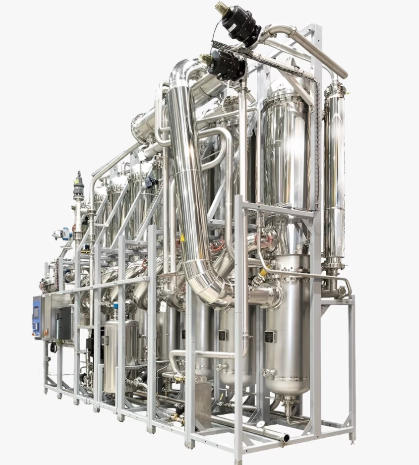
- Multi-effect design for high efficiency and low operational cost
- Customizable output capacities for industrial, hospital, or personal needs
Whether you operate a pharmaceutical plant or simply need medical-grade water for home equipment, Everheal's engineering team can design a complete water preparation system and factory layout plan tailored to your requirements.
Conclusion
Using distilled water in your CPAP machine is more than just a recommendation—it's a necessity. Distilled water preserves the function, safety, and hygiene of your respiratory equipment by preventing mineral buildup, reducing microbial contamination, and improving airflow quality.
Investing in a reliable Distillation Water Machine, such as those developed by Everheal, ensures a consistent supply of high-purity water not only for CPAPs but also for other critical medical and pharmaceutical applications. Clean water means better health, safer devices, and longer-lasting equipment.
FAQs
1. What happens if I use tap water in my CPAP machine?
Tap water contains minerals and contaminants that form scale and promote bacteria growth. This can damage your humidifier and affect your breathing air.
2. Can I use bottled water instead of distilled water?
Bottled water may still contain minerals and chemical additives. Only distilled water produced by a Distillation Water Machine guarantees maximum purity.
3. How often should I refill my humidifier with distilled water?
You should replace the distilled water in your CPAP chamber daily to prevent contamination and ensure optimal hygiene.
4. Can I make distilled water at home?
Yes. You can use a home Distillation Water Machine or an electric distiller to produce your own distilled water easily and safely.
5. Does distilled water expire or go bad?
Distilled water does not “expire,” but it can become contaminated if stored improperly. Always keep it sealed and use clean containers.


