Content Menu
● Understanding Distilled Water
● What Is Baby Distilled Water?
● Composition: Baby Distilled Water vs. Regular Distilled Water
● Why Distilled Water Is Recommended for CPAP Machines
>> 1. Prevents Mineral Buildup
>> 2. Reduces the Risk of Microbial Growth
>> 3. Enhances Machine Longevity
>> 4. Improves Humidification Quality
>> 5. Protects Your Health
● The Distillation Process and Its Importance
● Is Baby Distilled Water Safe for CPAP Machines?
● How to Fill and Maintain Your CPAP Humidifier
>> Steps to Fill the CPAP Humidifier:
>> Cleaning Routine:
● How Everheal Supports Pure Water Systems
● Common Mistakes to Avoid
● Environmental and Economic Considerations
● Conclusion
● FAQ
>> 1. What happens if I use tap water in my CPAP machine?
>> 2. Is baby distilled water different from regular distilled water?
>> 3. Can I use boiled water instead of distilled water?
>> 4. Can I produce my own distilled water at home?
>> 5. How often should I replace the distilled water in my CPAP tank?
Continuous Positive Airway Pressure (CPAP) machines are essential for people with sleep apnea. These devices deliver constant air pressure to keep airways open during sleep. However, to operate properly and remain hygienic, the humidifier chamber inside the CPAP machine requires high-quality water. One of the most common questions from users is: “Can I use baby distilled water in my CPAP machine?”
This article explores that question in depth. We'll look at what baby distilled water is, how distilled water is made using Distillation Water Machines, and whether it's a safe and effective alternative for your CPAP device.
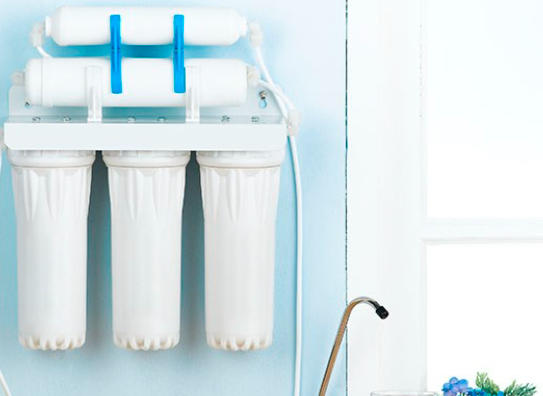
Understanding Distilled Water
Distilled water is water that has been purified through a process called distillation, where it's boiled into vapor, then condensed back into liquid form—leaving behind impurities, minerals, and contaminants.
High-quality Distillation Water Machines are used in pharmaceutical, healthcare, and food industries to produce ultra-pure water. These machines remove minerals, heavy metals, organic compounds, and even microbial contaminants. The result is water that contains virtually no dissolved solids.
In contrast, tap water or mineral water contains calcium, magnesium, and other ions that can accumulate inside CPAP devices—causing scaling, bacterial growth, and equipment damage over time. That's why manufacturers universally recommend using distilled water in CPAP humidifiers.
What Is Baby Distilled Water?
“Baby distilled water” is a marketing term often used for water intended for mixing infant formula or baby food. It's distilled water that meets safety and purity standards suitable for infants. These products go through the same distillation process as standard distilled water but might also undergo additional filtration and microbiological testing to assure parents of purity and safety.
Manufacturers of baby distilled water typically use compact Distillation Water Machines or integrated purification systems that include pre-filters, carbon filters, and UV sterilization. These processes ensure the water contains no bacteria, nitrates, or heavy metals—making it perfectly safe for human use.
Composition: Baby Distilled Water vs. Regular Distilled Water
From a chemical and operational standpoint, there's no functional difference between baby distilled water and regular distilled water when both are produced using professional Distillation Water Machines. The only variations might be packaging standards or additional safety labeling.
However, in terms of cost and convenience, baby distilled water is often more expensive because it is packaged for retail consumers in smaller bottles, while industrial or laboratory-grade distilled water is available in larger containers suitable for machines like CPAPs.
Here's a brief comparison chart:
| Feature | Baby Distilled Water | Regular Distilled Water |
| Purity Level | Very high | Very high |
| Mineral Content | None | None |
| Packaging | Small bottles (1–5 liters) | Larger jugs (5–20 liters) |
| Cost | Higher | Lower |
| Production Method | Distillation (and often UV sterilization) | Distillation |
| Usage | Infant formula, CPAP, small appliances | CPAP, lab, medical, pharmaceutical |
In summary, both baby and regular distilled water are equally suitable for CPAP use, as long as they are genuinely distilled and produced using a certified Distillation Water Machine.
Why Distilled Water Is Recommended for CPAP Machines
Using distilled water in your CPAP humidifier serves multiple purposes beyond purity. Let's explore the main reasons why Distillation Water Machine output water is ideal:
1. Prevents Mineral Buildup
Minerals like calcium and magnesium in tap water can leave white, chalky deposits known as scale. These deposits accumulate on the humidifier chamber's heating plate, reducing efficiency and potentially damaging the unit.
2. Reduces the Risk of Microbial Growth
Impurities and organic matter found in regular water can provide a breeding ground for bacteria, mold, and yeast. Distilled water—produced under high-temperature conditions—is sterile and free of microorganisms, minimizing the risk of respiratory infections.
3. Enhances Machine Longevity
Using pure distilled water reduces corrosion and scaling, extending the service life of both the humidifier tank and the CPAP device's internal components.
4. Improves Humidification Quality
Distilled water ensures a consistent vapor output during humidification. It provides stable humidity levels without introducing metallic or mineral odor, improving user comfort.
5. Protects Your Health
When using non-distilled water, mineral particles can aerosolize and enter your respiratory system, irritating your lungs. Distilled water prevents such contamination, providing cleaner, healthier breathing air.
The Distillation Process and Its Importance
At the core of water purification lies the Distillation Water Machine, a device that ensures reliable and repeatable water purity. Here's how it works:
1. Boiling Phase – Water is heated in a stainless-steel boiling chamber until it vaporizes.
2. Vapor Separation – Heavy particles, salts, and impurities remain in the boiling chamber.
3. Condensation Phase – The vapor passes through a condenser, cools down, and returns to liquid form.
4. Collection Phase – The condensed pure water is collected in a sterile tank, ready for use.
In Everheal's pharmaceutical-grade Distillation Water Machines, the system integrates advanced controls, automatic draining, and in-line sterilization to guarantee purity at every stage. Our production systems—ranging from pure steam generators to multi-effect distillers—produce reliable water for sterile applications, including CPAP machine use, pharmaceutical compounding, and laboratory testing.
Is Baby Distilled Water Safe for CPAP Machines?
Yes, baby distilled water is absolutely safe for CPAP machines. Both baby and standard distilled water have the same purity level if produced using high-grade Distillation Water Machines.
However, always check the product label to confirm it says “distilled water”, not “purified,” “spring,” or “drinking water”, as those terms can imply different treatment processes. For CPAP devices, distilled water must have zero dissolved solids and no microbial contamination.
How to Fill and Maintain Your CPAP Humidifier
Using your CPAP machine with distilled water correctly will ensure its performance stays optimal.
Steps to Fill the CPAP Humidifier:
1. Unplug the CPAP machine and allow it to cool down if recently used.
2. Remove the humidifier chamber carefully.
3. Fill with distilled water—either baby distilled water or standard distilled water—up to the indicated maximum fill line.
4. Avoid overfilling to prevent water from entering the air tubes.
5. Reattach and power on the CPAP unit for use.
Cleaning Routine:
- Empty the chamber daily to prevent water stagnation.
- Wash the chamber weekly with mild soap and warm water.
- Rinse thoroughly with distilled water to remove any residue.
- Allow to air dry before reuse.
Following these hygiene steps can prevent microbial growth, even with high-purity water.
How Everheal Supports Pure Water Systems
Everheal specializes in Distillation Water Machines, pure steam generators, and integrated pharmaceutical water systems designed for purity-critical applications. Our systems support:
- CPAP machine water production for hospitals and clinics.
- Pharmaceutical-grade pure water generation for sterile factories.
- Custom factory layout design and validation of cleanroom water systems.
- Automated distillation systems with programmable control logic for ease of use.
Our equipment ensures compliance with pharmacopoeia standards (USP, EP, JP) and delivers consistent water purity for medical, cosmetic, and laboratory use. Whether you need small-scale water distillers or high-output multi-effect distillation units, Everheal provides the right solution.
Common Mistakes to Avoid
When using a CPAP machine, avoid the following practices, as they can shorten your device's lifespan or harm your health:
- Using tap water: Leaves residues and promotes bacterial growth.
- Using purified (non-distilled) water: Can contain trace minerals or chemicals.
- Using scented or flavored water: Can release harmful vapors when heated.
- Reusing old water: Standing water encourages contamination even if it looks clean.
- Failing to clean humidifier chambers regularly: This can promote microbial buildup.
Keeping these habits in check ensures your device stays efficient, your therapy remains effective, and you breathe clean, moist air each night.
Environmental and Economic Considerations
While baby distilled water comes in smaller plastic bottles, bulk distilled water from industrial sources can be more environmentally friendly. Companies like Everheal promote the use of on-site Distillation Water Machines, allowing users to produce distilled water locally—eliminating the need for single-use packaging and reducing transportation emissions.
By installing a compact home or laboratory Distillation Water Machine, individuals and sleep clinics can save costs, ensure consistent water purity, and reduce waste.
Conclusion
To answer the question—Can you use baby distilled water in your CPAP machine?—the simple answer is yes. Baby distilled water is safe, pure, and effective for maintaining both your health and the performance of your CPAP device.
The key lies not in the “baby” label but in the distillation process itself. Whether produced by an industrial-scale Everheal Distillation Water Machine or a household distiller, distilled water ensures your CPAP system stays clean, efficient, and reliable over time.
For long-term use, consider sourcing distilled water from certified suppliers or installing your own Distillation Water Machine to guarantee continuous purity and reduced cost.
FAQ
1. What happens if I use tap water in my CPAP machine?
Tap water contains minerals and impurities that can cause scale buildup inside your CPAP humidifier, reduce performance, and encourage bacterial growth. Always prefer distilled water for optimal results.
2. Is baby distilled water different from regular distilled water?
Not significantly. Both types of water are created through distillation and have identical purity levels. “Baby” distilled water just emphasizes safety testing and consumer packaging.
3. Can I use boiled water instead of distilled water?
Boiling removes some bacteria but not dissolved minerals or chemicals. It's not a suitable replacement for distilled water in a CPAP because it still leaves mineral deposits over time.
4. Can I produce my own distilled water at home?
Yes. Home Distillation Water Machines can purify tap water effectively. They're ideal for CPAP users who need a continuous, cost-efficient supply of distilled water.
5. How often should I replace the distilled water in my CPAP tank?
You should empty and refill your CPAP humidifier with fresh distilled water every day. Never reuse leftover water from a previous session.


