Content Menu
● Understanding Pure Steam Generators in South Africa
● Why South African Facilities Need Pure Steam
● Key Features Buyers Expect from Pure Steam Generator Manufacturers and Suppliers
● South African Pure Steam and Clean Steam Landscape
● Leading Pure Steam Generator Manufacturers and Suppliers Serving South Africa
>> Spirax Sarco South Africa
>> STERIS Finn‑Aqua T‑Series (via South African Partners)
>> Instek, Logichem, and Local Clean Steam Specialists
>> Global Pure Steam Specialists Supporting South Africa
>> Everheal – A Strategic Partner from China for South Africa
● How to Evaluate Pure Steam Generator Manufacturers and Suppliers
>> Define Technical and Capacity Requirements
>> Assess Design and Compliance Capabilities
>> Evaluate Control Systems and Integration
>> Consider Lifecycle Support and Total Cost of Ownership
● Integration of Pure Steam with Other Pharmaceutical Utilities
● Opportunities for Everheal in the South African Market
● Conclusion
● FAQs About Pure Steam Generator Manufacturers and Suppliers in South Africa
>> (1) What is the difference between clean steam and pure steam for South African pharmaceutical plants?
>> (2) How do Pure Steam Generator Manufacturers and Suppliers ensure regulatory compliance in South Africa?
>> (3) What factors affect the capacity selection of a pure steam generator?
>> (4) Can international Pure Steam Generator Manufacturers and Suppliers provide service support in South Africa?
>> (5) Why should South African investors consider Everheal as a pure steam partner?
The demand for high‑quality pure steam systems in South Africa is growing rapidly as pharmaceutical, biotechnology, cosmetic, and healthcare investors scale up GMP‑compliant manufacturing and sterilization facilities across the region. Pure Steam Generator Manufacturers and Suppliers that can deliver reliable, validated, and energy‑efficient systems have become strategic partners for local and international project owners building plants in South Africa.
Understanding Pure Steam Generators in South Africa
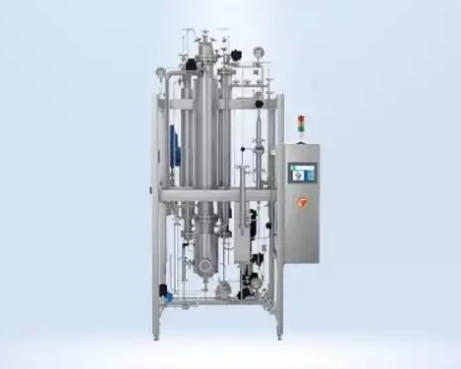
Pure steam is a special grade of steam produced from purified or demineralized water, designed to be free from pyrogens, endotoxins, and other contaminants that could compromise sterile pharmaceutical products or critical equipment surfaces. In South Africa, Pure Steam Generator Manufacturers and Suppliers help pharmaceutical companies meet strict international standards such as GMP and pharmacopeial requirements for clean utilities.
Pure Steam Generators used in South African plants are typically integrated with purified water or WFI systems, sterilization equipment, and cleanroom utilities to support SIP (Sterilization‑in‑Place), autoclaves, and process sterilization of pipelines and vessels. Trusted Pure Steam Generator Manufacturers and Suppliers also provide documentation, validation support, and lifecycle services to simplify audits by regulators and global partners.
Why South African Facilities Need Pure Steam
South Africa's pharmaceutical and biotech sectors are expanding to serve both domestic healthcare needs and export markets across Africa and beyond. As a result, project developers actively seek Pure Steam Generator Manufacturers and Suppliers who can guarantee consistent steam quality, stable operation, and regulatory compliance over many years.
Key drivers for pure steam demand in South Africa include:
- Expansion of sterile injectables, vaccines, and biologics manufacturing.
- Upgrading of hospital central sterile departments (CSSDs) and medical device reprocessing units.
- Growth of cosmetic, nutraceutical, and personal care production requiring hygienic steam utilities.
Pure Steam Generator Manufacturers and Suppliers serving South Africa must therefore offer systems that are hygienically designed, easy to maintain, and compatible with local utilities while still respecting global standards.
Key Features Buyers Expect from Pure Steam Generator Manufacturers and Suppliers
When South African investors evaluate Pure Steam Generator Manufacturers and Suppliers, they typically look for more than just equipment pricing. They focus on system design, energy performance, and long‑term support capacity.
Essential features include:
- High purity steam quality that meets pharmacopeial requirements for non‑condensable gases, dryness fraction, and superheat suitable for sterilization processes.
- Use of sanitary materials such as stainless steel 316L on all product‑contact surfaces, with orbital welding, drainability, and dead‑leg‑free piping to minimize contamination risk.
- Automated PLC‑based control with accurate regulation of pressure, temperature, and capacity, ensuring stable pure steam supply for multiple sterilization points.
Additional selection criteria for Pure Steam Generator Manufacturers and Suppliers in South Africa often include:
- Modular skid‑mounted designs that are factory‑tested and pre‑validated before shipment.
- Energy‑efficient heat recovery and condensate return to reduce operational costs.
- Full IQ/OQ/FAT documentation to support qualification and regulatory inspections.
South African Pure Steam and Clean Steam Landscape
South Africa's industrial base includes a mix of local engineering companies, global technology brands, and specialized integrators that collectively support pure steam and clean steam projects. This ecosystem allows Pure Steam Generator Manufacturers and Suppliers to deliver complete, integrated solutions instead of stand‑alone units.
Clean steam systems are often deployed in food, beverage, and dairy plants, while true pure steam systems are targeted at pharmaceutical, biotech, and high‑risk healthcare applications. Many plants start with clean steam and later upgrade to pure steam when regulatory expectations and product risk profiles become more stringent, creating ongoing opportunities for Pure Steam Generator Manufacturers and Suppliers.
South African regulations are strongly influenced by international GMP frameworks and by quality expectations from multinational partners. This means pure steam solutions designed for Europe, North America, or advanced Asian markets are usually well aligned with what South African inspectors and auditors expect to see in modern facilities.
Leading Pure Steam Generator Manufacturers and Suppliers Serving South Africa
Several Pure Steam Generator Manufacturers and Suppliers provide high‑purity steam solutions to South African pharmaceutical, biotech, and healthcare facilities, either through local operations or through experienced regional partners. These companies often combine clean steam and pure steam technologies with broader portfolios of pharmaceutical utilities.
Spirax Sarco South Africa
Spirax Sarco is one of the most recognized steam specialists worldwide, with a dedicated presence in South Africa delivering clean steam and pure steam solutions. The company offers a wide range of clean and pure steam generators designed to produce controlled, contamination‑free steam using demineralized water and steam from standard boiler plants.
Spirax Sarco's packaged clean and pure steam generator units for South Africa are skid‑mounted and available in capacities suitable for both smaller hospitals and large industrial pharmaceutical sites. As a well‑established member of the global Pure Steam Generator Manufacturers and Suppliers community, Spirax Sarco supports projects with technical documentation, sizing guidance, and lifecycle services that help end users maintain long‑term performance.
STERIS Finn‑Aqua T‑Series (via South African Partners)
STERIS is a global leader in sterilization solutions, and its Finn‑Aqua T‑Series Pure Steam Generator is widely used in pharmaceutical facilities around the world. The Finn‑Aqua T‑Series is known for providing very high‑quality pure steam for sterilizers, SIP systems, and critical utilities, and it is commonly supplied into South Africa via regional partners and integrators.
For South African buyers, the Finn‑Aqua T‑Series offers advantages such as hygienic design, proven reliability, and integration with STERIS sterilizers and washers. This makes it attractive for hospitals and pharma plants seeking integrated solutions from established Pure Steam Generator Manufacturers and Suppliers that can take responsibility for both steam generation and critical sterilization equipment.
Instek, Logichem, and Local Clean Steam Specialists
Regional process engineering companies such as Instek and Logichem focus on clean steam generation for pharmaceutical, biotech, dairy, and related industries, and often participate in South African projects. Logichem, for example, supplies clean steam generators capable of serving large‑scale hygienic steam applications, and similar companies can integrate their solutions into broader utility packages.
These engineering companies frequently partner with international Pure Steam Generator Manufacturers and Suppliers to deliver turnkey clean and pure steam solutions tailored to local site conditions and utility constraints in South Africa. They also add value by providing on‑site installation, piping, commissioning, and after‑sales service, which are vital for long‑term reliability.
Global Pure Steam Specialists Supporting South Africa
In addition to companies with a direct footprint in South Africa, there are several global Pure Steam Generator Manufacturers and Suppliers whose systems are increasingly selected for projects in the country via EPC contractors and equipment integrators. These include brands that specialize in water and steam for pharmaceuticals, as well as companies that provide pure steam as part of a broader aseptic processing portfolio.
International pure steam providers are often chosen for flagship projects, high‑value biologics plants, or export‑oriented facilities that must adhere to stringent foreign regulatory expectations. By working with South African engineering partners, these Pure Steam Generator Manufacturers and Suppliers can deliver equipment that meets advanced technical and documentation standards while still reflecting local operating realities.
Everheal – A Strategic Partner from China for South Africa
Everheal, headquartered in China, is a specialized pure steam generator manufacturer with a broad portfolio of pharmaceutical equipment, including purified water systems, multi‑effect distillation units, liquid filling and sealing machines, and sterilization systems. The company positions itself as a turnkey partner for global projects, including those in South Africa, where investors increasingly seek integrated clean utility and process solutions.
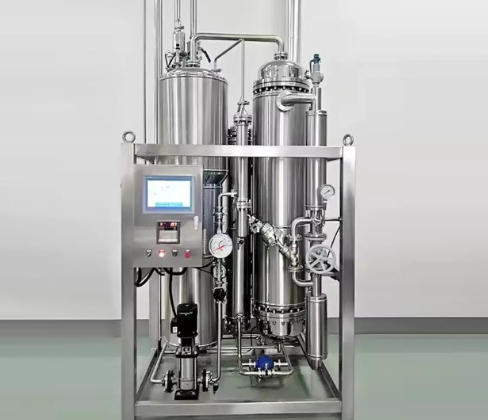
As one of the emerging international Pure Steam Generator Manufacturers and Suppliers, Everheal designs pure steam generators with pharmaceutical‑grade materials, GMP‑compliant hygienic structures, and comprehensive validation documentation aligned with international regulatory frameworks. In addition, Everheal specializes in integrated factory layout planning and complete production line construction, enabling South African investors to obtain pure steam, purified water, and process equipment from a single strategic source.
How to Evaluate Pure Steam Generator Manufacturers and Suppliers
Selecting the most suitable Pure Steam Generator Manufacturers and Suppliers for a South African facility requires a structured, criteria‑based evaluation. Beyond headline technical specifications, project owners need to assess long‑term performance, local service capability, and compatibility with overall plant design.
Define Technical and Capacity Requirements
The starting point is a clear definition of process and utility requirements:
- Total pure steam consumption (average and peak, in kg/h).
- Required pressure and temperature ranges for SIP, autoclaves, and process sterilization.
- Number, type, and diversity of pure steam users (reactors, tanks, sterilizers, piping loops).
- Acceptable turn‑down ratio for variable production schedules.
Pure Steam Generator Manufacturers and Suppliers can then propose designs that match these requirements, including appropriate column sizes, control valves, and instrumentation to maintain stable operation under all load conditions.
Assess Design and Compliance Capabilities
An effective partner must demonstrate clear understanding of GMP and pharmaceutical expectations. Important design and compliance elements include:
- Use of certified stainless steel and pharmaceutical‑grade gaskets on product‑contact components.
- Hygienic design practices, such as sloped piping, self‑drainability, and minimized dead legs.
- Surface finish specifications for all pure steam contact parts, often with documented Ra values.
- Availability of design qualification, risk assessments, and support for validation documentation.
Pure Steam Generator Manufacturers and Suppliers that can provide complete documentation packages, including P&IDs, material certificates, weld logs, FAT reports, and IQ/OQ protocols, significantly reduce the workload on South African project teams.
Evaluate Control Systems and Integration
Modern pure steam systems rely heavily on advanced control to maintain stable, repeatable conditions. When evaluating Pure Steam Generator Manufacturers and Suppliers, buyers should review:
- PLC and HMI hardware platforms and their compatibility with existing plant systems.
- Alarm strategies, event logging, and data trending for critical parameters.
- Integration possibilities with plant SCADA, DCS, or MES platforms.
- Options for remote monitoring and diagnostics to support proactive maintenance.
Well‑designed automation not only improves reliability but also simplifies troubleshooting and audit readiness, which is essential for South African facilities working with international partners.
Consider Lifecycle Support and Total Cost of Ownership
Pure steam systems are long‑life assets, and after‑sales support strongly influences overall cost and risk. Key factors include:
- Availability of local or regional service technicians for routine and emergency support.
- Lead times and stock strategies for critical spare parts.
- Training programs for operators and maintenance teams.
- Clear service agreements, including preventive maintenance schedules and performance guarantees.
Pure Steam Generator Manufacturers and Suppliers that offer structured lifecycle service programs help South African plants maintain compliance, avoid unplanned downtime, and achieve predictable operating costs.
Integration of Pure Steam with Other Pharmaceutical Utilities
Pure steam does not operate in isolation. It interacts with purified water systems, WFI distribution loops, compressed air, process gases, and HVAC systems in a highly coordinated way. This creates an additional dimension when selecting Pure Steam Generator Manufacturers and Suppliers for South African projects.
Suppliers capable of delivering both pure steam generators and high‑purity water systems can simplify interfaces, standardize controls, and streamline project execution. The same applies when the supplier can also provide sterilizers, process vessels, and filling lines that rely on pure steam for SIP or sterilization.
For South African investors, working with Pure Steam Generator Manufacturers and Suppliers that understand the full plant context translates into fewer engineering conflicts, clearer responsibilities, and shorter commissioning timelines. This is a key reason why integrated providers such as Everheal are becoming more attractive partners for greenfield and expansion projects.
Opportunities for Everheal in the South African Market
South African pharmaceutical and biotech investments increasingly look beyond local borders for specialized partners that can deliver complete clean utility and process solutions. This environment creates strong opportunities for pure steam generator manufacturers and suppliers like Everheal to work with EPCs, design institutes, and local agents serving South Africa.
Everheal's combination of pure steam generators, purified water preparation systems, multi‑effect distillers, liquid filling and sealing lines, and sterilization solutions allows South African investors to source multiple critical systems from one coordinated supplier. By providing factory layout design, technical consultation, and turnkey production line construction, Everheal can support South African customers from project concept through commissioning and validation, which represents a major competitive advantage among global Pure Steam Generator Manufacturers and Suppliers.
Conclusion
Pure steam is a non‑negotiable clean utility for modern GMP‑compliant pharmaceutical, biotech, and healthcare facilities in South Africa, where sterile production and reliable sterilization processes are essential for patient safety and export competitiveness. As local industries expand and align with global regulations, demand for robust pure steam solutions will continue to rise.
To meet these needs, project owners rely on competent Pure Steam Generator Manufacturers and Suppliers—both local and international—who can deliver hygienic designs, documented compliance, and long‑term service support. Companies such as Spirax Sarco, STERIS Finn‑Aqua partners, regional clean steam specialists, and global technology providers supply proven solutions for South African plants, while emerging international suppliers like Everheal offer integrated, turnkey approaches that combine pure steam, purified water, distillation, sterilization, and filling technologies. For investors who require scalable, compliant, and cost‑effective pure steam infrastructure, partnering with the right Pure Steam Generator Manufacturers and Suppliers is one of the most important decisions in any South African pharmaceutical project.
FAQs About Pure Steam Generator Manufacturers and Suppliers in South Africa
(1) What is the difference between clean steam and pure steam for South African pharmaceutical plants?
Clean steam generally refers to steam generated from treated feed water and used where contamination must be minimized, such as in food processing or non‑critical sanitization. Pure steam, by contrast, is produced from higher‑purity water and is specifically designed to meet pharmacopeial requirements for sterile applications, including injectable drug manufacturing and critical sterilization processes. In South African GMP facilities, Pure Steam Generator Manufacturers and Suppliers usually provide systems that can clearly demonstrate compliance with purity specifications, documentation, and validation requirements.
(2) How do Pure Steam Generator Manufacturers and Suppliers ensure regulatory compliance in South Africa?
Pure Steam Generator Manufacturers and Suppliers serving South Africa typically design their systems according to international standards for material selection, surface finish, and hygienic design. They also provide comprehensive documentation such as design qualification, factory acceptance test (FAT) records, installation and operational qualification (IQ/OQ) protocols, and support for performance qualification. By following GMP and relevant pharmacopeial guidelines, these suppliers help South African plants pass inspections from both local authorities and international clients.
(3) What factors affect the capacity selection of a pure steam generator?
The required capacity of a pure steam generator depends on the total simultaneous demand of all sterilizers, SIP circuits, and process loads, including foreseeable peak consumption scenarios. Engineers must consider current and future production plans, diversity factors, buffer margins, and any additional utilities that may be added later. Pure Steam Generator Manufacturers and Suppliers typically work with South African design teams to model load profiles and recommend a generator size that maintains stable pressure and temperature during both routine and peak operations.
(4) Can international Pure Steam Generator Manufacturers and Suppliers provide service support in South Africa?
Yes, many international Pure Steam Generator Manufacturers and Suppliers collaborate with local agents, service centers, or engineering partners to provide on‑site installation, commissioning, training, and maintenance in South Africa. Remote diagnostics, online support, and structured spare‑parts programs further enhance service availability. For critical GMP utilities like pure steam, such arrangements are essential to ensure rapid response and long‑term reliability.
(5) Why should South African investors consider Everheal as a pure steam partner?
South African investors should consider Everheal because it combines pure steam generator technology with complementary systems such as purified water preparation, multi‑effect distillation, filling and sealing equipment, and sterilization solutions. This integrated approach allows customers to source multiple core systems from a single coordinated supplier, simplifying engineering interfaces and project management. As a member of the international Pure Steam Generator Manufacturers and Suppliers community, Everheal also offers factory layout planning, technical consulting, and turnkey project execution tailored to the specific needs of South African facilities.


