Content Menu
● Understanding What a Washable Air Filter Is
>> Benefits of Using Washable Air Filters
● Signs Your Washable Air Filter Is Heavily Soiled
● Preparation Before Cleaning
>> Tools and Materials Needed
>> Important Safety Steps
● Step-by-Step: How To Clean a Heavily Soiled Washable Air Filter
>> Step 1: Remove the Filter
>> Step 2: Pre-Clean the Surface
>> Step 3: Prepare the Cleaning Solution
>> Step 4: Submerge and Soak
>> Step 5: Rinse Thoroughly
>> Step 6: Air Dry Completely
>> Step 7: Reinstall
● Tips for Optimal Maintenance
● Common Mistakes to Avoid
● How Washable Air Filters Improve Indoor Air Quality
● Eco-Friendly Aspect of Washable Air Filters
● Troubleshooting: What If the Filter Stays Dirty After Washing?
● Conclusion
● FAQ About Washable Air Filters
>> 1. How often should I clean my washable air filter?
>> 2. Can I use soap or detergent to clean my washable air filter?
>> 3. How long does a washable air filter last?
>> 4. Can I dry my washable air filter in the sun?
>> 5. Is a washable air filter as effective as a disposable one?
Maintaining indoor air quality has become a key part of modern healthy living. Most homeowners rely on washable air filters as a sustainable, cost-effective alternative to disposable filters. Yet, even the best filters lose efficiency when clogged with heavy dust, grease, pollen, and bacteria over time. Cleaning them correctly restores efficiency, prevents HVAC damage, and maintains clean air circulation throughout your home.
In this comprehensive guide, we'll walk you through step-by-step methods to clean a heavily soiled washable air filter, discuss best practices, safety tips, and maintenance schedules, and answer common FAQs from homeowners and HVAC technicians.
Understanding What a Washable Air Filter Is
A washable air filter, sometimes called a *permanent air filter*, is designed to be cleaned and reused instead of replaced. These filters are usually made from durable materials like aluminum mesh, electrostatic fibers, or strong plastic grids that can withstand water and cleaning agents.
Washable air filters are typically used in:
- Home air conditioning systems and furnaces
- Purification units and air handlers
- Commercial or laboratory HVAC systems
Their main advantage lies in their long lifespan, lower waste generation, and reduced maintenance cost. A single high-quality washable air filter can last up to 5–10 years if properly maintained.
Benefits of Using Washable Air Filters
1. Cost savings – Avoid frequent filter replacements.
2. Eco-friendliness – Reduce waste and environmental footprint.
3. Long lifespan – High-quality filters maintain performance for years.
4. Custom fit – Many filters can be tailored to specific duct sizes.
5. Improved airflow – Regular cleaning ensures optimal circulation efficiency.
Signs Your Washable Air Filter Is Heavily Soiled
Knowing when to clean your washable air filter can prevent large performance losses. Over time, dirt, smoke, oil vapor, and pet dander accumulate deep within the filter media.
Typical signs that your washable air filter needs deep cleaning include:
- Weak airflow from vents even at high fan speeds
- Increased dust settling on furniture and floors
- Higher energy bills due to system strain
- Unpleasant odors coming from ducts or vents
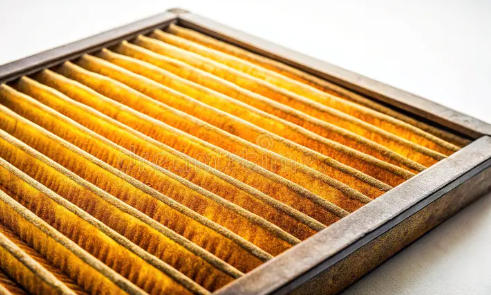
- Visible discoloration or heavy debris trapped in the filter grid
Neglecting cleaning for too long can even cause microbial growth, leading to health issues and unpleasant smells from HVAC circulation.
Preparation Before Cleaning
Before you begin washing a heavily soiled filter, proper preparation ensures safety and thoroughness.
Tools and Materials Needed
- A soft brush or vacuum cleaner with a brush attachment
- Mild detergent or air filter cleaning solution
- A large sink, bathtub, or outdoor hose area
- Microfiber cloths for drying
- Protective gloves and a mask (especially for allergy sufferers)
Important Safety Steps
1. Turn off the HVAC system completely before removing the filter.
2. Check your user manual for special washing instructions.
3. Never use harsh chemical solvents or acidic cleaners, which can damage filters.
4. Handle carefully, especially if the filter frame is aluminum or plastic mesh.
Step-by-Step: How To Clean a Heavily Soiled Washable Air Filter
This section explains the full cleaning process — ideal for both routine and deep cleaning of washable air filters.
Step 1: Remove the Filter
Carefully detach the washable air filter from its slot. Most filters slide out easily, but some use small latch locks. Avoid bending or twisting the mesh.
Step 2: Pre-Clean the Surface
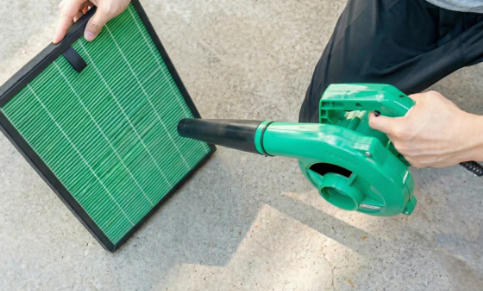
Use a vacuum cleaner with a brush attachment or a soft-bristle brush to remove loose dust and debris. This helps prevent sludge formation during washing and ensures a more even clean.
Step 3: Prepare the Cleaning Solution
Fill a bucket or basin with warm water (not boiling hot) and mix in a mild detergent. For heavy grease buildup — common in kitchen ventilation filters — you can add a small amount of white vinegar or baking soda to break down oils.
Step 4: Submerge and Soak
Place the washable air filter into the cleaning solution and let it soak for 15–30 minutes. Gently agitate the filter in the water to dislodge embedded contaminants. If it's extremely dirty, increase soaking time.
Step 5: Rinse Thoroughly
Use clean running water from a hose or faucet. Rinse from the opposite side of airflow direction to push out trapped particles. Continue rinsing until the water runs clear.
Step 6: Air Dry Completely
Shake off excess water and place the filter in a shaded area with good airflow. Avoid direct sunlight or high heat, which may warp plastic frames or fine aluminum meshes. Ensure the filter is fully dry before reinstalling to prevent mold growth.
Step 7: Reinstall
Insert the filter back into its original position following the right orientation arrows. Once securely in place, restart your HVAC system.
Tips for Optimal Maintenance
Regular maintenance can greatly extend the efficiency and lifespan of washable air filters.
- Frequency: Clean your washable air filter every 30 days during heavy usage seasons or at least once every 3 months for regular climates.
- Environment: Homes with pets, smokers, or nearby construction sites may need more frequent cleaning.
- Check airflow direction: Always reinstall the filter in the correct airflow direction to maintain system efficiency.
- Avoid over-cleaning: Excessive scrubbing can damage the filter mesh.
- Inspect for wear: After several years, even durable washable air filters might lose material integrity — replace when necessary.
Common Mistakes to Avoid
1. Using strong chemical detergents – These can degrade filter media.
2. Skipping drying time – Damp filters promote mold and bacterial growth.
3. Using high-pressure hoses – Can deform fine mesh or damage the structure.
4. Ignoring manufacturer recommendations – Each washable air filter type has its own cleaning tolerance.
5. Reinstalling incorrectly – Wrong airflow direction reduces performance by up to 40%.
How Washable Air Filters Improve Indoor Air Quality
A clean washable air filter significantly improves indoor air quality by trapping microscopic dust, pollen, pet dander, and even some airborne bacteria. Unlike disposable filters that rely solely on dense media, rechargeable filters often use electrostatic attraction to capture fine particles.
Consistent cleaning restores that electrostatic capability, ensuring high MERV (Minimum Efficiency Reporting Value) ratings and a cleaner breathing environment. Households with allergies or pets benefit most when filters are maintained monthly.
Eco-Friendly Aspect of Washable Air Filters
Compared with disposable filters, washable air filters provide remarkable environmental benefits. Instead of sending used filters to landfills every month, one washable filter can replace dozens over its lifespan. This not only reduces waste but also decreases energy use across the supply chain for filter manufacturing, packaging, and transport.
In a world prioritizing sustainability, switching to washable air filters aligns with eco-conscious living and long-term cost efficiency.
Troubleshooting: What If the Filter Stays Dirty After Washing?
If heavy grime remains after cleaning, try the following adjustments:
1. Extend the soaking duration by an additional 30 minutes.
2. Use slightly warmer water but avoid boiling temperature.
3. Add a few drops of degreasing detergent, especially for oily residues.
4. Use gentle back-flushing with a low-pressure spray nozzle.
If the dirt doesn't come off even after multiple washes, it may be time to replace the filter — particularly if the mesh material looks corroded or torn.
Conclusion
Cleaning a heavily soiled washable air filter is essential for maintaining healthy air quality, efficient system performance, and energy savings. With the right cleaning techniques and regular maintenance habits, you can extend the life of your filter for many years. Avoid harsh chemicals, always ensure complete drying, and clean at proper intervals to enjoy the full benefits of long-lasting, eco-friendly air filtration.
FAQ About Washable Air Filters
1. How often should I clean my washable air filter?
You should clean it once every 30–45 days if used continuously, or more frequently in dusty, humid, or pet-filled environments.
2. Can I use soap or detergent to clean my washable air filter?
Yes. A mild liquid detergent diluted in warm water is safe and effective. Avoid harsh chemicals such as bleach or acidic cleaners.
3. How long does a washable air filter last?
A high-quality washable air filter can last between 5 to 10 years with proper care and regular maintenance.
4. Can I dry my washable air filter in the sun?
No. Direct sunlight can warp frames or degrade the filter fibers. Always air dry in shaded, ventilated areas.
5. Is a washable air filter as effective as a disposable one?
Yes, when cleaned properly, washable air filters perform comparably to disposable types. Their reusability makes them both economical and environmentally friendly.


