Content Menu
● Understanding the CAPA Machine in Pharmaceutical Production
>> What Is a CAPA Machine?
● Why Distilled Water Matters in CAPA Systems
>> Water Contaminants and Their Risks
>> Purity Requirements in Pharmaceutical Equipment
● The Role of a Distillation Water Machine
>> How a Distillation Water Machine Works
>> Advantages of Distillation Water Machines
● Benefits of Using Distilled Water in CAPA Machines
>> 1. Enhanced Sterility
>> 2. Equipment Longevity
>> 3. Consistent Product Quality
>> 4. Energy and Maintenance Efficiency
>> 5. Compliance with International Regulations
● Everheal's Distillation Water Machine Solutions
>> Design and Technical Features
>> Integration with CAPA Systems
● Best Practices for Using Distilled Water in CAPA Equipment
● Global Demand for Distilled Water and Pharmaceutical Equipment
● Environmental and Cost Considerations
● Comparison: Distilled Water vs. Purified Water in CAPA Machines
● Conclusion
● FAQ
>> 1. What is the difference between a Distillation Water Machine and a purified water system?
>> 2. Can distilled water produced by Everheal's systems be used for injection?
>> 3. How often should a Distillation Water Machine be maintained?
>> 4. What materials are used in Everheal's Distillation Water Machines?
>> 5. Is using distilled water environmentally sustainable?
In the pharmaceutical manufacturing industry, water purity plays a vital role in ensuring the safety, efficacy, and stability of products. Among the different types of purified water, distilled water stands out as one of the most important in Critical Automated Process Applications (CAPA) such as sterilization, cleaning, and liquid filling. For pharmaceutical enterprises, understanding why distilled water is essential in CAPA machines is fundamental to maintaining compliance with international standards like GMP, USP, and EP.
Everheal, a leading Chinese manufacturer specializing in pharmaceutical equipment—including Distillation Water Machines, pure steam generators, purified water systems, and sterilization units—offers an integrated perspective on this crucial topic. This article explores the reasons behind using distilled water in CAPA machines, its production process, technical features, and the advantages it offers to pharmaceutical manufacturers globally.
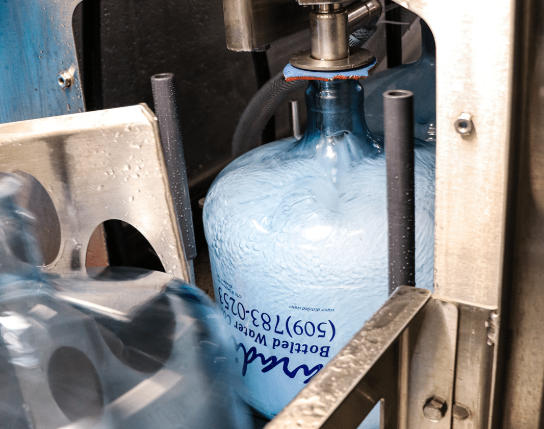
Understanding the CAPA Machine in Pharmaceutical Production
What Is a CAPA Machine?
CAPA (Corrective and Preventive Action) machines are designed to automate processes that ensure product quality and prevent deviations or contamination. In pharmaceutical environments, these machines often include:
- Liquid filling and sealing lines.
- Sterilization systems and autoclaves.
- Distillation and pure steam generation equipment.
- Clean-in-Place (CIP) and Steam-in-Place (SIP) systems.
In all these applications, water is the most frequently used medium—both as a solvent and as a cleansing or cooling agent. The quality of this water directly influences the integrity of the final pharmaceutical products.
Why Distilled Water Matters in CAPA Systems
Water Contaminants and Their Risks
Ordinary water, even after basic filtration, contains impurities like organic matter, bacteria, dissolved salts, and pyrogens. These contaminants can:
- Interfere with product composition.
- Initiate chemical reactions that alter active ingredients.
- Introduce endotoxins or microorganisms into the production line.
- Damage sensitive mechanical parts of the CAPA machine.
Using distilled water, produced by a Distillation Water Machine, removes nearly all impurities, ensuring that every cycle in a CAPA system runs under optimal hygiene and sterility conditions.
Purity Requirements in Pharmaceutical Equipment
Pharmaceutical processes must comply with strict water quality classifications, such as:
- Purified Water (PW): used for cleaning, dissolution, and non-parenteral formulations.
- Water for Injection (WFI): ultrapure water used for injectable products and final rinsing of production vessels.
Most CAPA systems, especially those involving sterilization or filling operations, require WFI-grade water. A Distillation Water Machine is the most reliable way to achieve this level of purity consistently.
The Role of a Distillation Water Machine
How a Distillation Water Machine Works
A Distillation Water Machine functions by heating feedwater until it vaporizes, then condensing the steam into pure liquid form. The process eliminates nearly all non-volatile contaminants because they either remain as residues or are separated through steam-phase purifiers.
Typical stages of operation include:
1. Pre-heating and Degassing – Removes dissolved gases and prepares water for vaporization.
2. Evaporation – Heats water to produce steam, leaving contaminants behind.
3. Droplet Separation – Uses demisters or baffles to prevent carryover of droplets or particulates.
4. Condensation – Converts purified steam back into liquid distilled water.
5. Storage and Distribution – Transfers distilled water to a sanitary holding tank for CAPA system use.
Advantages of Distillation Water Machines
- High level of purity: Removes 99.9% of microorganisms, pyrogens, and dissolved solids.
- Stable quality: Produces consistent WFI-grade water.
- Durability: Built with corrosion-resistant stainless steel (such as SS316L).
- Automation and control: Equipped with PLC-based systems for temperature, pressure, and conductivity monitoring.
Distilled water produced in this way perfectly matches the operational standards of sterilization and filling CAPA equipment.
Benefits of Using Distilled Water in CAPA Machines
1. Enhanced Sterility
Distilled water ensures that all sterilization and cleaning cycles in CAPA equipment remain free from biological contaminants. Since no organic matter or microorganisms are present, it reduces the risk of microbial growth in autoclaves or pipelines.
2. Equipment Longevity
Hard water or improperly purified water can cause scaling, corrosion, and clogging in critical components such as valves, pumps, and nozzles. Distilled water prevents mineral deposits, thereby extending the operational lifespan of CAPA machines.
3. Consistent Product Quality
During processes like liquid filling and sealing, even microscopic impurities can affect drug concentration or stability. Distilled water guarantees uniform quality, which is essential for maintaining batch-to-batch consistency and meeting GMP validation requirements.
4. Energy and Maintenance Efficiency
By preventing scale buildup, distilled water reduces the energy required to heat sterilization chambers and minimizes downtime for maintenance. This not only lowers operational costs but also ensures maximum uptime of production lines.
5. Compliance with International Regulations
Regulatory bodies such as the FDA, EMA, and WHO require pharmaceutical manufacturers to use high-quality distilled or purified water for sterile applications. Using a Distillation Water Machine ensures compliance and facilitates audit approvals for global exports.
Everheal's Distillation Water Machine Solutions
Design and Technical Features
Everheal's Distillation Water Machines are engineered for pharmaceutical, biotech, and cosmetic industries requiring high-purity water. Our systems feature:
- Modular multi-effect or single-effect configurations.
- Fully automatic PLC control with real-time monitoring.
- Sanitary design with SS316L contact parts and electropolished surfaces.
- Pyrogen-free steam separation and double condensation technology.
- Energy-saving heat recovery mechanisms.
These features allow clients to choose tailored solutions—from compact units for small laboratories to large-scale systems for industrial production.
Integration with CAPA Systems
Everheal's engineering team provides complete design and integration services, including:
- Layout planning for water and steam distribution loops.
- Automation and validation support for clean utilities.
- Compatibility with purified water, pure steam, and sterilization systems.
- Qualification packages (DQ, IQ, OQ, PQ) in accordance with GMP.
This integrated approach ensures that every drop of distilled water flows seamlessly through CAPA systems without contamination risk.
Best Practices for Using Distilled Water in CAPA Equipment
1. Periodic Validation: Test water quality regularly for conductivity, endotoxin levels, and microbial counts.
2. Sanitary Storage: Keep distilled water in insulated, sterile tanks equipped with vent filters and circulation loops.
3. Temperature Control: Maintain storage temperature above 80°C or ensure consistent circulation to prevent microbial growth.
4. Pipeline Design: Use orbital welding and slope designs to facilitate complete drainage and minimize dead legs.
5. Preventive Maintenance: Inspect and sanitize the Distillation Water Machine periodically to avoid scaling or leakage.
By following these guidelines, pharmaceutical companies can maintain a contamination-free environment and extend the efficiency of their CAPA systems.
Global Demand for Distilled Water and Pharmaceutical Equipment
As global pharmaceutical production expands, demand for distilled water and clean utility solutions is rising—especially in emerging markets across Asia, Africa, and the Middle East. More companies are switching from traditional RO (reverse osmosis) systems to Distillation Water Machines due to their ability to generate pyrogen-free water suitable for high-end applications like injectables.
Everheal's export success across more than 50 countries demonstrates this shift. Our systems are designed to meet international norms including WHO-GMP, EU GMP, and US FDA standards, ensuring pharmaceutical manufacturers achieve maximum reliability and compliance.
Environmental and Cost Considerations
Although distillation is energy-intensive, modern Distillation Water Machines apply innovative heat recovery and vapor compression technologies to minimize consumption. Multi-effect stills reuse latent heat from earlier stages, while pressure control systems optimize steam efficiency. These designs reduce total operating costs by up to 30% compared with traditional boilers.
Additionally, Everheal's machines are built for zero-discharge operations and full CIP/SIP capability, supporting sustainability initiatives in pharmaceutical manufacturing.
Comparison: Distilled Water vs. Purified Water in CAPA Machines
| Parameter | Distilled Water | Purified Water |
| Production Method | Distillation (vaporization & condensation) | Reverse osmosis, deionization, or filtration |
| Microbial Level | Extremely low | Low |
| Ionic Impurities | Almost none | Moderate |
| Pyrogen Removal | Complete | Partial |
| Regulatory Use | Injection, sterilization, aseptic areas | Formulation, cleaning |
| Typical Equipment | Distillation Water Machine | RO system, EDI unit |
This comparison highlights that distilled water—especially produced from a validated Distillation Water Machine—is indispensable for high-sterility CAPA systems.
Conclusion
Water quality defines the backbone of every pharmaceutical operation. In CAPA machines, where sterility, precision, and reliability are paramount, distilled water produced from a Distillation Water Machine ensures unparalleled purity and compliance. It safeguards products from contamination, protects complex machinery, and aligns production with global GMP standards. For innovators and manufacturers aiming for international excellence, using distilled water is not just a requirement—it is a commitment to product integrity and operational excellence.
FAQ
1. What is the difference between a Distillation Water Machine and a purified water system?
A Distillation Water Machine uses boiling and condensation to produce ultra-pure, pyrogen-free water, while a purified water system typically applies filtration and reverse osmosis. The former achieves higher sterility, making it ideal for CAPA applications.
2. Can distilled water produced by Everheal's systems be used for injection?
Yes. Everheal's multi-effect Distillation Water Machines are designed to meet international Water for Injection (WFI) standards, suitable for pharmaceutical and medical use.
3. How often should a Distillation Water Machine be maintained?
Routine maintenance should be carried out every 3–6 months. This includes checking heating elements, steam traps, and condenser tubing to ensure consistent efficiency and purity.
4. What materials are used in Everheal's Distillation Water Machines?
All product-contact parts are made of SS316L stainless steel with electropolished surfaces to ensure corrosion resistance, cleanability, and compliance with sanitary standards.
5. Is using distilled water environmentally sustainable?
Modern Distillation Water Machines use multi-effect and heat recovery designs that significantly reduce energy consumption, making them more sustainable than older models.


