Content Menu
● Understanding Honeywell Filter Types
● Safety Precautions Before Cleaning
● How To Access The Washable Filter
● Step‑By‑Step: Cleaning A Washable Pre‑Filter
>> Rinsing With Water
>> Using Mild Soap (If Allowed)
● Cleaning Washable Filters In Electronic Air Cleaners
● Avoiding Common Cleaning Mistakes
● Drying The Washable Filter Properly
● Cleaning Non‑Washable Prefilters And HEPA
● Reinstalling The Washable Filter
● How Often To Clean Your Washable Filter
● Extra Tips To Extend Filter Life
● Recognizing When A Washable Filter Should Be Replaced
● Troubleshooting After Cleaning
● Conclusion
● FAQ
>> 1. How do I know if my Honeywell filter is truly a washable air filter?
>> 2. Can I use soap or detergent when cleaning a washable air filter?
>> 3. What happens if I reinstall the washable air filter while it is still damp?
>> 4. Is it safe to wash a Honeywell HEPA filter like a washable air filter?
>> 5. How often should I clean or replace filters if the purifier runs every day?
● Citations:
Keeping a Honeywell air purifier's washable air filter clean is one of the simplest ways to maintain strong airflow, reduce noise, and keep indoor air quality stable over the long term. When a washable air filter is serviced correctly, the purifier does not have to work as hard, and the HEPA or other fine filters in the system stay cleaner for longer.
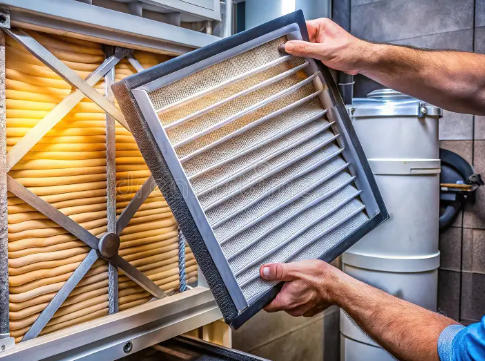
Understanding Honeywell Filter Types
Before touching any component, it is essential to understand that not every Honeywell filter is actually a washable air filter. Different models combine several filter stages, and each stage has its own maintenance rules.
- Washable or permanent pre-filter: Often foam, mesh, metal, or ifD‑type modules that are designed to be rinsed or washed.
- Replaceable pre-filter: Usually a thin carbon or fabric sheet that should be replaced rather than washed.
- HEPA filter or HEPA‑type filter: In many Honeywell purifiers these are non‑washable and must be replaced instead of being treated as a washable air filter.
- Electronic air cleaner cells: In some systems, metal cells and prefilters are washable, but they require specific handling and drying.
Always confirm the exact filter type and care instructions in the user manual or on the filter label. Only components clearly described as “washable”, “permanent”, or “washable air filter” should be cleaned with water.
Safety Precautions Before Cleaning
Cleaning a washable air filter always begins with safety. Ignoring basic precautions can risk both the appliance and personal safety.
- Turn the air purifier off and unplug it from the wall outlet.
- Press the power button once after unplugging to discharge any remaining energy.
- Wait several minutes before opening the filter compartment, especially with electronic air cleaner models.
- Move the unit to an area that is easy to clean (bathroom, balcony, utility room) or place it on newspaper or an old towel, because dust will likely fall out when the washable air filter is removed.
- Avoid working near open flames or heat sources, and never spray water directly into the powered unit.
Taking these steps ensures that the cleaning process for the washable air filter is controlled, safe, and efficient.
How To Access The Washable Filter
Once the purifier is unplugged and stable, the next task is to access the washable air filter safely.
1. Locate the filter door or grille, usually on the front or back of the unit.
2. Press the release tabs or gently pull the indicated edges to open the panel.
3. Slowly remove the outer pre-filter or panel. Behind it, you will see the washable air filter (if your model uses one) and possibly additional stages such as HEPA or carbon filters.
4. Note any arrows or labels on the frame that show airflow direction or “front/back”; this orientation must be maintained when reinstalling the washable air filter.
5. Carefully slide out the washable air filter, avoiding excessive bending or twisting, especially with metal or ifD style filters.
Handle every component with care. Rough handling can bend frames, loosen seals, or tear the surface of the washable air filter.
Step‑By‑Step: Cleaning A Washable Pre‑Filter
For Honeywell models that use a washable pre-filter, this part is usually the first line of defense against dust, hair, and larger particles. Proper cleaning keeps the washable air filter effective for many cycles.
Rinsing With Water
- Use lukewarm water, not hot water, to avoid warping or weakening the filter media.
- Hold the washable air filter under a gentle stream of water.
- When possible, rinse from the cleaner side toward the dirtier side. This helps push debris out instead of deeper into the filter pores.
- Continue rinsing until the water runs clear and no visible dust, hair, or debris remains on the washable air filter.
Using Mild Soap (If Allowed)
If the filter is heavily soiled and the manual allows detergent:
- Fill a basin or sink with lukewarm water and add a small amount of mild dish soap.
- Gently submerge the washable air filter and move it slowly through the water without aggressive bending.
- For stubborn patches, use a very soft brush or cloth with light pressure only.
- Avoid harsh detergents, bleach, solvent cleaners, or abrasive tools; they can permanently damage the washable air filter surface.
- Rinse thoroughly with clean water until all soap residue is removed.
The goal is to restore the washable air filter's airflow without rough treatment that could open up the fibers or mesh.
Cleaning Washable Filters In Electronic Air Cleaners
Some Honeywell electronic air cleaners use metal cells and prefilters that function as washable air filter components.
- Power down the system according to the manual and verify that power to the air handler or furnace is off.
- Remove the metal prefilters and electronic cells as instructed, supporting them with both hands.
- Rinse prefilters with lukewarm water; extremely dirty ones can be soaked in a mild detergent solution if the manual permits.
- For cells that are rated as washable, rinse thoroughly with low to moderate water pressure and avoid bending the plates.
- Never use aggressive pressure or harsh chemicals that can deform or corrode the metal parts.
- Allow all washable air filter components to dry completely before reinstallation.
Careful maintenance of these washable parts protects system efficiency and prevents dust blow‑by in whole‑house applications.
Avoiding Common Cleaning Mistakes
A surprisingly large number of problems come from treating every filter as a washable air filter. Some mistakes can immediately ruin a filter or silently reduce its efficiency.
- Do not wash a HEPA filter unless the manual clearly labels it as washable or permanent.
- Do not twist, wring, or fold a washable air filter to squeeze out water.
- Do not use high‑pressure water jets directly on the filter media.
- Do not use strong cleaning agents like bleach, alcohol, abrasive powder, or solvent‑based cleaners.
- Do not use hair dryers, ovens, radiators, or direct strong sunlight to speed up drying.
- Do not operate the air purifier with the washable air filter removed or with gaps around the frame.
Respecting these limits preserves the structure and filtration capability of the washable air filter over many maintenance cycles.
Drying The Washable Filter Properly
Drying is a critical stage that many users underestimate. A washable air filter must be completely dry before it goes back into the purifier.
1. Gently shake the filter over a sink or bathtub to remove as much water as possible without twisting.
2. Place the washable air filter upright on a clean, absorbent towel, with good airflow around it on all sides.
3. Select a well‑ventilated, dry place away from direct heat sources or strong sunlight.
4. Allow sufficient time for natural air drying; for thicker foam or mesh filters this can take 24–48 hours, and for metal parts in electronic cleaners it may vary.
5. Check manually that no moisture remains in the folds, corners, or frame areas.
Reinstalling a damp washable air filter can encourage mold and bacterial growth inside the purifier, create unpleasant odors, and potentially damage electronic components.
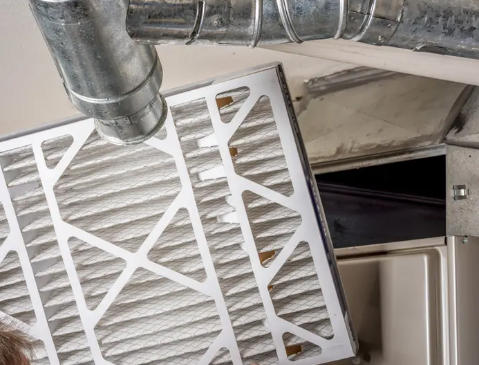
Cleaning Non‑Washable Prefilters And HEPA
In most Honeywell systems, certain components are specifically classified as non‑washable. They are not intended to be used as a washable air filter.
- Non‑washable HEPA filters: These should only be replaced on schedule. Some users lightly vacuum the surface with a soft brush attachment to remove loose dust, but this must be done gently and only if the manual allows it.
- Carbon or deodorizing pre-filters: These absorb gases and odors and cannot be washed. When saturated, they must be replaced.
- HEPA‑type disposable filters: These are also replaced rather than washed.
Mixing up washable and non‑washable elements is a frequent cause of poor performance, so always confirm whether a specific part is a true washable air filter.
Reinstalling The Washable Filter
Once the washable air filter is fully dry, it is ready to go back into the purifier. Proper reassembly ensures that all air passes through the filter media instead of leaking around the edges.
- Inspect the washable air filter under good lighting to confirm there are no tears, warps, or broken frames.
- Check that the gasket or sealing edge is intact.
- Align the arrows or labels on the filter frame with the airflow direction indicated inside the unit.
- Slide the washable air filter back into its guide rails until it is seated evenly on all sides.
- Reinstall any non‑washable filters (HEPA, carbon) in the correct order, ensuring each one clicks or sits properly into place.
- Close the front or back panel and make sure all latches or tabs are fully engaged.
- Plug the unit back in and turn it on, checking for normal airflow and noise levels.
- If your model has a filter or timer reset button, hold or press it as described in the user manual to clear the maintenance indicator.
Correct reassembly makes sure that the time invested in cleaning the washable air filter translates into real performance improvements.
How Often To Clean Your Washable Filter
The ideal cleaning frequency depends on room size, air quality, and how many hours per day the purifier runs. However, a few practical guidelines help build a consistent schedule:
- Inspect the washable air filter at least once a month.
- In lightly polluted environments or low‑usage scenarios, cleaning every 2–3 months may be sufficient.
- In homes with pets, heavy traffic pollution, smokers, or frequent cooking, expect to clean the washable air filter more frequently.
- For certain QuietClean or ifD‑based models, the manufacturer may recommend washing about every four weeks.
- For electronic air cleaners, prefilters and cells often need cleaning every 1–3 months under normal residential conditions.
Keeping a simple reminder in a calendar or phone ensures the washable air filter never reaches a fully clogged state that strains the fan and undermines filtration.
Extra Tips To Extend Filter Life
Daily habits can significantly impact how hard a washable air filter must work. Small changes often translate into longer life and better performance.
- Keep doors and windows closed when outdoor air quality is poor to reduce particle load.
- Vacuum carpets, rugs, sofas, and curtains regularly to minimize dust that would otherwise end up in the washable air filter.
- Position the air purifier away from direct floor dust sources such as entry mats or litter boxes.
- Avoid using strong household sprays or aerosols directly around the unit; volatile chemicals can stress carbon filters and internal components.
- Use appropriate fan speeds: higher speeds during pollution peaks, lower speeds for maintenance mode to reduce continuous high‑load stress on the washable air filter.
- Maintain a clean environment around the purifier, wiping the outer casing and air intake grille regularly.
These practices help the washable air filter and the entire purification system operate in a more balanced, efficient way.
Recognizing When A Washable Filter Should Be Replaced
Even the best washable air filter does not last forever. Over time, repeated cleaning and drying cycles slowly wear down the material.
Signs that a washable air filter may need replacement rather than another wash include:
- Noticeable tearing, cracking, or holes in the mesh or foam.
- Warped or bent frames that prevent an airtight fit.
- Persistent odors that remain even after thorough cleaning and drying.
- A surface that feels sticky, brittle, or excessively thin compared to when it was new.
- Rapid dust buildup immediately after cleaning, indicating that pores are too open to capture particles effectively.
If any of these signs appear, consult the manual or manufacturer for the correct replacement part and treat the new component as your next washable air filter, following the same careful maintenance routine.
Troubleshooting After Cleaning
Occasionally, users notice unusual behavior after reinstalling a washable air filter. Common issues can often be solved with simple checks.
- Increased noise: The filter or panel may not be seated correctly, leaving gaps that cause whistling. Remove and reinstall the washable air filter and grille carefully.
- Reduced airflow: The washable air filter may still be damp or not fully clean; verify dryness and consider a second, gentle rinse.
- Indicator lights still on: Many Honeywell models require a manual reset of the filter check or timer function. Consult the manual for the correct reset sequence.
- Odors: If a musty smell appears shortly after cleaning, the washable air filter may have been reinstalled with residual moisture. Remove it, dry it completely, and inspect the interior of the purifier for any damp spots.
By resolving these points, the freshly serviced washable air filter can deliver the expected clean‑air performance.
Conclusion
Cleaning a Honeywell air purifier washable air filter is a manageable task that pays off in cleaner air, quieter operation, and longer component life. By correctly identifying filter types, following safe shutdown procedures, gently rinsing only the true washable air filter components, and allowing ample drying time, users can keep their purifiers operating close to factory efficiency. Coupled with regular inspection, timely replacement of non‑washable elements, and thoughtful daily habits, this approach turns the washable air filter into a reliable, long‑term partner in maintaining healthy indoor air quality in homes, offices, clinics, and other sensitive environments.
FAQ
1. How do I know if my Honeywell filter is truly a washable air filter?
Check the user manual and look for labels printed on the filter frame such as “washable”, “permanent”, or “ifD washable”. Foam, mesh, metal, or ifD modules are often designed as a washable air filter, while thin carbon sheets and many HEPA elements are not. If there is no clear statement that the filter is washable, treat it as non‑washable and only replace or lightly vacuum it.
2. Can I use soap or detergent when cleaning a washable air filter?
Mild, non‑aggressive dish soap is usually acceptable for a washable air filter if the manufacturer allows detergent use. Only a small amount is needed, and the filter must be rinsed thoroughly until the water runs completely clear, with no soap bubbles. Harsh cleaners such as bleach, strong alkaline or acidic solutions, and solvent‑based agents should never be used on a washable air filter.
3. What happens if I reinstall the washable air filter while it is still damp?
Reinstalling a damp washable air filter can support mold and bacterial growth inside the purifier housing, which may create unpleasant odors and health concerns. Moisture trapped in the filter can also affect internal electronic components in some models. Always make sure the washable air filter is completely dry, including corners and frame areas, before returning it to service.
4. Is it safe to wash a Honeywell HEPA filter like a washable air filter?
Most Honeywell HEPA filters are not meant to be washed and do not function as a washable air filter. Washing a non‑washable HEPA cartridge can damage the microscopic fibers that capture particles, drastically lowering filtration efficiency even if the filter looks clean afterward. Unless the manual clearly describes the HEPA module as washable or permanent, it should be replaced instead of washed.
5. How often should I clean or replace filters if the purifier runs every day?
For daily use, it is wise to check the washable air filter about once a month and clean it roughly every 1–3 months, depending on dust levels, pets, and local air quality. Non‑washable HEPA and carbon filters are typically replaced on a 6–12 month cycle, but the exact interval depends on the model and usage conditions. Following the manufacturer's schedule while regularly cleaning the washable air filter keeps the entire system in balance.
Citations:
1. https://www.honeywellstore.com/store/news/how-to-clean-air-puriifer-filter-2023.htm
2. https://www.honeywellhome.com/blogs/support/electronic-air-filter-maintenance
3. https://aircare.best/how-to-clean-filter-honeywell-air-purifier/
4. https://manuals.plus/asin/B003RYTJ8K
5. https://airqualityhoneywellstore.com/content/f50%20-%20f300%20electronic%20air%20cleaner%20operating%20guide.pdf
6. https://www.honeywellconsumerstore.com/store/images/pdf/hfd-120-q-quiet-clean-tower-air-purifier-with-permanent-washable-filters.pdf


