Content Menu
● Understanding CPAP Machines and Humidification
● What Is Distilled Water?
● Why CPAP Machines Require Distilled Water
>> 1. Preventing Mineral Deposits
>> 2. Avoiding Microbial Growth and Contamination
>> 3. Extending Equipment Life
>> 4. Ensuring Patient Health and Comfort
>> 5. Maintaining Compliance with Medical Standards
● How a Distillation Water Machine Works
>> Step 1: Heating and Vaporization
>> Step 2: Condensation and Cooling
>> Step 3: Collection and Storage
>> Step 4: Quality Control and Monitoring
● Industrial Applications of Distilled Water
● Common Misconceptions About CPAP Water Use
>> Myth 1: Filtered or bottled water is safe enough.
>> Myth 2: Boiling tap water replaces distillation.
>> Myth 3: Small impurities won't harm the device.
● Everheal's Contribution: Advanced Distillation Water Machines
● Maintenance Tips for CPAP Users
● Environmental and Economic Perspectives
● Conclusion
● FAQ
>> 1. Can I use bottled water instead of distilled water in my CPAP machine?
>> 2. How often should I refill my CPAP humidifier with distilled water?
>> 3. What happens if I accidentally use tap water once?
>> 4. Can I make distilled water at home safely?
>> 5. Why should I choose Everheal's Distillation Water Machines for industrial applications?
For millions of people suffering from sleep apnea, Continuous Positive Airway Pressure (CPAP) therapy offers significant relief and improved quality of sleep. However, a crucial but often underestimated factor in maintaining the effectiveness and safety of CPAP machines is the type of water used in their humidifier chambers. Using distilled water rather than tap or purified water is not just a recommendation—it is a medical-grade standard that ensures both device longevity and patient health.
This article explores the importance of distilled water, the role of Distillation Water Machines in producing it, and the broader significance of water purity in healthcare and pharmaceutical applications.
Understanding CPAP Machines and Humidification
A CPAP machine delivers a constant, steady air pressure to help keep airways open during sleep. To prevent dryness or irritation in the throat and nasal passages, many devices include a humidifier that adds moisture to the airflow. This humidification chamber typically requires water to operate effectively.
However, not all water types are suitable for medical devices. Using the wrong kind of water—such as tap, spring, or even filtered water—can lead to the buildup of minerals, microbial contamination, and system malfunction over time. Therefore, distilled water remains the only safe and approved option for CPAP use.
What Is Distilled Water?
Distilled water is the purest form of water. It is produced by boiling water into steam and then condensing that steam back into a liquid. This process removes nearly all impurities, minerals, bacteria, and dissolved solids.
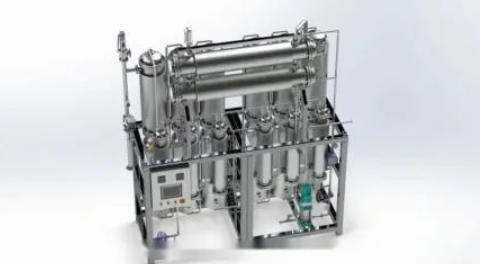
The equipment used for this purification process is known as a Distillation Water Machine. In simple terms, it replicates nature's hydrological cycle—evaporation and condensation—but in a controlled, sterile environment.
A typical Distillation Water Machine includes several main components:
- A boiling chamber to vaporize water.
- A condenser for cooling the steam.
- A collection system for gathering purified water.
- Optional sterilization or filtration elements to improve quality and consistency.
Companies like Everheal, specializing in pharmaceutical-grade distillation systems, design and build Distillation Water Machines that meet international purity standards (such as USP, EP, and CP). These systems are essential not just in hospitals or labs but also in home medical equipment applications—like CPAP humidifiers.
Why CPAP Machines Require Distilled Water
There are several scientific and practical reasons physicians and device manufacturers consistently advise users to use only distilled water in CPAP machines.
1. Preventing Mineral Deposits
Tap or spring water contains dissolved minerals such as calcium and magnesium. When this water is heated in a CPAP humidification chamber, these minerals form white, chalky deposits known as scale. Over time, these residues can:
- Reduce water chamber effectiveness.
- Block steam vents and reduce airflow.
- Corrode or stain internal parts.
Distilled water, on the other hand, is completely mineral-free, ensuring the humidifier chamber stays clean and fully operational. A Distillation Water Machine guarantees consistent production of mineral-free water, thereby protecting sensitive devices against scaling and corrosion.
2. Avoiding Microbial Growth and Contamination
Unpurified water can harbor bacteria, fungi, and viruses. CPAP humidifiers use warm water environments, which are ideal for microbial growth. These microbes may enter the respiratory system through inhaled air, leading to potential infections.
Since the distillation process involves boiling and condensation, it kills microorganisms and eliminates dissolved organic compounds. Thus, using distilled water minimizes health risks associated with contaminated sources and helps maintain the sterile integrity of the CPAP device.
3. Extending Equipment Life
Replacing CPAP components can be costly. Mineral scaling or microbial contamination can degrade the humidifier chamber and connecting tubes over time. Using distilled water consistently ensures the internal components remain free from corrosive elements and solid residues, extending their lifespan and performance.
Medical facilities and pharmaceutical production lines rely on industrial-grade Distillation Water Machines precisely for these reasons: consistent purity, reliability, and long-term cost efficiency.
4. Ensuring Patient Health and Comfort
Clean humidification improves sleep comfort, prevents nasal dryness, and supports consistent air pressure delivery. By removing harmful substances and minerals from the water, users can inhale pure, moisture-laden air, reducing irritation and potential allergic responses.
5. Maintaining Compliance with Medical Standards
Medical device manufacturers such as ResMed and Philips explicitly specify distilled water for humidifier use. Adherence to this standard maintains warranty validity and ensures alignment with FDA and ISO medical equipment safety requirements.
How a Distillation Water Machine Works
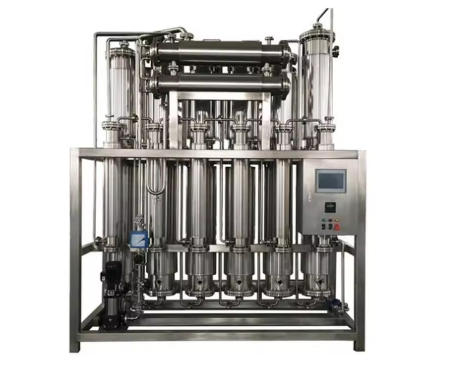
The process of generating distilled water may seem simple, but the technology behind industrial-grade equipment, such as those designed by Everheal, involves optimized control, automation, and compliance.
Step 1: Heating and Vaporization
The feedwater enters the boiling chamber, where it is heated until it vaporizes. During this stage, impurities, minerals, and bacteria remain in the boiling chamber as residues.
Step 2: Condensation and Cooling
The steam moves through a cooling coil or condenser, where it transforms back into liquid form. This new liquid represents pure distilled water—free from contaminants.
Step 3: Collection and Storage
The distilled water is then collected in a sterile tank, often made of stainless steel or pharmaceutical-grade materials, preventing recontamination.
Step 4: Quality Control and Monitoring
An advanced Distillation Water Machine includes sensors for temperature, conductivity, and steam flow, ensuring consistent purity output. Systems can produce Purified Water (PW), Water for Injection (WFI), or Pure Steam, depending on the specific pharmaceutical application.
For CPAP users, compact household distillers apply the same principle, ensuring the water entering their devices meets clinical-grade purity.
Industrial Applications of Distilled Water
The high purity level of distilled water makes it indispensable in various industries, particularly where contamination control and process stability are critical.
Key applications include:
- Pharmaceutical manufacturing: For injections, cleaning, and laboratory analysis.
- Healthcare: In autoclaves, humidifiers, and patient care devices.
- Cosmetics production: Ensures product safety and stability.
- Food and beverage industry: Used in ingredient preparation or sterilization.
- Laboratories: For accurate experimentation and analytical calibration.
In all these sectors, companies rely on Distillation Water Machines like those made by Everheal to guarantee that water purity meets GMP (Good Manufacturing Practice) standards.
Common Misconceptions About CPAP Water Use
Myth 1: Filtered or bottled water is safe enough.
Even though filtered or bottled water appears clean, most still contain dissolved minerals and organic matter. Over time, these can lead to scaling, bacterial growth, or chemical reactions inside the CPAP reservoir.
Myth 2: Boiling tap water replaces distillation.
Boiling kills microorganisms but does not remove minerals or chemical contaminants. Distillation achieves both sterilization and purification.
Myth 3: Small impurities won't harm the device.
Even minute mineral traces can accumulate quickly within a heated humidification chamber. Continuous use leads to reduced efficiency and possible equipment failure.
Everheal's Contribution: Advanced Distillation Water Machines
Everheal integrates decades of pharmaceutical engineering experience into the design and production of high-performance Distillation Water Machines and related systems, such as:
- Pure Steam Generators
- Multifunctional Distillation Units
- Sterilization Systems
- Water Treatment Skids and Filtration Lines
By combining precision engineering with GMP-compliant design, Everheal helps medical and industrial clients achieve consistent water purity for both large-scale and personalized healthcare applications—including CPAP device support.
Everheal's emphasis on customized layout planning and production line integration ensures seamless incorporation of water purification systems within factory infrastructure, boosting both efficiency and compliance.
Maintenance Tips for CPAP Users
Even when using distilled water, regular maintenance ensures proper hygiene and performance:
1. Empty and dry the chamber daily to prevent microbial buildup.
2. Replace distilled water every night for maximum freshness.
3. Clean the water chamber weekly using mild soap or a dedicated CPAP cleaning solution.
4. Avoid additives—never mix essential oils or cleaning agents into the water.
5. Store distilled water properly, ideally in sealed containers away from sunlight.
Following these practices protects the machine and enhances sleep therapy outcomes.
Environmental and Economic Perspectives
Using a home Distillation Water Machine brings long-term benefits compared to buying bottled distilled water repeatedly. While initial investment is higher, it offers:
- Reduced plastic waste and packaging usage.
- Consistent access to fresh water supply.
- Cost savings over time.
- Lower transportation emissions for sustainable living.
For industrial clients, Everheal's large-scale systems optimize resource consumption, heat recovery, and water recycling, aligning with modern sustainability objectives.
Conclusion
Distilled water plays a fundamental role in keeping CPAP machines safe, efficient, and hygienic. Mineral-free and microbe-free water not only extends equipment lifespan but also safeguards respiratory health. Whether for individual users or pharmaceutical manufacturing plants, the Distillation Water Machine serves as a reliable source of pure H₂O.
By using distilled water generated through advanced Distillation Water Machines, you ensure your CPAP device operates as intended—delivering restorative sleep without contamination risks. Companies like Everheal continue to lead innovation in water purification technology, supporting global healthcare and safe sleep therapy for all.
FAQ
1. Can I use bottled water instead of distilled water in my CPAP machine?
No. Most bottled water still contains minerals and chemicals. Only distilled water is free from residues that can damage your CPAP machine or affect your lungs.
2. How often should I refill my CPAP humidifier with distilled water?
You should refill it daily with fresh distilled water. Discard any remaining water from the previous night to prevent bacterial contamination.
3. What happens if I accidentally use tap water once?
Occasional use won't cause immediate damage, but mineral residues may start forming. Clean your humidifier thoroughly and switch back to distilled water immediately.
4. Can I make distilled water at home safely?
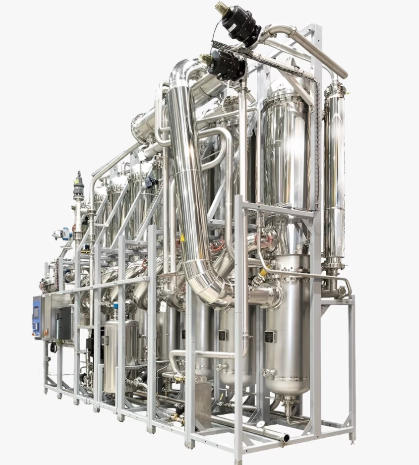
Yes. A home Distillation Water Machine allows you to produce pure water conveniently. It's a long-term, safe investment for CPAP users and household medical needs.
5. Why should I choose Everheal's Distillation Water Machines for industrial applications?
Everheal's systems meet pharmaceutical-grade standards, ensuring consistent distillation efficiency, energy savings, and compliance with international water purity requirements.


