Content Menu
● What Is Distilled Water?
● Why Distilled Water Matters for CPAP Machines
● Does Distilled Water Actually Expire?
● Risks of Using Expired Distilled Water in CPAP Machines
● How to Properly Store Distilled Water
● Industrial-Grade Distillation Water Machines
>> Key Advantages of Everheal's Distillation Water Machine:
● The Role of Pure Steam and WFI Systems
● Alternatives and DIY Options
● Best Practices for CPAP Water Replacement
● Conclusion
● FAQ
>> (1) How long does distilled water last?
>> (2) Can I boil tap water instead of buying distilled water?
>> (3) What should I do if I accidentally used expired distilled water?
>> (4) Can I store distilled water in a glass bottle?
>> (5) Why do hospitals rely on industrial distillation systems?
For anyone using a CPAP (Continuous Positive Airway Pressure) machine, maintaining proper hygiene and performance is critical. One question many patients ask is: *Can I use expired distilled water in my CPAP machine?* The short answer is no—it's not recommended. Distilled water is essential in keeping your CPAP unit clean and efficient, but once it's expired or improperly stored, it can pose risks to both your health and the machine itself.
In this article, we'll explore what distilled water is, why it matters for your CPAP machine, what happens when it expires, and how industrial-grade Distillation Water Machines like those from Everheal ensure the highest quality of purified water for medical and pharmaceutical applications.
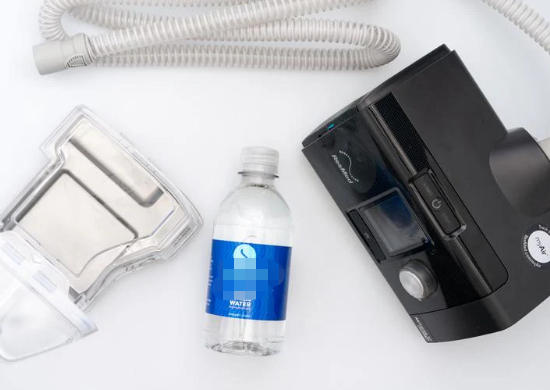
What Is Distilled Water?
Distilled water is created by boiling regular water to produce steam and then cooling the steam back into a liquid form. This process—known as distillation—removes minerals, salts, and most contaminants. The result is exceptionally pure water, free from dissolved solids and microorganisms.
Unlike filtered or purified water, distilled water has undergone complete phase separation, ensuring maximal purity. Pharmaceutical plants typically use a Distillation Water Machine to generate high-grade distilled water for applications requiring extreme cleanliness, such as IV fluid preparation, sterile rinsing, and cleanroom humidification.
Why Distilled Water Matters for CPAP Machines
A CPAP machine delivers continuous airflow through a mask, keeping airways open during sleep. Many models include a humidifier reservoir, where water vapor adds moisture to the air, preventing dryness and nasal discomfort. For this humidification system, only distilled water should be used.
Here's why:
- Avoid mineral buildup: Regular tap water or bottled water contains minerals. When heated, they form limescale deposits inside the CPAP's water chamber.
- Prevent bacterial contamination: Untreated or expired distilled water can harbor bacteria and fungi, especially if the container is left open.
- Protect the machine's sensors: Minerals and impurities can interfere with internal components, shortening machine lifespan.
A properly maintained Distillation Water Machine ensures that the water supplied for CPAP use remains sterile, consistent, and safe.
Does Distilled Water Actually Expire?
At first glance, pure water shouldn't “expire,” since it contains no organic components. However, in real-world conditions, storage containers and exposure to air introduce variables that make expiration relevant.
Factors influencing the expiration of distilled water include:
1. Packaging material: Plastic containers slowly leach compounds over time, subtly altering purity.
2. Storage conditions: Heat, sunlight, or microbial exposure can lead to contamination.
3. Manufacturing standards: Distilled water from an industrial Distillation Water Machine in a certified facility has longer stability than consumer-grade bottled versions.
Most commercial suppliers print an expiration date—typically one to five years after production—based on storage tests. After that period, the purity can't be guaranteed.
Risks of Using Expired Distilled Water in CPAP Machines
Expired distilled water might look clean, but invisible contaminants can accumulate. Using such water in your CPAP system may cause:
- Bacterial growth in the humidifier tank, leading to respiratory infections.
- Odor and residue that dull the air quality and irritate airways.
- Mineral or chemical contamination from degraded plastic packaging.
- Damaged equipment, as impurities stick to the water chamber and sensors.
In healthcare-grade environments, Distillation Water Machines prevent such risks by producing and delivering freshly distilled water directly to the point of use, minimizing storage time.
How to Properly Store Distilled Water
If you purchase or produce your own distilled water, proper storage is key to extending shelf life:
- Keep it sealed in airtight, BPA-free containers.
- Store in a cool, dark location to prevent algal growth.
- Avoid leaving the bottle open or reusing containers that previously held non-sterile liquids.
- Label each container with the production and expiration date for traceability.
For facilities using Everheal's Distillation Water Machines, the integrated system can continuously generate distilled water on demand, eliminating the problem of expiry altogether.
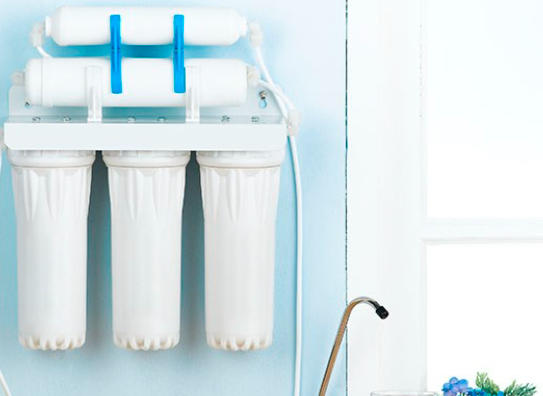
Industrial-Grade Distillation Water Machines
High purity distilled water production isn't limited to medical devices; it's a backbone of the entire pharmaceutical sector. Advanced Distillation Water Machines designed by Everheal apply multi-stage evaporation, condensation, and filtration techniques to ensure water meets pharmacopeia quality standards such as USP, EP, and JP.
Key Advantages of Everheal's Distillation Water Machine:
- Fully automated operation for continuous production.
- Stainless-steel contact surfaces resistant to corrosion.
- Integrated monitoring systems for temperature, pressure, and conductivity.
- Energy efficiency through multi-effect evaporation technology.
- Customizable capacity to fit both small clinics and large-scale manufacturers.
By producing distilled water fresh on site, pharmaceutical companies eliminate the need to store large volumes, ensuring every drop remains contamination-free.
The Role of Pure Steam and WFI Systems
Everheal's product range goes beyond traditional distillers. In modern pharmaceutical production, water systems often integrate Pure Steam Generators and Water for Injection (WFI) systems. These work in tandem with Distillation Water Machines to supply sterile environments for filling, sterilization, and validation processes.
Such integrated setups maintain continuous loops of purified water, guaranteeing that hospital and laboratory users—including CPAP maintenance stations—always access safe, fresh, and sterile water.
Alternatives and DIY Options
Some CPAP users may attempt to make their own distilled water using home appliances or improvised stills. While simple methods—boiling and condensing steam with clean glassware—can work in theory, household setups lack sterile collection environments.
If you rely on CPAP therapy daily, using professionally distilled water or water produced with a validated Distillation Water Machine from a trusted laboratory is the safest choice.
Best Practices for CPAP Water Replacement
To maintain the longevity of your equipment:
1. Replace the water daily and rinse the tank after each use.
2. Clean the humidifier chamber with mild soap weekly and air dry.
3. Never refill the humidifier with leftover or expired distilled water.
4. Inspect for discoloration, film, or debris before each refill.
5. Avoid tap, mineral, or bottled spring water at all costs.
Most importantly, remember that the cost of using fresh distilled water is minimal compared to replacing damaged CPAP components—or risking respiratory health.
Conclusion
Using expired distilled water in a CPAP machine is a small risk that can have significant consequences. Distilled water remains the gold standard for humidifier hygiene, but even the purest batch, if stored improperly or beyond its expiration, can become contaminated.
To guarantee safety and convenience, hospitals, clinics, and pharmaceutical plants should consider installing a professional Distillation Water Machine capable of producing sterile water on demand. With Everheal's advanced distillation technology and integrated plant layout planning, you can maintain consistent water purity, prolong equipment life, and ensure patient well-being with confidence.
FAQ
(1) How long does distilled water last?
Properly sealed distilled water typically lasts 1–5 years, depending on storage conditions and packaging quality. Industrially produced water from a Distillation Water Machine can remain stable even longer when stored in stainless steel tanks.
(2) Can I boil tap water instead of buying distilled water?
Boiling removes many microorganisms but not dissolved minerals. Only a Distillation Water Machine can remove ions, metals, and organic contaminants completely, making distilled water superior for CPAP use.
(3) What should I do if I accidentally used expired distilled water?
Clean your CPAP's water chamber immediately with warm, soapy water. Rinse thoroughly with fresh distilled water produced from a verified Distillation Water Machine before using it again.
(4) Can I store distilled water in a glass bottle?
Yes. Glass is preferable to plastic because it prevents chemical leaching. However, ensure the bottle is tightly sealed and sanitized before refilling from your Distillation Water Machine.
(5) Why do hospitals rely on industrial distillation systems?
Hospitals require consistent, pharmaceutical-grade water purity. Industrial Distillation Water Machines guarantee compliance with international medical standards and reduce contamination risk across sterilization and equipment cleaning processes.


