Content Menu
● Understanding Pure Steam Generators
>> Key Functions
● Growing Market Demand in Algeria
● Leading Pure Steam Generator Manufacturers and Suppliers in Algeria
>> 1. Everheal (China)
>> 2. Fedegari Group (Italy)
>> 3. BMT Medical Technology (Czech Republic)
>> 4. Steris Corporation (U.S.)
>> 5. Local Algerian Engineering Integrators
● Why Everheal Stands Out in the Algerian Market
>> 1. Customized Project Solutions
>> 2. High-Quality Materials and Engineering
>> 3. Energy Efficiency and Automation
>> 4. Compliance with International Standards
>> 5. Strong After-Sales and Local Partner Support
● Integration With Other Pharmaceutical Systems
● Choosing the Right Pure Steam Generator Supplier in Algeria
● Expanding Opportunities for Pure Steam Generator Exporters
● Conclusion
● FAQs about Pure Steam Generators
>> 1. What is a pure steam generator used for?
>> 2. How is pure steam different from industrial steam?
>> 3. Why are stainless steel materials important in pure steam systems?
>> 4. What maintenance does a pure steam generator require?
>> 5. How can Everheal support Algerian pharmaceutical companies?
In the fast-evolving pharmaceutical and biotechnology industries, the demand for pure steam generators is increasing rapidly across Africa—particularly in Algeria. These systems are essential for producing sterile, pyrogen-free steam used in sterilization, cleaning, and process heating applications. In this context, identifying trusted pure steam generator manufacturers and suppliers becomes essential for maintaining production reliability and compliance with international standards such as cGMP, USP, and EU guidelines.
As industrial modernization expands across Algeria, local and international firms are striving to strengthen their pharmaceutical infrastructure. Among these suppliers, Everheal, a leading Chinese manufacturer, stands out for its dedication to precision-engineered equipment, energy efficiency, and customized project solutions.

Understanding Pure Steam Generators
A pure steam generator is a device used to produce steam free from contaminants, chemicals, or non-condensable gases. Unlike industrial steam, pure steam is generated from purified water and used for sterilization processes where even trace impurities could compromise product safety.
Key Functions
- Sterilization: Used for sterilizing process vessels, distribution loops, filters, and air handling systems.
- CIP/SIP Systems: Integral for Cleaning-In-Place (CIP) and Sterilization-In-Place (SIP) operations in pharmaceutical manufacturing.
- Heat Transfer Medium: Pure steam transfers heat gently without risking contamination.
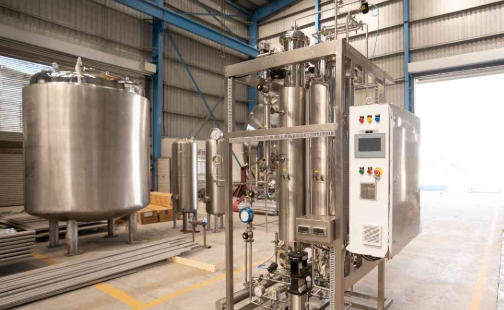
The operational core of a pure steam generator lies in its evaporator column, where feed water is converted into high-purity steam through thermal separation. This ensures the absence of endotoxins and conductivity levels well below pharmaceutical standards.
Growing Market Demand in Algeria
Algeria's pharmaceutical and biotechnology sectors have experienced significant growth over the past decade. The government's economic diversification initiatives encourage domestic drug production and medical equipment localization. Consequently, pharmaceutical manufacturers require reliable pure steam generator suppliers to establish GMP-compliant facilities.
Several factors drive this demand:
1. Expansion of domestic pharma production.
2. Rising export potential within the Middle East and Africa (MEA) region.
3. Stricter regulatory standards for product sterility and validation.
4. Infrastructure investments in healthcare and vaccine production.
In this landscape, suppliers offering integrated systems—from water treatment to sterilization—are gaining a competitive edge.
Leading Pure Steam Generator Manufacturers and Suppliers in Algeria
While Algeria imports many high-grade pharmaceutical systems, both local integrators and international vendors collaborate to meet the growing demand. Below is an overview of top-performing players in the market.
1. Everheal (China)
Everheal ranks among Asia's most trusted pure steam generator manufacturers and suppliers, with an expanding presence across Africa, including Algeria. The company specializes in advanced sterilization technologies, offering solutions such as:
- Pure steam generators.
- Multi-effect water distillers.
- Pure water generation systems.
- Liquid filling and sealing machines.
- Autoclave and sterilization units.
The company provides not just standalone equipment but end-to-end plant layout design, installation, and commissioning services, ensuring perfect integration into new or existing production lines.
Strengths of Everheal's Pure Steam Generators:
- Constructed with high-grade 316L stainless steel.
- Equipped with intelligent digital controls for pressure and conductivity monitoring.
- Energy-efficient operation with low condensate waste.
- Fully compliant with EU GMP, US FDA, and ISPE guidelines.
- Customizable design for pharmaceutical, biotech, and cosmetic factories.
Everheal's growing partnerships in Algeria and North Africa are facilitated by its engineering expertise and multilingual technical support, making it one of the leading pure steam generator suppliers in the region.
2. Fedegari Group (Italy)
Fedegari specializes in high-performance pure steam and sterilization systems widely adopted by global pharmaceutical industries. Their automatic control systems, innovative designs, and validation services make them ideal for large-scale installations.
However, given their European origin, project costs and lead times for Algerian clients can be comparatively high. Still, many multinational pharma companies prefer Fedegari for its proven GMP standards.
3. BMT Medical Technology (Czech Republic)
BMT Medical Technology offers a complete range of sterilization and clean steam generation solutions. Their equipment integrates seamlessly into pharmaceutical manufacturing facilities and hospitals. The company has established distributor networks across North Africa for customer support and maintenance.
4. Steris Corporation (U.S.)
Steris stands as one of the most recognized brands in the global sterile processing field. Their pure steam generators deliver pharmaceutical-grade steam suitable for autoclaves, pipelines, and critical systems. Although premium-priced, Steris systems are valued for durability and process control accuracy.
5. Local Algerian Engineering Integrators
Algeria also hosts several regional engineering firms that act as pure steam generator suppliers by collaborating with international OEMs. These integrators deliver local installation, commissioning, and maintenance, bridging technical expertise between foreign manufacturers and domestic buyers.
Some firms additionally provide utilities design, validation documentation, and after-sales training to ensure compliance with WHO and GMP validation protocols.
Why Everheal Stands Out in the Algerian Market
For Algerian buyers seeking both quality and value, Everheal offers a unique combination of technological excellence and flexible project execution.
1. Customized Project Solutions
Every pharmaceutical plant has unique production requirements and space constraints. Everheal provides full customization, adjusting equipment capacity, control systems, and layout to match customer demands. From pilot to high-volume manufacturing lines, the company ensures that every component—from the pure water system to the pure steam generator—works as an integrated system.
2. High-Quality Materials and Engineering
Everheal's pure steam generators are manufactured using pharmaceutical-grade 316L stainless steel, ensuring corrosion resistance and long-term reliability. Modern welding techniques, surface passivation, and rigorous inspections guarantee compliance with USP and EP standards.
3. Energy Efficiency and Automation
Everheal's systems are equipped with PLC control panels, digital sensors, and automatic feedwater correction systems. This leads to optimized energy consumption, minimal downtime, and precise conductivity monitoring. The result is lower operational costs and consistent steam purity.
4. Compliance with International Standards
Every unit meets or exceeds GMP, ISO 9001, and ASME BPE guidelines. Clients receive complete documentation packages for validation, including FAT (Factory Acceptance Test), SAT (Site Acceptance Test), and IQ/OQ documentation.
5. Strong After-Sales and Local Partner Support
Everheal collaborates with Algerian distributors and engineering partners to provide technical training, spare parts availability, and on-site validation support—ensuring long-term system performance and customer confidence.
Integration With Other Pharmaceutical Systems
Everheal's pure steam generator solutions are designed to integrate seamlessly with:
- Water for Injection (WFI) systems
- Pure water storage and distribution loops
- Autoclave sterilizers and reactors
- SIP/CIP modules
- Filling and sealing systems
This holistic approach ensures a turnkey pharmaceutical plant solution for clients seeking complete process reliability—from utility generation to product filling.
Choosing the Right Pure Steam Generator Supplier in Algeria
When selecting a reliable pure steam generator manufacturer or supplier, buyers should consider several critical aspects:
1. Material Certification: Ensure all contact parts meet 316L material grade with validated surface roughness.
2. Steam Quality Testing: Confirm compliance with EN 285 requirements for dry fraction, superheat, and condensate purity.
3. Energy Optimization: Evaluate steam efficiency relative to power consumption.
4. Technical Support: Availability of spare parts and technical documentation is essential.
5. Integration Capability: Verify compatibility with existing water systems and control infrastructure.
These criteria help pharmaceutical producers in Algeria secure dependable systems that support long-term operations and regulatory compliance.
Expanding Opportunities for Pure Steam Generator Exporters
The Algerian market presents a significant opportunity for international pure steam generator suppliers. Government incentives for local production, coupled with rising healthcare investments, create a fertile environment for equipment exporters.
Companies like Everheal are ideally positioned to serve these emerging needs by blending advanced Chinese engineering with localized project execution. Their competitive pricing, faster delivery, and flexible configuration models make them a preferred choice among North African clients.
Conclusion
The demand for high-quality pure steam generators in Algeria reflects the country's commitment to pharmaceutical excellence and industrial modernization. With major players like Everheal offering state-of-the-art systems and comprehensive project support, local manufacturers can enhance production safety, efficiency, and compliance.
As the market continues to expand, partnering with reliable and certified pure steam generator manufacturers and suppliers will be essential to achieving sustainable growth and global competitiveness.

FAQs about Pure Steam Generators
1. What is a pure steam generator used for?
A pure steam generator produces contaminant-free steam for sterilizing equipment, vessels, and production lines in the pharmaceutical and biotech industries. It ensures no endotoxins or impurities compromise product safety.
2. How is pure steam different from industrial steam?
Industrial steam may contain impurities, boiler chemicals, or dissolved gases, whereas pure steam is generated using purified water and designed for sterile applications under strict GMP conditions.
3. Why are stainless steel materials important in pure steam systems?
316L stainless steel prevents corrosion, ensures smooth surface finish, and avoids particle release, maintaining steam purity per global pharmaceutical standards.
4. What maintenance does a pure steam generator require?
Routine inspections include descaling the evaporator, checking conductivity sensors, verifying safety valves, and calibrating control systems to maintain purity and performance.
5. How can Everheal support Algerian pharmaceutical companies?
Everheal provides customized system designs, onsite project services, operator training, and long-term maintenance partnerships, helping Algerian clients build GMP-compliant facilities with reliable pure steam utilities.


