Content Menu
● What Is Distilled Water?
● Why CPAP Machines Need Distilled Water
● Methods to Make Distilled Water at Home
>> 1. Boiling and Condensation Method
>> 2. Using a Home Distillation Water Machine
>> 3. Solar Distillation Method
>> 4. Advanced Pharmaceutical-Grade Distillation Systems
● How to Store Distilled Water
● Maintaining Your Distillation Water Machine
● Safety Considerations
● The Benefits of Making Your Own Distilled Water
● How Much Distilled Water Does My CPAP Use?
● Choosing the Right Distillation Water Machine
● Environmental Perspective
● How Distilled Water Differs from Other Types of Water
● Conclusion
● FAQs About CPAP Distilled Water
>> 1. Can I use boiled water instead of distilled water in my CPAP machine?
>> 2. How often should I clean my Distillation Water Machine?
>> 3. Can bottled drinking water replace distilled water for CPAP?
>> 4. Is it safe to drink distilled water made for a CPAP machine?
>> 5. How long can I store distilled water?
Maintaining clean and safe water in your CPAP machine is essential for both your respiratory health and the lifespan of your device. Tap water often contains minerals, chemicals, and impurities that can damage the equipment or cause harmful deposits over time. That's why distilled water is the recommended option for all CPAP users. In this comprehensive guide, we will explain how to make distilled water safely at home, how Distillation Water Machines help in the process, and why using high-quality water is crucial for your CPAP system and well-being.
What Is Distilled Water?
Distilled water is purified water that has been processed to remove minerals, salts, and other contaminants through the process of distillation. During distillation, water is boiled and converted into vapor, leaving behind any solids or impurities. The vapor then condenses back into liquid form — now completely pure and safe to use.
Distilled water contains virtually no minerals, heavy metals, microorganisms, or organic compounds, making it ideal for medical applications like CPAP therapy, laboratory work, or pharmaceutical manufacturing.
Why CPAP Machines Need Distilled Water
A Continuous Positive Airway Pressure (CPAP) machine delivers constant airflow to help patients with sleep apnea breathe smoothly during sleep. Most CPAP systems use a humidifier chamber that adds moisture to the air, preventing dryness in the nose and throat.
Using non-distilled or tap water can cause several issues:
- Mineral buildup: Tap water contains calcium, magnesium, and other minerals that may accumulate inside the machine and humidifier chamber, creating white residue or scale.
- Bacterial growth: Impurities in unfiltered water may promote bacteria or mold growth inside the water tank.
- Health concerns: Inhaling contaminated vapor can irritate the respiratory system.
- Device damage: Long-term use of impure water can reduce efficiency and create maintenance problems.
Therefore, using distilled water ensures both hygiene and performance. The easiest and most reliable way to produce pure water is with a Distillation Water Machine.
Methods to Make Distilled Water at Home
While purchasing distilled water from a store is convenient, you can also produce it at home if you prefer complete control over purity and supply. Below are several methods — from simple kitchen setups to professional Distillation Water Machines used in medical and pharmaceutical facilities.
1. Boiling and Condensation Method
This is a traditional and low-cost approach that requires just basic tools:
Materials:
- A large stainless-steel pot
- A heat-resistant glass bowl
- Ice cubes
- A lid (placed upside down)
Steps:
1. Fill the pot halfway with tap water.
2. Place the glass bowl in the water, ensuring it floats but does not touch the bottom.
3. Invert the pot's lid and cover the pot.
4. Heat the water until it boils.
5. Place ice cubes on top of the inverted lid; this cools the steam, helping it condense into water droplets.
6. The condensed distilled water drips into the glass bowl.
This simple setup mimics the basic working principle of a Distillation Water Machine: heating, vaporizing, and condensation to separate pure water from contaminants.
2. Using a Home Distillation Water Machine
If you need a more efficient, automated, and safe solution, a Distillation Water Machine is ideal. These devices are specifically designed to purify tap water with minimal manual effort.
A standard unit includes a boiling chamber, condenser coil, collection tank, and filter (often carbon-based) to remove volatile organic compounds. Operating a household machine involves these simple steps:
1. Pour tap water into the boiling chamber.
2. Turn on the device; the water will heat and evaporate.
3. Steam passes through cooling coils where it condenses back into liquid form.
4. The purified water flows into the storage container.
High-grade Distillation Water Machines may produce 3–4 liters of distilled water per cycle. These machines are compact, energy-efficient, and provide consistent quality.
3. Solar Distillation Method
For eco-conscious users, solar-based processes offer an energy-saving alternative. This setup mimics the natural water cycle: sunlight heats water, vapor rises, and then condenses on a cool surface.
Process overview:
- Place a container of water under a transparent glass cover tilted toward a condensing collection tube.
- Sunlight heats the water inside.
- The vapor condenses on the glass surface and drips into the collection bottle as distilled water.
While this method is sustainable, it's slower and may not yield sufficient water for daily CPAP use. It's best used as a backup option rather than a primary supply.
4. Advanced Pharmaceutical-Grade Distillation Systems
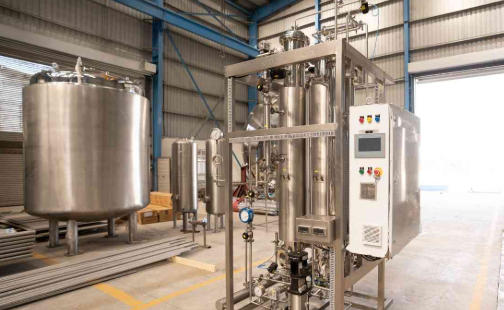
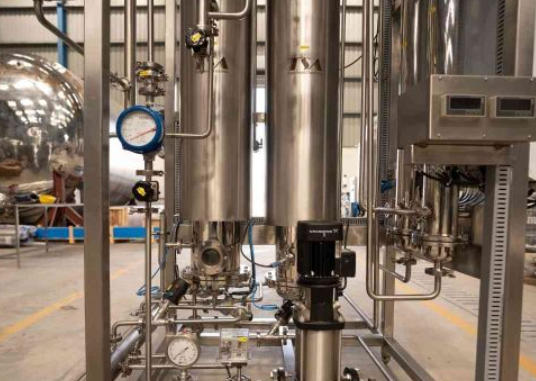
For medical or industrial applications, professional manufacturers like Everheal supply high-efficiency Distillation Water Machines, pure steam generators, and multi-effect distillers. These machines are designed for hospitals, laboratories, and pharmaceutical plants where water purity must meet USP and EP standards.
Such machines integrate:
- Automatic temperature and pressure controls.
- Multi-effect evaporation systems that recover waste heat for higher efficiency.
- 304/316L stainless steel components to prevent contamination.
- Fully automated control panels for continuous operation.
While these systems exceed personal CPAP water needs, they illustrate the scalability and technology behind industrial water purification.
How to Store Distilled Water
Once you've produced your distilled water, storage is important to preserve its purity.
Tips for storage:
- Use clean, BPA-free glass or stainless-steel containers.
- Avoid plastic bottles not labeled safe for distilled or purified water.
- Keep containers sealed tightly to prevent dust or airborne contamination.
- Store in a cool, dark place, away from direct sunlight.
Never pour unused water back into your distiller or CPAP tank. Instead, always use fresh, clean distilled water for each night's sleep therapy.
Maintaining Your Distillation Water Machine
Proper maintenance ensures consistent water quality and longevity for your distillation unit.
Maintenance steps:
- Descale regularly: Deposits from tap water can form scale inside the boiling chamber. Use vinegar or a manufacturer-recommended descaler.
- Clean collection tanks weekly to prevent bacterial growth.
- Replace activated carbon filters as directed by the manufacturer.
- Inspect heating elements for corrosion or discoloration.
High-quality Distillation Water Machines from trusted brands include features like self-cleaning programs, temperature control sensors, and alarm systems for maintenance reminders.
Safety Considerations
Distilled water is safe, but there are a few safety guidelines to follow during production:
- Never leave boiling systems unattended to avoid overheating.
- Use heat-resistant equipment only.
- Discard the first few ounces if you use old or unclean containers.
- Make sure the Distillation Water Machine is certified or compliant with electrical safety standards.
When used properly, these machines deliver reliable purity and consistent performance suitable for all medical or home health devices.
The Benefits of Making Your Own Distilled Water
Producing distilled water at home gives you complete control over water quality and supply reliability. The main advantages include:
- Guaranteed purity: You avoid chlorine, fluoride, and minerals present in municipal water.
- Cost savings: Over time, producing water yourself is much cheaper than buying bottles.
- Eco-friendly: Reduce plastic waste from single-use bottles.
- Equipment longevity: Your CPAP humidifier and tubing last longer without mineral scaling.
- Multi-purpose use: Distilled water can be used for irons, humidifiers, aquariums, and laboratory instruments.
By continuously using a Distillation Water Machine, you eliminate the need for frequent purchases and ensure uninterrupted supply for your CPAP machine at home or during travel.
How Much Distilled Water Does My CPAP Use?
A CPAP typically consumes 300 to 500 ml of water each night, depending on humidity settings and room conditions. Therefore, a 4-liter Distillation Water Machine can easily supply a week's worth of CPAP water.
If you use your device nightly, plan your production schedule to always have fresh distilled water available. Avoid using distilled water that's been stored for longer than one month, as any prolonged exposure to air can slightly reduce purity over time.
Choosing the Right Distillation Water Machine
When shopping for a Distillation Water Machine, consider the following factors:
- Capacity: Choose a model that matches your daily or weekly distilled water demand.
- Material quality: Stainless steel interiors resist corrosion and are easy to clean.
- Automation features: Some machines shut off automatically when the boiling cycle completes.
- Energy efficiency: Look for units that reuse heat from vapor condensation.
- Brand reliability: Manufacturers like Everheal offer pharmaceutical-grade machines with advanced features and long service life.
A well-built water distiller ensures consistent water quality, reduced maintenance time, and peace of mind for CPAP users.
Environmental Perspective
Unlike bottled distilled water, producing your own with a Distillation Water Machine can significantly reduce your carbon footprint. You eliminate the environmental cost of plastic packaging and long-distance transportation. When used efficiently (especially multi-stage or multi-effect distillers), energy consumption remains relatively low compared to industrial-scale systems.
Everheal's multi-effect distillers, for instance, reuse waste heat from the condensation cycle, minimizing energy loss and improving sustainability.
How Distilled Water Differs from Other Types of Water
| Type of Water | Purification Method | Contains Minerals | Suitable for CPAP? |
| Tap Water | Filtration and disinfection | Yes | No |
| Filtered Water | Carbon or membrane filtration | Some | Not recommended |
| Purified Water | Deionization or reverse osmosis | Very few | Sometimes |
| Distilled Water | Boiling and condensation | None | Highly recommended |
As seen above, distilled water is the purest and safest choice for protecting your CPAP humidifier and ensuring optimal air quality during sleep.
Conclusion
Using distilled water in your CPAP machine is one of the simplest yet most important steps in maintaining both your equipment and your health. Whether you produce it through a basic kitchen setup or with an advanced Distillation Water Machine, the principle remains the same: remove impurities, ensure purity, and protect your respiratory system.
Distillation is a time-tested, effective process trusted across industries — from laboratories to hospitals — for delivering water of unmatched purity. By investing in a reliable Distillation Water Machine, you'll enjoy cleaner sleep therapy, longer device life, and the peace of mind that comes from complete control over your water quality.
FAQs About CPAP Distilled Water
1. Can I use boiled water instead of distilled water in my CPAP machine?
Boiled water removes some bacteria but not dissolved minerals. Those minerals can still cause scale and deposits inside the machine, so it's not a substitute for true distilled water.
2. How often should I clean my Distillation Water Machine?
Clean it after every 3–5 uses or once a week. Regular maintenance prevents mineral buildup and keeps the unit efficient.
3. Can bottled drinking water replace distilled water for CPAP?
No. Bottled or filtered water may contain trace minerals that can cause scaling or microbial growth. Always use distilled water only.
4. Is it safe to drink distilled water made for a CPAP machine?
Yes, it's safe, though it lacks minerals and may taste flat. However, ensure it's stored in clean, food-grade containers before drinking.
5. How long can I store distilled water?
When sealed properly, distilled water can be stored for up to six months at room temperature. Avoid contamination by keeping containers tightly closed.


