Content Menu
● The Growth Of Vietnam's Pharmaceutical Industry
● Why Vietnam Is Emerging As A Pharmaceutical Manufacturing Hub
● Key Categories Of Pharmaceutical Equipment
● Leading Pharmaceutical Equipment Manufacturers And Suppliers in Vietnam
>> 1. Imexpharm Equipment Division
>> 2. Danameco Medical Joint Stock Corporation
>> 3. VinPharmTech Solutions
>> 4. OPC Pharmaceutical Machinery Division
>> 5. Everheal Pharmaceutical Equipment (China – Vietnam Partnerships)
● Everheal: A Reliable Partner For Turnkey Pharmaceutical Solutions
>> Product Highlights
● Custom Factory Design And Integration Expertise
● Quality Assurance And Global Compliance
● Market Trends And Future Outlook
● Conclusion
● FAQs About Pharmaceutical Equipment Manufacturers And Suppliers in Vietnam
>> 1. What are the main types of pharmaceutical equipment produced in Vietnam?
>> 2. Which international companies collaborate with Vietnamese manufacturers?
>> 3. Are Vietnam's pharmaceutical equipment suppliers GMP-certified?
>> 4. How does Everheal support pharmaceutical companies in Vietnam?
>> 5. Why choose Vietnam for sourcing pharmaceutical equipment?
The pharmaceutical industry in Vietnam is rapidly evolving, driven by the country's growing healthcare needs, expanding export markets, and increasing foreign investment. As the demand for modernized production facilities and advanced manufacturing systems grows, Pharmaceutical Equipment Manufacturers And Suppliers in Vietnam are stepping up to support both domestic and international pharmaceutical companies.
This article explores the leading pharmaceutical equipment producers in Vietnam, highlights their product offerings, and analyzes why Vietnam has become an attractive hub for pharmaceutical machinery manufacturing and sourcing. Additionally, it introduces Everheal — a trusted global partner specializing in purified water systems, sterilization solutions, and turnkey pharmaceutical projects.
The Growth Of Vietnam's Pharmaceutical Industry
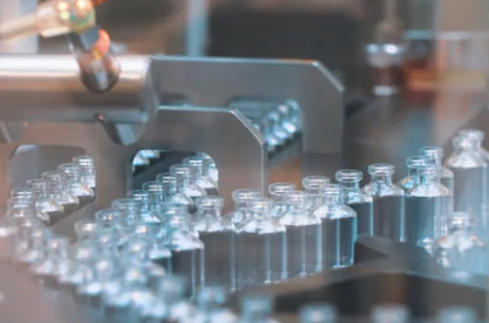
Vietnam's pharmaceutical industry has seen significant growth over the past decade. With a population exceeding 100 million and rising healthcare expenditure, the demand for quality medicines has surged. This growth is complemented by government initiatives encouraging investment in pharmaceutical research, manufacturing, and export.
As a result, both local and international Pharmaceutical Equipment Manufacturers And Suppliers have found Vietnam to be a strategic base for their operations. The country's infrastructure improvement, industrial zones, and growing pool of skilled engineers make it an ideal site for high-precision equipment manufacturing.
Why Vietnam Is Emerging As A Pharmaceutical Manufacturing Hub
Several factors contribute to Vietnam's rising importance in the global pharmaceutical equipment landscape:
- Competitive production costs: Compared to other Asian countries, Vietnam offers cost-effective manufacturing without compromising on quality.
- Skilled labor force: The workforce is increasingly specialized in mechanical, automation, and biochemical engineering.
- Free trade agreements (FTAs): Vietnam's participation in regional and global trade agreements facilitates equipment export and technology transfer.
- Government incentives: Tax benefits and investment-friendly regulations attract both domestic startups and foreign suppliers in the sector.
- Strategic location: Vietnam's proximity to China, Japan, and ASEAN markets enhances logistical efficiency for global supply chains.
Together, these factors enable both new and established Pharmaceutical Equipment Manufacturers And Suppliers in Vietnam to compete globally.
Key Categories Of Pharmaceutical Equipment
Pharmaceutical equipment encompasses a wide range of highly specialized machinery. In Vietnam, suppliers produce or import equipment covering the entire drug manufacturing process, including:
- Purified water systems for ensuring clean and compliant water sources.
- Pure steam generators used for sterilization and CIP/SIP processes.
- Distillation units such as multi-effect distillers or vapor compression systems for producing Water for Injection (WFI).
- Liquid filling and sealing machines for ampoules, vials, and bottles.
- Sterilizers and autoclaves for microbial control.
- Tablet press machines, granulators, and capsule fillers for solid dosage forms.
- Packaging lines including blister packing and labeling systems.
Among these, the production of purified water and sterilization equipment has become particularly strong in Vietnam, supported by partnerships with leading global technology providers such as Everheal.
Leading Pharmaceutical Equipment Manufacturers And Suppliers in Vietnam
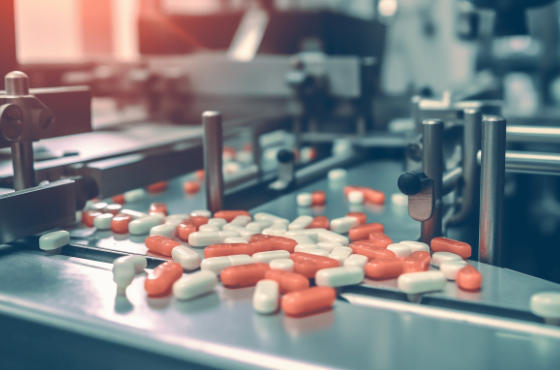
Below are some of the prominent Pharmaceutical Equipment Manufacturers And Suppliers operating in Vietnam. Each has a distinct specialization and plays an important role in supporting the country's pharmaceutical production capabilities.
1. Imexpharm Equipment Division
Imexpharm is one of the oldest and most reputable pharmaceutical manufacturers in Vietnam. Its equipment division focuses on the design, procurement, and maintenance of advanced pharmaceutical production lines. The company also collaborates with European and Asian suppliers to install high-tech systems for sterile manufacturing.
2. Danameco Medical Joint Stock Corporation
Danameco is well-known for its medical supplies and growing investment in pharmaceutical machinery systems. The firm provides equipment for sterilization, filling, and packaging that complies with GMP requirements. It also supplies cleanroom systems for pharmaceutical production facilities.
3. VinPharmTech Solutions
VinPharmTech serves as a major system integrator for pharmaceutical machinery in Vietnam. The company provides turnkey installations including purified water preparation systems, clean utilities, air handling units (AHUs), and filtration systems. They often collaborate with foreign technology firms for equipment customization.
4. OPC Pharmaceutical Machinery Division
Operating under OPC Pharmaceutical Joint Stock Company, this division designs and supplies production systems for solid dosage and liquid formulations. With R&D facilities in Ho Chi Minh City, OPC provides not just machinery but also production line validation services in accordance with GMP standards.
5. Everheal Pharmaceutical Equipment (China – Vietnam Partnerships)
Everheal, a trusted Chinese manufacturer and supplier, has established strong partnerships with Vietnamese pharmaceutical companies. Specialized in systems such as purified water generation, multi-effect distillation, pure steam generation, and liquid filling and sealing machines, Everheal delivers customized, turnkey solutions that meet stringent regulatory standards.
By combining Chinese engineering expertise with local Vietnamese production and installation networks, Everheal ensures high-quality, efficient, and GMP-compliant production systems tailored for both new factories and modernization projects.
Everheal: A Reliable Partner For Turnkey Pharmaceutical Solutions
Everheal's success in Vietnam stems from its ability to deliver fully integrated pharmaceutical plant solutions. The company goes beyond equipment supply — providing services such as factory layout design, process validation documentation, and after-sales technical training.
Product Highlights
- Purified Water Generation Systems: Designed to meet global pharmacopeia standards, these systems guarantee water quality suitable for drug preparation and sterilization.
- Pure Steam Generators: High-efficiency units for sterilization and SIP applications.
- Multi-Effect Distillation Units: Produce high-purity Water for Injection (WFI) with minimal energy consumption.
- Liquid Filling And Sealing Lines: Automated systems for aseptic production of vials and ampoules.
- Sterilization Systems And Autoclaves: Reliable solutions for critical sterilization processes across pharmaceutical production lines.
Each solution is engineered for compliance with GMP, FDA, and WHO guidelines, ensuring full regulatory alignment for manufacturers looking to expand their production capacity or build export-oriented facilities.
Custom Factory Design And Integration Expertise
One of Everheal's key differentiators among Pharmaceutical Equipment Manufacturers And Suppliers is its strength in factory design and layout optimization. The company collaborates with clients to:
- Optimize space for energy efficiency and workflow.
- Integrate HVAC, purified water, and clean steam systems.
- Ensure zoning and material flow align with GMP requirements.
- Provide technical documentation for qualification and validation.
This turnkey approach helps pharmaceutical factories reduce installation time, minimize production risk, and achieve faster GMP certification.
Quality Assurance And Global Compliance
In an industry where precision and compliance are non-negotiable, Everheal places great emphasis on quality assurance. All systems undergo factory acceptance tests (FAT) and site acceptance tests (SAT) before commissioning. The manufacturing processes comply with ISO 9001 and ISO 13485 standards.
Moreover, Everheal collaborates with local validation specialists in Vietnam to support clients through each stage of qualification — from design qualification (DQ) to operational qualification (OQ) and performance qualification (PQ).
Such commitment ensures Everheal's standing among the most dependable Pharmaceutical Equipment Manufacturers And Suppliers serving the Vietnamese market.
Market Trends And Future Outlook
The future of Vietnam's pharmaceutical manufacturing sector looks promising. Increased demand for high-quality medicines, government support for domestic researchers, and foreign investment in GMP-certified plants are driving the need for advanced machinery and systems.
Emerging technologies such as automation, clean-in-place (CIP) systems, and industrial IoT integration will define the next generation of pharmaceutical equipment. Pharmaceutical Equipment Manufacturers And Suppliers responding with digital monitoring, predictive maintenance, and energy-efficient systems will lead the market in the coming years.
Everheal, with its strong R&D and cross-border collaboration, is well-positioned to meet these future challenges by continuously innovating its product portfolio.
Conclusion
Vietnam's pharmaceutical sector continues to expand, offering promising opportunities for Pharmaceutical Equipment Manufacturers And Suppliers. Local companies are gaining technical expertise, while international manufacturers like Everheal are contributing global standards and engineering excellence to the region.
For pharmaceutical enterprises seeking high-quality, compliant, and cost-effective equipment, partnering with expert solution providers like Everheal offers a clear advantage. The future of Vietnam's pharmaceutical equipment industry is bright — built on collaboration, technology, and a commitment to global quality standards.
FAQs About Pharmaceutical Equipment Manufacturers And Suppliers in Vietnam
1. What are the main types of pharmaceutical equipment produced in Vietnam?
Vietnamese manufacturers and suppliers produce a wide range of systems, including purified water generators, filling machines, sterilization systems, and cleanroom equipment. Many import advanced components from Europe or China for integration.
2. Which international companies collaborate with Vietnamese manufacturers?
Several global companies, including Everheal from China, collaborate with local partners in Vietnam to deliver turnkey solutions, combining international technical expertise with local installation and maintenance networks.
3. Are Vietnam's pharmaceutical equipment suppliers GMP-certified?
Yes, most leading Pharmaceutical Equipment Manufacturers And Suppliers in Vietnam follow GMP, ISO, and CE standards. Equipment is manufactured and validated to meet international pharmaceutical regulations.
4. How does Everheal support pharmaceutical companies in Vietnam?
Everheal offers complete project solutions — from purified water system design and pure steam generation equipment to factory layout planning, installation, and post-sales technical training for operators.
5. Why choose Vietnam for sourcing pharmaceutical equipment?
Vietnam offers competitive pricing, skilled technicians, flexible production capabilities, and proximity to major Asian logistics hubs. These advantages make it an ideal base for sourcing pharmaceutical machinery.


