Content Menu
● What Is Distilled Water and Why CPAP Machines Need It?
>> Why Distilled Water Is Critical for CPAP Users
● How Distillation Works
● Methods to Make Distilled Water at Home
>> 1. Stove-Top Distillation Method
>>> Materials Needed:
>>> Steps:
>> 2. Using a Home Distillation Water Machine
>>> Benefits of Using a Distillation Water Machine:
>> 3. Using a Glass or Metal Condenser Setup
>>> Steps:
● How to Store Distilled Water Safely
● Why Choose a Professional Distillation Water Machine
>> Advantages of a Professional System:
● Step-by-Step Guide: Using a Distillation Water Machine for CPAP Water
● Environmental and Cost Benefits
● Tips for Maintaining CPAP Machines with Distilled Water
● Conclusion
● FAQ
>> 1. How often should I replace the distilled water in my CPAP machine?
>> 2. Can I use bottled or filtered water instead of distilled water?
>> 3. How long can I store homemade distilled water?
>> 4. What's the difference between distilled and purified water?
>> 5. Why is a Distillation Water Machine better than manual boiling?
Using a CPAP machine ensures effective treatment for sleep apnea, but keeping it clean and properly maintained is just as important. One essential part of that maintenance is using distilled water. For many users, buying distilled water repeatedly can be inconvenient or costly. The solution? Making your own distilled water at home.
This article will guide you through how to make distilled water safely for your CPAP machine, explain why distilled water is crucial, and explore how a Distillation Water Machine can simplify the process for long-term use.
What Is Distilled Water and Why CPAP Machines Need It?
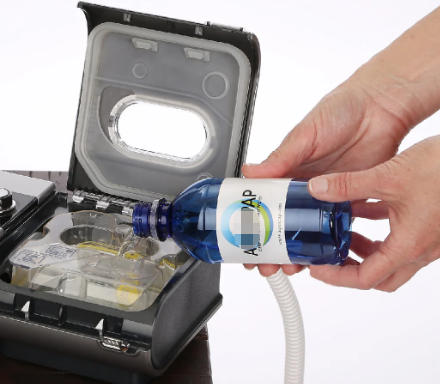
Distilled water is water that has been purified through distillation, a process that involves boiling water into steam and then condensing it back into liquid form. During this transformation, impurities, minerals, and contaminants are left behind, resulting in exceptionally pure water.
Why Distilled Water Is Critical for CPAP Users
A CPAP (Continuous Positive Airway Pressure) machine helps people with sleep apnea breathe normally during sleep. The machine typically includes a humidifier chamber where water is heated to add moisture to the air. Using distilled water in this chamber is essential for several reasons:
- Prevents mineral build-up: Tap water contains calcium, magnesium, and other minerals that can create scale deposits, damaging the machine's internal parts.
- Ensures hygiene: Distilled water prevents bacterial growth that could occur when impurities are present.
- Extends machine life: Reducing mineral residue means fewer cleanings and longer-lasting equipment.
- Improves air quality: Pure water ensures that the mist or vapor entering your airways is clean and safe.
Many professionals, including medical equipment experts, recommend distilled water exclusively for CPAP use.
How Distillation Works
Understanding how distillation works helps you appreciate the simplicity behind it. The process is based on the phase change principle:
1. Boiling: Water is heated until it turns into vapor.
2. Vapor transfer: The steam moves to a separate area, leaving contaminants behind.
3. Condensation: The steam cools and returns to liquid form—this condensed liquid is distilled water.
This method has been used for centuries to purify water, produce pharmaceuticals, and ensure laboratory-grade purity.
Methods to Make Distilled Water at Home
There are several ways to make distilled water at home for your CPAP machine. The method you choose depends on your available tools, desired volume, and convenience.
1. Stove-Top Distillation Method
This is one of the easiest ways to make small batches of distilled water.
Materials Needed:
- A large stainless steel pot with lid
- A heat-resistant glass bowl
- Ice cubes
- Tap water
Steps:
1. Fill the large pot halfway with tap water.
2. Place the glass bowl inside so it floats (do not let it touch the bottom).
3. Place the lid upside-down on top of the pot.
4. Pour ice cubes on the inverted lid.
The difference in temperature makes the water vapor condense on the lid and drip into the bowl.
5. Heat the water to a gentle boil for 40–60 minutes.
6. Remove the bowl carefully once cool—the collected water is distilled.
This method is ideal for producing small amounts for daily CPAP use.
2. Using a Home Distillation Water Machine
If you use a CPAP machine regularly, manual distillation can become time-consuming. In this case, investing in a Distillation Water Machine is the best solution.
A Distillation Water Machine performs automatic boiling, condensing, and collection, producing high-purity distilled water efficiently.
Benefits of Using a Distillation Water Machine:
- Automation: Just fill it with tap water and switch it on—no need to monitor constantly.
- Purity consistency: Delivers medical-grade distilled water every time.
- Safety: Built-in temperature and auto-off features prevent overheating.
- Capacity: Can produce 3–4 liters per cycle, enough for several days of CPAP use.
- Durability: Machines made with stainless steel resist corrosion and ensure long-term reliability.
Brands like Everheal offer professional-grade distillation systems suitable not only for personal use but also for hospitals, laboratories, and pharmaceutical companies.
3. Using a Glass or Metal Condenser Setup
If you need larger volumes, a condenser setup is effective and scientifically elegant.
Steps:
1. Connect a heat-resistant tube between a boiling chamber and a condenser.
2. Heat the source water until it turns into vapor.
3. Let the vapor flow through the tube into the condenser coil.
4. The coil, often surrounded by cool water, condenses the steam into distilled water.
This method mimics industrial distillation systems. It is more complex but can produce high-quality water in larger amounts, ideal for users managing multiple CPAP machines or medical devices.
How to Store Distilled Water Safely
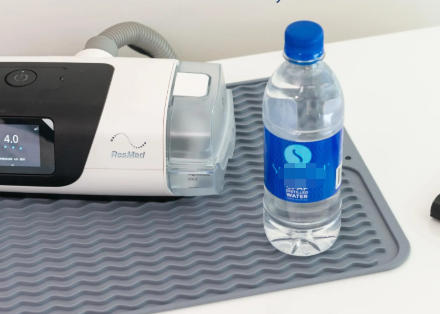
After distillation, proper storage ensures the purity of your water remains intact.
- Use glass or BPA-free plastic containers: Avoid metal containers, as they can reintroduce impurities.
- Seal containers tightly: Prevent dust and airborne particles from contaminating the water.
- Store in a cool, dark place: Heat and light can foster bacterial growth even in clean water.
- Label and date your bottles: Use distilled water within a week for CPAP purposes to maintain hygiene.
Why Choose a Professional Distillation Water Machine
While homemade methods work, they have limitations—small batch sizes, time consumption, and inconsistent purity. A Distillation Water Machine from a professional manufacturer like Everheal provides laboratory-standard water quality and efficient operation.
Advantages of a Professional System:
- Multi-layer purification: Removes minerals, bacteria, and endotoxins.
- Energy efficiency: Optimized heating elements reduce power consumption.
- Custom designs: Systems can be tailored for specific factory or lab requirements.
- Durable build: Stainless steel tanks and condensers prevent contamination and corrosion.
If your facility or home requires a continuous supply of purified water—for CPAP, laboratory, or pharmaceutical applications—a commercial-grade distillation system is a valuable investment.
Step-by-Step Guide: Using a Distillation Water Machine for CPAP Water
1. Fill the chamber with cold tap water up to the recommended level.
2. Switch on the distillation cycle. The device will automatically heat the water to boiling point.
3. Condensation begins. The internal cooling fan or condenser turns steam into liquid.
4. Collection: Distilled water flows into a sterile container.
5. Cool and store: Allow water to cool before transferring to your CPAP humidifier tank.
Regular maintenance—like cleaning residue after several uses—keeps your machine operating efficiently and extends its lifespan.
Environmental and Cost Benefits
Making distilled water at home or using a Distillation Water Machine reduces plastic waste from bottled distilled water. Over months of CPAP use, this can save hundreds of bottles. Moreover, while an initial investment might seem high, the long-term savings from producing your own purified water are significant.
For frequent CPAP users, this approach aligns with both eco-friendly living and budget efficiency.
Tips for Maintaining CPAP Machines with Distilled Water
- Empty the water chamber daily to avoid bacterial growth.
- Clean the humidifier weekly with mild soap and distilled water.
- Avoid tap or bottled water, which may contain minerals or chlorine.
- Run a cleaning cycle if your CPAP model supports it.
- Use fresh distilled water each night for best performance.
Following these practices extends your device lifespan and ensures clean, comfortable therapy sessions.
Conclusion
Distilled water is essential for maintaining your CPAP machine's performance, ensuring clean humidification, and protecting your health. Whether you prepare it manually or invest in a Distillation Water Machine, understanding the distillation process helps you make informed, sustainable choices.
For home users seeking convenience, an electric Distillation Water Machine offers the perfect balance between purity, efficiency, and reliability. For professionals or institutions, large-scale systems from manufacturers like Everheal deliver consistent pharmaceutical-grade water for diverse applications.
With the right approach, you can enjoy effortless breathing each night—powered by the purity of distilled water.
FAQ
1. How often should I replace the distilled water in my CPAP machine?
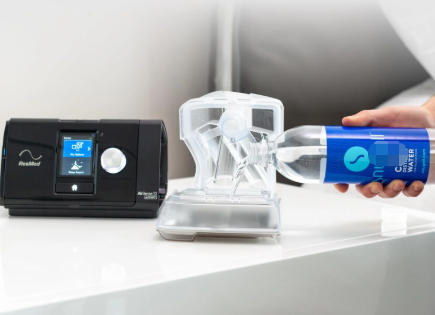
You should replace the distilled water daily. Leaving water in the humidifier overnight allows bacteria or mold to grow, even in clean water.
2. Can I use bottled or filtered water instead of distilled water?
No. Bottled or filtered water still contains minerals and chemicals that can cause residue buildup in the CPAP machine. Always use distilled water for optimal hygiene.
3. How long can I store homemade distilled water?
Store distilled water in a clean, sealed container for up to one week in a cool, dark location. Avoid placing it near sunlight or heat sources.
4. What's the difference between distilled and purified water?
Purified water goes through filtration but may still contain dissolved solids. Distilled water is produced through evaporation and condensation, which removes nearly all impurities, making it ideal for CPAP use.
5. Why is a Distillation Water Machine better than manual boiling?
A Distillation Water Machine ensures uniform purity, operates automatically, saves time, and provides medical-grade water. It's safer, faster, and more consistent than boiling water manually.


