Content Menu
● How Cruise Lines Support CPAP Users
● Ways to Obtain Distilled Water on a Cruise
● Using a CPAP Machine Safely on a Cruise
● Why Distilled Water Is Recommended for CPAP
● Multi Function Distillation Water Machine in Maritime and Medical Contexts
● Practical Pre‑Cruise Checklist for CPAP Users
● Conclusion
● FAQ
>> 1. Do all cruise ships provide distilled water for CPAP machines?
>> 2. Can I bring my own distilled water on a cruise?
>> 3. Is tap water on the ship safe to use in my CPAP machine?
>> 4. How is distilled water for CPAP produced on ships or in medical facilities?
>> 5. What should I do before my cruise if I depend on a CPAP machine?
● Citations:
Most large cruise lines can provide distilled water for CPAP machines, especially when guests submit a medical or special‑needs request before sailing. Many brands also allow passengers to bring their own sealed distilled water in carry‑on luggage, treating it as a medical necessity rather than a regular beverage.[1][2][3][4][5]
The availability and cost of distilled water can differ between cruise companies. Several popular lines supply a complimentary gallon for CPAP users, while others sell distilled water at a modest per‑gallon price that can be ordered in advance or through in‑room services. Because policies may change, CPAP users should always confirm the latest rules directly with their cruise line before departure.[4][5][6][7][9]
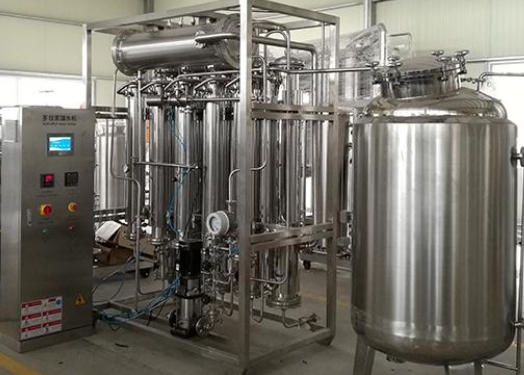
Cruise ships generate or source distilled water through technical water‑treatment systems, which often follow the same principles as industrial distillation units used in hospitals and pharmaceutical plants. In many land‑based facilities, a Multi Function Distillation Water Machine plays a central role in producing high‑purity distilled water and pure steam, and similar multi‑stage distillation concepts can also be applied at sea.[10][11][12]
A Multi Function Distillation Water Machine heats feedwater to create steam, then condenses that steam to remove dissolved minerals, salts, and a wide range of contaminants. This process delivers consistent water quality that is well suited for sensitive medical devices like CPAP humidifiers, as well as sterilizers, pure steam generators, and other critical equipment.[11][12][13][10]
While passengers only see a simple jug labeled “distilled water,” there is often advanced engineering working in the background. When cruise operators partner with suppliers that design Multi Function Distillation Water Machines to pharmaceutical standards, they help ensure that the distilled water available for CPAP machines aligns with strict purity expectations similar to those used in medical and laboratory environments.[12][10][11]
How Cruise Lines Support CPAP Users
Many cruise lines explicitly state that CPAP machines are allowed on board and should be treated as medical devices. Guests are usually encouraged to complete a “special needs” or “accessibility” form at least several weeks before sailing to document their CPAP use and distilled‑water requirements. This early notice gives the ship time to prepare supplies, note the request on the reservation, and arrange for an approved extension cord if needed.[5][1][4]
In practice, CPAP users report that stateroom attendants often deliver a sealed gallon of distilled water and an extension cord to the cabin on embarkation day. On some lines this service is complimentary, while on others there may be a small fee per gallon, especially where distilled water is ordered via an onboard beverage or amenities menu.[3][6][7][1][5]
From an operational standpoint, the ship's hotel and medical teams must coordinate storage and distribution of distilled water so that CPAP users receive clean, clearly labeled supplies. When an operator uses centralized distillation systems based on Multi Function Distillation Water Machine technology, staff can draw from a large, reliable reservoir of high‑purity distilled water rather than depending only on bottled stock loaded in port.[3][5][10][11][12]
A Multi Function Distillation Water Machine can be configured to support multiple outputs, including distilled water for medical devices and pure steam for sterilization systems. On cruise ships with enhanced medical centers or long itineraries, this integrated approach allows a single piece of equipment to serve CPAP users, autoclaves, and other sterile applications, while meeting tight space and energy constraints.[10][11][12]
Ways to Obtain Distilled Water on a Cruise
CPAP users typically rely on three main methods to secure distilled water during a cruise. Each approach has advantages depending on personal preferences, luggage limits, and specific cruise‑line policies.[6][4][5][3]
- Requesting distilled water in advance: Many lines allow guests to declare CPAP use and ask for a gallon of distilled water through an online special‑needs form or by contacting the accessibility department. The distilled water is then delivered to the cabin around embarkation, and additional supplies can usually be requested from the stateroom attendant if needed.[1][4][5][3]
- Bringing personal distilled water: Most cruise lines permit travelers to bring their own sealed distilled water for medical use in carry‑on luggage. Guests often label the container as “for CPAP use,” and security staff are generally familiar with CPAP‑related supplies.[2][8][5][1]
- Purchasing distilled water on board: Some brands sell one‑gallon containers of distilled water via in‑room dining or pre‑cruise order forms. Prices are usually modest on a per‑gallon basis, but guests should check whether there is a limit per cabin or sailing.[7][6]
Behind these options, the distillation process itself remains the same: water is boiled, steam is collected, and the condensate is stored as distilled water. A Multi Function Distillation Water Machine used in a land‑based pharmaceutical plant follows this exact principle, but with multiple columns, advanced controls, and integrated monitoring to support continuous production. Cruise lines that rely on similar multi‑stage distillation concepts can respond more flexibly to passenger demand for CPAP‑grade distilled water.[13][11][12][10]
Using a CPAP Machine Safely on a Cruise
Travelers are usually advised to carry CPAP machines as hand luggage rather than checking them, both for flights and for embarkation. Keeping the device with the passenger reduces the risk of damage or delays and makes it easier to set up the machine soon after boarding. Many experienced cruisers also pack a copy of their prescription or a brief doctor's note, which can help when dealing with security or customs officers.[5]
Inside the cabin, power outlets may not be located directly beside the bed, especially on older ships. As a result, cruise lines often provide approved extension cords for CPAP users, because guest‑supplied power strips with surge protection are frequently restricted for fire‑safety reasons. Passengers should arrange the cord so it does not create a tripping hazard and position the CPAP device on a stable surface where the humidifier cannot easily spill while the ship is moving.[1][5]
From a hygiene perspective, distilled water does not sterilize the equipment but significantly reduces mineral deposits and impurity buildup. Using hard tap water can lead to scaling and residue inside the humidifier chamber and tubing, which may shorten the life of the device and make cleaning more difficult. Distilled water produced by a Multi Function Distillation Water Machine is particularly valuable for frequent or long‑term CPAP users because of its consistently low mineral content and microbial load.[14][11][12][13][10]
Regular cleaning remains essential even when distilled water is used. Most manufacturers recommend emptying the humidifier chamber daily, allowing it to dry, and following a weekly schedule for washing masks and tubing with suitable cleaning agents. For travelers, combining these routines with reliable distilled water can help maintain CPAP performance throughout a multi‑week voyage.[15][13][5][10]
Why Distilled Water Is Recommended for CPAP
Distilled water is recommended for CPAP humidifiers because it contains very low levels of dissolved minerals such as calcium and magnesium, which are common in tap water. When regular tap water is used, evaporation in the humidifier chamber leaves these minerals behind, leading to visible scaling, residue, and potential discoloration.[13][14][10]
Over time, mineral buildup can affect not only the appearance of the chamber but also sensors, seals, and other components that are designed to work with clean water. Some tap sources may also contain trace metals or organic compounds that are undesirable in an aerosolized context, even though they are acceptable for drinking. Distilled water generated by a Multi Function Distillation Water Machine has passed through boiling and condensation stages that remove most of these substances, resulting in a very low‑conductivity, high‑purity product.[11][12][14][10][13]
In pharmaceutical and hospital applications, Multi Function Distillation Water Machines are used to produce water for injection (WFI) and pure steam, both of which are subject to stringent quality requirements. When similar technology or design concepts are applied in maritime environments, the resulting distilled water can meet or approach these high standards, providing reassurance to CPAP users who rely on stable, predictable water quality.[12][10][11]
For CPAP travelers, the key point is that distilled water protects the device and helps maintain consistent humidification performance. On a cruise, having access to distilled water supported by Multi Function Distillation Water Machine‑style distillation technology means travelers can enjoy the same level of comfort and peace of mind they expect at home.[10][11][12][13]
Multi Function Distillation Water Machine in Maritime and Medical Contexts
A Multi Function Distillation Water Machine is engineered to supply both high‑purity distilled water and pure steam for critical uses. In a pharmaceutical facility, this single system can feed washing equipment, autoclaves, clean steam generators, and multiple points of use that require different flow rates throughout the day. Similar principles can benefit cruise ships that host medical centers, diagnostic equipment, and large numbers of passengers with specific medical needs.[11][12][10]
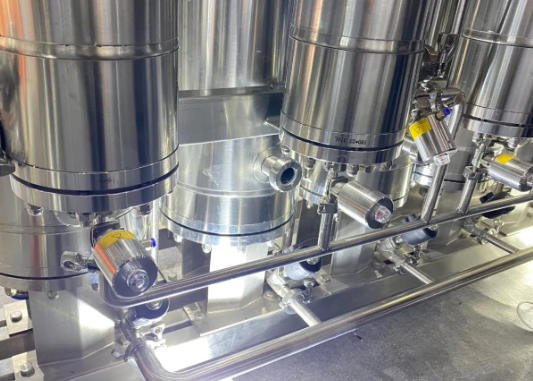
These machines typically employ stainless steel construction, automated controls, and built‑in monitoring instruments that track parameters like conductivity and temperature. Automation allows the Multi Function Distillation Water Machine to ramp production up or down according to demand, while alarms warn operators about feedwater issues or out‑of‑spec conditions.[12][10][11]
In a maritime scenario, a centralized distillation unit based on Multi Function Distillation Water Machine technology can integrate with the ship's broader water‑treatment system. This arrangement enables the production of high‑purity distilled water not only for CPAP machines but also for sterilization, laboratory analysis, and other medical services available onboard. As cruise lines continue to attract older and more medically complex passengers, such infrastructure helps them offer a higher standard of healthcare support at sea.[10][11][12]
For companies like Everheal that specialize in pharmaceutical‑grade equipment, Multi Function Distillation Water Machine designs can be adapted to a wide range of installations, from land‑based medical campuses to shipboard clinics. Custom solutions may include integration with pure steam generators, sterilization systems, and purified‑water loops to provide a complete package that supports both clinical operations and comfort‑oriented devices such as CPAP machines.[11][12][10]
Practical Pre‑Cruise Checklist for CPAP Users
Before sailing, CPAP users benefit from a structured preparation process that ensures they have everything needed for safe and comfortable sleep. A simple checklist can cover communication with the cruise line, equipment packing, and distilled‑water planning.[15][5]
Key steps often include:
- Inform the cruise line about CPAP use and request distilled water and an extension cord through the appropriate special‑needs or accessibility channel.[4][5][1]
- Confirm whether distilled water will be complimentary or subject to a per‑gallon fee, and clarify how additional water can be requested once on board.[6][7][5]
- Decide whether to bring a personal supply of distilled water for pre‑cruise hotel stays or as a backup in case of delays or shortages.[8][2][5][1]
- Pack the CPAP device, mask, tubing, power supply, and any distilled water in hand luggage to reduce the risk of loss or damage.[5]
- Plan a cleaning routine that fits the cruise schedule and cabin layout, keeping in mind that distilled water from Multi Function Distillation Water Machine‑style systems will minimize mineral residue but not remove the need for regular sanitization.[13][5][10]
By following these steps and confirming how the ship sources and supplies distilled water, CPAP users can board with confidence. Understanding that high‑purity water often comes from professional equipment such as a Multi Function Distillation Water Machine reinforces the reliability of the onboard support they will receive.[4][5][12][10][11]
Conclusion
Most cruise ships can provide distilled water for CPAP machines, either as a complimentary medical service or for a modest fee, and many also allow passengers to bring their own sealed distilled water for medical use. Distilled water is recommended because it minimizes mineral buildup and protects CPAP equipment, helping users maintain comfortable, consistent therapy even on long voyages.[7][14][3][6][4][5][13][10]
Behind the scenes, high‑purity water is often produced using distillation technology similar to that found in pharmaceutical plants, where a Multi Function Distillation Water Machine can supply both distilled water and pure steam for a range of critical applications. When cruise operators adopt comparable multi‑stage distillation concepts and coordinate them with good medical‑support procedures, CPAP users benefit from reliable access to clean, low‑mineral water and a higher overall level of safety and comfort at sea.[5][12][10][11]
FAQ
1. Do all cruise ships provide distilled water for CPAP machines?
Not every ship automatically supplies distilled water, but many major cruise lines will provide a gallon for CPAP users who request it through a medical or special‑needs form before sailing. Some brands include this service as a complimentary medical accommodation, while others may charge a small fee per gallon or require guests to order it through their beverage or amenities menu.[3][6][7][4][5]
2. Can I bring my own distilled water on a cruise?
Most cruise lines allow passengers to bring their own sealed distilled water for medical use, and CPAP users commonly carry a gallon in their hand luggage when boarding. Guests are often advised to label the container clearly and verify any quantity limits or security requirements with the cruise line in advance.[2][8][1][5]
3. Is tap water on the ship safe to use in my CPAP machine?
Shipboard tap water is generally safe to drink, but it is not ideal for CPAP humidifiers because it can contain minerals that lead to scaling and residue inside the device. Using distilled water instead minimizes mineral buildup and protects components, particularly during longer cruises or frequent use.[14][13][10]
4. How is distilled water for CPAP produced on ships or in medical facilities?
Distilled water is produced by heating feedwater until it turns into steam and then condensing that steam back into liquid, leaving most minerals and contaminants behind. In medical or pharmaceutical facilities, a Multi Function Distillation Water Machine automates this process with multiple stages and controls, generating high‑purity distilled water and pure steam for CPAP devices, sterilizers, and other critical systems.[12][13][10][11]
5. What should I do before my cruise if I depend on a CPAP machine?
Before sailing, notify the cruise line that you use a CPAP machine, request distilled water and an extension cord if needed, and confirm whether the water will be complimentary or charged. Plan to carry the CPAP and any distilled water in hand luggage, and consider how your onboard distilled water—often produced with Multi Function Distillation Water Machine‑style technology—will fit into your cleaning and maintenance routine during the trip.[4][13][5][10][12]
Citations:
[1](https://www.reddit.com/r/royalcaribbean/comments/w4d0i9/cpap_machine_on_a_cruise/)
[2](https://www.facebook.com/groups/mscseashoreportcanaveral/posts/1575180946390456/)
[3](https://boards.cruisecritic.com/topic/2707344-distilled-water-for-cpap-machines/)
[4](https://plandisney.disney.go.com/question/distilled-water-cpap-machine-602226/)
[5](https://www.respshop.com/blogs/kb-blogs/cruising-with-a-cpap-common-questions-answers)
[6](https://www.youtube.com/watch?v=BiHWnFYgcOI)
[7](https://www.carnival.com/in-room-food-beverages/water/distilled-water-for-cpap-machine-42A)
[8](https://www.royalcaribbeanblog.com/boards/index.php?%2Ftopic%2F29128-cpap-and-the-distilled-water%2F)
[9](https://www.facebook.com/groups/nclnorwegiancruiseline/posts/good-evening-i-have-a-cpap-machine-what-are-the-rules-for-people-who-have-a-cpap/24210436828559908/)
[10](https://www.freshwatersystems.com/blogs/blog/what-is-a-water-distiller-and-how-does-it-work)
[11](https://www.veoliawatertechnologies.co.uk/technologies/distillation)
[12](https://rkin.com/blogs/news/what-is-a-water-distiller)
[13](https://svalbardi.com/blogs/water/distilled)
[14](https://chandra-asri.com/en/blog/distilled-water)
[15](https://www.rotech.com/traveling-with-your-cpap-the-ultimate-guide/)


