Content Menu
● Visage, Dolores's Chapter, and the Infusion Bag
● Where Is the Infusion Bag in Visage?
>> The chapter context
>> The upstairs office and mirror
● Step‑by‑Step: How to Find and Collect the Infusion Bag
>> 1. Progress in Dolores's Chapter until you obtain the hammer
>> 2. Locate and smash the office mirror
>> 3. Interact with George's body and pick up the Infusion Bag
● How to Use the Infusion Bag Later in the Chapter
>> 4. Reach the art gallery mirror and painting puzzle
>> 5. Attach the Infusion Bag to the IV pole
● Why the Infusion Bag Matters in Visage
● What Is a Real Infusion Bag?
>> Basic definition and purpose
>> Safety, sterility, and compatibility
● Behind the Scenes: How Pharmaceutical Equipment Supports Infusion Bags
>> Purified water, pure steam, and distillation
>> Solution preparation, filtration, and filling
>> Sterilization and final handling
● Connecting Visage's Infusion Bag to Real‑World Practice
● Conclusion
● FAQ
>> 1) Where exactly is the Infusion Bag in Visage?
>> 2) How do I use the Infusion Bag once I have it?
>> 3) Can I complete Dolores's Chapter without the Infusion Bag?
>> 4) Is the Infusion Bag in Visage realistic compared to real medical equipment?
>> 5) What equipment is needed to manufacture real Infusion Bags?
● Citations:
In the horror game Visage, the Infusion Bag appears in Dolores's Chapter and is first found on George's body inside the second‑floor office mirror area, then later used on a hidden hospital bed behind the art gallery mirror. This guide explains exactly where the Infusion Bag is in Visage, how to use it to progress the chapter, and how it connects conceptually to real‑world clinical infusion therapy and Infusion Bag production in modern pharmaceutical facilities.
Visage, Dolores's Chapter, and the Infusion Bag
Visage is a first‑person psychological horror game set inside a haunted house filled with shifting rooms, surreal corridors, and story chapters tied to different characters. Dolores's Chapter (often considered Chapter 2) revolves around mirrors that act as gateways, and it is within this chapter that players encounter the Infusion Bag puzzle. The chapter blends domestic spaces like bedrooms and offices with stark hospital imagery, linking family trauma to medical treatment and long‑term illness.
The Infusion Bag is introduced as a key interactive object that sits at the heart of one of Dolores's mirror puzzles. First, the Infusion Bag functions as an item on a corpse in a hidden office space, then it becomes a puzzle component attached to an IV pole next to a hospital bed. For many players, this is one of the most memorable props in the game because it stands out visually and thematically, especially for anyone familiar with hospitals, infusion therapy, or pharmaceutical manufacturing.
Where Is the Infusion Bag in Visage?
The chapter context
The Infusion Bag only appears in Dolores's Chapter. After triggering this chapter, the player gains access to a sledgehammer that can smash special mirrors scattered around the house. Each mirror leads to a different self‑contained area and puzzle; solving one mirror usually provides an item required for the next, and the Infusion Bag is connected to one of these mid‑chapter mirrors. This design encourages careful exploration and makes the Infusion Bag feel like a major step in the chapter's progression.
Thematically, Dolores's story mixes religious elements, family conflict, and hospital scenes. The Infusion Bag plays into a recurring symbol of medical intervention that has failed or been twisted into something frightening. Attached to a lifeless body, and then used in a dark hospital room, the Infusion Bag embodies the boundary between care and horror, which is central to Visage's tone.
The upstairs office and mirror
To find the Infusion Bag, the player must reach the mirror in the second‑floor office, often called the study. This office is located near the parents' bedroom and the hallway balcony that overlooks the living room. Once Dolores's Chapter is active and the player has the hammer, a mirror appears in this office. Smashing this mirror and stepping through it transports the player into a distorted version of the room.
Inside this mirror space, the office becomes darker and more ominous, with George's dead body seated in a chair at the center of the room. An IV line runs from his arm to an Infusion Bag hanging beside him, clearly highlighted as something the player can interact with. The office mirror is therefore the first answer to the question: “Where is the Infusion Bag in Visage?”—it is effectively attached to George, within the mirror puzzle linked to the second‑floor office.
Step‑by‑Step: How to Find and Collect the Infusion Bag
1. Progress in Dolores's Chapter until you obtain the hammer
Before the Infusion Bag is accessible, the player must progress far enough into Dolores's Chapter to gain the sledgehammer. The hammer is required to break the special mirrors throughout the house, and the office mirror that leads to George cannot be entered without it. As you solve earlier mirror puzzles, you will also collect other important items such as a knife and keys that are later used in combination with the Infusion Bag puzzle.
At this stage of the game, your character has already become familiar with the upper level of the house. Doors to key rooms are unlocked, light switches and candles have been discovered, and you have likely visited the parents' room, the baby's room, and the hallways multiple times. This growing familiarity makes the later, more complex mirror puzzles—like the Infusion Bag segment—feel more intuitive to navigate.
2. Locate and smash the office mirror
After obtaining the hammer, head to the second‑floor office. On one of the walls you will find a mirror that looks slightly out of place compared to the normal decor, signaling that it is part of Dolores's mirror network. Equip the hammer and strike the mirror several times until it shatters, revealing the glowing portal effect behind the broken glass.
Stepping through this broken mirror transports you into an alternate version of the office. In this space, the lighting is darker, the atmosphere is heavier, and George's body is now seated in a chair in front of you. The game encourages you to approach him, setting up the Infusion Bag interaction in a slow, tense way that heightens the horror.
3. Interact with George's body and pick up the Infusion Bag
Approach George's body until the interaction prompt appears near his arm and the IV line. At the end of that line hangs the Infusion Bag, which the game may also call an IV bag or blood transfusion bag. When you interact with it, your character removes the Infusion Bag and adds it to the inventory. This is the moment when you officially obtain the Infusion Bag item in Visage.
Immediately after that, another part of the puzzle involves using the knife obtained from an earlier mirror on George's chest. When the knife is inserted, George drops a key onto his lap, which you can then pick up and use to open a secret room behind a section of the bookshelves in this same mirror space. The Infusion Bag itself is not used in this secret room, but this sequence connects the bag, the knife, and the hidden key into a single disturbing scenario.
How to Use the Infusion Bag Later in the Chapter
4. Reach the art gallery mirror and painting puzzle
After leaving the office mirror and continuing Dolores's Chapter, you eventually find another mirror that leads into an art gallery‑style area. In this location, several paintings must be arranged in a specific order based on hints seen earlier in the chapter. Solving this painting puzzle is required to access the room where the Infusion Bag will finally be used.
Once you place the paintings correctly, part of the wall or a panel in the gallery opens to reveal a narrow passage or secret door. Passing through it leads to a small, clinical room that sharply contrasts with the gallery: a hospital bed, an IV stand, and a shadowy figure or presence near the bed create a highly unsettling environment. This is the second major answer to “Where is the Infusion Bag in Visage?”—here, you must install the Infusion Bag to advance.
5. Attach the Infusion Bag to the IV pole
Stand next to the empty IV pole beside the hospital bed and interact with it while you have the Infusion Bag in your inventory. Your character will automatically hang the Infusion Bag on the pole, completing the infusion setup. Once the Infusion Bag is attached, the dark figure or haunting presence near the bed disappears, and you can safely approach to collect a mobile toy or similar key item lying on or near the bed.
This toy is one of several needed to complete the baby's mobile puzzle elsewhere in Dolores's Chapter. Without placing the Infusion Bag on this IV pole, you cannot clear the room, obtain the toy, or fully progress the storyline. In other words, the Infusion Bag is not just a cosmetic object; it is structurally embedded in the chapter's puzzle chain as a necessary step.
Why the Infusion Bag Matters in Visage
In gameplay terms, the Infusion Bag guides the player from the office mirror puzzle to the art gallery mirror puzzle, forcing them to keep track of items obtained in earlier areas and recall where medical‑themed environments appear. It teaches the player that some items have a delayed but critical use, which aligns with typical survival horror design: you collect a strange object in one area and only later discover where it belongs.
Narratively and visually, the Infusion Bag deepens the sense of medical horror that runs through Dolores's Chapter. First, it is seen connected to a corpse, suggesting that treatment continued even after hope was gone. Later, it becomes a tool to dispel a haunting presence in a hospital‑like room, implying that confronting or recreating the scene of treatment is the only way to move forward. These layered meanings turn a simple Infusion Bag into a powerful storytelling device.
What Is a Real Infusion Bag?
Basic definition and purpose
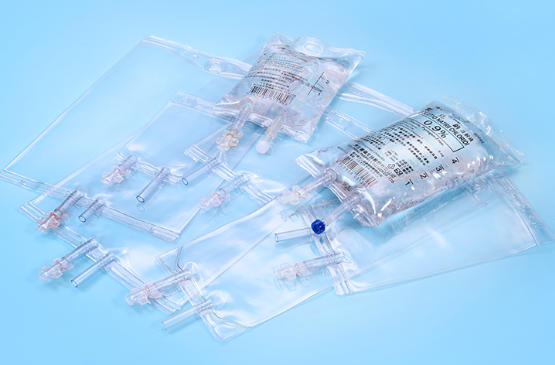
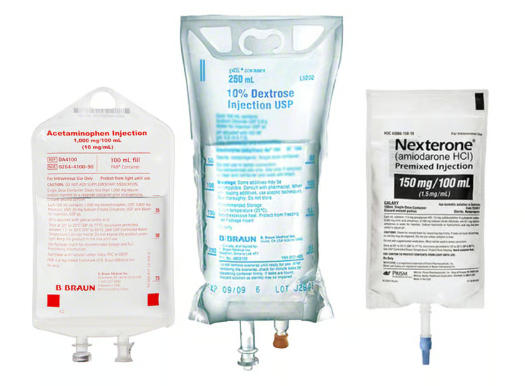
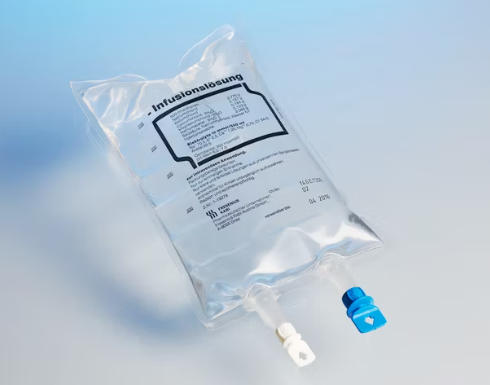
In real clinical practice, an Infusion Bag is a sterile flexible container, usually made from medical‑grade plastics such as PVC‑free multilayer films, that holds intravenous fluids and medications. It connects to tubing sets and a catheter to deliver those fluids directly into the bloodstream. Common solutions inside an Infusion Bag include saline, balanced electrolyte solutions, glucose solutions, parenteral nutrition mixtures, and drug formulations such as antibiotics or chemotherapy.
The Infusion Bag is typically suspended on an IV pole above the patient, allowing gravity or an electronic infusion pump to regulate the flow of liquid through a drip chamber and tubing line. By adjusting the height of the Infusion Bag or using a programmable pump, medical staff can precisely control infusion rates, ensuring that patients receive the correct volume and dosage over a specific time.
Safety, sterility, and compatibility
Because Infusion Bags come into contact with critical parenteral drugs and the patient's circulatory system, they must meet strict sterility and compatibility standards. The plastic materials must not leach harmful substances into the drug solution, and the bag must maintain integrity during storage, transport, and use. Manufacturers conduct extensive testing on properties such as barrier performance, mechanical strength, and extractable or leachable content.
Additionally, Infusion Bag systems are designed for minimal contamination risk: tamper‑evident ports, sterile spike interfaces, and validated sealing technologies all reduce the chance of introducing microbes during preparation or administration. In many hospitals, compounding pharmacies prepare drug‑filled Infusion Bags in cleanrooms, using laminar airflow hoods and aseptic techniques that mirror the high‑purity environments seen—in a distorted way—in games like Visage.
Behind the Scenes: How Pharmaceutical Equipment Supports Infusion Bags
Purified water, pure steam, and distillation
Behind every Infusion Bag used in a hospital, there is a network of pharmaceutical utility systems working quietly in the background. Purified water generation units produce water that meets pharmacopoeial standards for conductivity, total organic carbon, and microbiological quality. This purified water is a key raw material for many injectable solutions that later end up inside Infusion Bags.
Multi‑effect distillers and pure steam generators further refine water into water for injection and sterilizing steam. Distilled water is used in the preparation of parenteral solutions, while pure steam sterilizes production lines, sterilizers, and critical components such as filling needles, transfer lines, and even the chambers used for terminal sterilization of filled Infusion Bags. Without these systems, it would be impossible to maintain the sterility and safety demanded by global regulatory authorities.
Solution preparation, filtration, and filling
After purified water and active ingredients are available, pharmaceutical manufacturers use mixing tanks and solution preparation vessels to blend the formula that will be filled into the Infusion Bag. These tanks are equipped with agitation, temperature control, and sometimes nitrogen blanketing to protect sensitive components. Before filling, the bulk solution passes through sterile filters to remove particles and microorganisms.
Next, automated filling and sealing machines take over. Empty Infusion Bags move through a line where they are opened, filled with a precise volume of solution, sealed at ports or seams, and often tested for leaks or defects using pressure or vacuum methods. Modern machines can handle a wide range of Infusion Bag sizes and formats, ensuring high throughput without sacrificing quality.
Sterilization and final handling
Depending on the formulation and material, Infusion Bags may be terminally sterilized in autoclaves or produced by aseptic filling of already sterile bags. In terminal sterilization, sealed Infusion Bags are loaded into large sterilizers where high‑temperature pure steam cycles ensure that any remaining microorganisms are killed. For heat‑sensitive drugs, aseptic processing maintains sterility without subjecting the Infusion Bag to destructive temperatures.
Finally, finished Infusion Bags move to labeling, secondary packaging, and controlled storage areas. Tracking systems and batch records guarantee complete traceability from raw materials to the final Infusion Bag delivered to a hospital. For companies that design and supply purified water systems, pure steam generators, multi‑effect distillers, liquid filling and sealing machines, and sterilization systems, Infusion Bag production lines are a major application and a core competency.
Connecting Visage's Infusion Bag to Real‑World Practice
The Infusion Bag in Visage is a fictional, stylized representation, but it mirrors actual medical practice closely enough that players recognize it immediately. The dead man connected to an Infusion Bag, the hospital bed, and the IV pole all reflect real scenes familiar to nurses, doctors, and pharmacists. This familiarity makes the horror more personal and impactful, because the player can easily imagine the real clinical environments that inspired the scene.
At the same time, when viewers from the pharmaceutical and medical equipment sectors watch or read about Visage, they may see beyond the scare factor and think of the complex, carefully engineered systems required to produce each real Infusion Bag safely. From purified water generation to terminal sterilization, the controlled, regulated world behind a real Infusion Bag stands in stark contrast to the chaotic, haunted setting in the game. This contrast allows an article about “Where is the Infusion Bag in Visage?” to bridge entertainment and professional knowledge in a natural, engaging way.
Conclusion
In Visage, the answer to “Where is the Infusion Bag?” has two parts: first, players find the Infusion Bag on George's body behind the second‑floor office mirror in Dolores's Chapter; later, they use this same Infusion Bag on an IV pole in the secret hospital room behind the art gallery mirror to banish a haunting presence and obtain a crucial toy item. The Infusion Bag therefore acts as both a navigational puzzle object and a symbolic link between domestic spaces and medical trauma in the game's story.
Beyond the game, the Infusion Bag is a vital component of modern infusion therapy, relying on robust pharmaceutical infrastructure that includes purified water systems, pure steam generators, multi‑effect distillers, liquid filling and sealing machines, and sterilization systems. For manufacturers and healthcare professionals, every Infusion Bag represents the combined effort of precise engineering, strict quality control, and thoughtful plant design. By combining horror‑game guidance with real‑world infusion insight, your article can satisfy both gamers searching for the Infusion Bag in Visage and readers interested in the technology behind clinical Infusion Bag production.
FAQ
1) Where exactly is the Infusion Bag in Visage?
The Infusion Bag is located in Dolores's Chapter, inside the mirror linked to the second‑floor office or study. After smashing the office mirror with the hammer and stepping through, you will see George's body on a chair; the Infusion Bag hangs from his arm and can be picked up directly from that position.
2) How do I use the Infusion Bag once I have it?
After adding the Infusion Bag to your inventory, continue the chapter until you reach the art gallery mirror and solve the painting arrangement puzzle. A hidden hospital room will open, where you can attach the Infusion Bag to an empty IV pole beside a bed; doing so removes a ghostly presence and lets you collect an important toy needed for Dolores's story.
3) Can I complete Dolores's Chapter without the Infusion Bag?
No. The Infusion Bag is a required puzzle item in Dolores's Chapter because installing it in the hidden hospital room is the only way to obtain one of the toys used in the baby's mobile puzzle. Skipping or missing the Infusion Bag will prevent you from gathering all the necessary items to finish the chapter.
4) Is the Infusion Bag in Visage realistic compared to real medical equipment?
Visage presents the Infusion Bag as a stylized horror prop, but its basic appearance and function closely resemble a real IV or blood transfusion bag. Like genuine medical Infusion Bags, it hangs from an IV pole and connects to a patient's arm through tubing, representing the delivery of fluids or medications directly into the bloodstream.
5) What equipment is needed to manufacture real Infusion Bags?
Real Infusion Bag manufacturing relies on integrated pharmaceutical systems: purified water generators, pure steam units, multi‑effect distillers, solution preparation tanks, sterile filtration, automated bag filling and sealing machines, and sterilization systems or aseptic environments. These elements work together in a carefully designed factory layout to ensure that each Infusion Bag is sterile, safe, and compliant with international regulatory standards.
Citations:
[1](https://steamcommunity.com/sharedfiles/filedetails/?id=1811492388)
[2](https://www.reddit.com/r/VisageGame/comments/jmz560/visage_dolores_what_do_i_do_with_the_blood/)
[3](https://www.youtube.com/watch?v=EvyQ6SOZ_vc)
[4](https://www.youtube.com/watch?v=cRnS60yagvM)
[5](https://screenrant.com/visage-solve-every-mirror-puzzle-chapter-2-walkthrough/)
[6](https://www.reddit.com/r/VisageGame/comments/wfitez/i_am_so_stuck/)
[7](https://steamcommunity.com/sharedfiles/filedetails/?id=2317074645)
[8](https://www.youtube.com/watch?v=ZRwZkMbjptE)


