Content Menu
● Understanding Sublingual Administration
● What Defines a Pharmaceutical Preparation?
● Common Pharmaceutical Preparations for Sublingual Administration
>> 1. Sublingual Tablets
>> 2. Sublingual Films
>> 3. Sublingual Sprays
>> 4. Lozenges and Wafers
>> 5. Nanoparticle-Based Formulations
● Key Factors Influencing the Choice of Pharmaceutical Preparation
>> 1. Physicochemical Properties of the Drug
>> 2. Formulation Components
>> 3. Patient Factors
>> 4. Manufacturing Considerations
● Advances in Sublingual Pharmaceutical Preparation Technologies
● Advantages of Sublingual Pharmaceutical Preparation Over Oral Administration
● Challenges in Developing Sublingual Pharmaceutical Preparations
● Sublingual Manufacturing and Quality Control
● The Best Pharmaceutical Preparation for Sublingual Administration
● Conclusion
● FAQ
>> 1. What is a Pharmaceutical Preparation?
>> 2. Why is sublingual administration so effective?
>> 3. What makes sublingual films the best Pharmaceutical Preparation?
>> 4. Can all drugs be formulated for sublingual delivery?
>> 5. What equipment is essential for manufacturing sublingual Pharmaceutical Preparations?
Sublingual administration is one of the most efficient and rapid routes for delivering medication into the body. By placing a drug under the tongue, it bypasses the gastrointestinal tract and first-pass metabolism in the liver, enabling quicker absorption directly through the mucous membranes. This method is especially valuable for drugs requiring rapid onset of action or those that degrade when exposed to stomach acid.
Understanding which Pharmaceutical Preparation is most suitable for sublingual delivery requires examining both the physiological properties of the oral cavity and the pharmaceutical technologies available to optimize absorption, stability, and patient compliance.
Understanding Sublingual Administration
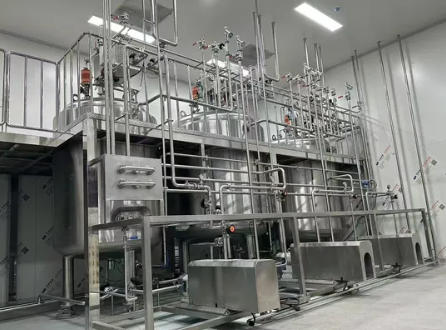
Sublingual administration involves placing a drug in the sublingual region—under the tongue—where it dissolves and diffuses through the mucous membrane into the bloodstream. This route is characterized by its high vascularization, thin epithelial layer, and rapid permeability, allowing for immediate systemic absorption.
Unlike oral or parenteral routes, sublingual administration:
- Avoids first-pass hepatic metabolism.
- Minimizes degradation in the gastrointestinal environment.
- Offers rapid therapeutic effects.
- Provides ease of use and convenience for patients.
Common examples of drugs administered sublingually include nitroglycerin for angina, certain hormones, painkillers, and anxiolytic medications. However, the choice of Pharmaceutical Preparation is crucial to ensure stability, dissolution rate, and bioavailability.
What Defines a Pharmaceutical Preparation?
A Pharmaceutical Preparation refers to a formulated product containing active pharmaceutical ingredients (APIs) and excipients designed to deliver the drug effectively. The formulation dictates the release behavior, absorption characteristics, and patient experience of the medication.
In the context of sublingual delivery, a Pharmaceutical Preparation must:
1. Dissolve quickly in minimal saliva volume.
2. Maintain chemical stability and accurate dosage.
3. Enhance mucosal permeability.
4. Ensure taste masking and patient comfort.
5. Avoid irritation or tissue damage.
Different dosage forms are adapted for sublingual use, and selecting the optimal one depends on the drug's physicochemical properties, desired onset time, and patient requirements.
Common Pharmaceutical Preparations for Sublingual Administration
1. Sublingual Tablets
Sublingual tablets are one of the most conventional Pharmaceutical Preparations for this route. They are designed to disintegrate rapidly in the saliva under the tongue, allowing the drug to diffuse directly into the mucosal capillaries.
Advantages:
- Precise dosing and easy handling.
- Rapid onset (e.g., within 1–3 minutes for nitroglycerin).
- Suitable for both emergency and maintenance therapy.
Challenges:
- Limited drug load for poorly soluble compounds.
- Taste masking often required.
- Moisture sensitivity and special packaging are essential.
2. Sublingual Films
Also known as oral thin films or strips, these Pharmaceutical Preparations represent a modern alternative to tablets. Made from biodegradable polymers, films dissolve quickly upon contact with saliva, ensuring immediate absorption.
Advantages:
- Excellent patient compliance and discreet administration.
- Fast dissolution within seconds.
- Portable and easy to use without water.
Challenges:
- Complex manufacturing and stability issues.
- Drug loading capacity is limited.
- Sensitive to humidity.
3. Sublingual Sprays
Sublingual sprays are liquid Pharmaceutical Preparations formulated to deliver an accurate dose via atomization under the tongue. They often contain solubilized APIs in ethanol-water mixtures or other pharmaceutically acceptable solvents.
Advantages:
- Rapid systemic absorption.
- Suitable for both lipophilic and hydrophilic drugs.
- Convenient for instant use (e.g., nitroglycerin spray).
Challenges:
- Formulation stability and preservative compatibility.
- Manufacturing complexity.
- Regulatory requirements for metered dosing.
4. Lozenges and Wafers
These Pharmaceutical Preparations dissolve slowly in the mouth and can combine sublingual and buccal absorption. They are often used for prolonged-release or taste-masked delivery.
Advantages:
- Provides sustained effect.
- Improves bioavailability of certain lipophilic drugs.
- Enhances patient compliance through flavoring.
Challenges:
- Longer dissolution time delays onset.
- Requires careful control of hardness and solubility.
5. Nanoparticle-Based Formulations
Recent developments in Pharmaceutical Preparation have led to nanotechnology-based systems like nanocrystals, liposomes, or nanoemulsions designed for sublingual delivery. These enhance the solubility and permeability of poorly absorbed compounds.
Advantages:
- Increased surface area for absorption.
- Improved bioavailability.
- Targeted and controlled release potential.
Challenges:
- High production cost and sophisticated technology requirements.
- Regulatory complexity.
- Stability concerns over time.
Key Factors Influencing the Choice of Pharmaceutical Preparation
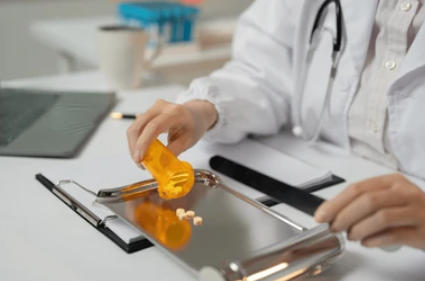
Selecting the best Pharmaceutical Preparation for sublingual use involves evaluating multiple interdependent factors related to the drug and patient profile.
1. Physicochemical Properties of the Drug
- Solubility: Drugs with high solubility in saliva absorb faster.
- Molecular weight: Smaller molecules penetrate mucosa more effectively.
- Lipophilicity: Balancing hydrophobicity and hydrophilicity facilitates absorption.
2. Formulation Components
Excipients play a critical role in sublingual Pharmaceutical Preparations. Commonly used materials include:
- Polymers (e.g., HPMC, PVA): For film-forming agents.
- Plasticizers: To enhance flexibility and comfort.
- Taste maskers (e.g., sweeteners, menthol): To improve acceptability.
- Permeation enhancers: Such as surfactants or bile salts.
3. Patient Factors
Age, salivary flow rate, and mucosal health influence the choice of Pharmaceutical Preparation. Elderly patients or those with xerostomia (dry mouth) may require formulations with higher moisture retention or faster dissolution.
4. Manufacturing Considerations
Pharmaceutical manufacturing systems such as those provided by Everheal—including purified water systems, sterilization units, and automatic filling-sealing equipment—are integral to producing high-quality sublingual dosage forms. Precise control of humidity and aseptic conditions ensures product stability and compliance with Good Manufacturing Practices (GMP).
Advances in Sublingual Pharmaceutical Preparation Technologies
Modern innovations are transforming sublingual drug delivery. Key trends include:
- 3D Printing of Sublingual Tablets: Allows customization of dose and disintegration time.
- Bioadhesive Polymers: Enhance mucosal retention and prolong absorption.
- Nanocarrier Systems: Improve penetration through tight mucosal barriers.
- Freeze-Drying Methods: Enable rapid disintegration and longer shelf life.
These advances not only improve drug efficacy but also offer new avenues for formulating biologics, peptides, and vaccines via the sublingual route.
Advantages of Sublingual Pharmaceutical Preparation Over Oral Administration
Sublingual Pharmaceutical Preparations possess several key advantages compared to conventional oral dosage forms:
- Faster Onset: Direct absorption into systemic circulation bypasses digestion.
- Improved Bioavailability: Avoids enzymatic degradation and first-pass hepatic loss.
- Enhanced Convenience: Ideal for patients with swallowing difficulties.
- Predictable Pharmacokinetics: Minimizes variability in absorption.
From the patient's perspective, sublingual dosage forms provide greater ease and comfort, particularly for chronic and emergency treatments.
Challenges in Developing Sublingual Pharmaceutical Preparations
Despite the benefits, formulating effective sublingual Pharmaceutical Preparations poses challenges:
- Limited surface area under the tongue restricts dosage size.
- Bitter-tasting APIs require advanced flavor masking.
- Maintaining stability against humidity and temperature fluctuations is difficult.
- Achieving consistent disintegration and absorption across individuals can be complex.
Addressing these challenges requires expertise in formulation science, equipment design, and process validation—areas where Everheal's integrated systems can provide tailored support.
Sublingual Manufacturing and Quality Control
Manufacturing sublingual Pharmaceutical Preparations demands precision-engineered equipment and strict adherence to regulatory standards. Critical aspects include:
- Purified Water System: Used for solution preparation, ensuring no microbial contamination.
- Steam Sterilization: For sterilizable components and filling lines.
- Automatic Filling and Sealing Machines: Maintain aseptic conditions.
- Validation Protocols: Assuring batch consistency and product reproducibility.
Each stage of production must align with international GMP and pharmacopoeial standards such as USP, EP, and ISO quality systems.
The Best Pharmaceutical Preparation for Sublingual Administration
Based on current scientific evidence and technological evolution, sublingual films are emerging as the best Pharmaceutical Preparation for sublingual administration.
They uniquely balance rapid dissolution, patient acceptability, and portability. Modern polymeric films offer consistent dosing and can be co-formulated with nanocarriers to further enhance permeability. Advances in polymer science have improved stability and moisture resistance, making films the preferred choice across various therapeutic categories—from cardiovascular to CNS drugs.
That said, selection ultimately depends on the drug's properties and intended clinical effect. A system-based approach integrating equipment selection, formulation design, and process optimization ensures the success of any sublingual Pharmaceutical Preparation.
Conclusion
Sublingual administration offers an effective route for rapid and reliable drug delivery. The choice of Pharmaceutical Preparation plays a decisive role in determining therapeutic outcomes, patient satisfaction, and production efficiency.
Among available options, sublingual films stand out as the most versatile and advanced form, supported by modern manufacturing technologies such as those developed by Everheal. By pairing innovative formulation science with cutting-edge sterilization, water purification, and filling equipment, pharmaceutical companies can achieve consistent product quality and global compliance.
In the evolving landscape of drug delivery, optimizing Pharmaceutical Preparation for sublingual use represents a vital step toward more efficient, patient-centered healthcare solutions.
FAQ
1. What is a Pharmaceutical Preparation?
A Pharmaceutical Preparation is a formulated drug product that contains active ingredients and excipients designed for safe, effective delivery of medication. It determines how the drug is absorbed, released, and experienced by the patient.
2. Why is sublingual administration so effective?
Sublingual administration allows drugs to be absorbed directly into the bloodstream through mucous membranes, bypassing the liver's first-pass metabolism. This ensures faster onset and higher bioavailability than oral ingestion.
3. What makes sublingual films the best Pharmaceutical Preparation?
Sublingual films dissolve quickly, require no water, and provide accurate dosage. Their flexible design enhances compliance and makes them ideal for both chronic and emergency medications.
4. Can all drugs be formulated for sublingual delivery?
Not all drugs are suitable. Drugs must be potent (small dose), stable in saliva, and able to permeate mucosal membranes. Poorly soluble or high-dose drugs may require modified nanocarrier systems.
5. What equipment is essential for manufacturing sublingual Pharmaceutical Preparations?
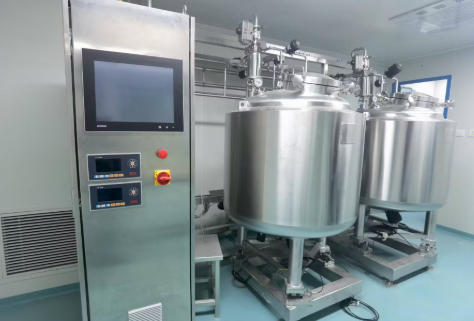
Essential systems include purified water preparation units, sterilization equipment, filling and sealing machines, and environmental controls. Companies like Everheal provide integrated solutions for pharmaceutical manufacturing.


