Content Menu
● Uzbekistan pharma and pure steam demand
● Why pure steam generators matter
● Key selection criteria in Uzbekistan
● Role of international suppliers
● Everheal as a pure steam partner
● Integrated utilities and line design
● Benefits for Uzbek investors
● Opportunities in Uzbekistan's SEZs
● How Everheal supports Uzbek projects
● Practical steps for choosing a supplier
● Everheal's pure steam technology
● Conclusion
● FAQ
>> (1) How is pure steam different from industrial steam?
>> (2) Why do Uzbek pharma plants need pure steam generators?
>> (3) What should be checked when selecting a pure steam generator supplier?
>> (4) Can one company supply pure steam generators and complete production lines?
>> (5) How do government incentives affect pure steam investments in Uzbekistan?
● Citations:
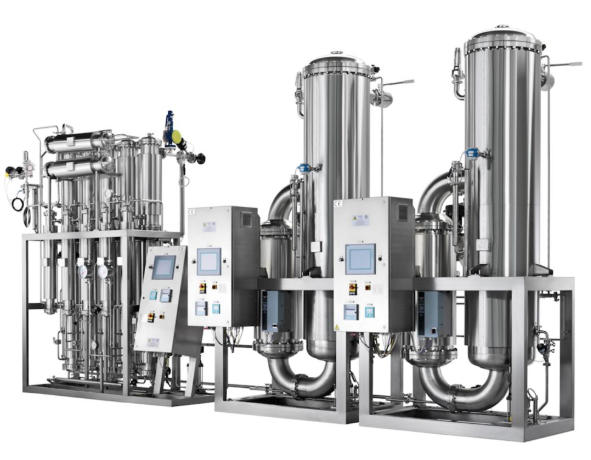
Top pure steam generator manufacturers and suppliers in Uzbekistan are increasingly partnering with international pharmaceutical technology companies to support the country's rapidly growing, GMP‑oriented pharma and medical sector. This creates strong opportunities for specialized pure steam generator manufacturers and suppliers such as Everheal to deliver compliant utilities and turnkey sterile production lines to Uzbek customers.[1][2][3][4]
Uzbekistan pharma and pure steam demand
Uzbekistan's pharmaceutical market is on a strong growth trajectory, supported by government incentives, import dependence, and localization policies that encourage investment in modern production facilities. As new injectable, biopharmaceutical, and high‑value dosage plants are built, demand for reliable pure steam generator manufacturers and suppliers that understand global GMP standards continues to rise.[3][4][5][1]
Pure steam is essential for sterilizing process equipment, autoclaves, and critical utility lines in cleanroom environments where any contamination can compromise product safety. This means pharmaceutical investors in Uzbekistan now treat the choice of pure steam generator manufacturers and suppliers as a strategic decision that directly affects regulatory approvals and long‑term plant performance.[6][7][8][9]
Why pure steam generators matter
Pure steam differs from industrial steam because it is generated from high‑purity feed water and designed so that, when condensed, it meets the quality requirements of Water for Injection (WFI) and major pharmacopoeias. Leading pure steam generator manufacturers and suppliers design systems that deliver pyrogen‑free, non‑corrosive, non‑contaminating steam suitable for direct contact with product contact surfaces and sterile process components.[10][7][8][6]
Well‑engineered pure steam generators support sterilization‑in‑place (SIP), autoclave steam supply, and critical piping sanitization, all of which are central to GMP audits in sterile and biotech plants. For Uzbekistan's new pharmaceutical industrial zones and free economic zones, selecting pure steam generator manufacturers and suppliers that can integrate steam generation with water systems, filling lines, and cleanroom infrastructure is particularly important.[9][5][6][3]
Key selection criteria in Uzbekistan
Pharmaceutical and biotech investors in Uzbekistan typically evaluate pure steam generator manufacturers and suppliers according to several technical and commercial criteria. These criteria help ensure that the final pure steam solution is compliant, energy‑efficient, and scalable to future capacity increases.[7][8][5][9]
- Compliance with USP, EU and other pharmacopoeial requirements for condensate quality when pure steam is condensed.[8][7]
- Proven design reference in pharmaceutical and biotech plants using pure steam generators for autoclaves, SIP, and sterile utilities.[10][9]
- Ability of pure steam generator manufacturers and suppliers to integrate with purified water or WFI systems, storage, distribution loops, and CIP/SIP architecture.[6][7]
- Compact footprint, modular skid construction, and ease of installation, which is critical for greenfield Uzbek plants with restricted technical space.[5][9]
- Local or regional service capability, remote diagnostics, spare‑parts strategy, and operator training to maintain long‑term system performance.[2][3]
- Experience partnering with investors in free economic zones that benefit from customs and tax incentives for imported pharma equipment and utilities.[4][5]
Role of international suppliers
Because Uzbekistan's healthcare and pharma industries still rely heavily on imported medical devices and production technology, international pure steam generator manufacturers and suppliers play a central role in new projects. Foreign OEMs provide proven designs, documentation, and validation experience, while Uzbek investors supply local knowledge, land, and workforce for plant construction and operation.[3][4][5]
Government‑backed pharma clusters and special economic zones, such as those developed near Tashkent and other regional hubs, actively invite collaboration with foreign companies that can bring high‑quality pure steam generation and critical utilities. This environment favors pure steam generator manufacturers and suppliers who are ready to offer turnkey packages that combine design, equipment supply, commissioning, and qualification services tailored to local regulatory expectations.[7][4][5]
Everheal as a pure steam partner
Everheal, a China‑based pharmaceutical equipment specialist, positions itself among international pure steam generator manufacturers and suppliers by offering integrated water and steam utility systems together with downstream production equipment. The company's portfolio includes purified water preparation systems, pure steam generators, multifunction distillation units, liquid filling and sealing machines, and sterilization systems that can be combined into a cohesive, GMP‑oriented plant solution for Uzbek customers.[2]
For investors building new facilities in Uzbekistan, Everheal can act not only as a pure steam generator supplier but also as a turnkey partner for factory layout design, utility routing, and complete production line configuration. This capability helps owners reduce interface risks between different vendors and ensures that pure steam generation, WFI production, filling, and sterilization are engineered as a single, validated system from the beginning.[2]
Integrated utilities and line design
Modern Uzbek pharma plants increasingly prefer integrated solutions where pure steam generator manufacturers and suppliers collaborate closely with water‑treatment and process‑equipment teams. Everheal's experience in pharmaceutical water treatment equipment, together with its pure steam generators and filling/sterilization technologies, allows it to engineer harmonized utility and process layouts for new factories.[2][5][3]
Such integrated planning is particularly valuable when designing cleanrooms, autoclave areas, and critical process rooms where pure steam piping, condensate return, and WFI loops must be optimized for hygiene and maintainability. By working with a single partner that understands both utilities and process equipment, Uzbek investors can ensure that their chosen pure steam generator manufacturers and suppliers deliver systems that minimize dead legs, facilitate SIP, and support smooth regulatory inspections.[8][9][6][7]
Benefits for Uzbek investors
Working with experienced pure steam generator manufacturers and suppliers yields several operational and commercial benefits for pharma and biotech projects in Uzbekistan. These advantages contribute directly to faster market entry, fewer quality deviations, and better lifecycle economics for each plant.[1][9][5][3]
- Faster qualification: Standardized, pre‑validated pure steam generators with comprehensive documentation speed up Installation Qualification (IQ), Operational Qualification (OQ), and Performance Qualification (PQ).[6][7]
- Lower contamination risk: Properly designed pure steam systems significantly reduce microbial, particulate, and chemical contamination risk during sterilization activities.[10][8]
- Energy efficiency: Advanced pure steam generator manufacturers and suppliers optimize energy balance via multi‑effect designs, heat recovery, and intelligent control, which lowers long‑term operating costs.[9][7]
- Scalability: Modular pure steam generators allow Uzbek plants to start with moderate capacities and expand output as demand grows, without redesigning the entire utility architecture.[8][9]
- Compliance confidence: Proven designs that already operate in other regulated markets support smoother inspections by local and international regulators.[4][7]
Opportunities in Uzbekistan's SEZs
Uzbekistan's special economic zones and pharma clusters offer a favorable policy environment for importing high‑technology equipment from global pure steam generator manufacturers and suppliers. Incentives typically include exemptions from customs duties and VAT on imported technological and laboratory equipment, components, and raw materials used for pharmaceutical production.[5][3][4]
These policies reduce initial capital expenditure for investors who select advanced pure steam generators and associated utilities instead of relying on lower‑spec industrial steam equipment. As a result, high‑quality pure steam generator manufacturers and suppliers that can structure competitive packages, including financing options and phased project execution, find a receptive market in Uzbekistan's modernization program.[3][4][5]
How Everheal supports Uzbek projects
Everheal's model for serving Uzbekistan includes designing pure steam generators and purified water systems around each customer's target dosage forms, production volumes, and regulatory strategy. For example, injectable, infusion, and biopharma projects typically require tighter control of condensate quality and integration with multi‑effect distillation or membrane‑based WFI systems, which Everheal can supply alongside its pure steam generator solutions.[2][8]
In addition, Everheal offers engineering support for overall plant layout, including placement of pure steam generators, routing of steam and condensate lines, positioning of autoclaves, filling machines, and sterilizers, and zoning of cleanrooms according to international GMP principles. This holistic approach makes Everheal stand out among pure steam generator manufacturers and suppliers seeking long‑term partnerships with Uzbek pharma investors.[3]
Practical steps for choosing a supplier
Uzbek investors evaluating pure steam generator manufacturers and suppliers can follow a structured approach to reduce technical and commercial risk. The following steps help ensure alignment between supplier capabilities and project requirements in Uzbekistan's regulatory and investment environment.[7][5][3][8]
1. Define process needs: Clarify dosage forms, batch sizes, sterilization loads, and required pure steam consumption profiles for autoclaves and SIP circuits.[6][8]
2. Establish quality specifications: Confirm which pharmacopoeias will apply and set clear limits for condensate conductivity, TOC, endotoxins, and other critical parameters.[7][8]
3. Shortlist vendors: Identify pure steam generator manufacturers and suppliers with proven reference projects and integrated water/steam portfolios, including companies such as Everheal.[2][9]
4. Request integrated proposals: Ask vendors to include water treatment, pure steam generators, storage, distribution, and related sterilization equipment to simplify interfaces.[2][6]
5. Evaluate lifecycle cost: Compare not only purchase price but also energy consumption, maintenance needs, availability of local service, and expected lifespan.[9][7]
6. Confirm support for validation: Ensure that pure steam generator manufacturers and suppliers can assist with FAT, SAT, IQ/OQ/PQ, and ongoing re‑qualification under Uzbek and international regulations.[4][7]
Everheal's pure steam technology
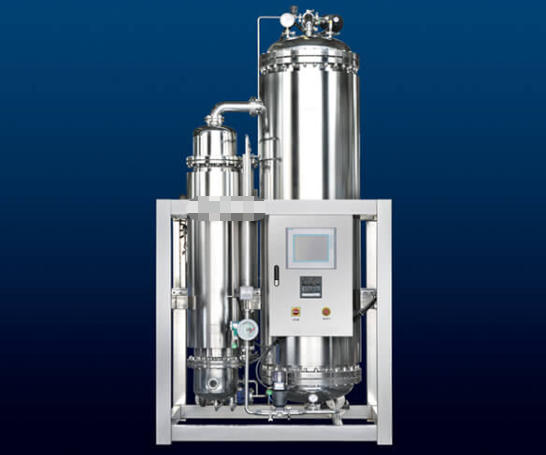
Everheal's pure steam generators are engineered to produce pharmaceutical‑grade pure steam with condensate that aligns with major pharmacopoeial requirements when condensed to water. The designs typically use high‑quality stainless steel contact surfaces, sanitary construction, and advanced separation techniques to minimize entrainment of impurities in the steam stream.[8][9][7][2]
By combining pure steam generation with purified water preparation and multifunctional distillation systems, Everheal supports Uzbek plants in building a unified critical utilities platform for all sterile manufacturing areas. This integrated perspective is a key differentiator compared with suppliers that offer only stand‑alone pure steam generators without considering the broader water and sterilization architecture.[2]
Conclusion
Uzbekistan's fast‑developing pharmaceutical and medical sectors are creating sustained demand for high‑quality pure steam generator manufacturers and suppliers capable of supporting GMP‑compliant production. In this environment, investors who select experienced partners such as Everheal, with integrated pure steam generators, pharmaceutical water systems, filling and sterilization solutions, gain a significant advantage in project execution, compliance, and long‑term operational reliability.[1][3][4][2]
FAQ
(1) How is pure steam different from industrial steam?
Pure steam is generated from treated, high‑purity feed water in equipment designed so that, when condensed, it meets strict pharmacopoeial quality limits for WFI‑like condensate. Industrial steam, by contrast, is usually produced in standard boilers and may contain corrosion products, additives, and impurities that make it unsuitable for direct contact with pharmaceutical equipment surfaces or sterile processes.[10][9][6][8]
(2) Why do Uzbek pharma plants need pure steam generators?
Pharmaceutical facilities in Uzbekistan rely on pure steam generators to sterilize autoclaves, process piping, tanks, and other equipment in line with international GMP expectations. As the market expands and more injectable and high‑value dosage forms are produced locally, demand for advanced pure steam generator manufacturers and suppliers will keep growing.[1][3][4][6]
(3) What should be checked when selecting a pure steam generator supplier?
Buyers should confirm compliance with relevant pharmacopoeias, review technical design, and verify reference installations in similar pharma or biotech environments. It is also essential to evaluate whether pure steam generator manufacturers and suppliers can provide integrated water systems, validation support, and long‑term service in Uzbekistan.[5][7][2][8]
(4) Can one company supply pure steam generators and complete production lines?
Yes, some international companies specialize as pure steam generator manufacturers and suppliers while also providing purified water systems, distillation units, filling lines, and sterilization equipment. Everheal belongs to this group, offering Uzbek investors combined utilities and process solutions plus factory layout and production line design services.[7][2]
(5) How do government incentives affect pure steam investments in Uzbekistan?
Customs and tax incentives for importing pharmaceutical equipment and utilities reduce initial costs for high‑technology pure steam generators. This policy framework encourages investors to work with top‑tier pure steam generator manufacturers and suppliers rather than compromising on quality with lower‑spec industrial steam solutions.[3][4][5]
Citations:
[1](https://www.chameleon-pharma.com/uzbekistans-pharma-market-a-rising-opportunity-for-global-pharma-md-and-otc-companies/)
[2](https://www.everhealgroup.com/pharmaceutical-water-trearment-equipment.html)
[3](https://beawire.com/resources/our-experience/the-market-of-medical-devices-in-uzbekistan/)
[4](https://timesca.com/uzbekistans-pharma-pivot-strategic-gains-or-growing-dependence-on-china/)
[5](https://deltaswiss.eu/delta-medical-uzbekistan/uzbekistan-pharmaceutical-investment-opportunities/)
[6](https://www.bwt-pharma.com/en/application-overview/pure-steam/)
[7](https://www.pharmaceutical-technology.com/contractors/water-treatment/elettracqua/)
[8](https://pharmectech.com/products/pure-steam-generator)
[9](https://www.delama.it/product/serie-dlsg-steam-generators/)
[10](https://en.paulmueller.com/pharmaceutical-manufacturing-equipment/pure-steam-generator)
[11](https://www.wemacpharma.com/pure-steam-generator415)
[12](https://server-service.uz/en/steam-generators-for-food-industry/)
[13](https://aceheaters.com/product/unfired-steam-generators-psb/)
[14](https://www.youtube.com/watch?v=bfmoKT4mLcE)
[15](https://cbpg.com/en-gb/our-product/heat-recovery-steam-generator-hrsg/)


