Content Menu
● Understanding Pure Steam Generators
● Why South Korean Manufacturers Stand Out
● Leading Pure Steam Generator Manufacturers And Suppliers in South Korea
>> Key South Korea‑Connected Companies
● Technical Features Buyers Should Evaluate
● How Everheal Supports Projects Involving Korean Pure Steam Suppliers
● Selecting The Right Pure Steam Generator Partner
● Conclusion
● FAQs About Pure Steam Generator Manufacturers And Suppliers in South Korea
>> 1. What is a pure steam generator and why is it essential for pharmaceutical plants?
>> 2. How do South Korean pure steam generator manufacturers and suppliers differ from general boiler companies?
>> 3. Can Everheal work together with South Korean pure steam generator manufacturers and suppliers on a single project?
>> 4. What key documents should buyers request from pure steam generator manufacturers and suppliers?
>> 5. How can plants size and specify a pure steam generator correctly?
● Citations:
Pure steam is a critical utility for pharmaceutical and biotech facilities in South Korea, and choosing the right pure steam generator manufacturers and suppliers directly impacts compliance, reliability, and lifecycle cost. This article explores key South Korean players, their technical strengths, and how global buyers can collaborate with partners such as Everheal in China to build integrated, cGMP-compliant pure steam and purified water systems.[1][2][3][4]
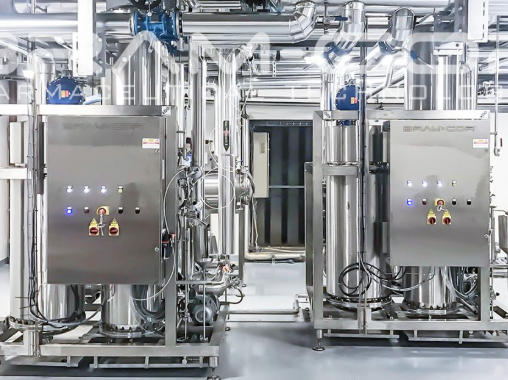
Understanding Pure Steam Generators
A pure steam generator produces high‑purity, pyrogen‑free steam from purified water, designed for applications where any contamination can compromise product safety or sterility. In modern pharmaceutical plants, pure steam is mainly used for sterilizing equipment, piping, vessels, and cleanroom environments, and often its condensate must meet Water for Injection (WFI) quality.[5][6]
Unlike conventional industrial boilers, pure steam generators are built with sanitary design, including 316L stainless steel construction, double‑tube‑sheet heat exchangers, sloped piping, and minimum dead legs to prevent microbial growth and particle carryover. They typically conform to major pharmacopeia standards such as USP, EP, and JP, and are engineered to support cGMP validation, documentation, and long‑term reproducibility of critical utilities.[7][4][5]
Why South Korean Manufacturers Stand Out
South Korea has developed a strong ecosystem in pharmaceutical utilities and water treatment, supported by decades of engineering know‑how and export‑oriented manufacturing. Many pure steam generator manufacturers and suppliers in South Korea integrate RO, EDI, WFI production, and pure steam generation into turnkey systems for biopharma and high‑tech industries.[2][8]
These companies emphasize compact skid‑mounted designs, energy efficiency, and automation platforms that fit into highly automated Korean and global factories. For international buyers, South Korean pure steam generator manufacturers and suppliers offer competitive pricing, reliable quality, and strong after‑sales service, especially when combined with regional partners such as Everheal for project execution across Asia and beyond.[3][4][1][2]
Leading Pure Steam Generator Manufacturers And Suppliers in South Korea
Below is an overview table summarizing representative features of several South Korean or Korea‑focused companies active in pure steam, water treatment, and related systems, alongside Everheal as a strategic project partner.
Key South Korea‑Connected Companies
| Company / Role | Core Products & Focus | Relevance to Pure Steam Generator Manufacturers And Suppliers | Notes for Global Buyers |
| Junghyun Plant (PSG System) | PSG pure steam generator systems for pharmaceutical applications. | Supplies dedicated pure steam generators with hygienic design suitable for pharma plants. | Strong local engineering and customization; suitable as on‑site OEM partner in Korea. |
| Haedong Technology | Distilled water manufacturing systems, WFI storage and distribution, pure steam related systems. | Provides integrated WFI and pure steam solutions for pharmaceutical injection water and sterilization. | Good choice when a single vendor is needed for water, WFI, and pure steam infrastructure. |
| SHINHANST | Pure and ultrapure water systems, UV sterilizers, pure steam generators, RO systems. | Acts as both water treatment and pure steam generator manufacturer and supplier for Korea. | Offers broad utility scope, allowing simplified vendor management for new plants. |
| Waternix | RO, ultra‑pure water makers, pure steam generator, EDI and water purifiers. | Focuses on water‑treatment‑centric solutions including pure steam generators. | Over 20 years of technology; appropriate for projects where water purity is the main driver. |
| Everheal (China, serving Korea and global) | Pure steam generators, purified water systems, multi‑effect distillation, filling and sterilization equipment. | Provides complete plant layout design and turnkey lines, complementing South Korean pure steam generator manufacturers and suppliers. | Ideal for global buyers needing integrated utilities and process equipment with engineering support. |
These companies illustrate how the South Korean ecosystem combines pure steam generators with purified water, WFI, and sterilization utilities, creating a robust base of pure steam generator manufacturers and suppliers for regional and global projects.[9][8][1][2]
Technical Features Buyers Should Evaluate
When shortlisting pure steam generator manufacturers and suppliers in South Korea, technical evaluation should go beyond nameplate capacity and price to focus on lifecycle performance and compliance.[7][5]
Key technical aspects include:
- Steam quality and standards
Check that the pure steam generator can consistently produce pyrogen‑free steam and that its condensate meets WFI requirements in line with USP, EP, and JP pharmacopeia. Leading pure steam generator manufacturers and suppliers design their equipment around these benchmarks for global registrations.[4][5][7]
- Construction materials and design
Look for 316L stainless steel, orbital welding, double‑tube‑sheet heat exchangers, sloped piping, and minimal dead legs to avoid stagnation and contamination. High‑end pure steam generators also integrate degassing sections to remove non‑condensable gases for more stable sterilization performance.[5][7]
- Control and automation
Modern pure steam generator manufacturers and suppliers typically provide PLC‑based control with PID loops for pressure and level control, ensuring rapid response and stable operation under changing demand. Ethernet‑enabled controllers, data logging, and audit‑trail functions support 21 CFR Part 11‑compliant environments and remote diagnostics.[10][7]
- Energy efficiency and capacity range
Optimized heat‑recovery, multi‑stage separation, and proper matching of plant steam and pure steam pressures improve efficiency and reduce operating costs. Vendors such as MECO demonstrate that pure steam generators can be scaled from below 100 kg/h to well beyond 8,000 kg/h, and Korean vendors follow similar capacity scaling logic to match production requirements.[10][7]
- Documentation and validation support
For regulated facilities, pure steam generator manufacturers and suppliers must provide FAT, SAT, IQ/OQ documentation, and assistance with performance qualification. Proper design dossiers, welding logs, material certificates, and test reports are essential for inspections.[6][3]
How Everheal Supports Projects Involving Korean Pure Steam Suppliers
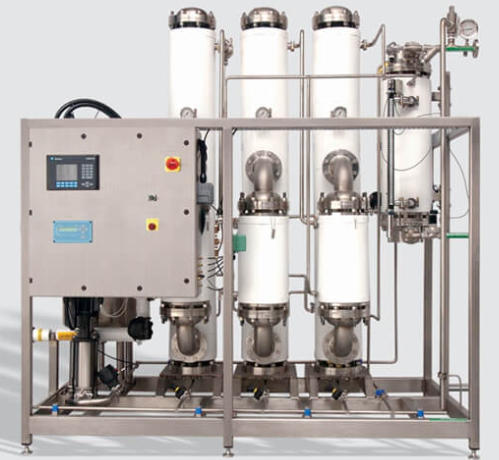
Everheal operates as a specialized pharmaceutical equipment company in China, offering pure steam generators, purified water preparation systems, pure steam and WFI integration, liquid filling and sealing machines, and sterilization systems. With over a decade of project experience in pharmaceutical water treatment, Everheal provides design, manufacturing, FAT, and commissioning services for cGMP plants.[3][4]
In projects that involve South Korean pure steam generator manufacturers and suppliers, Everheal can:
- Provide front‑end engineering and layout planning for utilities and production lines, including capacity calculation for pure steam generators based on sterilization loads and cleanroom sizes.[4][3]
- Supply Everheal‑brand pure steam generators that deliver 100% pyrogen‑free steam compliant with USP, EP, and JP, offering an alternative or complement to local Korean equipment.[4]
- Integrate pure steam generators with purified water, multi‑effect distillation, and filling and sterilization equipment into a cohesive, validated production line.[3][4]
- Dispatch experienced engineers to customer sites to supervise installation, commissioning, and operator training, ensuring that pure steam generator systems perform as specified.[3]
In this way, Everheal acts not only as a pure steam generator manufacturer and supplier but also as a turnkey solution provider that can coordinate smoothly with South Korean partners and global end users.[4][3]
Selecting The Right Pure Steam Generator Partner
Choosing among pure steam generator manufacturers and suppliers in South Korea and neighboring regions should follow a structured, risk‑based approach that aligns with the plant's lifecycle and regulatory expectations.[6]
Consider the following steps:
1. Define process and regulatory requirements
Map out sterilization loads, CIP/SIP cycles, cleanroom classes, and target markets to determine steam quality, capacity, and documentation expectations. This ensures the selected pure steam generator manufacturers and suppliers can satisfy both local MFDS and international EMA/FDA expectations.[5][6]
2. Shortlist vendors with proven pharma references
Focus on pure steam generator manufacturers and suppliers that can demonstrate prior installations in pharmaceutical and biotech plants, including reference lists and performance data. References from international equipment providers and case studies showing successful commissioning are strong indicators of reliability.[11][8][1][2]
3. Evaluate integration capability
Pure steam does not operate in isolation, so it is crucial to select pure steam generator manufacturers and suppliers who can integrate with purified water systems, WFI loops, sterilizers, and filling equipment. Everheal's ability to design complete factory layouts and coordinate utilities and process lines brings additional value here.[2][5][3][4]
4. Assess lifecycle support
Consider spare parts availability, remote monitoring options, preventive maintenance plans, and technical support responsiveness offered by pure steam generator manufacturers and suppliers. Vendors with regional service teams and strong digital support reduce downtime risk.[7][10]
5. Optimize cost of ownership, not just purchase price
Evaluate steam‑to‑pure‑steam conversion efficiency, footprint, cleaning requirements, and expected maintenance frequency. A slightly higher initial cost from high‑quality pure steam generator manufacturers and suppliers often pays back through reduced operating costs and compliance risk.[7][5]
Conclusion
Pure steam generator manufacturers and suppliers in South Korea play an increasingly important role in the global pharmaceutical and biotech supply chain, offering high‑performance, cGMP‑compliant solutions for sterilization and critical utilities. Companies such as Junghyun Plant, Haedong Technology, SHINHANST, and Waternix provide robust pure steam systems, often integrated with WFI and high‑purity water treatment, while Everheal in China complements these capabilities with turnkey plant design, pure steam generator manufacturing, and full production line integration for international customers. By carefully selecting pure steam generator manufacturers and suppliers based on technical design, documentation, lifecycle support, and integration capabilities, project owners can build reliable, compliant, and efficient sterilization infrastructure for years to come.[8][1][9][2][6][5][7][3][4]
FAQs About Pure Steam Generator Manufacturers And Suppliers in South Korea
1. What is a pure steam generator and why is it essential for pharmaceutical plants?
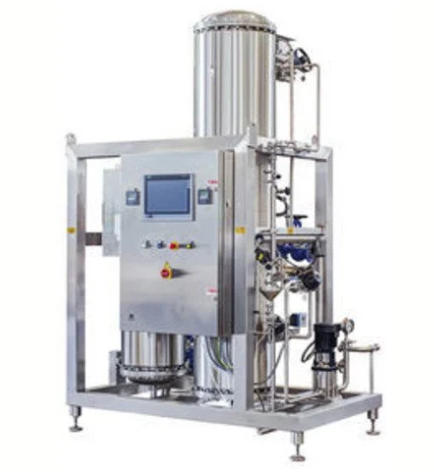
A pure steam generator is a specialized unit that produces high‑purity, pyrogen‑free steam from purified water, using sanitary construction and controlled separation stages. It is essential in pharmaceutical plants because its steam is used to sterilize equipment, tanks, pipelines, and cleanrooms, and the condensate often must meet WFI standards to avoid contaminating products or contact surfaces.[6][5][7]
2. How do South Korean pure steam generator manufacturers and suppliers differ from general boiler companies?
South Korean pure steam generator manufacturers and suppliers design equipment specifically for regulated pharma and biotech environments, with 316L stainless steel, double‑tube‑sheet heat exchangers, sloped piping, and cGMP‑oriented documentation. General boiler companies focus on industrial steam for heating and utilities, which may contain impurities and lack the hygienic design and validation support required for pharmaceutical use.[1][9][2][6][7]
3. Can Everheal work together with South Korean pure steam generator manufacturers and suppliers on a single project?
Yes, Everheal can collaborate with South Korean pure steam generator manufacturers and suppliers by handling front‑end design, system integration, and downstream process equipment while coordinating pure steam and water utilities. This collaboration allows global customers to benefit from local Korean strengths in water and steam technology and Everheal's expertise in full‑line pharmaceutical equipment and factory layout planning.[11][3][4]
4. What key documents should buyers request from pure steam generator manufacturers and suppliers?
Buyers should request design specifications, P&IDs, material certificates, welding documentation, FAT and SAT protocols, IQ/OQ templates, and performance test reports from pure steam generator manufacturers and suppliers. For regulatory inspections, it is also important to obtain operation and maintenance manuals, control system descriptions, and calibration certificates for critical instruments on the pure steam generator.[6][7]
5. How can plants size and specify a pure steam generator correctly?
Plants should begin by quantifying sterilization loads, CIP/SIP cycles, cleanroom humidification needs, and future expansion, and then translate these into required pure steam flow and pressure. Working with experienced pure steam generator manufacturers and suppliers and engineering firms like Everheal ensures that capacity, control strategy, and integration with purified water and WFI systems are correctly designed from the start.[5][7][3][4][6]
Citations:
[1](http://junghyun.co.kr/en/page/product/water_03.html)
[2](http://haedongwater.co.kr/en/business/other-water-system/)
[3](https://www.everhealgroup.com/pure-steam-generator.html)
[4](https://www.everhealgroup.com/pure-steam-generator-manufacturer.html)
[5](https://www.chongyangwater.com/product/pure-steam-generator/)
[6](https://www.bwt-pharma.com/en/application-overview/pure-steam/)
[7](https://www.meco.com/product/biopharmaceutical-pure-steam-generators/)
[8](https://www.komachine.com/companies/waternix)
[9](https://www.komachine.com/en/companies/sinhan-science-tech/models)
[10](https://www.meco.com/product/food-and-beverage-pure-steam-generators/)
[11](http://pwsystem-en.com/case-studies.html)
[12](https://www.sakurasi.com/en/products/pure-steam-distilled-water-generator/)
[13](https://en.paulmueller.com/pharmaceutical-manufacturing-equipment/pure-steam-generator)
[14](https://www.delama.it/product/serie-dlsg-steam-generators/)
[15](https://www.wemacpharma.com/pure-steam-generator415)


