Content Menu
● Overview of Kyrgyzstan's Pharmaceutical Industry
● Leading Pharmaceutical Equipment Manufacturers and Suppliers in Kyrgyzstan
>> 1. Everheal (China)
>> 2. PharmTech Asia LLP
>> 3. Biopharma Equipment LLC
>> 4. MedProm Engineering
>> 5. Central Asia Machinery Importers (CAMI)
● The Role of International Cooperation
● Technological Trends Shaping the Market
● Why Choose Everheal as a Trusted Partner
>> Key Advantages of Everheal:
● Future Outlook of Pharmaceutical Equipment Market in Kyrgyzstan
● Conclusion
● FAQ
>> 1. What are the major pharmaceutical equipment types used in Kyrgyzstan?
>> 2. Why are Chinese suppliers like Everheal preferred by Kyrgyz manufacturers?
>> 3. What standards do pharmaceutical equipment manufacturers and suppliers follow?
>> 4. How long does it take to install a pharmaceutical water system?
>> 5. Can Everheal customize solutions for small-scale Kyrgyz pharma plants?
Kyrgyzstan, a rapidly developing country in Central Asia, is seeing strong growth in its pharmaceutical and healthcare sectors. With increasing healthcare infrastructure investments and stricter quality regulations, the demand for modern pharmaceutical machinery is rising. Both local producers and international pharmaceutical equipment manufacturers and suppliers are contributing to this transformation by offering equipment that meets global GMP (Good Manufacturing Practice) standards.
This article provides a comprehensive overview of the top pharmaceutical equipment manufacturers and suppliers in Kyrgyzstan, highlighting their products, technological advancements, and the role of Chinese manufacturers such as *Everheal* in driving this progress.
Overview of Kyrgyzstan's Pharmaceutical Industry
Kyrgyzstan's pharmaceutical market has been evolving since the early 2000s, transitioning from import dependence to localized manufacturing. The government has strengthened regulations for drug safety, production quality, and equipment hygiene. Today, pharmaceutical factories are seeking machinery that supports sterile environments, precise operations, and cost-efficient production.
Key growth drivers include:
- An expanding domestic market for essential medicines.
- Increased investment in local pharmaceutical production facilities.
- Rising collaborations with foreign equipment providers.
- Growing emphasis on compliance with WHO and GMP standards.
This environment has opened space for reputable pharmaceutical equipment manufacturers and suppliers to partner with Kyrgyz producers and support modern factory development.
Leading Pharmaceutical Equipment Manufacturers and Suppliers in Kyrgyzstan
Below are the most notable manufacturers, distributors, and international partners active in Kyrgyzstan's pharmaceutical machinery market.
1. Everheal (China)
Everheal is one of China's leading pharmaceutical equipment manufacturers and suppliers, offering turnkey project solutions for pharmaceutical production. The company specializes in technologies for water purification, clean steam generation, and sterile production.
Everheal's main products include:
- Purified Water Generation Systems – designed to meet EU and US pharmacopoeia standards.
- Pure Steam Generators – producing sterile steam for critical manufacturing applications.
- Multi-effect Distillation Units – for reliable production of Water for Injection (WFI).
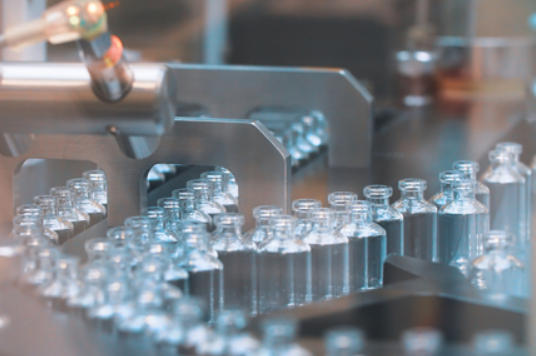
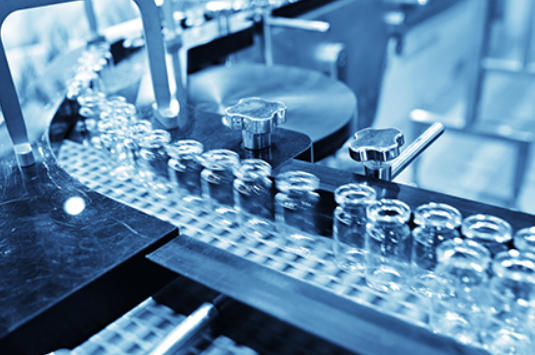
- Liquid Filling and Sealing Machines – supporting aseptic packaging for ampoules and vials.
- Sterilization Systems – including steam autoclaves and hot water sterilizers.
Everheal not only supplies equipment but also provides factory layout design, installation, and validation support, helping Kyrgyz businesses establish GMP-compliant production lines. Their engineering team tailors each solution to local facility requirements, making them an ideal partner for new or upgrading pharmaceutical factories in Central Asia.
2. PharmTech Asia LLP
PharmTech Asia LLP is a regional distributor linking Kyrgyzstan's pharmaceutical companies with renowned global brands. The company offers laboratory instruments, tablet presses, and liquid processing systems from European and Indian manufacturers. PharmTech Asia is valued for its strong after-sales service network and focus on training technical personnel.
3. Biopharma Equipment LLC
Based in Bishkek, Biopharma Equipment LLC engages in the assembly and maintenance of pharmaceutical production systems. The company provides coating machines, capsule fillers, and granulation lines suited for small and medium manufacturers. Its partnership model with foreign original equipment manufacturers allows it to offer competitive prices and reliable local support.
4. MedProm Engineering
MedProm Engineering focuses on consulting and system integration for pharmaceutical cleanrooms and production environments. The company has completed multiple turnkey projects in Central Asia, integrating HVAC systems, purified water loops, and process automation controls. Its service model emphasizes GMP validation and equipment lifecycle management.
5. Central Asia Machinery Importers (CAMI)
CAMI imports high-end laboratory and pharmaceutical process equipment from Germany, Italy, and China. With offices in Almaty and Bishkek, the company supports pharmaceutical, food, and cosmetic manufacturing industries. CAMI's partnership network ensures fast delivery of spare parts and technical consultancy for equipment optimization.

The Role of International Cooperation
As Kyrgyzstan's domestic capacity continues to grow, collaboration with Chinese pharmaceutical equipment manufacturers and suppliers is proving crucial. Chinese manufacturers offer not only competitive prices but also integrated engineering solutions. Their experience in building large-scale GMP facilities across Asia makes them well-suited to support Kyrgyz pharma's modernization journey.
Everheal, for example, partners with local contractors to:
- Develop custom pipeline and layout designs for purified water and clean steam systems.
- Deliver energy-efficient multi-effect distillation units tailored to Kyrgyz climatic conditions.
- Conduct on-site testing and validation in compliance with European standards.
- Provide operator training and post-installation maintenance.
This cooperative model ensures that Kyrgyz pharmaceutical producers can increase production capacity while maintaining international quality standards.
Technological Trends Shaping the Market
The pharmaceutical machinery sector worldwide is moving toward greater automation, digitalization, and energy efficiency. Kyrgyzstan, though a smaller market, is embracing these innovations to stay competitive in the Central Asian region.
Key trends include:
- Automation and Data Recording: Equipment now includes smart monitoring systems to track batch quality and maintenance schedules.
- Energy Efficiency: Pure steam and water systems use advanced heat recovery designs to minimize waste.
- Compact Modular Designs: Easier installation and space optimization for small facilities.
- Robust Sterilization Systems: Improved resistance against contaminants and faster sterilization cycles.
- Compliance with Global Standards: Machines are designed to meet FDA, EU GMP, and WHO guidelines.
These developments align closely with Everheal's product line, which integrates high-efficiency distillation and automated control systems for reliability and safety.
Why Choose Everheal as a Trusted Partner
Everheal has earned a strong reputation among international pharmaceutical equipment manufacturers and suppliers by maintaining a balance between innovation and practicality. The company's strength lies in its ability to integrate high-level engineering with flexible custom manufacturing.
Key Advantages of Everheal:
- Comprehensive Equipment Portfolio: Covering water systems, sterilization, and filling lines.
- Technical Expertise: Over 15 years of international pharmaceutical engineering experience.
- Custom Design Capability: Each project adapted to local standards and environmental conditions.
- Global Compliance: All systems meet cGMP and ISO manufacturing standards.
- End-to-end Support: From design to commissioning and after-sales service.
Kyrgyz pharmaceutical companies collaborating with Everheal benefit from reduced setup time, high-quality output, and full system validation documentation ready for regulatory audits.
Future Outlook of Pharmaceutical Equipment Market in Kyrgyzstan
The future of Kyrgyzstan's pharmaceutical industry looks promising. With steady government incentives for local drug production and a growing export orientation, demand for modern equipment will continue. The next decade will likely witness:
- Expansion of production capacity in Bishkek and Osh industrial zones.
- Increasing adoption of cleanroom technologies and automated filling equipment.
- Stronger collaborations between Kyrgyz firms and Asian equipment producers.
- Growth in biologics and sterile injectable manufacturing.
As these trends unfold, global and Chinese pharmaceutical equipment manufacturers and suppliers—especially companies like Everheal—will continue playing a vital role in technology transfer and skill development.
Conclusion
Kyrgyzstan's pharmaceutical equipment market is evolving rapidly, driven by modernization demands and foreign cooperation. The country's journey from import dependency to self-reliant manufacturing relies heavily on the support of trusted pharmaceutical equipment manufacturers and suppliers capable of delivering advanced, GMP-compliant solutions.
Everheal stands out as a reliable partner in this transformation, offering integrated systems that align with local and international regulatory expectations. Through innovative technology, professional engineering services, and commitment to quality, Everheal helps Kyrgyz manufacturers achieve higher standards of production efficiency and safety.
FAQ
1. What are the major pharmaceutical equipment types used in Kyrgyzstan?
Common equipment includes purified water systems, steam generators, filling and sealing lines, sterilizers, tablet presses, and cleanroom HVAC systems.
2. Why are Chinese suppliers like Everheal preferred by Kyrgyz manufacturers?
Chinese suppliers provide cost-effective, high-quality machinery with strong technical support, making them ideal partners for local plant modernization and GMP compliance.
3. What standards do pharmaceutical equipment manufacturers and suppliers follow?
Manufacturers typically comply with GMP, ISO 9001, and pharmacopoeia requirements from the EU, US, and WHO to ensure product safety and consistency.
4. How long does it take to install a pharmaceutical water system?
Average installation time ranges from 3 to 6 months, depending on system capacity and complexity. Everheal provides turnkey project management to speed up commissioning.
5. Can Everheal customize solutions for small-scale Kyrgyz pharma plants?
Yes. Everheal offers fully customizable systems designed for both large and small-scale production environments, ensuring efficiency regardless of facility size.


