Content Menu
● Introduction to Africa's Pharmaceutical Industry
● Key Trends Driving Equipment Demand
>> 1. Increased Local Manufacturing
>> 2. Adoption of cGMP and WHO Standards
>> 3. Rapid Urbanization and Healthcare Needs
>> 4. Partnerships and Joint Ventures
● Leading Pharmaceutical Equipment Manufacturers And Suppliers in Africa
>> 1. Everheal (China)
>> 2. Fabtech Technologies International Ltd. (India)
>> 3. Syntegon Technology (Germany)
>> 4. Pharmaline Equipment (South Africa)
>> 5. Romaco Group (Germany)
● Regional Analysis of Africa's Pharmaceutical Equipment Market
>> North Africa
>> West Africa
>> East Africa
>> Southern Africa
● Everheal's Contribution to Africa's Pharmaceutical Infrastructure
>> Key Advantages of Everheal Solutions:
>> Case Example: Collaboration with an African Sterile Facility
● The Role of Technology and Innovation
● Challenges Facing Pharmaceutical Equipment Expansion in Africa
● Future Outlook of African Pharmaceutical Equipment Market
● Conclusion
● FAQs About Pharmaceutical Equipment Manufacturers And Suppliers
>> 1. What are the primary products offered by Pharmaceutical Equipment Manufacturers And Suppliers?
>> 2. How does Everheal support African pharmaceutical companies?
>> 3. Why is cGMP compliance important in Africa?
>> 4. What factors should be considered when selecting a pharmaceutical equipment supplier?
>> 5. Which regions in Africa show the fastest growth in the pharmaceutical equipment market?
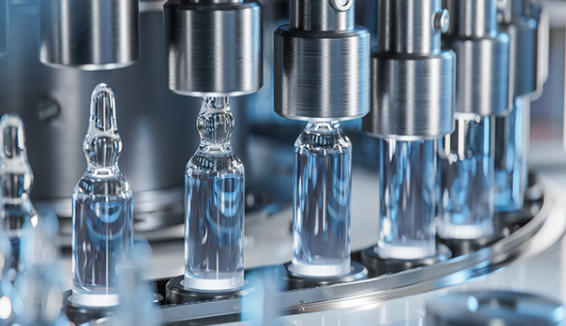
The pharmaceutical industry in Africa has been growing at an unprecedented rate over the last decade. Driven by rising healthcare demands, population growth, and regional economic development, the need for Pharmaceutical Equipment Manufacturers And Suppliers has never been greater. From sterile filling lines to pure water systems, the continent is witnessing a surge in pharmaceutical infrastructure investments.
This article explores the major players, market dynamics, and technological trends shaping Africa's pharmaceutical equipment landscape, while highlighting Everheal — a global leader in advanced pharmaceutical machinery solutions.
Introduction to Africa's Pharmaceutical Industry
Africa's pharmaceutical industry is one of the fastest-growing healthcare markets in the world. According to market research by the United Nations Industrial Development Organization (UNIDO), Africa's pharmaceutical market value exceeds $40 billion and continues to expand at a steady pace. This growth has sharply increased the demand for Pharmaceutical Equipment Manufacturers And Suppliers capable of delivering high-quality, GMP-compliant systems.
Pharmaceutical companies in Africa seek to establish local production facilities instead of depending solely on imports. Countries like South Africa, Nigeria, Egypt, and Kenya have all invested heavily in pharmaceutical manufacturing capabilities. This local push stimulates industrial collaboration with international equipment suppliers specialized in compliance, automation, and sterile technology.
Key Trends Driving Equipment Demand
Several macroeconomic and regulatory trends are shaping the demand for Pharmaceutical Equipment Manufacturers And Suppliers across Africa:
1. Increased Local Manufacturing
African governments are encouraging domestic drug production to ensure medicine accessibility and affordability. This has resulted in large-scale investments in formulation plants, sterile filling systems, and packaging lines — all supplied by global equipment manufacturers.
2. Adoption of cGMP and WHO Standards
To meet international quality benchmarks, African pharmaceutical producers rely on certified Pharmaceutical Equipment Manufacturers And Suppliers that provide compliant machinery validated under current Good Manufacturing Practices (cGMP). Equipment suppliers must meet stringent design, material, and documentation standards.
3. Rapid Urbanization and Healthcare Needs
With urbanization increasing rapidly, the demand for medical drugs and healthcare infrastructure is expanding. Equipment suppliers offering scalable and automated manufacturing systems have a strong advantage.
4. Partnerships and Joint Ventures
Many African pharmaceutical companies are forming partnerships with international technology providers. Joint ventures enable knowledge transfer, technology localization, and fast-track facility establishment.
Leading Pharmaceutical Equipment Manufacturers And Suppliers in Africa
The African pharmaceutical market features a mix of local and global participants. Below are several notable companies and their contributions to the industry.
1. Everheal (China)
Everheal is a leading China-based developer and manufacturer of advanced pharmaceutical processing systems. The company has established strong partnerships across Africa by delivering integrated equipment solutions that comply with international validation and regulatory standards.
Key Products:
- Pure Water Preparation Systems
- Pure Steam Generators
- Multi-effect Distillation Units
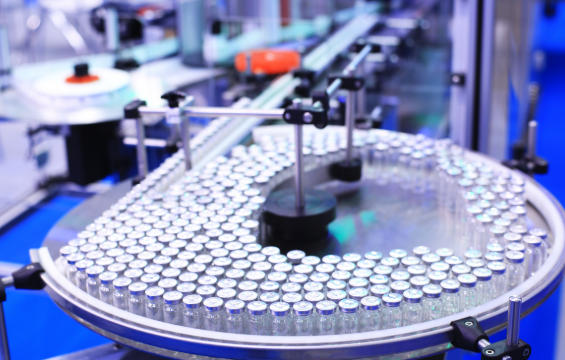
- Liquid Filling and Sealing Machines
- Sterilization Systems
Everheal offers complete factory layout planning, pipeline design, and turnkey pharmaceutical production line construction services. By partnering directly with Everheal, African pharmaceutical factories can acquire efficient and customizable solutions that align with the environmental and technical conditions of each region.
2. Fabtech Technologies International Ltd. (India)
Fabtech is one of the most prominent global Pharmaceutical Equipment Manufacturers And Suppliers with multiple installations across Africa, particularly in Nigeria, Tanzania, and Egypt. Their product portfolio includes cleanroom systems, formulation equipment, sterile area solutions, and biopharma process systems.
3. Syntegon Technology (Germany)
Formerly Bosch Packaging Technology, Syntegon provides advanced solutions for solid dose and liquid pharmaceutical production. In Africa, Syntegon collaborates with regional distributors to supply automated filling, inspection, and packaging lines to large pharmaceutical companies.
4. Pharmaline Equipment (South Africa)
Pharmaline is a South African company specializing in local manufacturing and distribution of pharmaceutical-grade filling and labeling systems. The company also provides custom stainless-steel process vessels and automation integration solutions.
5. Romaco Group (Germany)
Romaco delivers process and packaging equipment worldwide, including Africa. Their technologies serve solid dose forms, sterile liquids, and powder filling operations. The company's expanding African footprint illustrates its strong focus on export markets.
Regional Analysis of Africa's Pharmaceutical Equipment Market
North Africa
Countries such as Egypt, Algeria, and Morocco represent the most industrially advanced segments of the African pharmaceutical market. Egypt, for instance, houses numerous domestic drug manufacturers equipped with imported European and Asian machinery.
West Africa
Nigeria and Ghana are emerging pharmaceutical hubs. However, most local manufacturers still rely heavily on imported pharmaceutical equipment due to limited in-country manufacturing capabilities.
East Africa
Kenya, Tanzania, and Ethiopia are developing localized production zones backed by government incentives. Many companies here collaborate with foreign Pharmaceutical Equipment Manufacturers And Suppliers to establish compliant production facilities.
Southern Africa
South Africa leads in pharmaceutical production infrastructure. Local firms often integrate high-tech systems from partners such as Everheal, Syntegon, and GEA to meet export-grade quality standards.
Everheal's Contribution to Africa's Pharmaceutical Infrastructure
With years of international experience in the design and fabrication of pharmaceutical machinery, Everheal supports African pharmaceutical companies by offering flexible, modular, and energy-efficient production systems.
Key Advantages of Everheal Solutions:
- Compliance and Validation: All equipment meets GMP, WHO, and FDA requirements.
- Customization: Designs tailored for each plant's capacity, climate, and utility availability.
- Energy Efficiency: Water and steam systems designed for low energy consumption.
- Turnkey Support: Covers system design, installation, testing, and operator training.
Everheal's approach extends beyond equipment manufacturing — it encompasses consulting, layout planning, and project execution. This makes the company one of the few Pharmaceutical Equipment Manufacturers And Suppliers offering complete end-to-end engineering for pharmaceutical plants.
Case Example: Collaboration with an African Sterile Facility
One recent Everheal project involved supporting an injectable drug manufacturer in East Africa. Everheal provided integrated pure water preparation, sterilization, and filling systems while assisting with validation documentation and operator training. The project resulted in improved production efficiency and faster regulatory approval.
The Role of Technology and Innovation
Modern pharmaceutical manufacturing depends on precision, consistency, and electronic monitoring. In recent years, Pharmaceutical Equipment Manufacturers And Suppliers have integrated Industry 4.0 concepts into their equipment. Smart sensors, remote diagnostics, and real-time data tracking now form part of standard equipment packages.
Automation has also helped African facilities maintain consistent quality levels and minimize operator intervention in critical areas. Equipment linked through digital infrastructure boosts traceability, ensuring compliance with international health authorities.
Challenges Facing Pharmaceutical Equipment Expansion in Africa
While growth opportunities abound, there are still several challenges hampering expansion:
- High Capital Costs: Advanced machinery and validation systems require significant investment.
- Infrastructure Limitations: Inconsistent electricity and water supply affect production reliability.
- Skilled Workforce Shortage: Qualified workers to run and maintain complex automated machinery remain scarce.
- Import Dependency: Africa still depends heavily on imported pharmaceutical machinery and spare parts.
Despite these challenges, robust partnerships with experienced international Pharmaceutical Equipment Manufacturers And Suppliers like Everheal are helping African firms overcome technological barriers through training and support.
Future Outlook of African Pharmaceutical Equipment Market
The next decade looks promising for Africa's pharmaceutical sector. According to industry analysts, the African pharmaceutical market will likely surpass $70 billion by 2030, with significant portions of investment directed toward equipment modernization and digital production systems.
The demand for Pharmaceutical Equipment Manufacturers And Suppliers will continue to rise due to:
- Increasing government focus on local drug manufacturing.
- New pharmaceutical industrial zones in countries like Kenya and Ethiopia.
- Growing regulatory harmonization across African markets.
- Support from international development organizations for technology transfer.
As such, regional cooperation between African producers and leading suppliers like Everheal, Fabtech, and Syntegon will continue to drive industry progress and sustainability.
Conclusion
Africa's pharmaceutical sector is rapidly transforming, supported by growing local manufacturing initiatives and global cooperation. The continent's reliance on Pharmaceutical Equipment Manufacturers And Suppliers underscores the critical role of technology and compliance in advancing healthcare independence.
Companies such as Everheal provide not just equipment but strategic partnerships, guiding African manufacturers toward global standards. As Africa continues to strengthen its pharmaceutical base, equipment innovation and technical collaboration will define the next era of growth, efficiency, and health security for millions across the continent.
FAQs About Pharmaceutical Equipment Manufacturers And Suppliers
1. What are the primary products offered by Pharmaceutical Equipment Manufacturers And Suppliers?
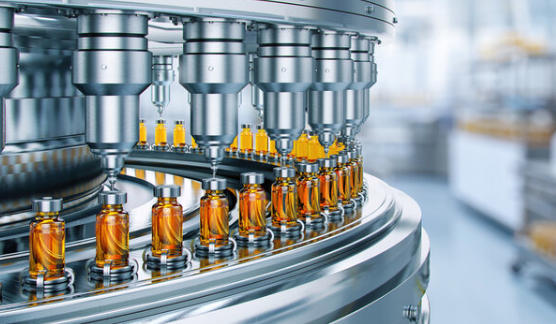
They produce a wide range of machines for pharmaceutical production, including water purification systems, sterilizers, reactors, filling machines, cleanroom setups, and packaging equipment.
2. How does Everheal support African pharmaceutical companies?
Everheal provides customized, GMP-compliant production systems alongside layout planning, installation, and operator training, ensuring efficient project execution across Africa.
3. Why is cGMP compliance important in Africa?
cGMP ensures that pharmaceutical products are consistently produced and controlled according to quality standards, crucial for both local sales and export certification.
4. What factors should be considered when selecting a pharmaceutical equipment supplier?
Buyers should assess credibility, technical expertise, after-sales support, compliance certification, spare parts availability, and experience with similar project scopes.
5. Which regions in Africa show the fastest growth in the pharmaceutical equipment market?
North Africa (especially Egypt and Morocco) and East Africa (notably Kenya and Ethiopia) are currently seeing the highest infrastructure and equipment investment rates.


