Content Menu
● Understanding Distilled Water and Its Importance in CPAP Machines
>> What Is Distilled Water?
>> Why Using Distilled Water Is Essential for CPAP Users
● How Distillation Works: The Science Behind It
● Methods to Make Distilled Water for CPAP Machines
>> 1. Using a Home Distillation Water Machine
>> 2. Distilling Water with Household Equipment
>> 3. Using Solar Distillation
● Choosing the Right Distillation Water Machine
>> Capacity and Output
>> Material Quality
>> Purification Standards
>> Automation and Safety
● How to Store Distilled Water Properly
● Maintenance Tips for Distillation Water Machines
● The Role of Pharmaceutical-Grade Equipment
● Environmental and Economic Benefits of Distilling Your Own Water
● Conclusion
● FAQs
>> 1. What type of water should I use in my CPAP machine?
>> 2. Can I use bottled or filtered water instead?
>> 3. How often should I refill distilled water in my CPAP?
>> 4. How long does homemade distilled water last?
>> 5. What are the benefits of a Distillation Water Machine compared to other purification systems?
Continuous Positive Airway Pressure (CPAP) machines are life-changing devices that help millions of people with sleep apnea breathe easier and sleep better. However, one of the most important maintenance aspects of using a CPAP machine is ensuring that only distilled water is used in its humidifier chamber.
But why distilled water? And how can you make your own distilled water at home safely and efficiently? In this detailed guide, we will cover everything you need to know—ranging from the science of water distillation to the step-by-step process of producing medical-grade distilled water using a Distillation Water Machine.
Understanding Distilled Water and Its Importance in CPAP Machines
What Is Distilled Water?
Distilled water is purified water that has undergone a process called distillation—a thermal separation method that involves boiling water to produce steam and then condensing the vapor back into liquid form. This removes minerals, salts, organic contaminants, and microorganisms that might remain in ordinary tap or bottled water.
The primary purpose of using distilled water in a CPAP machine is to prevent mineral deposits from forming inside the humidifier chamber and airway pathways. Over time, minerals from tap water can accumulate, leading to bacterial growth, corrosion, and reduced efficiency of your device.
Why Using Distilled Water Is Essential for CPAP Users
Using distilled water protects your CPAP machine and promotes better hygiene and performance. The main benefits include:
- Prevention of limescale buildup: Minerals from regular water can create white deposits in the water chamber, causing mechanical problems.
- Improved hygiene: Distilled water is free from bacteria and viruses.
- Longer machine lifespan: Purified water prevents corrosion of metal parts and sensors.
- Better air quality: Clean water means cleaner vapor and safer inhalation for users.
For users who rely on CPAP therapy nightly, the consistent use of distilled water is fundamental for both comfort and equipment maintenance.
How Distillation Works: The Science Behind It
Distillation separates water from impurities through heat. When water boils, it turns into steam—leaving behind dissolved minerals, heavy metals, and microorganisms. The steam rises, travels through a condenser coil, and cools into a new liquid—distilled water.
A Distillation Water Machine automates this process using advanced thermal control, making it ideal for home or industrial use. Typical operating steps of a distillation system include:
1. Heating phase: Water is boiled to produce steam.
2. Separation: Non-volatile contaminants are left behind in the boiling chamber.
3. Condensation: Steam is cooled back into water.
4. Collection: The condensed, pure water is directed into a clean storage container.
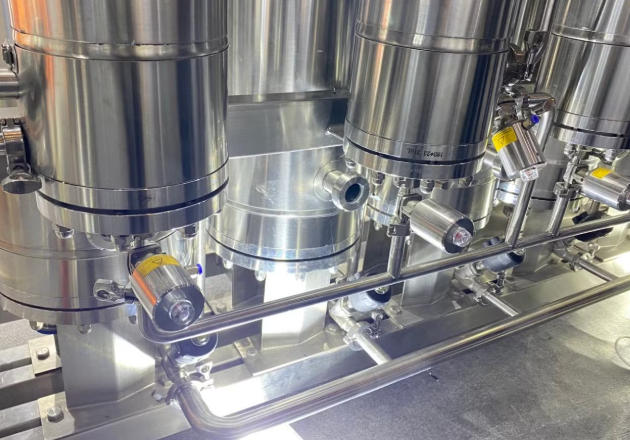
Everheal, as a professional manufacturer of pharmaceutical-grade water systems, integrates similar principles in its multi-effect distillation equipment—ensuring stable performance and high purity output that meets GMP (Good Manufacturing Practice) standards.
Methods to Make Distilled Water for CPAP Machines
You can produce distilled water in several ways. Let's review the most effective and reliable options in both home and industrial settings.
1. Using a Home Distillation Water Machine
The easiest and most consistent method is using a home Distillation Water Machine, also known as a countertop water distiller.
Steps:
1. Fill the stainless-steel boiler with clean tap water.
2. Connect the condenser head and plug in the unit.
3. The machine boils the water, converting it into steam.
4. Steam travels through a cooling tube where it condenses into pure water.
5. The distilled water drips into a glass or BPA-free collection container.
This process typically takes 4–6 hours to produce about 4 liters of distilled water, depending on machine capacity.
Advantages:
- Fully automatic operation.
- Consistent purity levels.
- Compact and easy to maintain.
- Ideal for daily CPAP users.
Everheal offers laboratory and household-compatible Distillation Water Machines, designed for high purity standards inspired by pharmaceutical-grade technology.
2. Distilling Water with Household Equipment
If you lack a dedicated distillation unit, you can still distill water using common kitchen tools.
You'll need:
- A large stainless-steel pot with a lid.
- A smaller heat-safe glass bowl.
- Ice cubes.
- Tap water.
Procedure:
1. Pour tap water into the large pot until about halfway full.
2. Place the smaller bowl in the center to catch condensed vapor.
3. Invert the lid and fill its top with ice cubes (to cool steam).
4. Heat the water until it starts to boil.
5. Steam will rise, condense on the cold lid, and drip into the inner bowl.
After several hours, you'll collect distilled water ready for CPAP humidifier use. Though efficient for small quantities, this method is slower and less pure than a Distillation Water Machine.
3. Using Solar Distillation
In remote areas with limited electricity, solar distillation offers a sustainable alternative. A simple solar still captures evaporated water through sunlight-driven heating.
How it works:
- A transparent cover traps sunlight inside a basin containing water.
- Water evaporates, leaving contaminants behind.
- Vapor condenses on the cover and drips into a collection trough.
While suitable for emergencies, solar distillation is slow and produces limited amounts—better used as a backup, not a primary source for daily CPAP operation.
Choosing the Right Distillation Water Machine
When selecting a Distillation Water Machine for CPAP applications, several key factors ensure optimal performance and consistent water quality.
Capacity and Output
For personal use, a 4–6 L model provides enough water for daily CPAP humidification. For industrial or medical settings, larger multi-effect distillation systems like those produced by Everheal can generate up to thousands of liters per hour.
Material Quality
Choose units made from medical-grade stainless steel (SS316L) or Borosilicate glass, which resist corrosion, scaling, and contamination. Avoid plastic components that could leach chemicals into the distilled water.
Purification Standards
A high-quality Distillation Water Machine should meet recognized standards such as:
- USP or EP Water for Injection (WFI)
- CE or ISO certification
- GMP-compliant design
Automation and Safety
Modern distillers include features such as:
- Automatic shutoff when the boiling chamber is empty.
- Over-temperature protection.
- Condenser cooling fans for efficient energy use.
- Easy cleaning and descaling functions.
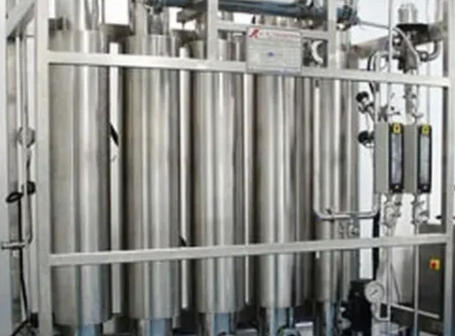
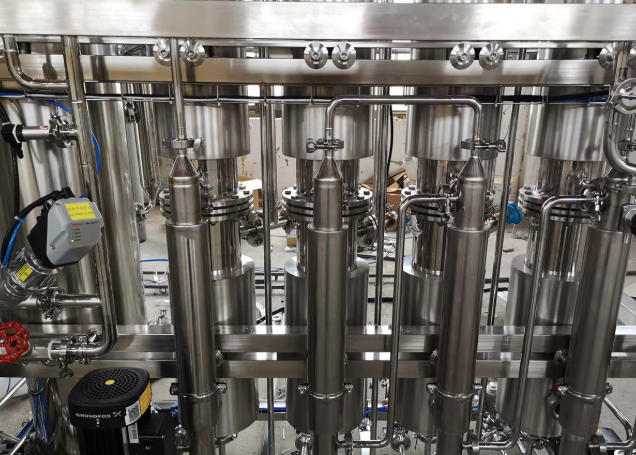
Everheal's multi-functional water distillation machines apply pharmaceutical technology to ensure enhanced purity through multi-effect evaporation, making them ideal for healthcare, laboratories, and home users concerned about precision and quality.
How to Store Distilled Water Properly
Proper storage is critical to maintaining the purity of distilled water.
Guidelines:
- Use only sterile glass or BPA-free plastic containers with airtight lids.
- Keep containers sealed and stored in a cool, shaded area away from direct sunlight.
- Avoid touching the mouth of the container or dipping objects into the water.
- For CPAP use, prepare only the amount needed for a few days to prevent contamination.
When produced with a Distillation Water Machine, distilled water can remain stable for several months if kept sealed and protected from airborne dust and chemicals.
Maintenance Tips for Distillation Water Machines
To maintain performance and ensure long-term reliability:
- Clean regularly: Flush the boiling chamber every few weeks to remove mineral residue.
- Descale when needed: Use vinegar or approved descaling agents for mineral buildup.
- Replace filters: If your machine uses a carbon filter, change it as recommended by the manufacturer.
- Avoid hard water when possible: Pre-filter your source water to extend machine life.
- Check seals and gaskets: Ensure there are no leaks that could affect condensation.
Proper care maximizes the efficiency of your distiller and guarantees consistent water purity for your CPAP humidifier.
The Role of Pharmaceutical-Grade Equipment
Companies like Everheal specialize in producing Distillation Water Machines, pure steam generators, and multi-effect water distillers widely used in pharmaceutical facilities. These systems ensure ultra-pure water essential for sterile manufacturing, laboratory testing, and clinical devices such as CPAP machines.
Using technology inspired by pharmaceutical purity requirements guarantees that even small-scale users can benefit from GMP-standard water production—an assurance of safety, reliability, and compliance with international medical water quality benchmarks.
Environmental and Economic Benefits of Distilling Your Own Water
Producing distilled water at home or within your facility has both ecological and cost-saving advantages:
- Reduced plastic waste: No need for single-use bottles.
- Lower carbon footprint: No transport or packaging emissions.
- Long-term cost savings: A one-time investment in a Distillation Water Machine eliminates continuous purchase costs.
- Greater independence: You're not reliant on store availability for CPAP water supplies.
These benefits make home distillation an eco-conscious and sustainable choice for medical equipment users and small clinics alike.
Conclusion
Using distilled water in your CPAP machine is critical for maintaining equipment longevity, ensuring health safety, and providing clean, moisture-rich air during sleep therapy. Distilled water is free from minerals, bacteria, and contaminants that could otherwise damage your device or affect your breathing comfort.
The most reliable way to produce it is through a Distillation Water Machine, which replicates professional pharmaceutical purification processes at a manageable scale. Whether you choose a home countertop model or a more advanced system like those developed by Everheal, distillation remains the gold standard for purity and reliability.
By understanding the process, following proper storage methods, and maintaining your equipment, you can ensure safe, effective use of your CPAP humidifier every night.
FAQs
1. What type of water should I use in my CPAP machine?
Always use distilled water produced by a Distillation Water Machine. It ensures purity, prevents mineral buildup, and protects your machine from contamination.
2. Can I use bottled or filtered water instead?
No. Even bottled or filtered water contains dissolved minerals and organic impurities that can damage your CPAP's humidifier chamber over time.
3. How often should I refill distilled water in my CPAP?
You should refill your CPAP humidifier with fresh distilled water daily before use. Empty any remaining water in the morning to prevent bacterial growth.
4. How long does homemade distilled water last?
If stored properly in a sealed, clean container, distilled water can remain pure for up to six months. For medical use, however, it's best to make smaller batches regularly.
5. What are the benefits of a Distillation Water Machine compared to other purification systems?
Unlike reverse osmosis or filtration, a Distillation Water Machine removes both biological and inorganic contaminants, producing ultra-pure water suitable for sensitive equipment like CPAP machines and laboratory uses.


