Content Menu
● Understanding How Dyson HEPA Air Purifiers Work
● Why Cleaning the Dyson HEPA Air Filter Matters
● How Often Should You Clean Your Dyson HEPA Filter?
● Tools and Materials You'll Need
● Step-by-Step Guide: How to Clean Dyson HEPA Air Filter
>> Step 1: Turn Off and Unplug Your Air Purifier
>> Step 2: Remove the Filter from the Device
>> Step 3: Tap Out Loose Dust
>> Step 4: Vacuum the Filter Surface
>> Step 5: Wipe the Surrounding Housing
>> Step 6: Let the Filter Rest
>> Step 7: Reinstall and Test
● Common Mistakes to Avoid When Cleaning
● Signs Your Dyson HEPA Filter Needs Replacing
● How Proper Maintenance Improves Efficiency
● Expert Tips for Maximizing Filter Life
● Conclusion
● FAQs
>> 1. Can I wash my Dyson HEPA Air Filter with water?
>> 2. How often should I replace my Dyson HEPA Air Filter?
>> 3. What happens if I don't clean or replace my filter?
>> 4. How do I know if my Dyson filter is still effective?
>> 5. Are aftermarket HEPA filters safe for Dyson purifiers?
Keeping your Dyson HEPA Air Filter clean is essential for maintaining top-level air purification performance and ensuring your indoor air stays healthy. Over time, air purifiers capture countless particles — dust, pollen, pet dander, smoke, and bacteria — but when the filter becomes clogged, airflow weakens and efficiency drops. While Dyson HEPA filters are designed for durability and long use, proper cleaning and maintenance can significantly extend their life and maintain optimal performance.
In this comprehensive guide, we'll walk you through everything you need to know about how to clean a Dyson HEPA Air Filter, covering cleaning frequency, methods, maintenance best practices, and signs that it's time to replace your filter. By the end, you'll understand how to keep your purifier performing like new.
Understanding How Dyson HEPA Air Purifiers Work
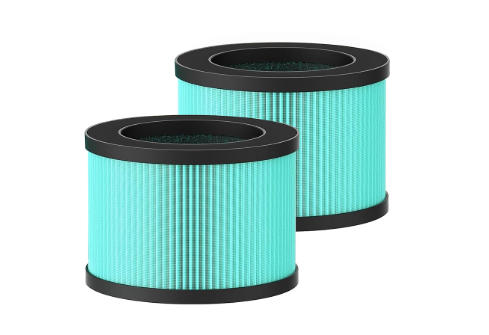
Dyson air purifiers utilize advanced High Efficiency Particulate Air (HEPA) filters, capable of capturing particles as small as 0.3 microns. These include microscopic pollutants such as allergens, bacteria, and fine dust. Dyson's filtration system is not just a passive filter—it combines several purification processes:
1. HEPA filtration: Traps 99.97% of small airborne particles.
2. Activated carbon filtration: Absorbs harmful gases and odors.
3. Air multiplier technology: Circulates purified air efficiently throughout the room.
The main point of concern for most users is the HEPA Air Filter, as it bears the main load of particulate capture. Dyson's HEPA filters are made of glass microfibers woven into a dense mesh. Though powerful, these fibers can get blocked with time, reducing airflow.
Why Cleaning the Dyson HEPA Air Filter Matters
An unmaintained HEPA Air Filter can become a breeding ground for dust and bacteria. Regular maintenance helps to:
- Improve air quality: A clean filter captures more pollutants.
- Extend purifier lifespan: Dust-clogged filters force the motor to work harder, causing wear.
- Maintain efficiency: Prevents reduced airflow and keeps energy consumption low.
- Reduce odor buildup: Dirty filters trap moisture and particles that contribute to unpleasant smells.
If your Dyson air purifier starts releasing weaker airflow or producing unusual smells, that's often a clear signal that your HEPA Air Filter needs cleaning or replacement.
How Often Should You Clean Your Dyson HEPA Filter?
How often you clean your filter depends on usage and environment. Consider these guidelines:
- Light use (1–2 hours/day): Every 3 months
- Moderate use (3–5 hours/day): Every 2 months
- Heavy use (6+ hours/day or smoky/pet-prone areas): Once per month
For households near industrial zones or in high-pollution cities, filters can gather airborne contaminants more quickly, making frequent maintenance even more crucial. Dyson typically recommends replacing filters every 12 months, but proper cleaning can extend usability slightly — although not indefinitely.
Tools and Materials You'll Need
Before starting the cleaning process, gather the following items:
- A soft, dry microfiber cloth
- A vacuum cleaner with a brush attachment (optional)
- A small, soft brush (like a paint or makeup brush)
- A clean, flat working area
- Gloves and a dust mask (for sensitive users)
You should never wash HEPA filters with water, especially those made by Dyson, as moisture can permanently damage the filter's microfibers and compromise performance.
Step-by-Step Guide: How to Clean Dyson HEPA Air Filter
Follow these steps carefully to clean and refresh your Dyson HEPA Air Filter properly without damaging it.
Step 1: Turn Off and Unplug Your Air Purifier
Always begin by turning off and unplugging the unit from the power source. This prevents accidental activation during cleaning and ensures your safety.
Step 2: Remove the Filter from the Device
- Open the filter access panel carefully.
- Depending on your Dyson model (such as the Dyson Pure Cool, Hot + Cool, or Pure Humidify+Cool), the filter housing might twist or lift out.
- Refer to your product manual for specific removal instructions.
Gently remove the HEPA Air Filter and inspect for visible dirt or discoloration.
Step 3: Tap Out Loose Dust
Take the HEPA filter outside or to a balcony. Tap it gently against a hard surface to dislodge excess dust. Avoid striking it too hard—vibration can damage the fiber structure.
Step 4: Vacuum the Filter Surface
Using a vacuum cleaner with a soft brush attachment, lightly run the brush along the outer and inner mesh. Move in circular motions to pull out embedded debris. Be gentle and avoid pressing too hard.
For Dyson's all-in-one filter design (HEPA and carbon combined), vacuum around all sides evenly to maintain balanced airflow.
Step 5: Wipe the Surrounding Housing
Dust sometimes settles inside the air purifier housing or around the fan blades. Wipe down these areas with a slightly damp microfiber cloth. Make sure everything is dry before reassembly.
Step 6: Let the Filter Rest
After cleaning, leave the filter in a clean, dry, ventilated area for about 1 hour. This ensures no hidden humidity remains from handling or from ambient air.
Step 7: Reinstall and Test
Reinsert the Dyson HEPA Air Filter into its housing securely. Power on the device and check the airflow. If the air feels strong and the purifier operates quietly, the cleaning was successful.
Common Mistakes to Avoid When Cleaning
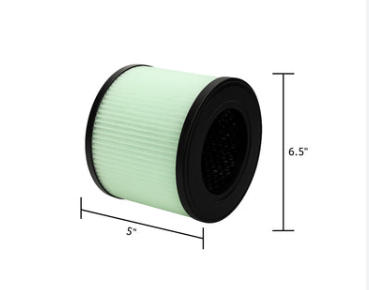
Many users accidentally reduce the lifespan of their Dyson HEPA filters due to incorrect cleaning methods. Avoid these errors:
- Never wash the filter with water. Dyson HEPA filters are not waterproof. Water ruins the microfiber structure.
- Do not use detergents or compressed air. Chemicals degrade the filter media, and strong air pressure may tear it.
- Avoid direct sunlight exposure. UV rays can weaken filter material and warp its frame.
- Do not reinstall the filter while wet. Even slight moisture may cause odor, bacteria growth, or internal damage.
When maintained properly, a Dyson HEPA Air Filter can last longer than a year while still delivering fresh, allergen-free air.
Signs Your Dyson HEPA Filter Needs Replacing
No matter how carefully you clean, every HEPA Air Filter eventually reaches its limit. Watch for these telltale signs:
- Airflow significantly reduced even after cleaning.
- Unusual odors when purifier starts running.
- Filter color turns dark grey or black.
- Increased allergy symptoms indoors.
- Dyson unit alerts you to replace the filter.
At that point, cleaning alone won't restore performance. Replace the filter with a genuine Dyson part to ensure compatible performance and sealing integrity.
How Proper Maintenance Improves Efficiency
Regularly maintaining your Dyson HEPA Air Filter offers several benefits beyond cleaner air:
1. Energy savings: Clean filters reduce resistance, meaning less power draw.
2. Quieter operation: Blocked filters make the fan work harder and louder.
3. Consistent purification: You enjoy steady pollutant removal and odor control.
4. Extended device life: Motors and internal components stay protected.
Think of filter maintenance like changing engine oil—it keeps your purifier functioning smoothly and avoids performance degradation.
Expert Tips for Maximizing Filter Life
- Place the purifier strategically. Avoid corners or spots near curtains and furniture that block airflow.
- Vacuum the surrounding area frequently. Less airborne dust means less work for the filter.
- Keep humidity moderate. Excess humidity leads to dust clumping on the filter layer.
- Don't use air fresheners close to the purifier. Aerosol oils stick to the HEPA surface.
Integrating these tips into regular home care will keep your Dyson unit running efficiently year-round.
Conclusion
Cleaning your Dyson HEPA Air Filter isn't difficult, but it's one of the most important steps in maintaining a healthy, efficient air purification system. By periodically removing dust, vacuuming gently, and avoiding moisture exposure, you can extend the lifespan of your filter and enjoy clean, purified air continuously.
Remember: while cleaning helps, every HEPA filter has a finite life. Replacing it annually ensures your Dyson keeps performing at its best — protecting your health, your home, and your environment from unwanted airborne contaminants.
FAQs
1. Can I wash my Dyson HEPA Air Filter with water?
No. Dyson HEPA filters are not washable. Using water will destroy the fine microfibers responsible for filtration and permanently reduce performance.
2. How often should I replace my Dyson HEPA Air Filter?
Typically every 12 months, but this depends on your usage environment. In dusty, smoky, or high-pollution areas, replacement might be necessary every 6–8 months.
3. What happens if I don't clean or replace my filter?
A clogged filter reduces airflow, increases power consumption, and lowers purification efficiency. It can also cause unpleasant odors or bacteria buildup inside the purifier.
4. How do I know if my Dyson filter is still effective?
Check airflow strength, listen for unusual noise, and observe the filter's color. If it's visibly dark and the purifier performs poorly even after cleaning, it's time for a replacement.
5. Are aftermarket HEPA filters safe for Dyson purifiers?
While cheaper generics exist, only genuine Dyson replacement filters guarantee perfect fit, airflow balance, and HEPA-standard purification. Using unofficial filters might void your warranty.


