Content Menu
● What is a HEPA Air Filter?
● Why Cleaning Your HEPA Air Filter Matters
● Can All HEPA Air Filters Be Cleaned?
● Tools and Materials You'll Need
● Step-by-Step Guide: How To Clean a HEPA Air Purifier Filter
>> Step 1: Turn Off and Unplug the Air Purifier
>> Step 2: Remove the Filter Carefully
>> Step 3: Assess Filter Condition
>> Step 4: Vacuum Cleaning Method (For Non-Washable Filters)
>> Step 5: Washing Method (For Washable Filters)
>> Step 6: Dry Completely Before Reinstallation
● How Often Should You Clean or Replace the HEPA Air Filter?
● Tips for Maximizing HEPA Air Filter Performance
● Common Mistakes to Avoid When Cleaning
● Environmental Considerations for HEPA Filters
● Conclusion
● FAQ: HEPA Air Filter Maintenance
>> 1. How do I know if my HEPA Air Filter needs cleaning?
>> 2. Can I use compressed air to clean a HEPA Air Filter?
>> 3. How long does a HEPA Air Filter typically last?
>> 4. Is it okay to wash a non-washable HEPA Air Filter?
>> 5. Why does my HEPA Air Purifier still smell after cleaning?
Maintaining a HEPA Air Filter is essential to ensure that your air purifier continues delivering clean and healthy air. Many people assume that once they purchase an air purifier, it will work efficiently forever. However, like any filtration system, it requires routine maintenance to stay effective. Proper cleaning and handling of your HEPA Air Filter prevent clogging, odors, and declining air quality inside your home or industrial environment.
This guide will take you through every step of cleaning, maintaining, and optimizing your HEPA Air Filter performance, helping extend its operational life while maintaining superior air purification results.
What is a HEPA Air Filter?
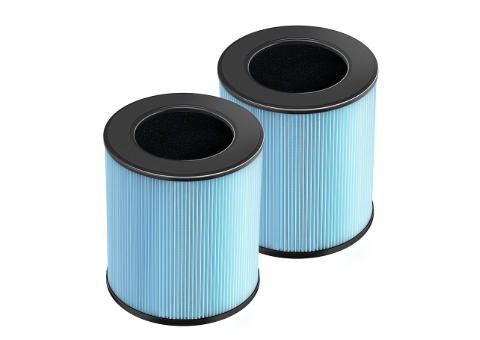
A HEPA (High Efficiency Particulate Air) filter is designed to capture at least 99.97% of airborne particles as small as 0.3 microns. That includes dust, pollen, smoke, mold spores, and bacteria. The filter uses a dense web of fibers arranged in complex layers that trap particles through various mechanisms — interception, impaction, and diffusion.
HEPA filters are widely used in residential air purifiers, hospital cleanrooms, pharmaceutical production (such as the equipment Everheal provides), semiconductor factories, and HVAC systems. Because of their sensitivity to particles, these filters clog over time and need proper care.
Why Cleaning Your HEPA Air Filter Matters
If the HEPA Air Filter is left uncleaned, it can quickly lose efficiency. A clogged filter forces the air purifier to work harder, increasing energy consumption and reducing airflow. In extreme cases, the air purifier may circulate dust back into the environment, defeating its purpose.
Here are the main reasons why regular cleaning or inspection is crucial:
- Improved airflow efficiency. Prevents strain on the motor and maintains smooth circulation.
- Extended filter lifespan. Helps you save money on replacements.
- Healthier indoor air. Keeps allergens and contaminants low.
- Odor prevention. Avoids unpleasant smells caused by trapped pollutants.
Understanding when and how to clean the filter ensures that your purifier runs optimally throughout the year.
Can All HEPA Air Filters Be Cleaned?
Not all HEPA Air Filters are washable. Some are designed for one-time use only. Always check the manufacturer's label or your user manual before attempting to clean it.
Generally, HEPA filters fall into two types:
- Washable or reusable filters: These can be rinsed with water and reused after drying.
- Non-washable filters: These must not get wet; instead, they can be vacuumed or replaced when dirty.
Using the wrong cleaning method can damage the fibers and reduce filtration efficiency, so always verify your filter's type before proceeding.
Tools and Materials You'll Need
Before cleaning, gather the following supplies:
- A vacuum cleaner with a soft brush attachment
- A microfiber cloth or soft brush
- Mild detergent (for washable filters only)
- A bucket or basin of lukewarm water
- Clean towel or drying rack
- Gloves and face mask (optional, but helpful for allergen protection)
Now let's break down the cleaning process step by step.
Step-by-Step Guide: How To Clean a HEPA Air Purifier Filter
Step 1: Turn Off and Unplug the Air Purifier
Start by switching off the air purifier and disconnecting it from the power source. Safety comes first — cleaning an electronic device while plugged in can cause damage or electrical shock.
Step 2: Remove the Filter Carefully
Open the housing unit and remove the HEPA Air Filter gently. Avoid shaking or knocking it because this could release trapped dust into the air.
Step 3: Assess Filter Condition
Hold the filter under bright light. If it's slightly dusty, a gentle vacuum or air blow might be enough. If there's noticeable dirt buildup, you'll need deeper cleaning.
For disposable filters that look dark gray or brown, replacement might be the best option.
Step 4: Vacuum Cleaning Method (For Non-Washable Filters)
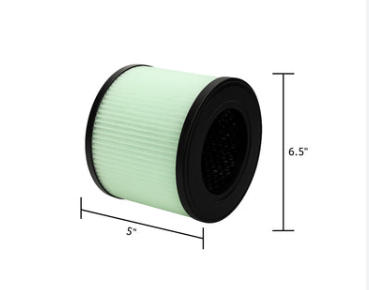
If your HEPA filter is *not washable*, use a vacuum cleaner with a soft brush attachment. Run the nozzle gently across the surface to remove visible dust and debris. Avoid pressing the brush into the fibers, as this could tear or compress them.
Once vacuumed, return the filter to its compartment and close the purifier housing securely.
Step 5: Washing Method (For Washable Filters)
If your filter is marked as *washable*:
1. Fill a basin with lukewarm water.
2. Dip the HEPA filter into the water without twisting or scrubbing it.
3. Move it slowly to dislodge dirt and dust.
4. For stubborn dirt, add a small amount of mild detergent.
5. Rinse thoroughly with clean water to remove any residue.
Always handle the filter gently — excessive force can damage the fiber mesh.
Step 6: Dry Completely Before Reinstallation
Lay the cleaned HEPA Air Filter flat on a towel or drying rack in a shaded, ventilated area. Do not use a hairdryer or expose it to direct sunlight, as this can deform the fibers. Ensure the filter is *completely dry* before reinstallation to avoid mold growth.
How Often Should You Clean or Replace the HEPA Air Filter?
Frequency depends on several factors: the air purifier's model, usage conditions, and environmental air quality. In homes with pets, smokers, or heavy pollution, cleaning every 2 to 3 months is advisable. For offices or laboratories, monthly checks are best.
Typically:
- Vacuum or wash the filter: Every 1–3 months.
- Replace the filter: Every 6–12 months, depending on use and manufacturer's guidance.
For pharmaceutical or industrial-grade environments (like those served by Everheal's systems), maintenance schedules are stricter to ensure consistent particle control.
Tips for Maximizing HEPA Air Filter Performance
- Pre-filters matter. Keep pre-filters clean to reduce load on the HEPA filter.
- Monitor air quality. Use an air quality meter to know when performance drops.
- Avoid humidity. Moisture drastically reduces a HEPA filter's effectiveness.
- Replace when necessary. Even washable filters lose performance after many cycles.
- Follow manufacturer guidelines. Each unit may have specific cleaning instructions.
By following these tips, you ensure that your purifier continues delivering the clean air you expect from a quality HEPA system.
Common Mistakes to Avoid When Cleaning
- Never use a vacuum on wet filters. It can cause damage.
- Avoid harsh chemicals. Bleach, alcohol, or strong solvents can ruin filter fibers.
- Don't wring or twist. It deforms the structure, reducing airflow.
- Skipping drying time. Reinstalling a damp HEPA Air Filter promotes bacterial growth.
- Ignoring pre-filter cleaning. Neglecting upstream filters shortens HEPA lifespan.
Environmental Considerations for HEPA Filters
Because HEPA filters trap fine pollutants, disposing of them improperly can release contaminants back into the environment. Wrap used filters in plastic before disposal. Some manufacturers offer recycling programs for HEPA media, which help minimize waste in large facilities such as pharmaceutical or cleanroom operations.
If you're using Everheal systems for pharmaceutical or sterile production, maintaining disposal records is also part of compliance with Good Manufacturing Practices (GMP).
Conclusion
Cleaning a HEPA Air Filter isn't complicated — it's a process that blends careful handling and consistency. Whether your filter is washable or non-washable, regular cleaning dramatically improves performance and ensures that your air purifier continues delivering clean, safe air.
By following this guide, you'll prolong your device's efficiency, maintain better energy consumption, and breathe fresher indoor air every day.
FAQ: HEPA Air Filter Maintenance
1. How do I know if my HEPA Air Filter needs cleaning?
Check the purifier's indicator light or look for visible dust and decreased airflow. If air output feels weak, it's time to clean or replace the filter.
2. Can I use compressed air to clean a HEPA Air Filter?
It's not recommended. Compressed air can damage the delicate fibers, reducing filtration efficiency. Stick to gentle vacuuming or washing if your filter allows it.
3. How long does a HEPA Air Filter typically last?
Most filters last *6 to 12 months* under normal use, though conditions like smoke, pets, or pollution may shorten that period.
4. Is it okay to wash a non-washable HEPA Air Filter?
No. Washing a non-washable filter can destroy the fiber mesh, leading to reduced performance. Always check the user manual for the correct cleaning method.
5. Why does my HEPA Air Purifier still smell after cleaning?
Odors may come from bacteria or mold trapped inside the purifier housing. Clean both the unit and the filter compartment thoroughly, and ensure the HEPA Air Filter is completely dry before reinstalling.


