Content Menu
● Understanding Washable Electrostatic Air Filters
● Why Cleaning Is Important
● Tools and Materials You'll Need
● Step-by-Step Guide: How To Clean a Washable Electrostatic Air Filter
>> Step 1: Turn Off the System and Remove the Filter
>> Step 2: Inspect the Filter for Damage
>> Step 3: Vacuum the Loose Dust
>> Step 4: Prepare the Cleaning Solution
>> Step 5: Soak and Rinse the Filter
>> Step 6: Shake Off Excess Water and Dry
>> Step 7: Reinstall the Filter and Test
● How Often Should You Clean a Washable Air Filter?
● Common Mistakes to Avoid
● Signs Your Washable Air Filter Needs Cleaning
● Professional Cleaning Options
● Maintenance Tips for Longer Filter Life
● Conclusion
● FAQ
>> 1. How often should I clean a Washable Air Filter?
>> 2. Can I use a pressure washer to clean it?
>> 3. How can I tell when the filter is dry enough to reinstall?
>> 4. Does washing affect the electrostatic charge of the filter?
>> 5. What's the average lifespan of a Washable Air Filter?
Maintaining clean air is essential for both residential and industrial environments. For pharmaceutical facilities, laboratories, or even general manufacturing plants, clean air contributes directly to product quality and worker safety. One of the most effective and eco-friendly solutions is a Washable Air Filter, specifically the electrostatic type. Unlike disposable filters, these filters are designed for long-term use and can be reused after proper cleaning.
In this article, we'll explore a step-by-step process for cleaning a Washable Electrostatic Air Filter, discuss its benefits, and share maintenance tips to extend its lifespan and improve your air system's efficiency.
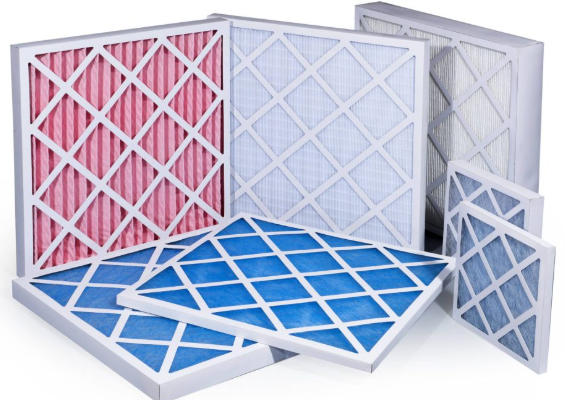
Understanding Washable Electrostatic Air Filters
A Washable Electrostatic Air Filter operates differently from a traditional disposable filter. It uses an electrostatic charge to attract and trap dust, pollen, smoke, and other airborne particles. When air passes through the layers of the filter, the friction generates static electricity. This charge captures contaminants effectively without restricting airflow.
These filters are commonly used in HVAC systems within:
- Pharmaceutical manufacturing environments
- Food and beverage processing facilities
- Laboratories and cleanrooms
- Residential air systems
Because they are washable, they reduce waste and operational costs over time—a huge advantage for factories and large-scale equipment users seeking sustainability.
Why Cleaning Is Important
Regular cleaning of a Washable Air Filter ensures consistent airflow, energy efficiency, and better air quality. A dirty filter can reduce HVAC system efficiency by up to 20% and may lead to higher energy costs. For production environments that demand strict air purity, such as pharmaceutical plants, neglecting this routine maintenance can even compromise quality control standards.
Some key benefits of cleaning your filter regularly include:
- Improved air quality: Prevents dust and microbial accumulation.
- Enhanced equipment efficiency: Keeps blowers and fans functioning smoothly.
- Cost savings: Extends filter life and reduces replacement frequency.
- Sustainability: Minimizes waste compared to disposable filters.
Tools and Materials You'll Need
Before starting, gather these essential items to ensure a thorough cleaning process for your Washable Electrostatic Air Filter:
- Soft brush or vacuum cleaner with brush attachment
- Mild detergent or specialized filter-cleaning solution
- Low-pressure water hose or sink sprayer
- Clean cloth or towel for drying
- Gloves and protective eyewear (for safety)
Avoid using high-pressure washers, harsh chemicals, or hot water, as these can damage the filter's metal mesh and coating.
Step-by-Step Guide: How To Clean a Washable Electrostatic Air Filter
Step 1: Turn Off the System and Remove the Filter
Always shut down the HVAC or air purification system before attempting to remove the filter. Carefully slide out the Washable Air Filter to avoid bending its frame. Make a note of its orientation to reinstall it properly later.
Step 2: Inspect the Filter for Damage
Before washing, inspect the filter for dents, corrosion, or torn mesh layers. If it's excessively worn, it might be time for a replacement. A well-maintained Washable Air Filter typically lasts five to ten years depending on usage and environment.
Step 3: Vacuum the Loose Dust
Use a handheld vacuum cleaner with a soft brush attachment to remove large dust particles from both sides of the filter. This prevents debris from embedding deeper during washing.
Step 4: Prepare the Cleaning Solution
Fill a basin or sink with warm water and add a few drops of mild detergent. Avoid using industrial cleaners, solvents, or bleach as they can degrade the electrostatic properties of the filter.
Step 5: Soak and Rinse the Filter
Submerge the filter completely in the solution and let it soak for 10–15 minutes. Gently swirl the filter back and forth to loosen trapped particles. Rinse the filter under running water (preferably in the opposite direction of airflow) until the water runs clear.
Step 6: Shake Off Excess Water and Dry
Shake the filter gently to remove excess water. Lay it flat on a clean towel or stand it upright in a dry, well-ventilated area. Do not reinstall the Washable Air Filter until it is completely dry to avoid mold growth or internal system contamination.
Step 7: Reinstall the Filter and Test
Once dry, carefully slide the filter back into its original position. Turn the system on and check whether the airflow feels uniform. If you notice unusual sounds or weak airflow, recheck the installation direction.
How Often Should You Clean a Washable Air Filter?
The frequency of cleaning depends on your environment. For most residential uses, cleaning every 30 to 45 days is sufficient. However, in pharmaceutical or manufacturing settings where airborne particles are heavier, it's best to clean every two weeks or even weekly during heavy production cycles.
A good maintenance routine involves marking a cleaning schedule or setting automated reminders. Clean filters ensure smoother performance and protect sensitive production processes from contamination.
Common Mistakes to Avoid
Even experienced facility managers sometimes make mistakes when maintaining Washable Air Filters. Here are a few to avoid:
- Using harsh detergents or pressure washers: These can strip the electrostatic charge.
- Not drying the filter properly: Moisture retention encourages bacterial growth.
- Skipping inspections: Minor damage, if unnoticed, can compromise filtration quality.
- Cleaning too infrequently: Dust accumulation weakens system efficiency.
Preventive maintenance is key. A clean filter not only purifies air but also extends the lifespan of HVAC components like compressors and evaporators.
Signs Your Washable Air Filter Needs Cleaning
You can usually tell when your Washable Air Filter is dirty by observing these signs:
- Reduced airflow or weak air output from vents
- Noticeable dust buildup on surfaces even after cleaning
- Unusual odors or musty smell from vents
- Increased energy bills due to system strain
If any of these occur, it's time to clean or check your filter.
Professional Cleaning Options
For industrial installations such as those used in cleanrooms or pharmaceutical facilities, professional cleaning services can handle filters with certified solutions and regulated drying processes. Partnering with a qualified service provider ensures compliance with GMP (Good Manufacturing Practice) requirements and environmental standards.
However, most standard Washable Air Filters can be effectively cleaned on-site using the steps described above, saving both time and money.
Maintenance Tips for Longer Filter Life
To keep your Washable Electrostatic Air Filter working efficiently for years:
- Clean it on schedule and inspect for damage each time.
- Store a spare filter to keep your system running during drying time.
- Keep the surrounding area dust-free to reduce load on the filter.
- Record cleaning and inspection dates for quality control documentation.
- Choose high-quality electrostatic filters from reputable suppliers.
With proper care, your filter can provide reliable performance for nearly a decade.
Conclusion
A Washable Electrostatic Air Filter is an economical and eco-friendly choice for maintaining high air quality in homes, commercial buildings, and industrial facilities. Regular cleaning keeps the system energy-efficient, reduces maintenance costs, and promotes a healthier working environment. By following correct cleaning and handling procedures, you ensure your filter performs optimally and supports the long-term productivity of your HVAC system or production line.
FAQ
1. How often should I clean a Washable Air Filter?
Most filters should be cleaned every 30 to 45 days. Facilities with high airborne particle levels, like pharmaceutical plants, may need weekly cleaning.
2. Can I use a pressure washer to clean it?
No. High-pressure water can damage the filter's aluminum mesh and reduce its electrostatic effectiveness. Always use low pressure and mild detergent.
3. How can I tell when the filter is dry enough to reinstall?
The filter should be completely dry to the touch—no moisture or dampness. Air-dry it for several hours in a warm, ventilated area before reinstalling.
4. Does washing affect the electrostatic charge of the filter?
Proper washing with mild detergent will not harm the electrostatic charge. However, harsh chemicals or hot water can reduce charge strength, so avoid them.
5. What's the average lifespan of a Washable Air Filter?
When maintained properly, electrostatic filters can last five to ten years. Their long service life offsets the upfront cost and reduces environmental waste.


