Content Menu
● Understanding What a Washable Air Filter Is
● Benefits of Using a Washable Air Filter
● How Often Should You Clean a Washable Air Filter?
● Step-by-Step Guide: How To Clean a Washable Air Filter at Home
>> Step 1: Turn Off the Equipment
>> Step 2: Remove the Filter
>> Step 3: Vacuum the Surface
>> Step 4: Prepare a Cleaning Solution
>> Step 5: Soak and Rinse
>> Step 6: Dry the Filter Completely
>> Step 7: Reinstall the Filter
● Tips for Maintaining a Washable Air Filter
● Common Mistakes to Avoid
● Choosing the Right Washable Air Filter
● Why Regular Cleaning Matters
● Conclusion
● FAQ
>> 1. How long does a washable air filter last?
>> 2. Can I use soap or detergent to clean my filter?
>> 3. What happens if I reinstall the filter while still wet?
>> 4. Can I vacuum the washable air filter instead of washing?
>> 5. How can I tell when my washable air filter needs cleaning?
Having a washable air filter in your HVAC system or air purifier is an economical and environmentally friendly choice. Instead of constantly replacing disposable filters, you can simply clean and reuse your washable model several times before it needs replacement. However, cleaning these filters properly is essential to maintain good indoor air quality, system efficiency, and filter longevity.
In this detailed guide, we will explain step-by-step how to clean a washable air filter at home, common mistakes to avoid, and useful maintenance tips to keep your filter in the best condition.
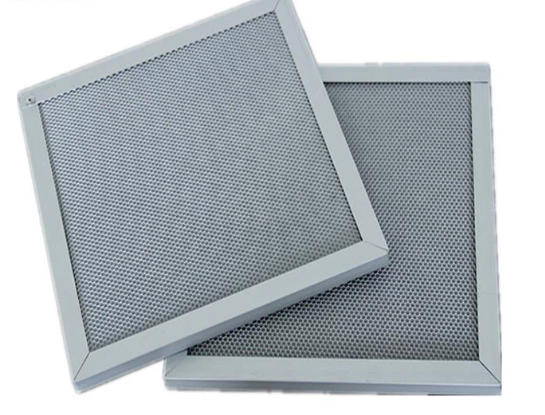
Understanding What a Washable Air Filter Is
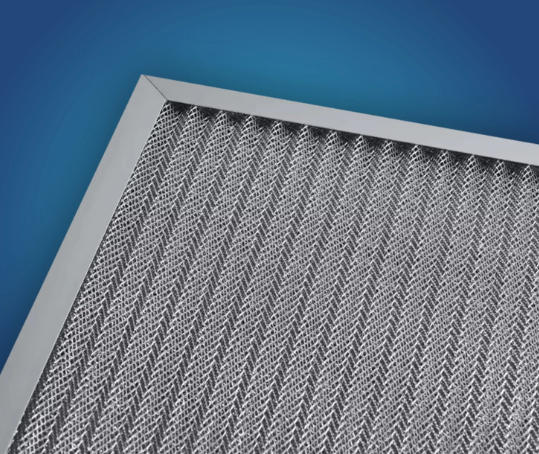
A washable air filter is typically made of durable materials such as metal mesh, synthetic fibers, or electrostatic media that can withstand washing with water and mild detergent. Unlike disposable filters, these are designed for reuse after proper cleaning and drying.
These filters trap contaminants such as:
- Dust and pollen
- Pet dander and hair
- Mold spores
- Smoke particles
- Industrial pollutants
They are widely used in air purifiers, ventilation systems, HVAC units, and sometimes in industrial pharmaceutical environments, where maintaining controlled air cleanliness is critical.
Benefits of Using a Washable Air Filter
Choosing a washable air filter offers multiple advantages:
1. Eco-friendly: Reduces waste since you don't discard filters every month.
2. Cost-effective: One washable filter can last several years, saving long-term costs.
3. High performance: When properly maintained, it provides consistent airflow and particle filtration.
4. Adaptable applications: Suitable for household, industrial, and cleanroom environments.
5. Easy upkeep: Can be cleaned with simple home tools like water, detergent, or vacuuming.
For pharmaceutical manufacturing or sterile processing facilities—such as those served by our company Everheal—clean, filtered air is fundamental to product safety. Proper air filtration prevents contamination and keeps production cleanrooms within regulatory air quality standards.
How Often Should You Clean a Washable Air Filter?
The ideal cleaning frequency depends on the environment and equipment use. As a general rule:
- Residential use: Every 30–45 days, or more frequently if you have pets or allergies.
- Industrial environments: Every 2–3 weeks under heavy air pollution or dust loads.
- Pharmaceutical plants or cleanrooms: After every production cycle or based on validated maintenance schedules.
Regular inspection ensures that dust build-up never restricts airflow or reduces filtration efficiency.

Step-by-Step Guide: How To Clean a Washable Air Filter at Home
Cleaning your washable air filter is a simple process, but it must be done carefully to avoid damaging the filter media. Follow the steps below for best results.
Step 1: Turn Off the Equipment
Always switch off your HVAC unit, air purifier, or any other device before removing the filter. This ensures your safety and prevents unfiltered air from entering the system.
Step 2: Remove the Filter
Gently lift or slide out the washable air filter from its holder. Pay attention to the direction of airflow marked on the filter frame—this will help you reinstall it correctly later.
Step 3: Vacuum the Surface
Using a handheld vacuum or brush attachment, remove loose dust and debris from the filter's surface. Vacuuming first helps speed up the washing process and reduces water cloudiness.
Step 4: Prepare a Cleaning Solution
Fill a basin or sink with warm water and a mild household detergent. Avoid harsh chemicals, bleach, or solvents, as these can degrade the filter material or reduce its electrostatic function.
Step 5: Soak and Rinse
Submerge the washable air filter in the soapy water and let it soak for about 15–20 minutes. Gently agitate it with your hands to loosen deep-seated dust.
Rinse thoroughly under running water until the flow is clear and free of soap residue.
Step 6: Dry the Filter Completely
Shake off excess water after rinsing. Then place the filter in a clean, shaded area to air dry completely. Do not use direct sunlight, heaters, or hair dryers, as high heat can warp the filter frame or melt synthetic fibers.
Step 7: Reinstall the Filter
Once fully dry, reinstall the washable air filter, ensuring the correct airflow direction as marked. Make sure all seals and edges fit tightly to prevent air bypass.
Tips for Maintaining a Washable Air Filter
- Check regularly: Inspect every 2–4 weeks to see if cleaning is needed.
- Avoid pressure washing: High water pressure can damage filter fibers.
- Clean before buildup is visible: Waiting until the filter looks dark or clogged decreases system efficiency.
- Label cleaning dates: Keep a simple maintenance record to ensure consistency.
- Replace after extended use: Even washable filters have a lifespan—typically 3–5 years depending on material and conditions.
Common Mistakes to Avoid
While cleaning a washable air filter sounds simple, many people make preventable errors that reduce its performance or lifespan.
1. Using hot or boiling water: It can damage glue seals or deform the frame.
2. Skipping drying time: Reinstalling a wet filter encourages mold growth.
3. Ignoring airflow direction: Reversed installation reduces effectiveness.
4. Cleaning with strong chemicals: Solvents may ruin electrostatic properties.
5. Over-cleaning: Excessive washing can wear down the material faster than necessary.
Choosing the Right Washable Air Filter
Not all washable filters are equal. Consider these aspects before purchasing or replacing one:
- MERV rating: The Minimum Efficiency Reporting Value (MERV) indicates how well a filter traps particles. Residential filters generally range between MERV 6 and 11, while industrial ones may go up to MERV 16.
- Material type: Aluminum, stainless steel mesh, or synthetic media each have distinct cleaning and durability traits.
- Frame design: Sturdy aluminum or ABS frames resist corrosion and extend service life.
- Size compatibility: Always match the exact size specified by your equipment manufacturer.
- Environment requirements: For critical cleanrooms or pharmaceutical manufacturing, filters must comply with GMP and ISO cleanroom standards.
Companies like Everheal design and supply high-precision filtration and purification systems—including pure steam generators, distilled water systems, and sterilization solutions—that depend heavily on reliable, properly maintained air filters for optimal function and contamination control.
Why Regular Cleaning Matters
Airflow restriction caused by a dirty filter makes your system work harder. This leads to:
- Higher energy consumption
- Faster wear on fans and compressors
- Reduced air quality
- Increased bacterial growth on uncleaned media
By cleaning your washable air filter on schedule, you not only maintain cleaner air but also extend your system's service life and enhance energy efficiency—essential benefits for both homes and industrial operations.
Conclusion
Learning how to clean a washable air filter at home is a simple yet valuable step toward improving your indoor air quality and system performance. Proper cleaning removes accumulated dust, allergens, and microorganisms, enabling better airflow and healthier breathing conditions.
Whether used in HVAC systems, air purifiers, or pharmaceutical environments, a regularly maintained washable air filter can operate efficiently for years—saving costs while supporting cleaner, more sustainable operations.
FAQ
1. How long does a washable air filter last?
A high-quality washable air filter usually lasts between 3 to 5 years, depending on its material, usage environment, and maintenance frequency.
2. Can I use soap or detergent to clean my filter?
Yes. Use a mild detergent or gentle dish soap in warm water. Avoid bleach, solvent cleaners, or overly strong chemicals that could harm the filter media.
3. What happens if I reinstall the filter while still wet?
Moisture trapped inside the filter may promote mold growth and a musty odor. Always let the filter dry completely before reinstalling it.
4. Can I vacuum the washable air filter instead of washing?
Vacuuming helps remove surface dust but does not clean deep contaminants. It's best to combine both methods—vacuuming first, then washing and drying thoroughly.
5. How can I tell when my washable air filter needs cleaning?
If airflow decreases, you notice unusual odors, or see visible dust layers, it's time for cleaning. Many systems also have maintenance indicators or sensors for this purpose.


