Content Menu
● What Is a CPAP Machine?
● Why CPAP Machines Require Distilled Water
>> 1. Preventing Mineral Buildup
>> 2. Reducing Bacterial and Microbial Contamination
>> 3. Extending CPAP Machine Lifespan
● How Distilled Water Is Made
● Alternatives to Distilled Water in CPAP Machines
● Why Pharmaceutical-Grade Distillation Water Machines Matter
>> Benefits of a Pharmaceutical-Grade Distillation System
● The Role of Water Quality in Respiratory Health
● Maintaining Your CPAP Humidifier with Distilled Water
>> Step-by-Step Usage Tips
● Conclusion
● FAQ: Common Questions About CPAP and Distilled Water
>> 1. What happens if I use tap water in my CPAP machine?
>> 2. Can I use bottled water instead of distilled water?
>> 3. How often should I change the distilled water in my CPAP humidifier?
>> 4. Is it safe to make distilled water at home?
>> 5. Does using distilled water improve my sleep quality?
For people who use CPAP (Continuous Positive Airway Pressure) machines, understanding the type of water required is crucial for both device longevity and personal health. While regular tap water may seem harmless, using distilled water is the gold standard for maintaining performance and hygiene. Let's explore why CPAP machines require distilled water, how it's made, and the indispensable role of a Distillation Water Machine in this process.
What Is a CPAP Machine?
A CPAP machine helps individuals with sleep apnea breathe more easily during sleep. It delivers a constant flow of pressurized air through a mask to keep the airway open. Most CPAP devices come with a humidifier chamber to prevent dryness in the user's nose and throat.
The water inside the humidifier is converted into moisture-infused air. However, not all water types are safe for this function. The wrong choice can lead to mineral buildup, bacterial growth, and equipment malfunction.
Why CPAP Machines Require Distilled Water
1. Preventing Mineral Buildup
Tap water and spring water contain minerals such as calcium, magnesium, and iron. When these minerals evaporate, they leave behind deposits known as scale. Over time, scale builds up in the CPAP water chamber and tubing, making cleaning difficult and reducing efficiency.
Using water produced by a Distillation Water Machine completely eliminates this risk because distilled water is free from minerals and impurities. The distillation process ensures the water that reaches your humidifier is pure vapor condensed back into liquid form.
2. Reducing Bacterial and Microbial Contamination
Even purified tap water can contain traces of bacteria or organic compounds. When heated in a humidifier, these microbes can multiply and potentially be inhaled by the user, posing serious health hazards.
Distilled water, however, undergoes an intense purification process in a Distillation Water Machine, which removes both inorganic and organic contaminants. The result is microbiologically safe water that protects both the machine and the user.
3. Extending CPAP Machine Lifespan
A CPAP device is a significant investment, and maintaining it properly helps avoid costly replacements. Mineral scale and bacterial film can clog internal components, damage seals, and corrode stainless-steel parts.
Consistent use of distilled water helps keep the humidifier components clean, ensuring optimal performance. Many hospitals and pharmaceutical facilities rely on purified water produced by Distillation Water Machines for medical-grade humidification systems for this same reason.
How Distilled Water Is Made
Distilled water is created through a process that involves heating, evaporation, and condensation. A Distillation Water Machine carries out this three-step process in a controlled environment.
1. Heating: The machine heats the input water until it boils, turning it into steam.
2. Evaporation: The steam rises, leaving behind impurities such as salts, heavy metals, and microorganisms.
3. Condensation: The steam is then cooled in a condenser, transforming back into purified liquid water.
The result is distilled water with extremely low conductivity and zero chemical residues. Pharmaceutical plants often use multi-effect distillation units like those developed by companies such as Everheal, which design advanced Distillation Water Machines for water preparation systems, pure steam generators, and sterilization processes.
Alternatives to Distilled Water in CPAP Machines
Some users may wonder if alternatives like filtered, bottled, or demineralized water are acceptable substitutes. While these might seem similar, they don't provide the same purity level as distilled water.
- Filtered water: Removes some impurities but not all minerals or microbes.
- Bottled water: May still contain trace minerals that leave deposits over time.
- Reverse osmosis (RO) water: A close alternative, but not as pure as distilled water.
Ultimately, only water created by a Distillation Water Machine ensures full compliance with purity standards recommended by CPAP manufacturers and healthcare institutions.
Why Pharmaceutical-Grade Distillation Water Machines Matter
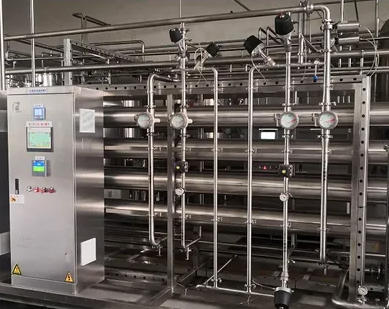
Modern Distillation Water Machines are used across pharmaceutical and healthcare sectors to produce sterile water for critical applications. For CPAP users, understanding these industrial standards provides confidence in the safety of the water they use.
High-quality machines, like Everheal's multi-effect distillers, guarantee efficient water production with automated monitoring of temperature, conductivity, and flow rates. This not only ensures sterile water but also improves energy efficiency — an increasingly important consideration for sustainable medical equipment operation.
Benefits of a Pharmaceutical-Grade Distillation System
- Consistent water purity (meets global pharmacopeia standards).
- Low operational cost and high output efficiency.
- Reduced carbon footprint compared to traditional purification methods.
- Compatibility with automated sterilization systems.
Whether for a hospital humidifier system or personal CPAP device, using water derived from professional equipment ensures optimal reliability.
The Role of Water Quality in Respiratory Health
Poor water quality can lead to mineral dust, harmful vapor emissions, or bacterial exposure, all of which interfere with proper respiratory care. For individuals with respiratory disorders, maintaining air humidity through clean, distilled water directly impacts comfort and recovery.
Clinical studies have shown that even small mineral residues in humidifier systems can cause irritation or allergic reactions. This reinforces why every CPAP user should rely on distilled water from a verified Distillation Water Machine.
Maintaining Your CPAP Humidifier with Distilled Water
Step-by-Step Usage Tips
1. Refill Daily: Empty and replace the distilled water every day to prevent microbial growth.
2. Clean Weekly: Use mild detergent and rinse thoroughly. Never use bleach or alcohol.
3. Inspect Components: Regularly check for any signs of discoloration or scale (though distilled water minimizes this).
4. Store Properly: Keep distilled water in a sealed, clean container to prevent contamination.
Following these steps ensures your CPAP system continues to deliver clean, comfortable humidified air.
Conclusion
Distilled water is essential for keeping CPAP machines clean, safe, and efficient. By preventing mineral scaling, eliminating microbial contamination, and extending device longevity, distilled water produced by a reliable Distillation Water Machine supports both respiratory health and equipment reliability.
Whether you're a hospital equipment manager or an individual CPAP user, choosing distilled water isn't just a recommendation—it's a smart investment in your health and the performance of your device.
For global pharmaceutical and healthcare markets, advanced manufacturers such as Everheal continue developing superior Distillation Water Machines, pure steam generators, and integrated sterile water systems that enhance hygiene and efficiency everywhere human health depends on pure water.
FAQ: Common Questions About CPAP and Distilled Water
1. What happens if I use tap water in my CPAP machine?
Using tap water can lead to mineral deposits building up inside the humidifier chamber. Over time, this can damage the machine and cause hygiene issues. Distilled water from a Distillation Water Machine prevents these problems by being completely free of minerals and impurities.
2. Can I use bottled water instead of distilled water?
While bottled water looks clean, it often contains minerals that leave residue in your CPAP chamber. Only distilled water ensures total purity since it's produced through boiling and condensation in a Distillation Water Machine.
3. How often should I change the distilled water in my CPAP humidifier?
It's recommended to change the distilled water every 24 hours. Even though distilled water is pure, prolonged exposure to air can allow bacteria to enter the water chamber.
4. Is it safe to make distilled water at home?
Yes, you can make it at home using small countertop Distillation Water Machines, which apply the same heating and condensation technology as industrial systems. However, commercially produced pharmaceutical-grade machines, like those from Everheal, provide higher output and greater consistency.
5. Does using distilled water improve my sleep quality?
Indirectly, yes. Distilled water ensures your CPAP runs cleanly, preventing unexpected mechanical issues or unpleasant odors. Better air quality enhances comfort and keeps airflow consistent throughout the night.


