Content Menu
● Understanding How CPAP Machines Work
>> The Role of Water in CPAP Humidifiers
● Why CPAP Machines Require Distilled Water
>> Scientific Basis: Why Purity Matters
● Distilled vs. Other Types of Water for CPAP Machines
● The Risks of Using Non-Distilled Water in CPAP Machines
>> 1. Scale Formation
>> 2. Bacterial and Mold Growth
>> 3. Shortened Equipment Life
>> 4. Health Risks
>> 5. Odor and Discomfort
● How a Distillation Water Machine Works
>> Step-by-Step Process:
● The Importance of Professional-Grade Water Purification
● Can You Make Distilled Water at Home?
● Everheal's Expertise in Distilled Water Production Systems
>> Advantages of Everheal Systems:
● How Often Should You Refill or Replace CPAP Water?
>> Maintenance Tips:
● Alternative Water Options During Emergencies
● Environmental Considerations
● Conclusion
● FAQ
>> 1. What happens if I use tap water in my CPAP machine?
>> 2. Can I use boiled water instead of distilled water?
>> 3. How often should I clean my CPAP humidifier?
>> 4. Can I make distilled water at home?
>> 5. How does a Distillation Water Machine differ from reverse osmosis?
Continuous Positive Airway Pressure (CPAP) machines have revolutionized the way people with sleep apnea manage their condition. Among the most frequently asked questions by CPAP users is: “Do all CPAP machines need distilled water?” The short answer is yes—most CPAP humidifiers perform best and last longer when using distilled water. However, there are nuances worth exploring, including why distilled water matters, what happens when you don't use it, and how modern Distillation Water Machine technology contributes to improving CPAP usage efficiency.
In this article, we'll dive deep into these aspects, covering scientific, practical, and industrial perspectives. As a global manufacturer providing Distillation Water Machines, pure steam generators, and pharmaceutical-grade water systems, Everheal helps ensure consistent water quality for medical and industrial applications—including CPAP humidifiers.
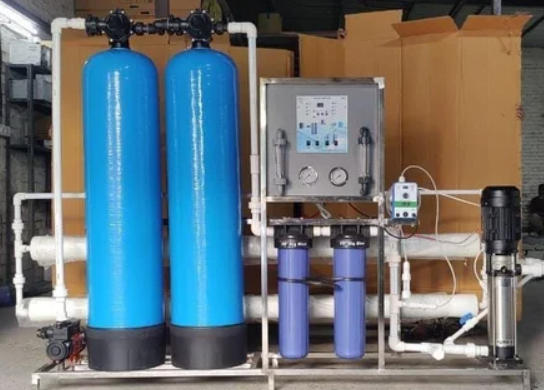
Understanding How CPAP Machines Work
CPAP machines are medical devices designed to keep the airways open during sleep by providing continuous airflow through a mask. Many CPAP systems include a humidifier chamber, where water is heated to create moisture in the airflow. This prevents dryness of the nasal passages, throat, and mouth—common side effects when using CPAP therapy without humidification.
The Role of Water in CPAP Humidifiers
The water in a CPAP humidifier serves two main purposes:
1. Adds moisture to the breathing air, improving comfort and preventing irritation.
2. Ensures thermal stability and filtration within the humidification chamber.
However, using the wrong type of water—for example, tap water, mineral water, or well water—can cause severe scaling, microbial buildup, and internal corrosion in the humidifier. That's where distilled water becomes essential.
Why CPAP Machines Require Distilled Water
Distilled water is water that has undergone a distillation process to remove minerals, salts, organic matter, and microbial contaminants. The process involves boiling the water and collecting the steam, which condenses into a pure, mineral-free fluid.
In the context of CPAP use, this purity ensures:
- No mineral residue buildup on the humidifier chamber and tubing.
- Reduced risk of bacterial growth in standing water.
- Optimal device performance and extended lifespan.
Scientific Basis: Why Purity Matters
Distilled water eliminates ions like calcium (Ca⊃2;⁺), magnesium (Mg⊃2;⁺), and sodium (Na⁺) that can react with heat to form scale. Over time, these residues crystallize and coat internal surfaces, reducing heat transfer efficiency and causing mechanical wear.
A high-quality Distillation Water Machine produces pharmaceutical-grade distilled water that meets standards such as USP, EP, or JP—ensuring water free from pyrogens, endotoxins, and solids. Such machines are commonly used in pharmaceutical manufacturing but are equally beneficial for medical device maintenance.
Distilled vs. Other Types of Water for CPAP Machines
Different types of water vary in terms of purity and suitability for CPAP humidifiers. Let's compare them.
| Water Type | Composition | Suitability for CPAP | Notes |
| Distilled Water | 99.9% pure H₂O, no minerals | ✅ Ideal | Prevents scaling and microbial growth |
| Deionized Water (DI) | Free of ions but may contain organic impurities | ⚠️ Acceptable if no other option | Use only temporarily |
| Reverse Osmosis (RO) Water | Reduced impurities, but may leave traces | ⚠️ Better than tap water | Ideal interim measure |
| Tap Water | Contains minerals, chlorine, microbes | ❌ Not recommended | Can cause buildup and reduce humidifier lifespan |
| Bottled Mineral Water | Contains calcium, magnesium | ❌ Dangerous for devices | Leads to scaling and residue |
A Distillation Water Machine ensures reproducible, consistent purity levels far higher than household filters or RO systems can achieve.
The Risks of Using Non-Distilled Water in CPAP Machines
Even though a few users might occasionally use tap water without immediate problems, continuous use of impure water can cause serious issues over time.
1. Scale Formation
Minerals from tap water build up on humidifier plates, reducing evaporation efficiency and potentially damaging heating elements.
2. Bacterial and Mold Growth
Untreated water may harbor bacteria, fungi, or biofilm that thrive in warm, moist environments—causing respiratory risks.
3. Shortened Equipment Life
Scale, rust, and bio-deposits reduce CPAP component durability, increasing maintenance costs and reducing warranty coverage.
4. Health Risks
Inhaling contaminated vapor from impure water may lead to respiratory infections or allergic reactions, particularly in immunocompromised patients.
5. Odor and Discomfort
Impurities can cause unpleasant smells and alter the taste of the humidified air, reducing comfort during sleep.
For these reasons, most manufacturers explicitly state in their manuals: “Use distilled water only.”
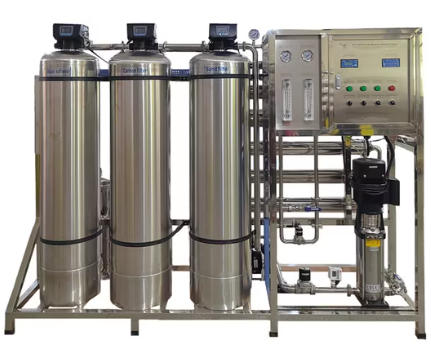
How a Distillation Water Machine Works
A modern Distillation Water Machine automates the process of making pure water suitable for CPAP machines and other medical or pharmaceutical applications.
Step-by-Step Process:
1. Heating: Raw water is heated until it begins to boil and steam forms.
2. Separation: The steam rises, leaving contaminants, salts, and heavy metals behind.
3. Condensation: The purified steam cools and converts back into liquid water.
4. Collection: The condensed water is stored in a clean stainless-steel reservoir.
5. Optional UV or Ozone Sterilization: This step ensures no microbial contaminants remain.
Industrial Distillation Water Machines used by companies like Everheal integrate automation, conductivity monitoring, and feedback systems to ensure consistent output purity. For personal users, tabletop or portable distillers provide a similar function, creating CPAP-suitable distilled water at home.
The Importance of Professional-Grade Water Purification
Professional Distillation Water Machines are engineered to meet the strictest purity standards. For example:
- Multi-effect distillation systems produce water with conductivity <1 µS/cm.
- Pure steam generators produce sanitary vapor for sterilization.
- Multi-function distilled water units integrate heating, cooling, and filtration in one system.
These systems are commonly found in:
- Pharmaceutical production
- Laboratories and research centers
- Medical device sterilization
- Water injection and drug manufacturing
As global environmental and quality standards rise, Everheal's pharmaceutical-grade Distillation Water Machines have become widely adopted in hospitals, laboratories, and biopharmaceutical factories.
Can You Make Distilled Water at Home?
Yes. If you don't have immediate access to industrial distilled water, home distillation is a viable solution. A small Distillation Water Machine designed for domestic use can produce 3–4 liters of distilled water per session.
Here's how users can make distilled water safely:
1. Pour tap water into the distiller.
2. Run the distillation cycle.
3. Allow it to cool completely.
4. Store the distilled water in a clean, sealed glass container.
This water can then be used to refill your CPAP humidifier chamber daily. However, remember to clean both the distiller and CPAP chamber regularly to maintain hygiene.
Everheal's Expertise in Distilled Water Production Systems
Everheal specializes in Distillation Water Machines, Pure Steam Generators, and Water for Injection Systems. Each product is built to comply with international standards such as cGMP, USP, and FDA 21 CFR Part 11.
Advantages of Everheal Systems:
- High-purity output suitable for medical and pharmaceutical industries.
- Modular design for easy scalability.
- Energy-efficient operation and reduced downtime.
- Intelligent PLC control with real-time conductivity monitoring.
These capabilities make Everheal a trusted partner for global clients seeking reliable Distillation Water Machine solutions.
How Often Should You Refill or Replace CPAP Water?
CPAP humidifier water should be refilled daily and the chamber cleaned regularly. Even when using distilled water, stagnant water can support bacterial growth if left overnight for several days.
Maintenance Tips:
- Empty unused water every morning.
- Rinse the chamber with fresh distilled water before refilling.
- Disinfect weekly using mild soap or white vinegar solution.
- Avoid harsh chemicals, as residues can damage components.
Adhering to these practices enhances hygiene and equipment life.
Alternative Water Options During Emergencies
In rare cases where distilled water isn't available, users may use boiled and cooled tap water temporarily, though it should be replaced as soon as distilled water becomes available.
However, boiling only kills microorganisms; it does not remove dissolved minerals. Therefore, boiled water cannot replace distilled water in routine CPAP use.
A small personal Distillation Water Machine provides the best long-term solution, ensuring constant supply without relying on bottled water purchases.
Environmental Considerations
Producing distilled water requires energy, especially for high output. Everheal's latest energy recovery distillation systems minimize resource use through:
- Steam compression technology.
- Heat exchanger reuse.
- Automated power regulation.
These innovations reduce both operational costs and carbon footprint, proving that sustainable purity is achievable.
Conclusion
So, do all CPAP machines need distilled water?
Yes—using distilled water is essential for maintaining the hygiene, performance, and longevity of your CPAP system. Distilled water prevents mineral buildup, bacterial contamination, and costly technical issues.
For reliable access to high-purity water, investing in a Distillation Water Machine—whether personal or industrial—offers unmatched consistency and safety. As a leading supplier of water purification solutions, Everheal continues to provide advanced systems for hospitals, pharmaceutical factories, and users seeking uncompromising purity.
FAQ
1. What happens if I use tap water in my CPAP machine?
Using tap water can cause mineral deposits, microbial contamination, and long-term damage to your humidifier. Always prefer distilled water made by a Distillation Water Machine.
2. Can I use boiled water instead of distilled water?
Boiled water kills microorganisms but does not remove minerals. It's only a temporary solution; distilled water remains the safest choice.
3. How often should I clean my CPAP humidifier?
Clean the water chamber daily with mild soap or distilled water and disinfect weekly to prevent mold and bacteria growth.
4. Can I make distilled water at home?
Yes, using a home Distillation Water Machine or distiller. It's simple, cost-effective, and ensures pure water for regular CPAP use.
5. How does a Distillation Water Machine differ from reverse osmosis?
RO systems filter water through membranes, while distillation physically separates pure steam. Distillation Water Machines produce higher purity suitable for medical and pharmaceutical-grade applications.


