


Views: 222 Author: Rebecca Publish Time: 2025-12-08 Origin: Site


Content Menu
● What Is Vapor Distilled Water?
● Why CPAP Machines Need Pure Water
● Vapor Distilled Water vs. Standard Distilled Water
● How a Distillation Water Machine Works
● Benefits of Using Vapor Distilled Water from a Distillation Water Machine in CPAP
● Distillation Water Machine Solutions for Medical and Pharmaceutical Use
● Practical Tips for CPAP Users
● Safety and Quality Considerations
● Cost and Sustainability of Distillation Water Machines
● Frequently Asked Questions (FAQ)
>> 1. Is vapor distilled water safe for all CPAP machines?
>> 2. Do I still need to clean my humidifier if I use vapor distilled water?
>> 3. Can I mix vapor distilled water with tap or filtered water to save cost?
>> 4. Is it worth buying a Distillation Water Machine just for CPAP use?
Vapor distilled water is one of the safest and most effective options for use in a CPAP machine, because it meets the purity needs of both the humidifier hardware and the patient's respiratory system. When this vapor distilled water is produced by a pharmaceutical-grade Distillation Water Machine, it can provide consistent, ultra-pure water that protects CPAP devices from scaling and contamination while ensuring comfortable, hygienic therapy for long-term sleep apnea management.

Vapor distilled water is water that has been purified through evaporation and condensation, where the liquid is converted into vapor and then condensed back into liquid, leaving behind minerals, metals, salts, and most organic contaminants. In many advanced systems, the vaporization process occurs in multiple stages to further reduce impurities and improve overall quality. This multi-stage vapor distillation is commonly implemented in a high-end Distillation Water Machine that is designed to meet strict purity requirements for medical and pharmaceutical applications.
Unlike simple filtration or basic purification methods, vapor distillation removes both dissolved solids and many volatile contaminants when combined with appropriate pre-treatment and post-treatment controls. This makes vapor distilled water particularly suitable for applications where very low conductivity and low microbial counts are essential, such as in CPAP humidifiers, sterile processing, and pharmaceutical production. When vapor distilled water is generated by a Distillation Water Machine that follows Good Manufacturing Practice (GMP) principles, the result is a stable and reliable source of water that aligns with the needs of sensitive medical devices.
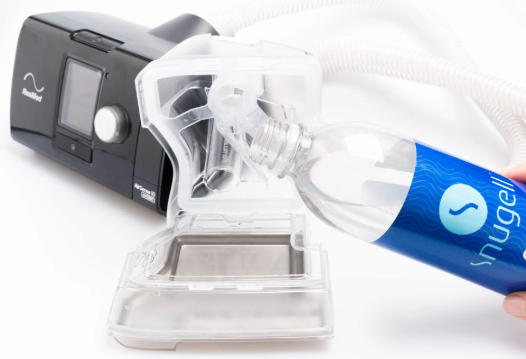
CPAP machines use pressurized air to keep the upper airway open during sleep, and many devices incorporate heated humidifiers to prevent dryness and irritation of the nose, throat, and lungs. The water placed in the humidifier chamber is turned into moisture that is inhaled throughout the night, which makes water quality a direct factor in respiratory health. If the water contains minerals or microbial contamination, these can be deposited in the device and potentially reach the user's airway over time.
Tap water, even if safe for drinking, typically contains dissolved minerals like calcium and magnesium. When heated and evaporated inside the CPAP humidifier, these minerals are left behind as scale on the walls and heating element. Over time, this scale can damage the humidifier, reduce heating efficiency, and shorten the lifespan of the equipment. In contrast, vapor distilled water produced by a well-designed Distillation Water Machine has extremely low mineral content, significantly reducing or eliminating scale formation.
Another concern is microbiological growth in standing water. If water is not pure, or if the humidifier chamber is not cleaned regularly, bacteria and other microorganisms can multiply, especially in warm conditions. Using high-purity vapor distilled water from a Distillation Water Machine reduces the initial microbial load, making it easier to keep the system clean and safe when combined with regular hygiene practices.
Many CPAP manufacturers specify “distilled water” for use in their manuals, which can lead to questions about whether vapor distilled water is equivalent or even better. Standard distilled water is produced by boiling water, condensing the steam, and collecting the distillate in a single stage. This process is effective at reducing minerals and many contaminants, but the overall purity level depends heavily on equipment design, maintenance, and operating conditions.
Vapor distilled water is typically associated with more advanced distillation configurations, which may include multiple evaporation and condensation stages, degassing steps, and additional controls to minimize carryover of impurities. A dedicated Distillation Water Machine designed for pharmaceutical and medical environments can deliver vapor distilled water with lower conductivity, reduced total organic carbon, and very low endotoxin levels, surpassing the quality of basic distilled water intended for general laboratory or household use.
For CPAP users, both standard distilled water and properly produced vapor distilled water are generally acceptable, as long as the water is truly free of minerals and other harmful impurities. However, when vapor distillation is performed by a high-quality Distillation Water Machine, it offers an extra layer of safety and reliability. For healthcare facilities, sleep clinics, and professional environments, vapor distilled water from such a system is often preferred because it is supported by documented validation, monitoring, and quality control.
A Distillation Water Machine is a specialized piece of equipment that creates distilled or vapor distilled water by carefully controlling the evaporation–condensation cycle. In a typical configuration, raw feed water (often prefiltered) is heated to its boiling point, generating steam that rises into a separation chamber. This steam is separated from droplets and non-volatile contaminants, then directed into a condenser where it cools and returns to liquid form as purified water.
In multi-effect or multi-stage systems, the vapor produced in one stage can be used as the heating medium for the next stage. This allows the Distillation Water Machine to improve energy efficiency while further enhancing purity. Each stage helps strip away additional contaminants, yielding vapor distilled water that has extremely low levels of ions and organic matter. Some systems also integrate pure steam generators for sterilization purposes, meaning the same plant can support both distilled water production and steam-based sterilization processes.
Instrumentation plays a key role in ensuring water quality. A high-grade Distillation Water Machine typically includes conductivity meters, temperature sensors, pressure indicators, and sometimes online total organic carbon monitoring. Alarms and control logic help maintain stable operating conditions and quickly detect any deviation that could compromise water quality. For CPAP applications, this level of accuracy means the water produced is consistently safe, minimizing risk for users who rely on nightly therapy.
Using vapor distilled water produced by a Distillation Water Machine provides multiple advantages for CPAP users:
- It prevents mineral deposits and scale formation on heating elements and chamber walls, preserving the functionality of the humidifier.
- It reduces the risk of inhaling aerosols that contain dissolved minerals or impurities, improving comfort and long-term respiratory health.
- It supports consistent humidity output, as a clean chamber and heater can operate at the intended temperature and efficiency.
- It simplifies cleaning and maintenance, because fewer deposits and contaminants accumulate in the humidifier.
- It may extend the service life of the CPAP machine, helping users avoid costly repairs or premature replacement caused by improper water use.
For individuals who use CPAP every night, the cost of buying bottled distilled water can accumulate quickly. A Distillation Water Machine, especially in a clinical or multi-user environment, can be a cost-effective long-term solution that produces large volumes of vapor distilled water at predictable quality. In a home setting, a smaller-capacity Distillation Water Machine can also provide enough water for daily CPAP use, along with other household applications that benefit from pure water.
Pharmaceutical-grade water systems must meet stringent standards not just for purity, but also for traceability, documentation, and validation. A professional Distillation Water Machine designed for these sectors typically complies with global pharmacopoeia requirements for purified water and water for injection, featuring sanitary design, stainless steel construction, clean-in-place (CIP) capability, and automatic control systems.
For companies supplying CPAP-related products or medical facilities, integrating a Distillation Water Machine into the utility infrastructure can ensure that all humidifiers, sterilizers, and laboratory devices receive high-quality water. Such systems can be combined with pure steam generators, water storage tanks, distribution loops, and monitoring systems to create a complete purified water solution. This type of integrated design is especially valuable when serving international clients who must meet local regulatory expectations in different markets.
From a layout perspective, a Distillation Water Machine can be positioned in a dedicated utilities room or water preparation area. Auxiliary equipment such as pretreatment filters, softeners, and reverse osmosis units can be installed upstream to reduce load on the distillation unit and improve efficiency. Downstream, hygienic piping distributes vapor distilled water to points of use, including CPAP filling stations in clinical settings or packing areas for filling containers that will be shipped to end users.
For CPAP users considering vapor distilled water from a Distillation Water Machine, several practical guidelines help ensure safe and effective use:
1. Always follow the CPAP manufacturer's instructions regarding water type, and confirm that distilled or vapor distilled water is recommended.
2. Use only fresh vapor distilled water each night; discard any unused water in the chamber before refilling to avoid stagnation.
3. Clean the humidifier chamber regularly according to the device manual, even when using high-purity water, to prevent biofilm formation and residual contamination.
4. Avoid adding any additives, such as fragrances, essential oils, or disinfectants, directly into the water chamber, as they can damage the device or irritate the airways.
5. If traveling, consider carrying a small supply of vapor distilled water or using a portable Distillation Water Machine to maintain the same level of water quality used at home.
When a Distillation Water Machine is available in a clinical environment, staff can implement a clear standard operating procedure for producing, storing, and dispensing vapor distilled water specifically labeled for CPAP use. This reduces confusion and ensures that every patient receives water of consistent quality.
Even with a high-quality Distillation Water Machine, ongoing monitoring and maintenance are essential. Operators should regularly check conductivity or resistivity to verify that the purity remains within the required range. Any unexpected increase in conductivity may indicate contamination, scaling inside the distillation column, or issues with pretreatment that need corrective action.
Microbial control is another important factor. Although distillation is highly effective at reducing microorganisms, downstream contamination can still occur if tanks, pipes, or containers are not properly sanitized. For CPAP applications, it is good practice to produce vapor distilled water, store it in clean, closed vessels, and use it within a defined time window. End users should be instructed not to store water for long periods in open containers and to avoid touching the inside of the humidifier chamber with unwashed hands or unclean utensils.
From a regulatory point of view, organizations that distribute vapor distilled water for medical use may need to comply with national standards or guidelines for medical device accessories. A robust quality management system, combined with a validated Distillation Water Machine and documented processes, can help ensure that the vapor distilled water supplied for CPAP devices is consistently safe and compliant.
While a Distillation Water Machine requires an initial investment and consumes energy, it can provide long-term savings compared with continuous purchases of bottled distilled water, especially in high-volume environments. Multi-effect systems are designed to reuse heat efficiently, reducing operating costs. When integrated into an optimized utility system, the Distillation Water Machine can share infrastructure with other processes, such as pure steam or sterilization, maximizing value.
Sustainability also benefits from on-site production. By using a Distillation Water Machine to generate vapor distilled water locally, organizations reduce reliance on plastic bottles, transport, and associated packaging waste. This is particularly relevant for healthcare facilities and manufacturers that want to lower their environmental footprint while maintaining strict water quality requirements.
For home users, smaller Distillation Water Machine models can be evaluated based on energy consumption, daily capacity, ease of maintenance, and reliability. Over time, the savings from not purchasing bottled distilled water and the convenience of always having vapor distilled water available for CPAP can justify the initial cost. In addition, a home Distillation Water Machine can supply pure water for other uses, such as steam irons, humidifiers, and laboratory-style applications, enhancing overall utility.
Vapor distilled water is not only suitable for CPAP machines, it is one of the best possible choices for protecting both the device and the user's respiratory health. By eliminating dissolved minerals and significantly reducing microbial contaminants, vapor distilled water helps prevent scaling, maintains consistent humidification performance, and supports safe long-term therapy. When produced by a pharmaceutical-grade Distillation Water Machine, this water reaches a level of purity that meets or exceeds the requirements typically specified by CPAP manufacturers.
For individual users, regularly filling the humidifier with vapor distilled water and maintaining good cleaning habits can dramatically extend the life of the equipment and improve comfort. For clinics, hospitals, and manufacturers, investing in a robust Distillation Water Machine allows large-scale, consistent production of high-purity water that can serve CPAP devices and other critical processes. In all cases, choosing vapor distilled water from a reliable Distillation Water Machine is a practical and effective way to align everyday sleep apnea treatment with professional water quality standards.
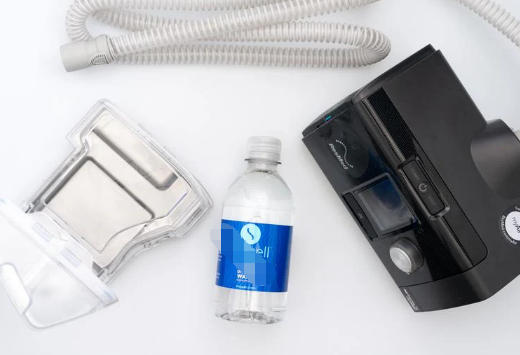
Yes, vapor distilled water is safe for virtually all CPAP machines that specify “distilled water” in their instructions. Because vapor distilled water is a type of distilled water produced through advanced vaporization and condensation, it satisfies the purity requirements for the humidifier chamber. Users should always confirm the manufacturer's recommendations, but in practice, vapor distilled water from a high-quality Distillation Water Machine is fully compatible with CPAP devices.
Using vapor distilled water significantly reduces mineral deposits and contamination, but it does not eliminate the need for routine cleaning. Dust, environmental contaminants, and potential microbial growth can still occur over time. The humidifier chamber should be cleaned as recommended by the manufacturer, typically with mild soap and water or other approved methods, even when all water comes from a Distillation Water Machine.
Mixing vapor distilled water with tap or filtered water reduces the overall purity and reintroduces minerals that can cause scaling. While this may appear to save short-term costs, it undermines the main benefit of using a Distillation Water Machine and may lead to long-term damage to the humidifier and less consistent performance. For best results, fill the CPAP chamber only with pure distilled or vapor distilled water.
Whether a Distillation Water Machine is worth the investment depends on usage patterns and overall water needs. For a single home user, the decision will depend on nightly CPAP use, local bottled water prices, and personal preferences for convenience and sustainability. For families with multiple CPAP users, sleep clinics, or hospitals, a Distillation Water Machine quickly becomes cost-effective, as it can supply large volumes of vapor distilled water at consistent quality while reducing dependence on bottled products.
For medical or CPAP-related applications, look for a Distillation Water Machine that offers high purity (low conductivity), reliable operation, and appropriate documentation or validation options. Stainless steel construction, sanitary design, automatic controls, and monitoring instruments such as conductivity meters are important features. Energy efficiency, maintenance requirements, and after-sales support should also be considered. When vapor distilled water is intended for patient-related applications, it is best to select equipment designed for pharmaceutical or medical environments rather than general domestic use.


