


Views: 222 Author: Rebecca Publish Time: 2026-01-05 Origin: Site


Content Menu
● Understanding How CPAP Machines Work
● The Role of Distilled Water in CPAP Humidifiers
>> 1. Preventing Mineral Buildup
>> 2. Protecting Against Microbial Contamination
● Dangers of Using Tap or Bottled Water in CPAP Devices
>> 1. Residue and Scaling Damage
>> 3. Chemical and Chlorine Exposure
● How Distillation Water Machines Work
● The Pharmaceutical Standard: Beyond Household Needs
● How to Maintain Your CPAP Humidifier with Distilled Water
● Why Choose Distilled Water from a Reliable Source
● Environmental and Economic Benefits
● FAQ
>> 1. Why can't I use tap water in my CPAP machine?
>> 2. Can I use bottled water instead of distilled water?
>> 3. How often should I change the distilled water in my CPAP machine?
>> 4. What if I accidentally used tap water once?
>> 5. Where can I obtain medical-grade distilled water?
Sleep apnea machines, also known as CPAP (Continuous Positive Airway Pressure) machines, have become essential medical devices for millions of people worldwide suffering from obstructive sleep apnea. These machines maintain a steady flow of air pressure to keep airways open during sleep. However, many CPAP users overlook a key point in their daily maintenance — using distilled water in the humidifier chamber. But why is distilled water so crucial, and how do devices like the Distillation Water Machine ensure its high purity?
In this article, we'll explore why distilled water is the standard for CPAP devices, the science behind its benefits, the potential harm of using tap or mineral water, and how pharmaceutical-grade Distillation Water Machines make pure water available for medical applications.

To understand why distilled water is needed, we first need to know how CPAP machines function. These devices provide continuous airflow through a mask while you sleep. Many units include a built-in humidifier chamber to moisten the air and prevent dryness of the throat and nasal passages.
Humidification makes the CPAP therapy comfortable, but this process requires water — and not just any water. The wrong type of water may lead to buildup, contamination, or bacterial growth inside the humidifier chamber, compromising both the device's performance and the user's health.
Distilled water is water that has undergone the distillation process, which involves boiling the water into steam and then condensing it back into liquid form. This process removes impurities such as minerals, bacteria, viruses, and chemical contaminants.
A Distillation Water Machine — like those designed by Everheal — performs this process at high precision. It separates pure water molecules from dissolved solids, resulting in water with extremely low conductivity and no residual minerals. This makes it ideal for medical, pharmaceutical, and laboratory applications where purity is non-negotiable.
Tap water contains calcium, magnesium, and other dissolved minerals. When used in a CPAP humidifier, these minerals do not evaporate along with the water vapor. Instead, they are left behind, forming white scaling and hard deposits on the chamber's surface. Over time, this buildup can damage the heating element and shorten the device's lifespan.
Using water from a Distillation Water Machine eliminates this problem since distilled water is 99.9% free from mineral content. As a result, the humidifier stays clean and efficient, ensuring consistent humidity levels and reliable operation.
Tap and bottled water may contain microorganisms, even in trace amounts. When heated in a humidifier, these microorganisms can multiply in the warm, moist environment. Inhalation of contaminated vapor can lead to respiratory infections or allergic reactions.
Distilled water, on the other hand, is sterile and bacteria-free. Pharmaceutical-grade distilled water produced by Everheal's Distillation Water Machine ensures medical safety standards, preventing infection risks and maintaining pure air quality.
CPAP therapy often lasts for hours every night. If the water used in the humidifier contains impurities, it can cause unpleasant odors, discoloration, or mineral dust that affects the user's breathing comfort. Distilled water guarantees clean, odor-free moisture, ensuring a smooth and pleasant sleep experience.
It might seem convenient to pour tap or bottled water into the CPAP chamber, but doing so introduces long-term issues.
Even filtered or bottled water often contains trace minerals and additives. These lead to internal residue, corrosion, or blockage of the air pathway. Replacing damaged components is much more costly than using proper distilled water.
Non-distilled water can contain microorganisms invisible to the naked eye. When they thrive in a humid environment, they may contaminate both the device and its tubing. This can lead to coughing, throat irritation, or sinus infections.
Municipal water is usually treated with chlorine or fluoride, which can evaporate and irritate respiratory passages during use. Distilled water from a Distillation Water Machine avoids these issues entirely.
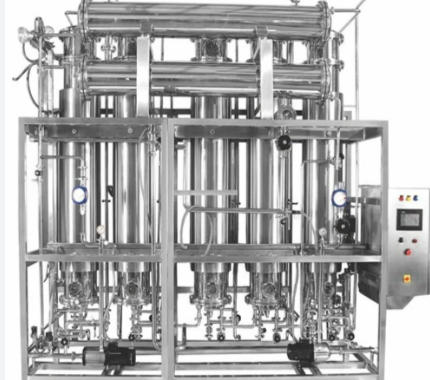
Modern Distillation Water Machines combine advanced thermal and mechanical engineering to produce water with unrivaled purity. The operation includes:
1. Boiling Stage: The water is heated until it turns into steam.
2. Separation Stage: Minerals and contaminants remain behind in the boiling chamber.
3. Condensation Stage: The steam passes through a cooling coil and condenses into clean, pure water.
4. Collection Stage: The purified water is collected in a sterile storage tank, ready for industrial or medical use.
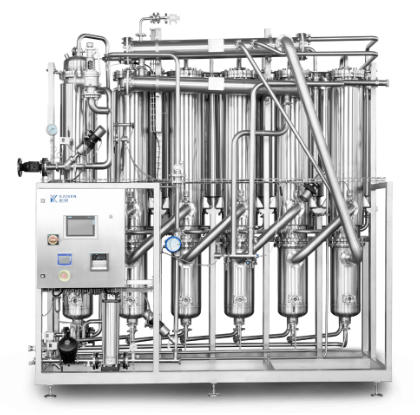
Everheal's pharmaceutical-grade Distillation Water Machines are designed to maintain consistent temperature control and prevent recontamination during condensation. They are also customizable for hospital, laboratory, or factory-scale applications, ensuring continuous production of sterile water suitable for CPAP devices, injections, drug formulation, and sterilization systems.
In hospitals and drug manufacturing facilities, the quality of distilled water is strictly regulated. Everheal's water systems — including multi-effect distillation units, pure steam generators, and water softening systems — comply with GMP and USP standards. This ensures that every drop of water meets microbiological purity and chemical cleanliness standards required for sensitive medical equipment.
Although a home user may buy bottled “distilled water,” the pharmaceutical-grade water produced by industrial Distillation Water Machines guarantees far greater purity. This level of quality assurance ensures medical safety for long-term users of respiratory and medical devices.
Proper maintenance extends the lifespan of your device and protects your health. Follow these practical guidelines:
1. Refill Daily with Fresh Distilled Water: Use only freshly prepared water from a trusted source.
2. Empty Residual Water Each Morning: Prevent stagnation and bacterial growth by drying the chamber daily.
3. Clean Weekly with Mild Detergent: Avoid chemical cleaners; gentle washing with sterile water is enough.
4. Inspect for Scaling or Residue: Replace worn or cloudy chambers promptly.
5. Store Distilled Water Properly: Keep containers sealed to avoid airborne contaminants.
While home countertop distillers exist, they may not offer consistent purity suitable for medical devices. Industrial producers like Everheal use validated Distillation Water Machines equipped with automatic control systems, stainless steel condensers, and real-time monitoring to ensure high-quality output.
For hospitals, laboratories, and sleep clinics providing long-term patient care, the consistency of distilled water quality is not optional — it's a requirement.
Using distilled water is not only safer but more efficient. By preventing corrosion and scaling, you reduce the frequency of repairs and replacements. Factories and hospitals using Everheal's large-scale Distillation Water Machines also reduce their dependence on chemical cleaning agents, lowering environmental impact and long-term maintenance costs.
Additionally, reusing recovered heat energy in modern distillation machines helps minimize energy consumption — an important factor for sustainable pharmaceutical production.
Distilled water plays a vital role in the performance, hygiene, and safety of sleep apnea machines. The process of distillation removes minerals, chemicals, and microorganisms that could otherwise damage the equipment or harm the user. Whether at home or in hospital settings, using water generated by a reliable Distillation Water Machine guarantees the highest level of purity and performance.
Everheal's expertise in pharmaceutical-grade water systems ensures that every drop meets the strictest medical standards, providing confidence and peace of mind for all users of respiratory devices.
Tap water contains minerals, chlorine, and microorganisms that can cause scaling and contamination in the humidifier chamber. Distilled water eliminates these risks and protects the machine.
No. Bottled water often contains minerals and additives meant for taste, which can leave residue and damage the humidifier. Only distilled water is suitable.
You should replace distilled water daily. Discard old water each morning to prevent bacterial growth.
Occasional use won't cause immediate harm, but you should clean the humidifier thoroughly and switch back to distilled water right away to avoid long-term scaling.
You can purchase packaged distilled water from pharmacies or directly source distilled water produced by professional Distillation Water Machines provided by manufacturers like Everheal.


