Content Menu
● Understanding CPAP Machines and Their Function
● Why Distilled Water Matters in CPAP Use
>> 1. Preventing Mineral Build-Up
>> 2. Protecting Your Health from Contaminants
>> 3. Extending Equipment Lifespan
● What Is Distilled Water?
● How a Distillation Water Machine Works
● Advantages of Using a Professional Distillation Water Machine
>> Benefits include:
● Comparing Distilled, Filtered, and Tap Water in CPAP Machines
● How to Store and Handle Distilled Water
● Producing Distilled Water at Home or Industrially
● Maintenance Tips for CPAP Humidifiers
● Environmental and Cost Considerations
● Conclusion
● FAQ
>> 1. What happens if I use tap water in my CPAP machine?
>> 2. How often should I change distilled water in a CPAP humidifier?
>> 3. Can I use boiled water instead of distilled water?
>> 4. Is home distillation an option?
>> 5. How long does a Distillation Water Machine last?
Continuous Positive Airway Pressure (CPAP) machines have become life-changing devices for millions suffering from sleep apnea worldwide. They prevent airway collapse during sleep, ensuring better oxygenation and a restful night. However, one vital component often overlooked is the type of water used in these machines. Among all options, distilled water is the safest and most effective choice — protecting both the user's health and the machine's lifespan.
Understanding CPAP Machines and Their Function
A CPAP machine works by pushing a steady stream of pressurized air through a mask to keep the airways open during sleep. This steady airflow prevents interruptions in breathing, helping patients sleep soundly and avoid complications linked to sleep apnea, such as fatigue, heart disease, or high blood pressure.
To make this process more comfortable, especially in dry environments, most CPAP machines include a humidifier chamber. This component adds moisture to the air, preventing nasal dryness, throat irritation, and discomfort. The type of water in this humidifier greatly influences both performance and hygiene.
Why Distilled Water Matters in CPAP Use
Using the right water in your CPAP machine isn't just a minor detail — it's a matter of health and maintenance. Tap water or even filtered water contains dissolved minerals and impurities, which can accumulate inside the water chamber or within the air delivery system.
1. Preventing Mineral Build-Up
Tap water often contains calcium, magnesium, and other minerals. When heated or evaporated in the CPAP humidifier, these minerals form white residue or scale. Over time, this build-up can clog components, affect airflow, and lead to malfunctions. Distilled water, on the other hand, is free from minerals because it has undergone purification through a Distillation Water Machine — ensuring purity and preventing residue formation.
2. Protecting Your Health from Contaminants
Regular water may harbor bacteria, chlorine, heavy metals, or even organic residues. When exposed to warm, humid environments inside the CPAP machine, these contaminants can multiply and enter the respiratory tract. Distilled water eliminates this risk because it has been purified through vaporization and condensation, leaving no harmful substances behind.
3. Extending Equipment Lifespan
A CPAP machine is a long-term investment, and replacing parts can be expensive. Continuous use of untreated water can corrode metal surfaces or damage seals. Using distilled water ensures pure vapor generation, reducing wear and tear and extending the device's usable life.
What Is Distilled Water?
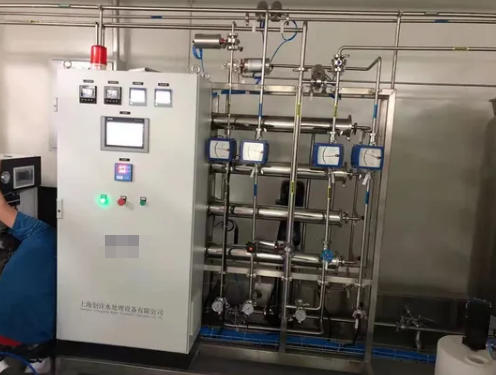
Distilled water is water that has been boiled into vapor and then condensed back into liquid form, free from impurities, minerals, and contaminants. This purification process occurs inside a Distillation Water Machine, a highly efficient device used across pharmaceutical, medical, and industrial settings.
Unlike filtered or deionized water, distilled water removes not only particulate matter but also dissolved gases, heavy metals, and microorganisms. It is the purest form of water available.
How a Distillation Water Machine Works
To understand why distilled water is best for CPAP machines, it helps to know how it's produced. A Distillation Water Machine works through several precise steps:
1. Boiling: Raw water is heated in a stainless-steel chamber until it turns into steam.
2. Vapor Separation: The vapor rises, leaving behind heavy minerals, salts, and contaminants.
3. Condensation: The purified vapor cools down and condenses into liquid form.
4. Collection: The distilled water is collected in a sterile storage tank, free from impurities.
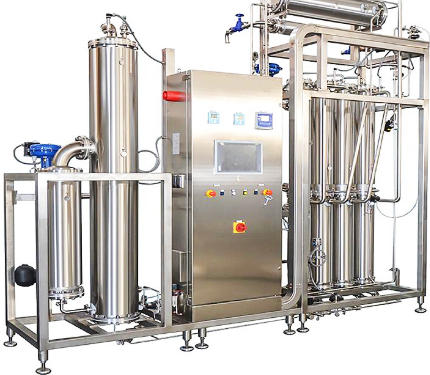
Some advanced Distillation Water Machines include additional filtration or degassing processes for pharmaceutical-grade purity — a level ideal for medical applications like CPAP humidification.
Advantages of Using a Professional Distillation Water Machine
Industrial manufacturers like Everheal specialize in providing high-efficiency distillation systems for pharmaceutical and medical water preparation. Investing in a professional-grade Distillation Water Machine ensures that every drop of distilled water meets international medical standards.
Benefits include:
- High capacity and consistency: Continuous distilled water production for hospitals or equipment cleaning.
- Compliance with global standards: Systems designed according to GMP and USP purity requirements.
- Long service life: Corrosion-resistant materials and advanced control systems to maintain purity.
- Energy efficiency: Optimized vapor recovery reduces operational costs.
These machines play an essential role not only in manufacturing but also in daily hospital and clinical applications, where pure, sterile water is a prerequisite.
Comparing Distilled, Filtered, and Tap Water in CPAP Machines
| Water Type | Purity Level | Effect on CPAP | Health Risk | Maintenance Impact |
| Tap Water | Low | Deposits minerals, risk of contamination | Moderate to High | Causes scale and corrosion |
| Filtered Water | Medium | Reduces some impurities | Moderate | Can still leave residue |
| Distilled Water | High | Optimal performance, no residue | Very Low | Extends lifespan |
As seen above, distilled water outperforms other types in every category, making it the consistent choice for CPAP maintenance and hygiene.
How to Store and Handle Distilled Water
Even the purest distilled water can become contaminated if not stored properly. Here are some best practices:
- Store in sealed, clean containers made of glass or BPA-free plastic.
- Keep away from direct sunlight and dust exposure.
- Avoid transferring with unsterilized utensils or containers.
- Discard unused water after 24 hours of use in CPAP machines.
Proper handling ensures the distilled water retains its purity until the moment it is used.
Producing Distilled Water at Home or Industrially
Small users can purchase distilled water from medical suppliers or pharmacies. However, for hospitals, factories, or medical device manufacturers, producing it in-house is more economical and reliable.
Installing an industrial Distillation Water Machine offers:
- Independent control over water purity.
- Reduced operational costs over time.
- Customized output levels, from several liters to thousands per hour.
Everheal's advanced Distillation Water Machine lineup includes single-effect, multi-effect, and vapor-compression designs, all compliant with GMP guidelines — ideal for pharmaceutical and medical applications.
Maintenance Tips for CPAP Humidifiers
To maximize your equipment's lifespan and hygiene:
1. Always use distilled water in the humidifier chamber.
2. Empty and dry the chamber daily after use.
3. Clean the chamber at least once a week using mild soap and water.
4. Replace the chamber every six months or as recommended.
5. Avoid leaving residual water, as it encourages microbial growth.
These steps ensure consistent performance and prevent any risk of respiratory infections.
Environmental and Cost Considerations
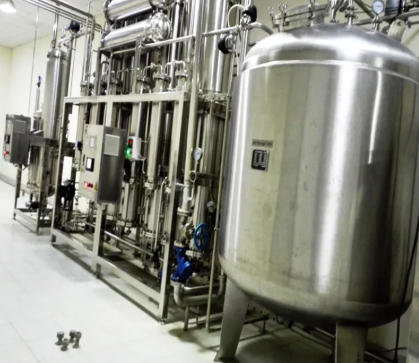
While buying bottled distilled water is convenient, producing it on-site through a Distillation Water Machine can be more sustainable in the long term. It reduces plastic waste and guarantees a constant supply of clean water. Moreover, as technology advances, newer machines are becoming increasingly energy-efficient, minimizing resource consumption while maximizing output.
Conclusion
Choosing distilled water for your CPAP machine is not just a matter of preference — it's a vital step for your health, hygiene, and equipment protection. Distilled water produced by a reliable Distillation Water Machine ensures absolute purity, preventing buildup, bacterial contamination, and premature wear of your device.
For medical institutions and manufacturers, investing in a high-quality Distillation Water Machine from a professional company like Everheal ensures compliance, efficiency, and quality. Whether you're managing hospital operations, producing pharmaceutical equipment, or simply ensuring safe home breathing therapy — purity starts with distilled water.
FAQ
1. What happens if I use tap water in my CPAP machine?
Using tap water can cause mineral buildup inside the chamber and promote contamination. Over time, it can damage your machine and pose health risks.
2. How often should I change distilled water in a CPAP humidifier?
Distilled water should be replaced daily after each night's use to prevent bacterial growth and ensure hygiene.
3. Can I use boiled water instead of distilled water?
Boiled water removes some microbes but not dissolved minerals or chemicals. It's safer than tap water but still not as pure as distilled water.
4. Is home distillation an option?
Yes. A small home Distillation Water Machine can provide enough pure water for personal medical or household use.
5. How long does a Distillation Water Machine last?
With proper maintenance and cleaning, a high-quality industrial Distillation Water Machine can last 10–15 years or longer.


