Content Menu
● Understanding Iron Infusion Therapy
● Anatomy of an Iron Infusion Bag
>> Key Components
● Material Composition and Safety Standards
● How It Differs from Regular Infusion Bags
● Role of Infusion Bag in the Treatment Process
● Manufacturing Process of Infusion Bags
>> Step 1: Material Preparation
>> Step 2: Film Extrusion & Bag Forming
>> Step 3: Cleaning & Sterilization
>> Step 4: Filling & Sealing
>> Step 5: Labeling & Inspection
● Importance of Infusion Bag Design
● Innovations in Infusion Bag Technology
● Quality Assurance and Regulatory Compliance
● Why the Iron Infusion Bag Matters
● Conclusion
● FAQ
>> 1. What is the typical size of an iron infusion bag?
>> 2. Why is the iron infusion bag brown or amber-colored?
>> 3. Can infusion bags be reused?
>> 4. What materials are used to make an infusion bag?
>> 5. How does Everheal ensure infusion bag quality?
Iron infusion therapy has become an essential medical procedure in modern healthcare, particularly for patients suffering from iron deficiency anemia or chronic illnesses that affect iron absorption. At first glance, an infusion bag might appear simple—a clear or tinted pouch hanging beside a hospital bed—but behind that appearance lies sophisticated engineering designed for precision, sterility, and patient safety.
In this article, we will explore what an iron infusion bag looks like, its structure, components, materials, manufacturing standards, and how companies like Everheal, a China-based pharmaceutical equipment manufacturer, contribute to global healthcare solutions with their advanced production systems.
Understanding Iron Infusion Therapy
Iron infusion therapy involves delivering iron directly into the bloodstream through an intravenous (IV) line. Unlike oral iron supplements, which take days or weeks to be absorbed through the digestive system, IV iron provides an immediate replenishment of iron levels.
To achieve this precision, hospitals rely on sterile infusion bags, professionally designed to store and administer iron-based solutions safely. These bags are not simple packaging items—they are part of a well-orchestrated delivery system involving pumps, tubing sets, and controlled flow mechanisms.
Anatomy of an Iron Infusion Bag
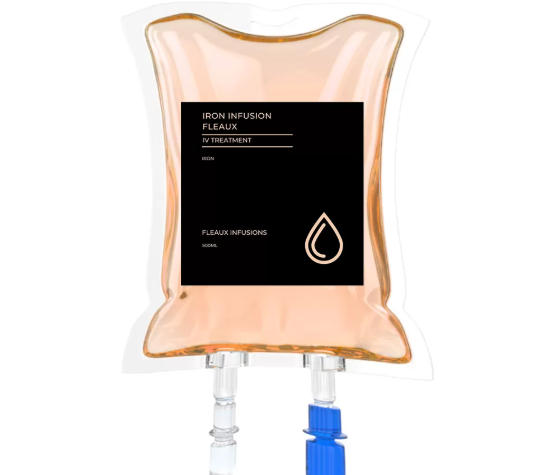
An iron infusion bag is typically made from multilayer medical-grade polymer film, designed to meet international pharmacopoeia standards. It usually has a capacity between 100 mL and 500 mL, depending on the specific formulation prescribed.
Key Components
- Bag Body: The main compartment holding the iron solution. It is transparent or slightly tinted, allowing visual inspection of fluid clarity and color.
- Injection Port: Sealed with a sterilizable rubber plug, enabling secure connection to IV sets without contamination.
- Outlet Tube: Used to connect the bag to infusion lines and patient catheters.
- Label Area: Includes product information such as concentration, batch number, manufacturer, expiration date, and handling instructions.
- Hanging Eyelet: A reinforced hole or loop at the top for suspending the bag during administration.
Each component of the infusion bag is precision-engineered to ensure proper fluid flow and maintain sterility throughout the infusion process.
Material Composition and Safety Standards
High-quality infusion bags are made from PVC-free materials such as polypropylene (PP), polyethylene (PE), or multilayer laminates that prevent chemical interaction with iron compounds. Medical-grade polymers are chosen for their:
1. Non-toxic properties
2. Resistance to heat sterilization
3. Barrier capability against oxygen and moisture
4. Mechanical strength to prevent ruptures
Manufacturers such as Everheal deploy advanced pure water preparation systems and sterilization equipment to ensure every infusion bag complies with Good Manufacturing Practice (GMP) and ISO 13485 standards.
How It Differs from Regular Infusion Bags
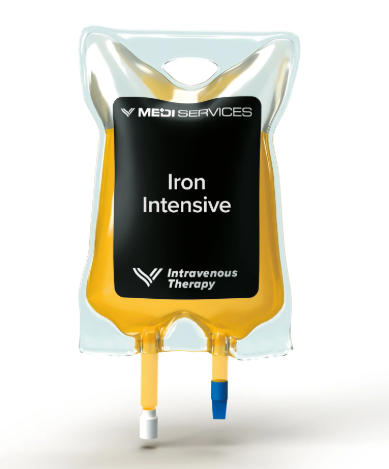
While saline or glucose infusion bags often appear crystal clear and colorless, iron infusion bags may display a distinctive dark brown or amber tint. This coloration results from the iron complex used—commonly ferric carboxymaltose or iron sucrose—which imparts the solution's rich hue.
Additional distinguishing features include:
- Higher viscosity: Iron solutions are thicker than saline.
- Specific labeling: Not all infusion bags are interchangeable. Iron infusion solutions have concentration limits and contraindication notices.
- Sterility indicators: Some bags include sterilization marks indicating autoclave or gamma radiation treatment.
These design distinctions ensure safety and accuracy in clinical practice.
Role of Infusion Bag in the Treatment Process
During the procedure, the iron infusion bag is hung from an IV stand, connected via sterile tubes to the patient's vein. Medical staff often use an infusion pump to regulate flow rate. The bag's composition ensures consistent delivery without leaks or reactions between the polymer and iron molecules.
The procedure generally lasts between 15 minutes to 1 hour, depending on dosage and patient tolerance. Properly manufactured infusion bags guarantee:
- Minimal contamination risk.
- Precise dosage delivery.
- Flexible handling across diverse hospital environments.
Manufacturing Process of Infusion Bags
Step 1: Material Preparation
Everheal's pure water preparation systems and pure steam generators provide high-purity process fluids essential for polymer cleaning and solution preparation.
Step 2: Film Extrusion & Bag Forming
Multilayer film extrusion machines mold medical-grade films into precise thicknesses to ensure uniformity. The films are then thermally welded to form bag bodies with integrated ports and hanging loops.
Step 3: Cleaning & Sterilization
Using multi-functional distillation systems and sterilization units, bags undergo cleaning cycles and sterilization at controlled temperatures.
Step 4: Filling & Sealing
Liquid iron infusion solutions are prepared under aseptic conditions using liquid filling and sealing machines. Each bag is vacuum-sealed to preserve solution purity.
Step 5: Labeling & Inspection
Automated vision systems inspect the bag's transparency, sealing strength, and printed labels before dispatch.
Every production stage reflects Everheal's focus on reliability and global quality compliance.
Importance of Infusion Bag Design
Proper infusion bag design directly impacts treatment outcomes and patient comfort. A well-designed bag ensures that iron molecules maintain their stability, preventing precipitation and color changes.
Key factors manufacturers consider include:
- Chemical compatibility between iron formulations and bag materials.
- Controlled gas permeability to prevent oxidation.
- Ergonomic handling design for nurses and clinicians.
Everheal's customized factory planning and system layout integrate these principles, enabling efficient production and global export logistics.
Innovations in Infusion Bag Technology
Recent developments in infusion bag technology focus on sustainability and smart manufacturing. Companies now explore:
- Biodegradable polymers to reduce medical waste.
- Anti-leak welded designs with reinforced seams.
- Smart labeling systems with RFID tags for tracking.
- Integrated filtration in the outlet port to trap impurities.
These innovations further improve reliability and patient safety. Everheal's advanced liquid filling and sealing systems play a vital role in enabling such innovations for pharmaceutical producers worldwide.
Quality Assurance and Regulatory Compliance
Every infusion bag faces rigorous testing before reaching hospital shelves:
- Burst strength and tensile tests
- Leak and permeability checks
- Solution stability studies
- Sterility validation under USP/EP standards
Compliance ensures that iron remains chemically stable throughout storage and use. Everheal's equipment helps pharmaceutical manufacturers maintain compliance with regulatory bodies such as FDA, CE, and WHO GMP.
Why the Iron Infusion Bag Matters
From the patient's perspective, the infusion bag may appear simple and unremarkable. Yet its design ensures the entire therapy runs smoothly, efficiently, and safely. Without high-quality infusion bags, the delivery of iron and other IV medications would risk contamination or dosage inaccuracies.
Thus, understanding what an iron infusion bag looks like goes beyond visual recognition—it embodies the collaboration of engineering precision, pharmaceutical expertise, and manufacturing innovation.
Conclusion
An iron infusion bag is a vital medical device, engineered to ensure safe and efficient iron delivery to patients worldwide. Its appearance—a semi-transparent or brown-tinted flexible pouch—is the result of meticulous design targeting sterility, compatibility, and reliability. For manufacturers like Everheal, producing high-grade infusion systems means empowering hospitals and clinics with dependable products that safeguard patient health.
Through advanced pure steam generation, liquid filling technology, and sterilization processes, Everheal continues to support global healthcare by offering tailor-made production solutions and factory layout planning for infusion and intravenous therapy systems.

FAQ
1. What is the typical size of an iron infusion bag?
Most iron infusion bags hold between 100 mL and 500 mL, depending on the required dosage and solution concentration.
2. Why is the iron infusion bag brown or amber-colored?
The coloration stems from iron compounds such as ferric carboxymaltose or iron sucrose, which have a natural dark tint that does not affect efficacy.
3. Can infusion bags be reused?
No. Infusion bags are single-use medical devices to prevent contamination and maintain sterility during IV therapy.
4. What materials are used to make an infusion bag?
High-quality bags are made from PVC-free medical-grade polymers like polypropylene or multilayer laminated films that resist heat and chemical reactions.
5. How does Everheal ensure infusion bag quality?
Everheal applies advanced sterilization systems, pure water technology, and precise liquid sealing machinery to meet international GMP and ISO standards.


