Content Menu
● Why Pure Steam Generators Matter in Tajikistan
● Regulatory And Market Context for Pure Steam
● Key Selection Criteria for Pure Steam Generator Manufacturers And Suppliers
● Everheal – A Turnkey Partner for Pure Steam Solutions in Tajikistan
● Technical Features Expected from Leading Pure Steam Generator Manufacturers And Suppliers
● Applications of Pure Steam Generators in Tajikistan Facilities
● How Everheal Supports Tajikistan Projects
● Practical Steps to Choose Pure Steam Generator Manufacturers And Suppliers in Tajikistan
● Conclusion
● FAQ
>> (1) Why are pure steam generators essential for pharmaceutical plants in Tajikistan?
>> (2) How do Pure Steam Generator Manufacturers And Suppliers ensure regulatory compliance in Tajikistan?
>> (3) What should Tajik buyers look for when comparing Pure Steam Generator Manufacturers And Suppliers?
>> (4) Can Everheal provide turnkey pure steam solutions for Tajikistan projects?
>> (5) How do pure steam generators differ from standard industrial steam boilers?
● Citations:
Tajikistan's pharmaceutical market is still dominated by imports, but the government is actively promoting local manufacturing and better quality infrastructure, including sterile processing facilities. This creates strong demand for Pure Steam Generator Manufacturers And Suppliers that can integrate with clean utilities, water-for-injection (WFI) systems, and sterilization lines in accordance with international standards such as GMP.[2][4][1]
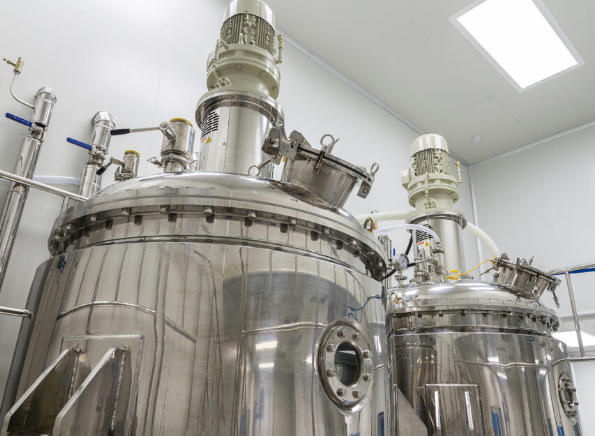
Why Pure Steam Generators Matter in Tajikistan
Pure steam generators are critical wherever equipment, components, and piping must be sterilized reliably without introducing any chemical or microbiological contamination. In Tajikistan, this is especially relevant for injectable drug manufacturing, hospital CSSD units, vaccine projects, and laboratories that must meet stringent safety and hygiene targets.[5][6][4][1]
Key roles of pure steam generators in Tajikistan include:
- Sterilization-in-place (SIP) of reactors, tanks, pipelines, and filters to support sterile and aseptic pharmaceutical production.[4][5]
- Supply of pure steam to autoclaves, sterilizers, and cleanroom systems so that condensed steam meets or approaches WFI-level purity for critical applications.[7][5]
- Enabling facilities to align with international GMP requirements and national legislation on medicine and pharmaceutical activity in Tajikistan.[8][2]
Regulatory And Market Context for Pure Steam
The Ministry of Health and Social Protection and related agencies oversee the quality and safety of medicines and medical products in Tajikistan, including rules for manufacturing and for the import of equipment. Government programs emphasize implementation of unified quality management systems, support for GMP adoption, and strengthening cooperation with foreign investors, which directly affects demand for high-quality Pure Steam Generator Manufacturers And Suppliers.[9][10][2]
From a market perspective:
- The pharmaceutical market in Tajikistan is expanding, driven by rising healthcare spending, population growth, and higher demand for modern therapies.[11][1]
- Imports of medicinal and pharmaceutical products have increased in value, indicating dependence on foreign technology and the need for reliable overseas Pure Steam Generator Manufacturers And Suppliers to support local projects.[12][11]
Key Selection Criteria for Pure Steam Generator Manufacturers And Suppliers
When Tajikistan investors, EPC contractors, or plant owners evaluate Pure Steam Generator Manufacturers And Suppliers, they typically focus on both regulatory and technical factors to ensure long-term, trouble-free operation.[5][4]
Main criteria include:
- Compliance with pharmacopeias and GMP: Pure steam quality should meet relevant pharmacopeial requirements when condensed (often equivalent to or aligned with WFI standards) and support proper production practices.[7][4]
- Proven pharmaceutical application design: The generator must produce dry, saturated pure steam with stable temperature and pressure suitable for SIP, autoclave sterilization, lyophilizer sterilization, and other critical uses.[7][5]
- Robust separation and purification stages: Designs with efficient droplet separation and multi-stage distillation help remove dissolved solids, endotoxins, and particulates.[5][7]
- Automation and control: Advanced PLC systems with user-friendly operator interfaces and connectivity make it easier to monitor, document, and validate pure steam performance.[4]
- Service, validation, and lifecycle support: Strong Pure Steam Generator Manufacturers And Suppliers also offer FAT/SAT, IQ/OQ documentation, training, and fast-spare-parts support for Tajikistan installations.[4][5]
Everheal – A Turnkey Partner for Pure Steam Solutions in Tajikistan
Everheal is a China-based manufacturer focused on complete pharmaceutical utilities and process equipment, making it a strategic partner for pure steam projects in Tajikistan. The company's portfolio covers purified water preparation systems, pure steam generators, multifunction distillation units, liquid filling and sealing machines, and sterilization systems, allowing Tajik clients to build integrated sterile production lines with one engineering partner.
Everheal's strengths as one of the Pure Steam Generator Manufacturers And Suppliers serving Tajikistan include:
- Turnkey factory layout and production-line solutions: Everheal supports clients from pre-design and layout planning through equipment supply, installation supervision, and commissioning for pure steam, WFI, and process systems.
- Synergy of pure steam with other utilities: By combining pure steam generators, purified water systems, and multi-function distillation machines, Everheal helps Tajikistan plants design complete GMP-compliant utility rooms.
- Sterilization and filling integration: Everheal's pure steam generator technology can be matched with its sterilizers and filling–sealing machines for coherent SIP and sterilization strategies across the line.
For Tajikistan buyers comparing Pure Steam Generator Manufacturers And Suppliers, Everheal stands out by offering not only equipment, but also process know-how and customized factory solutions aligned with local regulatory expectations and international standards.[2]
Technical Features Expected from Leading Pure Steam Generator Manufacturers And Suppliers
Top-tier Pure Steam Generator Manufacturers And Suppliers serving Tajikistan should typically provide equipment with advanced engineering aimed at sterility, reliability, and ease of validation. Such systems are particularly important for sterile injectables, vaccines, and sensitive biologics where even trace levels of endotoxins or metals are unacceptable.[7][5][4]
Important technical features include:
- Multi-effect distillation or equivalent thermal technology to separate steam from non-volatile contaminants, salts, and endotoxins.[5][7]
- High-efficiency demisters and separators engineered for pharmaceutical-grade pure steam at controlled dryness fraction and pressure.[4][7]
- Hygienic design using stainless-steel materials suitable for clean steam service, with sanitary connections and slopes that prevent condensate pooling.[7][4]
- Automation with integrated alarms, data logging, and optional connectivity for quality management systems, supporting audits and GMP documentation.[10][4]
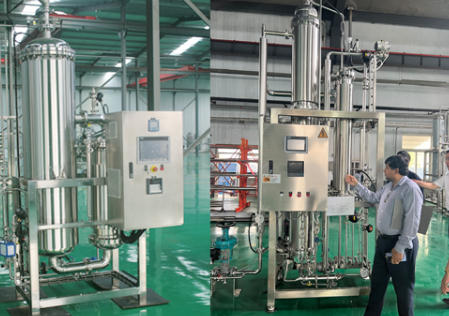
Applications of Pure Steam Generators in Tajikistan Facilities
In Tajikistan, pure steam systems provided by specialized Pure Steam Generator Manufacturers And Suppliers can be deployed across a wide range of healthcare and life-science environments. This versatility makes pure steam a strategic utility for investors planning new plants or upgrading existing buildings to meet global expectations.[6][1][5][4]
Typical application areas:
- Sterile pharmaceutical production: SIP of product contact surfaces, sterilization of filters, lines, vessels, and aseptic transfer components at temperatures typically between 121°C and 134°C.[5][4]
- Autoclaves and sterilizers in hospitals and labs: Pure steam as a sterile medium for instrument and load sterilization, reducing the risk of residues associated with utility steam.[6][5]
- Cleanroom and HVAC humidification: In selected critical zones, pure steam can be used to maintain humidity without introducing particulates or chemical contaminants.[7][5]
How Everheal Supports Tajikistan Projects
Because Tajikistan is still strengthening its domestic pharmaceutical manufacturing base, many projects rely on international Pure Steam Generator Manufacturers And Suppliers that can work remotely and onsite. Everheal leverages experience with global clients to adapt designs, documentation, and training for local teams in Tajikistan.[1][2]
Everheal's support to Tajik customers typically covers:
- Project consultation and URS definition to ensure the pure steam generator capacity, pressure, and quality match the intended pharmaceutical or hospital application.[5]
- Customized system engineering that positions pure steam generators alongside purified water and distillation systems, optimizing space usage and energy consumption.[7]
- Assistance with validation documentation and alignment with Tajikistan's regulatory requirements for pharmaceutical activity, import of equipment, and GMP compliance.[2][9]
Practical Steps to Choose Pure Steam Generator Manufacturers And Suppliers in Tajikistan
Decision-makers in Tajikistan can follow a structured approach when shortlisting Pure Steam Generator Manufacturers And Suppliers for new or upgraded facilities. This ensures that investments in pure steam systems translate into long-term operational reliability and regulatory approval.[1][8][10][2]
Recommended steps:
1. Define processes and loads
- Map out all SIP circuits, autoclaves, and potential pure steam users to form a clear steam consumption profile.[4][5]
- Establish target operating pressures, sterilization cycles, and redundancy requirements before talking to Pure Steam Generator Manufacturers And Suppliers.[5][4]
2. Evaluate compliance and references
- Verify that each supplier's pure steam generator design has been used in GMP-regulated pharmaceutical or biotech facilities.[4][7]
- Request references, FAT/SAT templates, and validation documents that can be adapted to Tajikistan's regulatory environment.[8][10]
3. Consider integration and lifecycle cost
- Assess how well the pure steam generator integrates with existing or planned purified water and WFI systems, especially in tight plant layouts.[7][4]
- Compare not only purchase price but also expected energy use, maintenance requirements, and availability of local or regional service partners.[5][4]
Conclusion
Pure steam is a mission-critical utility for modern sterile manufacturing, hospitals, and laboratories in Tajikistan, and demand is growing alongside the country's broader pharmaceutical and healthcare expansion. By working with experienced Pure Steam Generator Manufacturers And Suppliers that understand GMP, Tajik legislation, and local infrastructure challenges, investors can secure reliable, compliant, and energy-efficient pure steam systems. Everheal, with its integrated portfolio of pure steam generators, purified water systems, distillation units, filling–sealing machines, and sterilization equipment, offers Tajikistan projects a comprehensive, turnkey path to building and validating high-performance sterile utilities.[3][1][2][4]
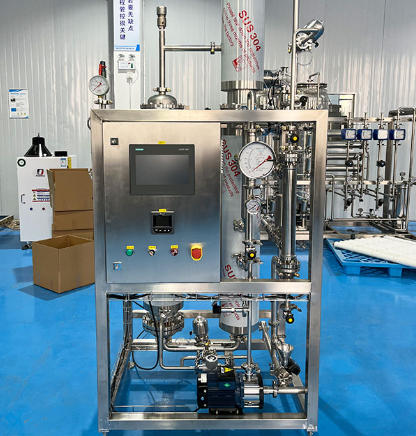
FAQ
(1) Why are pure steam generators essential for pharmaceutical plants in Tajikistan?
Pure steam generators provide a sterile, contaminant-free steam source that can safely contact product-contact equipment without leaving mineral, chemical, or microbial residues. For Tajikistan manufacturers aiming at export markets and strict local regulations, working with capable Pure Steam Generator Manufacturers And Suppliers is key to achieving and maintaining GMP compliance.[2][4][7][5]
(2) How do Pure Steam Generator Manufacturers And Suppliers ensure regulatory compliance in Tajikistan?
Reputable Pure Steam Generator Manufacturers And Suppliers design systems according to international pharmacopeias and GMP principles, and they provide documentation to support validation and inspections. In Tajikistan, these suppliers must also respect national rules for pharmaceutical activity, import procedures, and possible site inspections during registration and certification of facilities.[8][2][4][7]
(3) What should Tajik buyers look for when comparing Pure Steam Generator Manufacturers And Suppliers?
Key factors include proven pharmaceutical references, robust separation and distillation design, high-quality materials, and advanced automation suitable for audit trails and data logging. Tajik buyers should also consider whether Pure Steam Generator Manufacturers And Suppliers can offer integrated solutions with purified water, WFI, and sterilization systems, along with responsive after-sales support.[4][7][5]
(4) Can Everheal provide turnkey pure steam solutions for Tajikistan projects?
Everheal offers pure steam generators together with purified water systems, multifunction distillers, filling–sealing machines, and sterilization equipment, making it suitable for turnkey sterile utility projects. For Tajikistan customers, Everheal can support layout planning, equipment selection, installation guidance, and validation documentation tailored to local regulatory expectations.[2]
(5) How do pure steam generators differ from standard industrial steam boilers?
Pure steam generators are engineered specifically for pharmaceutical and healthcare use, with designs that prevent carryover of salts, chemicals, and corrosion products into the steam. Standard boilers typically produce utility steam that may contain impurities and additives, so specialized Pure Steam Generator Manufacturers And Suppliers are needed to provide systems fit for direct or indirect contact with critical products and sterile equipment.[4][7][5]
Citations:
[1](https://www.6wresearch.com/industry-report/tajikistan-pharmaceutical-market)
[2](https://cis-legislation.com/document.fwx?rgn=129117)
[3](https://www.statista.com/outlook/hmo/pharmaceuticals/other-pharmaceuticals/tajikistan)
[4](https://www.meco.com/product/biopharmaceutical-pure-steam-generators/)
[5](https://www.molewater.com/pure-steam-generators-matter-for-pharma-manufacturing)
[6](https://eurohealthobservatory.who.int/publications/i/tajikistan-health-system-review-2025)
[7](https://pure-steam-generator.com)
[8](https://www.linkedin.com/pulse/registration-medicines-medical-devices-food-supplements-2rspf)
[9](https://www.scribd.com/document/420692948/Tajikistan-Guideline)
[10](https://certvalue.com/gmp-certification-in-tajikistan/)
[11](https://www.actizapharma.com/manufacturer-india-tajikistan/)
[12](https://www.ceicdata.com/en/indicator/tajikistan/imports-medicinal-and-pharmaceutical-product)
[13](https://www.statista.com/outlook/hmo/pharmaceuticals/tajikistan)
[14](https://thedocs.worldbank.org/en/doc/32cdc98fe3e6e0120eb15b05aa2b9faa-0080062024/original/Tajikistan-Economic-Update-Summer-2024-en.pdf)
[15](https://www.linkedin.com/posts/conical-pharmaceuticals_tajikistan-pharma-market-analysis-activity-7288050339507769344-v9w0)


