Content Menu
● Kyrgyzstan's Growing Pharma And Biotech Demand
● What Is A Pure Steam Generator?
● Why Pure Steam Matters For Kyrgyzstan Facilities
● Key Features To Seek In Pure Steam Generator Manufacturers And Suppliers
● Global Pure Steam Generator Manufacturers And Suppliers Relevant To Kyrgyzstan
● Typical Applications In Kyrgyz Pharmaceutical Plants
● How Pure Steam Generators Work
● Design And Sizing Considerations For Kyrgyz Projects
● Integration With Pure Water And WFI Systems
● Compliance And Validation Support
● After‑Sales Service And Local Support
● How Everheal Supports Kyrgyzstan As A Pure Steam Partner
● How To Choose The Right Supplier For Your Kyrgyz Project
● Conclusion
● FAQs About Pure Steam Generator Manufacturers And Suppliers In Kyrgyzstan
>> 1. What standards should pure steam generator manufacturers and suppliers meet for Kyrgyz projects?
>> 2. Can pure steam generator manufacturers and suppliers also provide WFI systems?
>> 3. How do pure steam generator manufacturers and suppliers support validation?
>> 4. What information should Kyrgyz buyers send to pure steam generator manufacturers and suppliers for sizing?
>> 5. Why choose Everheal among global pure steam generator manufacturers and suppliers?
● Citations:
Kyrgyzstan's fast‑growing pharmaceutical and healthcare sector is creating strong demand for high‑quality pure steam generator manufacturers and suppliers that can support GMP‑compliant production. For buyers in this market, choosing the right pure steam generator manufacturers and suppliers is critical to ensure sterile processing, regulatory compliance, and long‑term reliability.[1][2][3][4]
Kyrgyzstan's Growing Pharma And Biotech Demand
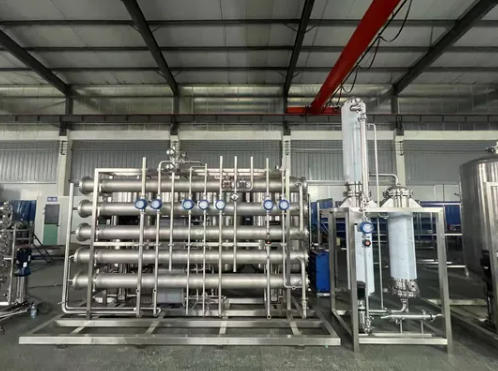
Kyrgyzstan is moving from heavy reliance on imported medicines toward more domestic pharmaceutical production, supported by new plants and government programs. Investment agreements with foreign partners and rising medicine demand are pushing local manufacturers to upgrade utilities, including pure steam generator systems for critical processes.[3][5][1]
As the pharmaceutical market grows at a healthy pace, production facilities must implement robust utilities such as pure steam generators to support sterilization, cleanroom humidification, and aseptic processing. This trend creates opportunities for global pure steam generator manufacturers and suppliers to serve Kyrgyz companies that are modernizing their plants.[5][6][3]
What Is A Pure Steam Generator?
A pure steam generator is a dedicated system that produces high‑purity, pyrogen‑free steam, typically meeting pharmacopoeial standards when condensed into water for injection (WFI). Leading pure steam generator manufacturers and suppliers design these systems so that the condensate complies with USP and EU requirements for WFI, ensuring safe contact with product, equipment, and clean surfaces.[7][8][9][4]
In pharmaceutical plants, pure steam is used for sterilizing vessels, pipelines, autoclaves, and components as well as for humidifying cleanrooms where contamination risk must be minimized. Compared with ordinary plant steam, pure steam from reputable pure steam generator manufacturers and suppliers is free from particulates, oils, corrosion products, and microbiological contaminants.[2][10][4]
Why Pure Steam Matters For Kyrgyzstan Facilities
For Kyrgyzstan's emerging pharmaceutical manufacturers, pure steam generator systems are essential to achieve cGMP and international regulatory compliance. International pure steam generator manufacturers and suppliers offer solutions that align with FDA, cGMP, USP, and EU guidelines, which are important reference points for any plant aiming at export markets.[9][4][7][1][2]
As new plants focus on injectables, sterile liquids, and high‑risk dosage forms, pure steam generator technology becomes central to sterilization and SIP (steam‑in‑place) processes. This is why Kyrgyz buyers increasingly look to experienced pure steam generator manufacturers and suppliers that can integrate systems with WFI production, storage, and distribution loops.[11][8][4][7][9][2]
Key Features To Seek In Pure Steam Generator Manufacturers And Suppliers
When selecting pure steam generator manufacturers and suppliers for a project in Kyrgyzstan, buyers should focus on several technical and compliance‑related features. The right partner not only delivers a machine but also a complete pure media concept that supports the entire sterile production environment.[4][11][7][9]
Important points include:
- Compliance with cGMP, FDA, USP, and EU pharmacopoeias for pure steam systems.[8][7][4]
- Design features such as multi‑stage separation, demisters, sloped piping, and sanitary connections to ensure dry, non‑contaminating steam.[7][9]
- Integration capability with WFI distillation units, pure water systems, and pure steam distribution loops.[11][8][9]
- Proven references in pharmaceutical, biotechnology, and related sterile industries.[9][4][7]
Strong pure steam generator manufacturers and suppliers also provide validation documents, FAT/SAT support, and long‑term service, which are important for Kyrgyz sites that are building technical skills.[8][7]
Global Pure Steam Generator Manufacturers And Suppliers Relevant To Kyrgyzstan
Kyrgyzstan does not yet have a large domestic ecosystem of specialized pure steam generator manufacturers and suppliers, so local companies often cooperate with international vendors. Several established players in pure steam and pure media solutions offer proven technologies that can be deployed in Kyrgyz projects through engineering partners, distributors, or direct export.[1][3][11][7][9]
Below are key categories of pure steam generator manufacturers and suppliers that Kyrgyz buyers typically consider:
- Biopharmaceutical‑grade pure steam specialists that supply large pure steam generator units complying with BPE and cGMP, suitable for big injectable or biotech plants.[7][9]
- Pure media solution providers that combine pure steam generators with pure water, high‑purity water, and WFI production to create fully integrated systems.[11][8]
- Equipment companies focused on sterilization and autoclave utilities, where pure steam generator models feed sterilizers, SIP systems, and cleanroom humidification.[12][10][2]
For Kyrgyz buyers, the most suitable pure steam generator manufacturers and suppliers are those that can match capacity needs, offer reliable after‑sales support in Central Asia, and understand local project constraints such as utility stability and water quality.[3][1]
Typical Applications In Kyrgyz Pharmaceutical Plants
In a Kyrgyz pharmaceutical or biotech facility, pure steam generator systems are used across multiple unit operations. Most pure steam generator manufacturers and suppliers design equipment specifically to support:[2][4]
- SIP of product contact lines, tanks, and filters to prevent microbial contamination.[10][4][2]
- Sterilization of process vessels, filling machines, and lyophilizers where direct contact with sterile components occurs.[10][2]
- Autoclave feeding for sterilizing glassware, tools, garments, and certain components in high‑risk areas.[12][10]
- Humidification in controlled environmental rooms where clean, non‑contaminating moisture is essential.[4][2]
Pure steam generator manufacturers and suppliers serving Kyrgyzstan must understand these application profiles and configure systems with adequate capacity and redundancy to support daily production loads.[9][7]
How Pure Steam Generators Work
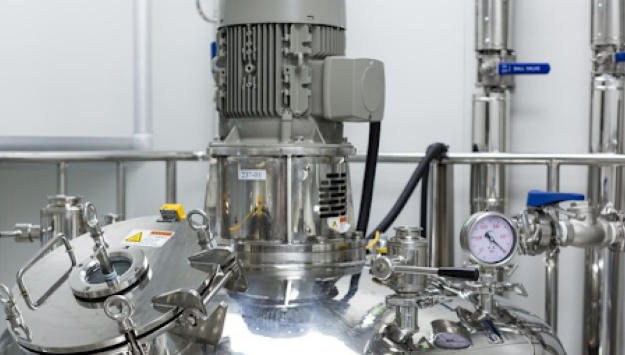
Although designs vary, most pure steam generator manufacturers and suppliers follow similar engineering principles. A typical system uses feed water—often pre‑treated or WFI‑quality water—heated by plant steam or electric heaters in a column where evaporation and separation take place.[8][4][7][9]
Three‑stage separation systems are common in high‑end pure steam generators, combining gravity disengagement, baffles, and demisters to remove entrained droplets and contaminants. Pure steam generator manufacturers and suppliers also use sanitary heat exchangers, double‑tube‑sheet designs, and hygienic piping layouts to minimize dead legs and ensure rapid condensate drainage.[7][9]
Design And Sizing Considerations For Kyrgyz Projects
When Kyrgyz companies evaluate pure steam generator manufacturers and suppliers, sizing and configuration are key issues. Poorly sized pure steam generator units can lead to pressure instability, wet steam, or insufficient sterilization capacity during peak production.[10][4][9][7]
Important design questions include:
- Required pure steam flow rate during SIP and sterilization cycles, considering all users operating simultaneously.[10][7]
- Available plant steam or electrical power for heating, which influences whether electric or steam‑heated pure steam generators are selected.[8][9]
- Desired level of automation, PLC integration, and remote monitoring for maintenance and troubleshooting.[4][7]
Experienced pure steam generator manufacturers and suppliers help Kyrgyz buyers calculate diversified load profiles, recommend buffer capacity, and design control loops to ensure stable pressure and dryness.[2][7]
Integration With Pure Water And WFI Systems
Modern pure steam generator manufacturers and suppliers often supply full “pure media” packages: PW, HPW, WFI, and pure steam in a coordinated design. This approach is particularly attractive for Kyrgyz greenfield projects that are building entire production lines and utilities from scratch.[1][3][11][9][8]
Pure steam generators are commonly fed with demineralized or WFI‑grade water to maintain purity and minimize scaling and corrosion. Pure steam generator manufacturers and suppliers can integrate storage tanks, distribution loops, and heat recovery units to improve energy efficiency and reduce operating cost, which is important in a cost‑sensitive market like Kyrgyzstan.[11][9][7][8]
Compliance And Validation Support
Pharmaceutical regulators and auditors focus heavily on critical utilities, so pure steam generator manufacturers and suppliers must provide comprehensive documentation and validation support. This is particularly important for Kyrgyz facilities that want to align with EU GMP or WHO standards to support export ambitions.[3][1][4][7][8]
Typical deliverables from reputable pure steam generator manufacturers and suppliers include design qualification (DQ), installation qualification (IQ), operational qualification (OQ) protocols, material traceability, and weld documentation. Many suppliers also assist with performance qualification (PQ), training, and lifecycle maintenance programs.[4][7][8]
After‑Sales Service And Local Support
For Kyrgyz buyers, availability of spare parts, remote diagnostics, and on‑site service is as important as the original pure steam generator design. International pure steam generator manufacturers and suppliers often cooperate with regional partners or service agents in Central Asia to reduce response time and language barriers.[3][11][7][10]
When comparing pure steam generator manufacturers and suppliers, Kyrgyz companies should evaluate:
- Lead time for critical spare parts and consumables.[7][10]
- Availability of remote support, online troubleshooting, and software updates.[4][7]
- Experience with local water qualities, steam conditions, and electrical infrastructure.[1][3]
Strong service from pure steam generator manufacturers and suppliers helps maintain high uptime, consistent sterilization performance, and longer equipment life.[10][7]
How Everheal Supports Kyrgyzstan As A Pure Steam Partner
Everheal, a China‑based pharmaceutical equipment company, provides integrated solutions including pure steam generators, purified water systems, multi‑effect distillation units, liquid filling and sealing machines, and sterilization systems for global clients. For Kyrgyz buyers seeking pure steam generator manufacturers and suppliers, Everheal can combine pure steam equipment with complete factory layout planning and turnkey production line design.
By delivering matched systems—pure steam generators plus water preparation, process equipment, and sterilization—Everheal helps Kyrgyz plants achieve consistent utility quality and regulatory compliance from day one. This positions Everheal among the most suitable pure steam generator manufacturers and suppliers for companies in Kyrgyzstan looking for long‑term technical partnership.[13]
How To Choose The Right Supplier For Your Kyrgyz Project
When Kyrgyz project teams shortlist pure steam generator manufacturers and suppliers, a structured selection process reduces risk and supports long‑term success.[9][8][7]
Key steps include:
- Clarify regulatory goals (local market only vs. export to EU/WHO markets) and choose pure steam generator manufacturers and suppliers with matching compliance references.[3][7]
- Evaluate total solutions, including pure water, WFI, pure steam, and filling/sterilization equipment, rather than focusing only on a single pure steam generator.[11][8]
- Request lifecycle cost analysis, including energy efficiency, maintenance, and expected service visits, from shortlisted pure steam generator manufacturers and suppliers.[11][9][7]
- Confirm that training, documentation, and validation support are available in a language and format suitable for the Kyrgyz operational team.[8][7][3]
With these steps, pharmaceutical and biotech investors in Kyrgyzstan can build strong partnerships with pure steam generator manufacturers and suppliers that will support plant operations for many years.
Conclusion
Pure steam generator manufacturers and suppliers play a central role in enabling Kyrgyzstan's pharmaceutical and biotech plants to meet modern sterility and quality requirements. By selecting experienced pure steam generator manufacturers and suppliers that offer compliant design, integrated pure media solutions, robust validation support, and reliable after‑sales service, Kyrgyz buyers can build competitive facilities that serve both domestic and export markets.[2][1][11][7][3][4]
FAQs About Pure Steam Generator Manufacturers And Suppliers In Kyrgyzstan
1. What standards should pure steam generator manufacturers and suppliers meet for Kyrgyz projects?
Pure steam generator manufacturers and suppliers should design equipment so that the resulting condensate meets USP and EU pharmacopoeia requirements for WFI quality. Compliance with cGMP, FDA, and BPE guidelines is also recommended for Kyrgyz plants that target export markets or WHO prequalification.[9][7][8][4]
2. Can pure steam generator manufacturers and suppliers also provide WFI systems?
Many pure steam generator manufacturers and suppliers offer full pure media packages, including pure water, high‑purity water, and WFI generation systems. This integrated approach simplifies engineering and validation for Kyrgyz facilities because all utilities are designed to work together from the beginning.[11][8][9]
3. How do pure steam generator manufacturers and suppliers support validation?
Reputable pure steam generator manufacturers and suppliers typically provide DQ, IQ, and OQ documentation, material certificates, and welding records as part of the equipment supply. They frequently assist with FAT, SAT, and operator training and may support PQ protocol development to help Kyrgyz plants meet regulatory expectations.[7][8][4]
4. What information should Kyrgyz buyers send to pure steam generator manufacturers and suppliers for sizing?
Kyrgyz buyers should send a list of all users requiring pure steam, expected simultaneous demand, desired pressure, and available utilities (plant steam, electricity, water quality) to shortlisted pure steam generator manufacturers and suppliers. Providing production schedules and future expansion plans allows suppliers to recommend appropriate capacity and redundancy.[9][10][7]
5. Why choose Everheal among global pure steam generator manufacturers and suppliers?
Everheal combines pure steam generators with purified water systems, multi‑effect distillation units, filling and sealing lines, and sterilization equipment, providing a one‑stop solution for Kyrgyz pharmaceutical plants. As one of the pure steam generator manufacturers and suppliers serving global clients, Everheal also offers factory layout planning and turnkey production line integration, which simplifies project execution and long‑term operation.
Citations:
[1](https://timesca.com/kyrgyzstan-gears-toward-self-sufficiency-in-medication/)
[2](https://www.forbesmarshall.com/industries/pharma-and-formulation-industry/pure-steam-generator-psg/)
[3](https://www.actizapharma.com/manufacturer-india-kyrgyzstan/)
[4](https://biomicro-giant.com/en/product/11)
[5](https://www.trend.az/business/4094868.html)
[6](https://www.statista.com/outlook/hmo/pharmaceuticals/kyrgyzstan)
[7](https://www.meco.com/product/biopharmaceutical-pure-steam-generators/)
[8](https://www.pharmaceutical-technology.com/contractors/water-treatment/elettracqua/)
[9](https://pure-steam-generator.com)
[10](https://hiltekvn.com/shop/bio-tech/pure-steam-generator)
[11](https://www.syntegon.com/solutions/pharma/pure-media-generation-and-distribution/)
[12](https://www.delama.it/product/serie-dlsg-steam-generators/)
[13](https://www.everhealgroup.com/top-pharmaceutical-equipment-manufacturers-and-suppliers-in-kyrgyzstan.html)
[14](https://en.paulmueller.com/pharmaceutical-manufacturing-equipment/pure-steam-generator)
[15](https://en.paulmueller.com/pharmaceutical-manufacturing-equipment/pure-steam-solution)


