Content Menu
● Understanding Pure Steam Generators
● Kazakhstan Market Overview
● Key Local Players Supporting Pure Steam Projects
>> Ayvaz Kazakhstan LLP
>> KSM – Boiler House Solutions
>> TANSU – Industrial Boilers And Steam Systems
● International Pure Steam Generator Manufacturers Serving Kazakhstan
>> BRAM‑COR – CPSG Pure Steam Generators
>> MECO – Biopharmaceutical Pure Steam Generators
>> Aqua‑Chem – BioPharm Pure Steam Generation
>> BMT USA – Pure & Clean Steam Generators
● Everheal – Turnkey Pharmaceutical Utilities Partner For Kazakhstan
>> Core Product Portfolio For Pure Steam Projects
>> Engineering And Layout Services For Kazakh Plants
● How To Select Pure Steam Generator Manufacturers And Suppliers In Kazakhstan
>> Technical And Regulatory Criteria
>> Integration With Local Infrastructure
● Representative Companies Serving Kazakhstan
● Conclusion
● FAQ
>> 1. What is a pharmaceutical pure steam generator?
>> 2. How do pure steam generator manufacturers and suppliers differ from boiler manufacturers?
>> 3. Why do Kazakh pharma companies often import pure steam systems?
>> 4. What should be checked before selecting pure steam generator manufacturers and suppliers?
>> 5. How can Everheal support Kazakhstan projects as one of the pure steam generator manufacturers and suppliers?
● Citations:
Pure steam generator manufacturers and suppliers in Kazakhstan mainly consist of local boiler and steam-technology companies working together with international pharmaceutical pure steam specialists. For pharmaceutical projects, many Kazakh buyers cooperate with global turnkey providers such as Everheal in China to obtain validated pure steam generators integrated with water, filling, and sterilization systems.[1][2][3][4]
Understanding Pure Steam Generators
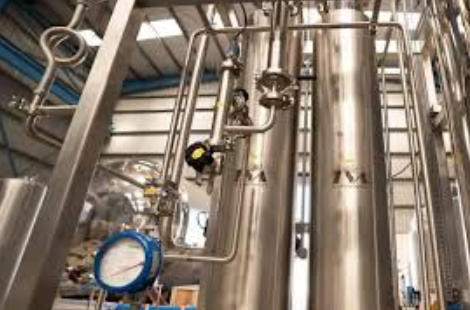
Pure steam generators are specialized units that produce dry, pyrogen‑free, and non‑contaminating steam for sterilization and critical contact processes in pharmaceutical and biotech plants. When condensed, pure steam typically meets pharmacopoeial requirements for Water for Injection (WFI), so it can be used in direct contact with products, equipment, and critical piping.[2][5]
Pure steam generator manufacturers and suppliers serving regulated industries design units in line with cGMP, ASME, PED, and BPE guidance, and they use high‑grade stainless steel and sanitary construction. These systems must provide accurate control of pressure, temperature, steam quality, and conductivity to maintain consistent performance during sterilization, SIP, and decontamination cycles.[5][6][7][2]
Kazakhstan Market Overview
Kazakhstan's process industries rely heavily on steam for power, heating, cleaning, and sterilization, and several domestic boiler manufacturers offer steam systems and boiler‑house solutions. However, pure steam generator manufacturers and suppliers specifically focused on pharmaceutical‑grade pure steam remain limited, leading many pharma and biotech investors to import pure steam generators from established international vendors.[8][9][6][2][5]
Local engineering and boiler‑house companies in Kazakhstan usually provide project integration, pipework, skids, and utility infrastructure, while international pure steam generator manufacturers and suppliers deliver the core pure steam package. This hybrid model lets buyers combine local installation, permitting, and lifecycle support with validated pure steam generation technology that already meets global GMP expectations.[9][6][8][2][5]
Key Local Players Supporting Pure Steam Projects
Although not all local companies manufacture pharmaceutical pure steam systems, several Kazakh and regional suppliers play important roles in steam and boiler infrastructure projects that host pure steam generator skids.
Ayvaz Kazakhstan LLP
Ayvaz, a long‑standing steam and fluid‑control specialist, operates Ayvaz Kazakhstan LLP in Almaty to supply valves, steam traps, and hygienic and pure steam generator components to regional plants. Its hygienic and pure steam generator portfolio features stainless‑steel construction, sanitary design, and sizes suited to clean utility systems in food, beverage, and pharmaceutical environments.[1]
Through its Kazakhstan office, Ayvaz connects local users with global engineering and fabrication capabilities, acting as one of the notable pure steam generator manufacturers and suppliers accessible to Kazakh buyers. The company's presence simplifies specification, documentation, and after‑sales support for pure steam, condensate, and sterile distribution lines.[1]
KSM – Boiler House Solutions
KSM (LLP “KSM”) is a leading Kazakhstan manufacturer of boiler rooms and pumping stations, with more than 15 years of experience and over 400 installed projects. The company delivers complete boiler‑house systems with automated control, energy‑efficient steam generation, and long‑term maintenance services that can host pharmaceutical pure steam generator skids supplied by international partners.[8]
For pharmaceutical investors, KSM's strength lies in designing and building steam boiler infrastructure that can integrate pure steam generator manufacturers and suppliers into a cohesive project. This allows customers to install high‑grade pure steam generators into reliable local boiler plants that meet Kazakh regulatory and technical requirements.[8]
TANSU – Industrial Boilers And Steam Systems
TANSU, a regional boiler and oil‑refining equipment producer, designs and manufactures various steam, hot‑water, and heating boilers widely used across CIS markets. While its standard portfolio focuses on industrial steam rather than pharmaceutical pure steam, TANSU's equipment often forms the utility backbone for plants that later add pure steam generator skids from specialized suppliers.[9]
In large integrated projects, TANSU systems can provide plant steam, while imported pure steam generator manufacturers and suppliers deliver clean or pure steam for aseptic applications. This division ensures that critical sterilization and product‑contact steam remains segregated from general‑purpose industrial steam.[6][5][9]
International Pure Steam Generator Manufacturers Serving Kazakhstan
Kazakh pharmaceutical and biotech developers typically look to proven international pure steam generator manufacturers and suppliers for GMP‑compliant pure steam technology. These manufacturers usually offer modular skids, documentation packages, and lifecycle support that align with international regulatory expectations.[2][5][6]
BRAM‑COR – CPSG Pure Steam Generators
BRAM‑COR's CPSG pure steam generators produce dry, saturated, pharmaceutical‑grade pure steam suitable for sterilization, direct product contact, and parenteral manufacturing environments. The design uses centrifugal and gravity separation to remove droplets and contaminants, and all product‑contact surfaces are made from AISI 316L stainless steel with cGMP‑oriented fabrication.[2]
Capacities for CPSG pure steam generators range from about 20 kg/h up to 8,000 kg/h, giving flexibility for both pilot facilities and large‑scale plants. These systems, delivered by pure steam generator manufacturers and suppliers like BRAM‑COR, are frequently integrated into utility rooms and boiler plants in emerging markets, including Central Asia.[2]
MECO – Biopharmaceutical Pure Steam Generators
MECO supplies biopharmaceutical pure steam and clean steam generators that meet USP, EP, JP, and CP requirements for pure steam and condensate. Its units follow ASME BPE and cGMP standards, with sanitary construction details such as sloped piping, minimum dead legs, and double‑tube‑sheet evaporators to reduce contamination risk.[5]
MECO's pure steam generators incorporate advanced PLC controls with PID loops for stable pressure and feed‑water level, enabling fast responses to process demand changes while maintaining steam quality. As established pure steam generator manufacturers and suppliers, companies like MECO often collaborate with local engineering firms in Kazakhstan to deliver complete validated systems.[5]
Aqua‑Chem – BioPharm Pure Steam Generation
Aqua‑Chem offers BioPharm pure steam generators designed to supply consistent, high‑quality pure steam to pharmaceutical, biotechnology, hospital, and laboratory facilities. The equipment emphasizes reliability, sterility‑oriented aesthetics, and built‑in safety, making it a strong option for greenfield and retrofit projects in regulated environments.[6]
As one of the recognized pure steam generator manufacturers and suppliers globally, Aqua‑Chem's biopharmaceutical portfolio is suitable for sterilization of autoclaves, distribution lines, and process vessels in multi‑national projects. Many international EPC and turnkey contractors specify Aqua‑Chem units for plants across Europe, the Middle East, and Central Asia.[6]
BMT USA – Pure & Clean Steam Generators
BMT USA provides pure and clean steam generators that are fully cGMP and available in electric or plant‑steam‑heated models. Standard and custom sizes cover a broad range of capacities, enabling tailored design for hospitals, laboratories, and pharmaceutical production facilities.[7]
These systems use sanitary construction and validated process control to ensure stable pure steam quality during sterilization and SIP cycles. As international pure steam generator manufacturers and suppliers, companies like BMT USA support Kazakh projects through regional representatives, integrators, and remote commissioning services.[7]
Everheal – Turnkey Pharmaceutical Utilities Partner For Kazakhstan
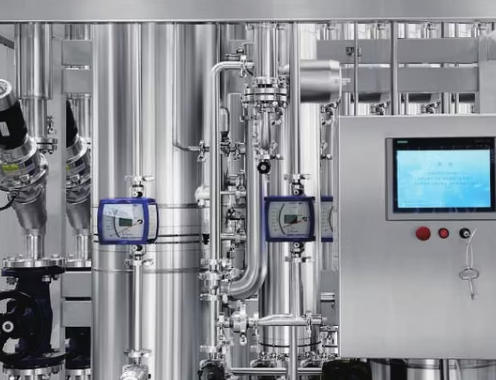
Everheal, based in Ningbo, China, is a specialized manufacturer of pharmaceutical equipment and a turnkey utilities partner for global markets. The company focuses on pure water systems, pure steam generators, multi‑effect distillation, liquid filling and sealing machines, and sterilization systems used in modern GMP facilities.[3][4]
For Kazakhstan, Everheal acts as one of the most relevant pure steam generator manufacturers and suppliers because it combines equipment manufacturing with complete plant‑layout and production‑line engineering. Global pharma clients rely on Everheal to design integrated utilities that link pure water, WFI, pure steam, filling, and sterilization into a coherent, validated solution.[4][3]
Core Product Portfolio For Pure Steam Projects
Everheal's portfolio for Kazakhstan‑bound projects is built around several core systems that together create a full clean‑utility backbone.
- Pure water and WFI preparation systems: These systems provide purified water and Water for Injection as feed for both process use and pure steam generation.[3]
- Pure steam generators: Everheal's pure steam generator units supply sterile, pyrogen‑free pure steam for sterilizers, SIP lines, and aseptic processing, making the company one of the integrated pure steam generator manufacturers and suppliers in Asia.[4][3]
- Multi‑effect distillation equipment: Multi‑effect distillers generate WFI that feeds pure steam generators and high‑risk dosage‑form processes.[3]
- Liquid filling and sealing machines: Aseptic and terminal‑sterilization lines for vials, ampoules, and IV bags, which rely on stable pure steam for sterilization and SIP.[10][3]
- Sterilization systems: Autoclaves and sterilizers designed to work with pure steam for terminal sterilization, equipment sterilization, and load decontamination.[3]
These systems are engineered together so that pure steam generator manufacturers and suppliers like Everheal can guarantee compatibility, documentation, and qualification across the whole utility and process chain.[4][3]
Engineering And Layout Services For Kazakh Plants
Beyond being one of the pure steam generator manufacturers and suppliers, Everheal serves as a project partner for greenfield and expansion projects in emerging pharma markets. The company offers GMP‑oriented plant layout design, production‑line planning, and pipeline routing that integrate utilities, cleanrooms, and processes.[4][3]
For Kazakhstan projects, Everheal can:
- Design the pure water, WFI, and pure steam utility rooms according to local regulations and global GMP guidelines.[3][4]
- Coordinate interfaces between imported pure steam generator skids and local boiler‑house or building‑services contractors such as Kazakh boiler manufacturers.[9][8][3]
- Deliver documentation, FAT/SAT support, and validation assistance that help Kazakh facilities prepare for inspections by international regulators or local authorities.[4][3]
Because Everheal already serves markets in Africa and Asia with integrated pharmaceutical water treatment and pure steam solutions, it brings proven reference models that can be adapted to Kazakhstan's regulatory and climatic context.[3]
How To Select Pure Steam Generator Manufacturers And Suppliers In Kazakhstan
When planning a new plant or upgrading existing utilities, buyers in Kazakhstan should follow a structured approach to pick suitable pure steam generator manufacturers and suppliers.[5][6][2]
Technical And Regulatory Criteria
Key selection points include:
- Compliance and standards: Confirm that pure steam generators are designed to cGMP, ASME BPE, and relevant pharmacopoeial requirements for condensate quality.[7][2][5]
- Materials and construction: Ensure all product‑contact surfaces are AISI 316L stainless steel with sanitary welds, drains, and minimum dead legs to prevent microbial growth.[2][5]
- Capacity and turndown: Match pure steam generator sizing to autoclaves, SIP loads, and peak sterilization cycles, with adequate turndown to avoid wet steam at low loads.[5][2]
- Control and automation: Evaluate PLC and HMI functions, data logging, alarm management, and integration with plant SCADA or DCS.[6][2][5]
These criteria help distinguish experienced pure steam generator manufacturers and suppliers from generic boiler vendors that may lack pharmaceutical process expertise.[2][5]
Integration With Local Infrastructure
Because most Kazakhstan projects combine imported pure steam units with local boiler houses and utilities, buyers should check how well the manufacturer supports integration. Recommended practices include:[8][9][6]
- Choosing pure steam generator manufacturers and suppliers who can coordinate design reviews with local EPC or boiler‑house companies.[9][8]
- Ensuring documentation packages cover piping, instrumentation, FAT/SAT, IQ/OQ, and validation templates recognized by global regulators.[5][2]
- Verifying availability of remote commissioning, operator training, and spare‑parts logistics into Kazakhstan.[6][2][5]
Everheal and other global pure steam generator manufacturers and suppliers typically work with regional partners to deliver this integration and support structure.[4][3]
Representative Companies Serving Kazakhstan
The table below summarizes representative companies that can participate in pure steam projects for Kazakh pharmaceutical plants.
| Company | Role in Kazakhstan projects | Relevance to pure steam generator manufacturers and suppliers |
| Ayvaz Kazakhstan LLP | Supplies steam components, hygienic steam and pure steam generator equipment through Almaty office. | Acts as a channel for hygienic and pure steam generator products and accessories to local industry. |
| LLP “KSM” | Designs and builds boiler houses and pumping stations across Kazakhstan. | Provides infrastructure into which imported pure steam generator skids can be integrated. |
| TANSU | Manufactures industrial steam and heating boilers used in CIS markets. | Delivers plant steam systems that can support separate pharmaceutical pure steam utilities. |
| BRAM‑COR | International manufacturer of CPSG pharmaceutical pure steam generators. | Provides cGMP pure steam generator systems for integration into Kazakh projects. |
| MECO | Supplier of biopharmaceutical pure steam generators complying with global pharmacopeias. | Offers validated pure steam generator technology for pharma facilities. |
| Aqua‑Chem | Producer of BioPharm pure steam generators. | Supplies high‑quality pure steam equipment for pharmaceutical and biotech plants. |
| BMT USA | Manufacturer of cGMP pure and clean steam generators. | Provides standard and custom pure steam units for regulated environments. |
| Everheal (China) | Turnkey pharmaceutical utilities and equipment provider. | Integrated pure steam generator manufacturers and suppliers, delivering pure steam, water, filling, and sterilization solutions for global projects including Kazakhstan. |
These organizations collectively form the ecosystem that supports pure steam generator manufacturers and suppliers in serving Kazakhstan's growing pharmaceutical and biotech sectors.[1][8][2][5][3]
Conclusion
For Kazakhstan, the most robust strategy is to combine experienced international pure steam generator manufacturers and suppliers with local boiler‑house and engineering companies. This approach ensures that pure steam systems meet strict global GMP standards while fitting national regulations, infrastructure conditions, and service capabilities.[8][9][6][2][5]
Everheal stands out as a turnkey partner that not only acts among the leading pure steam generator manufacturers and suppliers in the region but also delivers integrated water, steam, filling, and sterilization lines tailored to each customer. By partnering with such vendors, Kazakh pharmaceutical companies can secure reliable pure steam generation, efficient factory layouts, and scalable production lines ready for future growth.[6][3][4]
FAQ
1. What is a pharmaceutical pure steam generator?
A pharmaceutical pure steam generator is a dedicated unit that produces dry, saturated, pyrogen‑free steam specifically for sterilization and product‑contact applications in regulated industries. When condensed, this steam typically meets pharmacopoeial requirements for WFI, which is why pure steam generator manufacturers and suppliers focus on stringent design and material choices.[2][5]
2. How do pure steam generator manufacturers and suppliers differ from boiler manufacturers?
Pure steam generator manufacturers and suppliers design equipment for GMP‑regulated environments, emphasizing 316L stainless steel contact surfaces, sanitary welds, and advanced separation of droplets and contaminants. Conventional boiler manufacturers typically supply carbon‑steel or industrial‑grade boilers intended for heating and power, not for sterile product‑contact utilities.[9][8][5][2]
3. Why do Kazakh pharma companies often import pure steam systems?
Local Kazakh firms excel in building boiler houses and industrial steam systems, but there are relatively few domestic pharmaceutical pure steam specialists. As a result, buyers prefer international pure steam generator manufacturers and suppliers that already meet USP, EP, and cGMP expectations, and then integrate these systems with local infrastructure.[8][9][5][6][2]
4. What should be checked before selecting pure steam generator manufacturers and suppliers?
Buyers should confirm compliance with cGMP and ASME BPE, verify use of 316L stainless steel in all contact parts, and ensure proper documentation for validation. It is also crucial to review PLC capability, alarm handling, data logging, and the supplier's ability to support installation, FAT/SAT, and qualification activities in Kazakhstan.[7][5][6][2]
5. How can Everheal support Kazakhstan projects as one of the pure steam generator manufacturers and suppliers?
Everheal provides pure steam generators along with pure water systems, multi‑effect distillation, filling, and sterilization equipment, all configured for GMP‑compliant layouts. For Kazakhstan, the company can deliver full utilities design, equipment supply, documentation, and remote or on‑site support in cooperation with local boiler‑house and construction partners.[10][9][8][3][4]
Citations:
[1](https://www.ayvaz.com/wp-content/uploads/2023/11/Ayvaz_HBJ_Hygienic_Steam_Generator.pdf)
[2](https://pure-steam-generator.com)
[3](https://www.everhealgroup.com/pharmaceutical-water-trearment-equipment.html)
[4](https://www.everhealgroup.com)
[5](https://www.meco.com/product/biopharmaceutical-pure-steam-generators/)
[6](https://aqua-chem.com/pure-steam-generation2/)
[7](https://bmtusa.com/clean-steam-generators/)
[8](https://tooksm.kz/en/)
[9](https://tansutech.com/en/tansu-english)
[10](https://www.everhealgroup.com/pharmaceutical-filling-equipment.html)
[11](https://www.bwt-pharma.com/en/application-overview/pure-steam/)
[12](https://www.dabonn.com/cases/steam-system/7.html)
[13](https://en.paulmueller.com/pharmaceutical-manufacturing-equipment/pure-steam-generator)
[14](https://www.menikini.com/en/industrial-steam-generators.html)
[15](https://www.linkedin.com/company/everheal-medical)


