Content Menu
● Overview of Argentina's Pharma And Biotech Market
● What Is A Pure Steam Generator?
● Key Requirements For Pure Steam Generators In Argentina
● How Pure Steam Generators Support Argentine Facilities
● Top Global Pure Steam Generator Manufacturers Serving Argentina
>> BRAM‑COR (Italy)
>> Neopure CIFA (Spain)
>> Stilmas / Masco Group (Italy)
>> MECO (USA)
>> E CHUNG (Taiwan)
>> Stilmas, MECO, E CHUNG And Others In Practice
● Everheal: Partner For Argentina‑Focused Projects
>> Integrated Utility And Process Design
>> Support Across The Project Lifecycle
● Key Selection Criteria For Buyers In Argentina
>> Regulatory And Quality Compliance
>> Technical Performance And Design Features
>> Automation, Integration And Service
● Practical Tips For Choosing Pure Steam Generator Manufacturers and Suppliers
● Conclusion
● FAQ
>> 1. What is the role of pure steam in pharmaceutical plants?
>> 2. How do Pure Steam Generator Manufacturers and Suppliers ensure regulatory compliance?
>> 3. What capacities are typical for pure steam generators in Argentina?
>> 4. Why work with integrated solution providers like Everheal?
>> 5. What should buyers consider when comparing Pure Steam Generator Manufacturers and Suppliers?
● Citations:
Pure Steam Generator Manufacturers and Suppliers play a crucial role in Argentina's fast‑growing pharmaceutical, biotech, and healthcare sectors by delivering reliable, regulation‑compliant steam for sterilization and clean utilities. For international buyers, especially those sourcing from or for Argentine plants, understanding the local and global ecosystem of Pure Steam Generator Manufacturers and Suppliers is essential to designing safe, scalable production lines.
Overview of Argentina's Pharma And Biotech Market
Argentina has one of the most developed pharmaceutical industries in Latin America, with strong local production capacity and a growing focus on export‑oriented, high‑value formulations. To support this growth, manufacturers increasingly rely on advanced utilities such as pure water preparation systems and pure steam generators that comply with cGMP, major pharmacopoeial standards, and local ANMAT regulations.
Pure Steam Generator Manufacturers and Suppliers serving Argentina must understand the country's regulatory framework, project approval procedures, and validation expectations for clean utility equipment. In practice, this means providing documented design qualification (DQ), installation qualification (IQ), operational qualification (OQ), and performance qualification (PQ) services as part of complete pure steam solutions.
What Is A Pure Steam Generator?
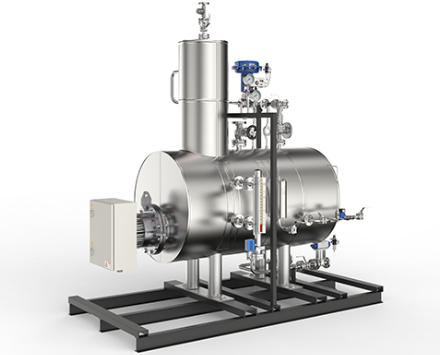
A pure steam generator is a specialized unit that produces dry, saturated, pyrogen‑free steam from purified water, typically for sterilization of process equipment, pipelines, tanks, and cleanroom applications. When condensed, pure steam produced by leading Pure Steam Generator Manufacturers and Suppliers can meet stringent quality criteria, making it suitable for direct contact with critical product contact surfaces.
Unlike conventional industrial boilers, pure steam systems are designed according to cGMP and biopharma standards such as ASME BPE, PED, USP, and EN 285, with sanitary materials, full drainability, and high‑efficiency separation of droplets and endotoxins. For Argentine plants targeting export markets in the US and EU, working with Pure Steam Generator Manufacturers and Suppliers familiar with these standards is key to successful inspections and audits.
Key Requirements For Pure Steam Generators In Argentina
Argentina's pharma and biotech facilities typically require pure steam generators that integrate seamlessly with:
- Purified water and WFI generation systems used as feed water.
- Sterilization in place (SIP) processes for tanks, fermenters, reactors, filling lines, and distribution loops.
- Autoclaves, sterilization tunnels, and cleanroom humidification systems needing consistently high‑quality steam.
Local users also expect Pure Steam Generator Manufacturers and Suppliers to deliver:
- Full documentation packages (DQ, IQ, OQ, FAT, SAT) and assistance with PQ and validation protocols.
- Flexible capacity ranges, from small pilot‑scale units to large industrial systems, to cover different plant sizes and future expansion.
- Automation with PLC or IPC controls, data logging, electronic records, and integration into plant SCADA or MES systems.
How Pure Steam Generators Support Argentine Facilities
Pure steam generators are central to high‑quality manufacturing in Argentina's pharma plants, from sterile injectables to high‑grade oral products. Their pure, pyrogen‑free steam sterilizes tanks, fermenters, piping, filters, and filling machines to prevent microbial contamination and maintain regulatory compliance.
Typical uses of pure steam in Argentine facilities include:
- SIP of process equipment and distribution loops in sterile production lines.
- Steam supply for autoclaves, sterilization tunnels, and terminal sterilizers handling vials, ampoules, and other containers.
- Cleanroom and isolator humidification where condensate purity is critical.
By working with experienced Pure Steam Generator Manufacturers and Suppliers, Argentine companies can design systems that handle seasonal variations in utilities, local water quality issues, and evolving production volumes. This long‑term flexibility is especially important for plants that plan to add new dosage forms or export to new markets over time.
Top Global Pure Steam Generator Manufacturers Serving Argentina
While Argentina has a strong equipment import market, many of the most widely used pure steam solutions come from international Pure Steam Generator Manufacturers and Suppliers experienced in pharmaceutical projects worldwide. Below are some representative players whose systems are commonly specified for Latin American facilities, including Argentine plants.
BRAM‑COR (Italy)
BRAM‑COR is a specialist in pharmaceutical clean utility equipment, including CPSG pure steam generators designed for sterilization and high‑purity steam applications. Its Pure Steam Generator line is engineered according to cGMP, ASME, and PED standards, with documented material traceability and high‑quality fabrication.
BRAM‑COR pure steam generators are typically fed with purified water and heated using industrial steam, superheated water, or, in some configurations, direct electrical power. Capacities range from approximately 20 to 8000 kg/h, and special kettle‑type KPSG designs are available for projects with demanding layout constraints or high capacities.
For Argentine users, BRAM‑COR's strengths include turnkey solutions covering purified water, WFI, and pure steam, plus comprehensive documentation and validation support. Pure Steam Generator Manufacturers and Suppliers like BRAM‑COR are often chosen for high‑spec injectable plants targeting export markets.
Neopure CIFA (Spain)
Neopure CIFA designs pure steam generators specifically for the pharmaceutical and biotech industry, with a strong presence in Spanish‑speaking markets. Its generators can be supplied as steam‑heated or electrically heated versions, giving flexibility to plants that may not have an existing plant steam source.
Neopure CIFA systems are typically built with AISI 316L stainless steel for product contact parts and AISI 304 for the bench and external structures. The pure steam generator and its components are installed on a stainless‑steel bench, providing free access on both sides and allowing installation in corners without maintenance difficulties.
The heat exchanger uses a double tube‑sheet design and non‑welded stainless‑steel tubes, expanded on both ends to avoid cracks and extend operating life. This detail meets cGMP expectations for critical heat exchangers and fits the requirements of buyers comparing advanced Pure Steam Generator Manufacturers and Suppliers for Argentine plants.
Stilmas / Masco Group (Italy)
Stilmas, part of Masco Group, focuses on water treatment and pure steam systems for pharmaceutical and biotech clients across the globe. Its pure steam generators are widely used for SIP processes and sterilization duties in sterile and non‑sterile plants.
The company's product portfolio covers purified water generation, WFI production, and pure steam, enabling coherent designs and shared control philosophies. For Argentina, Stilmas is one of the international Pure Steam Generator Manufacturers and Suppliers often considered in corporate group standards, especially where multinational pharma companies replicate utility designs across global sites.
MECO (USA)
MECO has a long track record as a leading manufacturer of pure steam generators for food, beverage, and pharmaceutical applications, with hundreds of installations worldwide. Its clean steam generators are designed to achieve high steam quality, stable pressure, and consistent performance under changing loads.
Typical MECO pure steam generators cover capacities from roughly 90 kg/h to over 6000 kg/h, with options that match various plant sizes and redundancy strategies. In Latin America, MECO's pure steam units are frequently integrated into larger process and water systems by local engineering firms, making MECO a trusted name among Pure Steam Generator Manufacturers and Suppliers for long‑term performance.
E CHUNG (Taiwan)
E CHUNG Machinery manufactures pharmaceutical and biotech process equipment, including pure steam generators and sterilizers. With decades of experience, E CHUNG serves global customers requiring cGMP‑compliant utilities and sterilization systems aligned with EU and US standards.
For Argentina, E CHUNG represents an Asian member of the worldwide network of Pure Steam Generator Manufacturers and Suppliers providing cost‑effective yet high‑spec solutions, often supported through local agents or regional partners. Its portfolio covers pure steam generators, autoclaves, water systems, and tunnel sterilizers, enabling coordinated designs and simplified integration.
Stilmas, MECO, E CHUNG And Others In Practice
In practical projects, international engineering companies and local integrators often propose shortlists that include brands such as BRAM‑COR, Stilmas, MECO, and E CHUNG. This allows Argentine buyers to compare multiple Pure Steam Generator Manufacturers and Suppliers side by side on criteria like lifecycle cost, energy efficiency, documentation quality, and local service presence.
Because many of these brands also supply related clean utility systems, they can offer harmonized documentation, shared spare parts, and unified automation platforms. For plants that emphasize long‑term reliability and regulatory robustness, this can be decisive when choosing between pure steam suppliers.
Everheal: Partner For Argentina‑Focused Projects
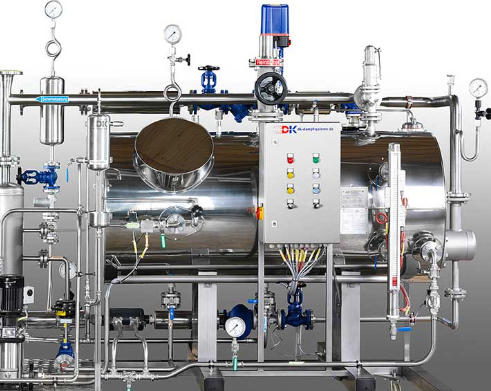
Everheal is a China‑based pharmaceutical equipment company whose core products include pure water preparation systems, pure steam generators, multi‑effect distillation equipment, liquid filling and sealing machines, and sterilization systems. The company provides customized factory layout planning and turnkey production line construction services for global clients, including those serving Argentina's pharmaceutical industry.
Within the global landscape of Pure Steam Generator Manufacturers and Suppliers, Everheal differentiates itself by combining clean utility generation, process equipment, and engineering design into cohesive solutions. This integrated approach allows overseas buyers targeting the Argentine market to work with one partner for pure water, pure steam, filling, and sterilization, simplifying coordination and reducing project risk.
Integrated Utility And Process Design
Everheal's engineering teams focus on harmonizing pure steam generators with pure water systems, WFI distillation units, process piping, and downstream filling lines. Careful attention is given to loop layout, slopes, drainability, and valve selection, so that the pure steam generator is not just a stand‑alone machine but part of a robust contamination‑control strategy.
For projects linked to Argentina, Everheal can design layouts that fit local building constraints, take into account future expansion, and align with corporate engineering standards. By positioning itself among internationally minded Pure Steam Generator Manufacturers and Suppliers, Everheal offers an attractive combination of performance, flexibility, and cost‑competitiveness.
Support Across The Project Lifecycle
Everheal typically supports projects from early concept stages, through basic and detailed design, equipment manufacturing, FAT, shipment, site installation, and commissioning. This continuity is valuable for buyers who may not have prior experience with pure steam systems or who manage complex multi‑equipment expansions.
By providing single‑source responsibility for pure water, pure steam, and associated process equipment, Everheal reduces the coordination burden on the end user. For Argentine‑oriented projects, this means less risk of interface errors between utilities, better scheduling control, and clearer lines of accountability.
Key Selection Criteria For Buyers In Argentina
When evaluating Pure Steam Generator Manufacturers and Suppliers for projects connected to Argentina, buyers and engineering teams typically consider several practical and regulatory factors.
Regulatory And Quality Compliance
Compliance with international and local regulations sits at the top of the checklist. Buyers look for suppliers that design and build according to cGMP, USP, EP, EN 285, and ASME BPE, and that understand ANMAT expectations and documentation practices.
Equally important is the supplier's ability to deliver complete documentation, including:
- Design qualification (DQ) to show that user requirements and specifications have been translated into a compliant design.
- Installation qualification (IQ) and operational qualification (OQ) protocols and reports.
- Support for performance qualification (PQ) to verify real‑world performance under production conditions.
Pure Steam Generator Manufacturers and Suppliers with a mature quality system and strong service teams can significantly shorten validation timelines and reduce the risk of findings during inspections.
Technical Performance And Design Features
Technical performance includes capacity range, steam dryness fraction, separation efficiency, and the ability to maintain stable pressure and quality under varying load conditions. For Argentine facilities that may experience fluctuations in demand or utilities, robust control systems and safety protections are vital.
Key design features that buyers often specify include:
- Sanitary construction with 316L stainless steel for product‑contact surfaces.
- Double‑tube‑sheet or equivalent sanitary designs for critical heat exchangers.
- Sloped and fully drainable piping and vessels to avoid stagnation.
- High‑efficiency separators to remove entrained droplets and contaminants.
Pure Steam Generator Manufacturers and Suppliers that can demonstrate proven performance data and reference installations give buyers more confidence when making long‑term investments.
Automation, Integration And Service
Automation and integration with plant control systems are major differentiators. Many buyers favor PLC‑based systems with user‑friendly HMIs, trend recording, alarm management, and connectivity to SCADA or DCS platforms. For regulated environments, 21 CFR Part 11‑ready data management and audit trails may be required.
Service and after‑sales support also weigh heavily in supplier selection. Buyers look for:
- Local or regional service partners who can respond quickly.
- Preventive maintenance programs and readily available spare parts.
- Remote diagnostics and technical support when on‑site visits are not immediately possible.
Pure Steam Generator Manufacturers and Suppliers that combine strong technology with dependable service networks tend to build long‑term relationships with Argentine pharma and biotech companies.
Practical Tips For Choosing Pure Steam Generator Manufacturers and Suppliers
Selecting the right pure steam partner is a strategic decision for any plant that relies on high‑purity sterilization. The following practical tips can help buyers in or serving Argentina choose suitable Pure Steam Generator Manufacturers and Suppliers:
- Define user requirements in detail, including all SIP loads, peak and average steam demands, and future capacity needs.
- Consider total cost of ownership rather than only the purchase price, including energy consumption, maintenance, spare parts, and downtime risk.
- Request case studies or references of projects in Latin America or in regions with similar regulatory environments.
- Evaluate how well the pure steam generator can integrate with existing or planned pure water, WFI, and process systems.
- Pay close attention to documentation structure, language, and clarity, as this will affect the ease of validation and inspections.
By following these steps, buyers can systematically compare Pure Steam Generator Manufacturers and Suppliers and secure solutions that support their long‑term growth.
Conclusion
Pure Steam Generator Manufacturers and Suppliers are central to the modernization of Argentina's pharmaceutical and biotech infrastructure, ensuring safe, compliant, and efficient sterilization processes. By selecting proven Pure Steam Generator Manufacturers and Suppliers—such as BRAM‑COR, Neopure CIFA, Stilmas, MECO, E CHUNG, and integrated solution providers like Everheal—investors can build facilities that satisfy both Argentine regulations and international standards.
For companies looking to serve or supply the Argentine market, collaborating with partners who understand pure water, pure steam, and complete production line integration is critical to long‑term success. With the right combination of equipment and engineering support, pure steam systems become a strategic asset, supporting higher product quality, smoother inspections, and a stronger competitive position in Latin America and beyond.
FAQ
1. What is the role of pure steam in pharmaceutical plants?
Pure steam is used for sterilization in place of tanks, reactors, pipelines, filters, and filling lines, as well as for autoclaves and sterilization tunnels. In facilities supplying or operating in Argentina, it helps ensure equipment surfaces are free from microorganisms and pyrogens, supporting compliance with cGMP and pharmacopoeial standards.
2. How do Pure Steam Generator Manufacturers and Suppliers ensure regulatory compliance?
Reputable Pure Steam Generator Manufacturers and Suppliers design equipment according to standards such as cGMP, USP, EP, EN 285, ASME BPE, and relevant national regulations. They also provide validation documentation and services, including DQ, IQ, OQ, FAT, and SAT, and often assist users with PQ in real production conditions.
3. What capacities are typical for pure steam generators in Argentina?
Capacity depends on plant size and process demands, but many Pure Steam Generator Manufacturers and Suppliers offer ranges from small laboratory‑scale units to multi‑ton‑per‑hour systems. This flexibility allows both small sterile facilities and large industrial plants linked to Argentina's market to select appropriately sized units or modular configurations.
4. Why work with integrated solution providers like Everheal?
Integrated players like Everheal supply pure water, pure steam, distillation, filling, and sterilization equipment together, along with factory layout planning and line design. This integrated approach reduces engineering conflicts, accelerates project execution, and ensures that all utilities and process stages are optimized to work as one system.
5. What should buyers consider when comparing Pure Steam Generator Manufacturers and Suppliers?
Key factors include regulatory compliance, material and design quality, capacity range, automation features, and availability of local or regional service and validation support. Buyers targeting Argentina should also evaluate supplier experience with Latin American projects and the ability to integrate pure steam with existing pure water and process systems.
Citations:
1. https://www.bram-cor.com/en/en-equipment/cpsg-pure-steam-generator
2. https://cifa.es/en/neopure/pure-steam-generators/
3. https://www.meco.com/product/food-and-beverage-pure-steam-generators/
4. https://www.cphi-online.com/product/pure-steam-generators/
5. https://www.echung.com.tw/en/category/CAT-6.html
6. https://www.everhealgroup.com/top-pharmaceutical-equipment-manufacturers-and-suppliers-in-argentina.html


