


Views: 222 Author: Rebecca Publish Time: 2025-12-17 Origin: Site


Content Menu
● Qatar’s Growing Demand for Pharmaceutical Water Systems
● Role of Pharmaceutical Water Trearment Equipment Manufacturers in Qatar
● Key Technologies Used by Pharmaceutical Water Trearment Equipment Manufacturers
● Overview of the Water Trearment Landscape in Qatar
● Everheal as a Strategic Partner for Qatar Projects
● Typical System Configuration for Qatar Pharma Plants
● Importance of Compliance and Documentation
● How Pharmaceutical Water Trearment Equipment Manufacturers Add Value in Qatar
● Selection Tips for Buyers in Qatar
● How Everheal Supports Qatar’s Pharma Vision
● FAQs About Pharmaceutical Water Trearment Equipment Manufacturers in Qatar
>> 1. What types of pharmaceutical water systems are most common in Qatar?
>> 3. What factors should Qatari buyers consider when choosing a supplier?
>> 4. Can international manufacturers like Everheal support turnkey projects in Qatar?
>> 5. How is sustainability influencing Pharmaceutical Water Trearment Equipment in Qatar?
Qatar is investing heavily in healthcare, pharma manufacturing, and high‑purity utility infrastructure, creating strong demand for specialist Pharmaceutical Water Trearment Equipment Manufacturers and Suppliers that can deliver reliable purified water, WFI, and pure steam systems. For overseas partners such as Everheal, this market offers significant opportunities to provide end‑to‑end engineered solutions that meet stringent international regulations and local project requirements.[1][2]

The Qatar ultrapure water treatment systems market is valued at around 61 million USD, driven by sectors including pharmaceuticals, biotechnology, and advanced manufacturing that require high‑quality purified water. Ultrapure systems based on RO, EDI, ion exchange, ultrafiltration, and distillation technologies are increasingly deployed to support critical processes where water purity directly influences product quality and regulatory compliance.[1][2]
High‑purity water in pharmaceutical applications must meet strict standards such as Purified Water, Highly Purified Water, and Water for Injection (WFI), which require validated production, storage, and distribution systems with low microbial load and controlled endotoxin levels. Pharmaceutical Water Trearment Equipment Manufacturers therefore combine process design, hygienic engineering, and automated monitoring to ensure continuous compliance over the full lifecycle of a plant.[3][2][4][5]
Pharmaceutical Water Trearment Equipment Manufacturers serving Qatar typically integrate multiple technologies, including pre‑filtration, reverse osmosis, EDI, UV disinfection, ultrafiltration, and distillation units, to build robust multi‑barrier systems. These solutions are tailored to local feed water quality, environmental conditions, and facility layouts, ensuring stable operation even under harsh Gulf climate constraints.[6][7][8][4][1]
Many water companies in Qatar and the wider Gulf region supply turnkey water and wastewater treatment equipment, providing a single point of responsibility from design through installation and after‑sales service. When such integrators partner with specialist Pharmaceutical Water Trearment Equipment Manufacturers, they can deliver pharma‑grade utility systems that align with WHO, EU, and other global guidelines while respecting Qatari standards and client practices.[9][10][8][2][11]
The core technologies deployed by Pharmaceutical Water Trearment Equipment Manufacturers for pharma projects in Qatar include RO desalination, which removes salts and many impurities, and EDI or ion exchange, which polishes water to very low conductivity and TOC levels. These systems are often preceded by multimedia filtration and followed by UV and ultrafiltration steps to minimize microbiological risks and maintain stable purity throughout the loop.[12][2][6][1]
For WFI and critical injectable applications, manufacturers may use distillation units or membrane‑based cold WFI generation, depending on regulatory strategy and energy constraints. Hygienic storage and distribution loops, designed as WFI loops with proper circulation, monitoring, and rouging control, are essential to ensure the water retains its quality up to the point of use.[2][13][5][3][1]
Several Gulf‑based water treatment enterprises headquartered or active in Qatar supply industrial‑scale plants, including RO desalination, demineralization, and wastewater reuse systems that form the utility backbone for many factories. These companies provide chemicals, equipment, and services, often with ISO‑certified quality management systems and strong local service networks.[10][8][11]
Qatar’s broader industrial water sector includes advanced wastewater and reuse facilities, such as large‑scale plants for petrochemical complexes and municipal treatment, which demonstrate the country’s commitment to sustainable water resource management. This experience with complex water projects supports the growth of specialized Pharmaceutical Water Trearment Equipment Manufacturers and Suppliers, who can leverage existing infrastructure expertise for high‑purity pharma installations.[14][15][1]
Everheal, as a China‑based specialist, can act as an integrated Pharmaceutical Water Trearment Equipment Manufacturer by supplying purified water systems, pure steam generators, and multi‑function distillation machines tailored to Qatar’s pharmaceutical facilities. In addition, Everheal’s portfolio of liquid filling‑sealing machines and sterilization systems allows Qatari customers to source complete production utilities and process equipment from a single global partner.Beyond individual units, Everheal supports global clients with customized factory layout planning and turnkey production line construction, which is particularly valuable for new greenfield facilities or major capacity expansions in Qatar. By combining process utilities, production equipment, and layout engineering, Everheal helps ensure that Pharmaceutical Water Trearment Equipment integrates smoothly with filling, capping, and sterilization processes to achieve end‑to‑end GMP compliance.
A typical Pharmaceutical Water Trearment Equipment solution for a Qatari pharma plant starts with feed water pre‑treatment, including filtration and chemical conditioning, followed by RO desalination to reduce TDS and contaminants. After that, EDI or ion exchange polishing, UV disinfection, and sub‑micron filtration ensure very low conductivity and microbial counts, suitable for Purified Water or Highly Purified Water specifications.[6][12][1][2]
For WFI, the system may incorporate a multi‑effect distillation or vapor compression distillation unit, or a cold membrane‑based WFI generator, backed by a sanitary storage tank and recirculating distribution loop. Pharmaceutical Water Trearment Equipment Manufacturers then integrate control systems, automated sanitization, and continuous monitoring to maintain validated performance under Qatar’s high ambient temperatures and demanding operating conditions.[13][5][3][1][2]
International Pharmaceutical Water Trearment Equipment Manufacturers emphasize full documentation, including design qualification, installation qualification, and operational qualification packages, to simplify validation for regulated users. For Qatari projects targeting regional or global exports, this documentation is essential to demonstrate compliance with pharmacopeial monographs and international GMP expectations.[16][4][5][2]
In addition, many global suppliers provide lifecycle support such as preventive maintenance, performance qualification, and periodic audits to ensure the water system remains within specifications over many years of operation. When Qatari end users combine such global expertise with local service providers, they benefit from both advanced Pharmaceutical Water Trearment Equipment and responsive on‑the‑ground technical assistance.[7][10][2]
Beyond hardware, leading Pharmaceutical Water Trearment Equipment Manufacturers offer consulting on user requirement specifications, helping Qatari clients define capacities, quality grades, redundancy, and validation strategies. This early‑stage input reduces the risk of under‑sizing or over‑engineering the system, which is critical in markets where energy, water, and space considerations are increasingly scrutinized.[17][1][2]
Manufacturers also assist with energy optimization, waste minimization, and reuse concepts, ensuring that high‑purity water systems support Qatar’s sustainability goals while controlling total cost of ownership. For example, integrating recovery stages in RO, optimizing CIP cycles, and reusing certain waste streams can significantly reduce water consumption without compromising Pharmaceutical Water Trearment Equipment performance.[7][14][10][1]
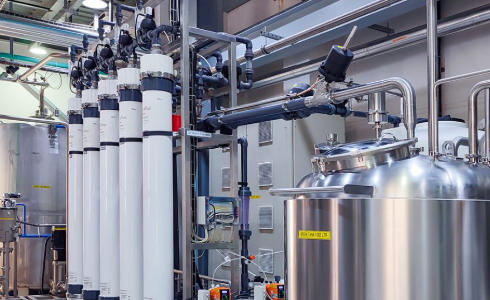
When selecting Pharmaceutical Water Trearment Equipment Manufacturers and Suppliers in Qatar, buyers should evaluate not only equipment specifications but also project experience, validation support, and service capability in the region. Checking references for similar pharma or biotech projects in hot climates, saline water environments, or high‑capacity operations helps reduce technical and operational risks.[11][9][14][2][7]
It is advisable to compare proposals on lifecycle cost, including energy use, consumables, maintenance, and expected component life, rather than focusing solely on initial purchase price. For many Qatari plants, partnering with an integrated supplier such as Everheal that can provide Pharmaceutical Water Trearment Equipment, filling lines, and sterilization systems, plus layout design, can streamline interfaces and reduce project complexity.[1][17]
Everheal’s purified water preparation systems, pure steam generators, and Multi Function Distillation Water Machines are designed to meet international pharmacopeia and GMP requirements, making them suitable for Qatar’s export‑oriented pharma projects. Combined with liquid filling‑sealing equipment and sterilization systems, these solutions position Everheal as more than just a Pharmaceutical Water Trearment Equipment Manufacturer, but as a comprehensive line and utility partner.By delivering customized plant layout planning and turnkey production line construction, Everheal helps Qatari investors accelerate project timelines and ensure coherent integration across water, WFI, pure steam, HVAC, and process equipment. This integrated approach is especially valuable for new sites and for companies upgrading from basic water treatment to fully validated Pharmaceutical Water Trearment Equipment in line with global regulatory expectations.[2]
Qatar’s rapid industrial and healthcare development has created a strong market for Pharmaceutical Water Trearment Equipment Manufacturers and Suppliers capable of delivering ultrapure water, WFI, and pure steam solutions aligned with global standards. By combining advanced technologies such as RO, EDI, ultrafiltration, UV, and distillation with robust documentation and lifecycle support, these providers underpin the reliability and compliance of Qatari pharmaceutical production.[5][12][1][2][6]
For buyers, the most successful projects in Qatar will come from working with partners who can integrate Pharmaceutical Water Trearment Equipment into broader utility and process architectures, ensuring efficient, scalable, and sustainable operations. Everheal, with its water systems, pure steam, distillation, filling, and sterilization capabilities plus turnkey layout design, is well positioned to support such end‑to‑end projects for Qatari pharma manufacturers.[10][1][7]
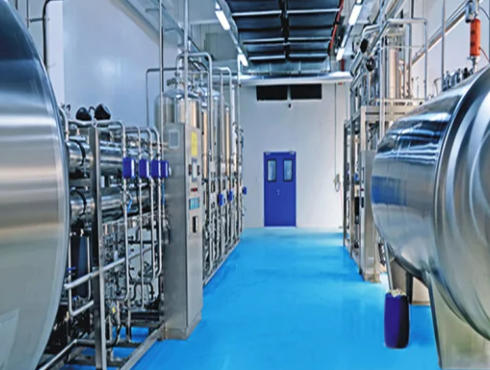
Most pharma projects in Qatar use multi‑stage systems combining pre‑filtration, RO desalination, and post‑treatment such as EDI, UV, and fine filtration to produce Purified Water or Highly Purified Water. For injectable products and critical applications, Pharmaceutical Water Trearment Equipment Manufacturers also supply distillation or membrane‑based WFI systems with validated storage and distribution loops.[1][2][13][5][6]
Manufacturers design systems to meet pharmacopeial requirements for Purified Water, HPW, and WFI, using hygienic components, sanitary layouts, and validated control strategies. They also provide complete documentation and qualification protocols so that Qatari plants can demonstrate compliance during inspections and audits.[3][2][4][5]
Key considerations include experience with pharma‑grade projects, the ability to integrate water treatment with other utilities, and availability of local or regional service support. Buyers should also assess lifecycle cost, energy efficiency, spare‑parts support, and the supplier’s track record as a Pharmaceutical Water Trearment Equipment Manufacturer for similar climates and feed water conditions.[9][14][11][7][1]
Yes, international companies such as Everheal can provide complete solutions, from purified water systems and pure steam generators to Multi Function Distillation Water Machines, filling lines, and sterilization equipment. By combining this hardware with factory layout planning and project engineering, Everheal can act as an integrated Pharmaceutical Water Trearment Equipment Manufacturer and project partner for Qatari clients.
Sustainability is increasingly important, pushing suppliers to offer systems with higher recovery rates, lower energy consumption, and options for water reuse where appropriate. As Qatar invests in advanced water reuse and efficient industrial infrastructure, Pharmaceutical Water Trearment Equipment Manufacturers are integrating smart monitoring, optimized RO stages, and reduced chemical consumption into their designs.[14][10][15][17][7][1]
[1](https://www.kenresearch.com/qatar-ultrapure-water-treatment-systems-market)
[2](https://www.alfalaval.com/industries/biotech-pharmaceuticals/pharmaceutical-production/pharmaceutical-water-systems/)
[3](https://www.burkert.co.uk/en/landingpage/experts-in-wfi-loop-systems-buerkert)
[4](https://www.pharmaceutical-technology.com/contractors/water-treatment/elettracqua/)
[5](https://www.veoliawatertechnologies.ie/water-injection)
[6](https://www.saiengineerings.com/water-treatment-equipment-manufacturers-in-qatar.php)
[7](https://pureaqua.com/reverse-osmosis-water-treatment-in-qatar/)
[8](https://www.qatarwatertreatment.com/index.html)
[9](https://www.jerseygroup.com/subsidiary/jersey-water-environment)
[10](https://www.greenwtsqatar.com)
[11](https://www.darwish-tdg.qa/wt)
[12](https://vicol.co.za/water-purification-system-challenges-in-the-pharmaceutical-industry/)
[13](https://www.syntegon.com/solutions/pharma/membrane-based-pure-media-systems/)
[14](https://www.cannonartes.com/news/cannon-artes-breaks-ground-supplying-a-massive-industrial-wastewater-treatment-and-water-reuse-plant-in-qatar/)
[15](https://invent-uv.com/blog/2022/12/20/hyperclassic-quatar-clean-water/)
[16](https://www.alfalaval.us/industries/biotech-and-pharmaceuticals/pharmaceutical-production/pharmaceutical-water-systems/)
[17](https://introspectivemarketresearch.com/reports/pharmaceutical-water-market/)
[18](https://www.perplexity.ai/search/cc049200-c42f-4aab-9877-9086752bc837)
[19](https://alantech.in/qatar)
[20](http://www.igtcqatar.com/solutions/water-treatment-equipments-systems/)
[21](https://www.greenwtsqatar.com/dm-plants/)


