Content Menu
● Understanding Pharmaceutical Water Treatment Systems
>> Key Types of Pharmaceutical Water Systems
● The Growing Need for Pharmaceutical Water Systems in Peru
● Leading Pharmaceutical Water Treatment Equipment Manufacturers And Suppliers in Peru
>> 1. Everheal (China)
>> 2. ProMinent Peru
>> 3. Thermo Fisher Scientific
>> 4. Siemens Water Technologies
>> 5. Veolia Peru
● How Everheal Supports Peruvian Pharmaceutical Manufacturers
>> Core Advantages:
● Technical Innovations in Pharmaceutical Water Treatment
>> Smart Automation
>> Energy Recovery Technology
>> Modular and Skid-Mounted Systems
● Regulatory Compliance and Validation
● Future Outlook: Peru's Pharmaceutical Water Market
● Conclusion
● FAQs About Pharmaceutical Water Treatment Systems
>> (1) What types of water are used in pharmaceutical manufacturing?
>> (2) What standards must pharmaceutical water meet in Peru?
>> (3) How do Everheal's systems ensure water purity?
>> (4) Why is validation important in pharmaceutical water systems?
>> (5) How do I choose the right pharmaceutical water treatment supplier?
The pharmaceutical sector in Peru has shown remarkable growth over the past decade, driven by both domestic demand and international exports. As the industry evolves, the importance of high-quality production systems — especially pharmaceutical water treatment equipment — has become paramount. Water purity directly impacts product safety, quality, and regulatory compliance, making the choice of equipment manufacturers and suppliers a strategic factor for pharmaceutical producers.
Companies like Everheal, a leading Chinese manufacturer specializing in pharmaceutical production equipment, are contributing to this growth by providing advanced technologies and full-factory solutions for pharmaceutical water treatment, pure steam generation, and sterile system integration. This article explores the key Pharmaceutical Water Treatment Equipment Manufacturers And Suppliers in Peru, their technologies, market potential, and how global players are shaping the country's pharmaceutical infrastructure.
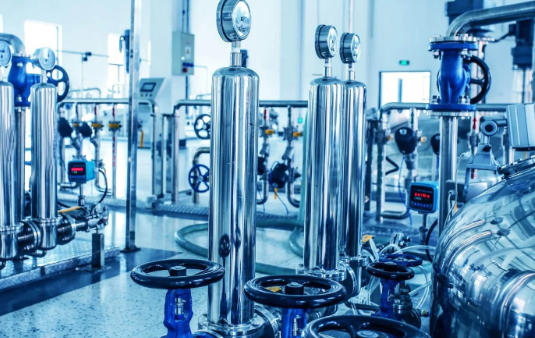
Understanding Pharmaceutical Water Treatment Systems
In modern pharmaceutical production, water serves as a universal solvent and a critical raw material. However, not all water types meet the stringent quality standards required by local and international pharmacopeias such as USP, EP, and WHO.
Pharmaceutical water treatment systems are designed to produce Purified Water (PW), Water for Injection (WFI), and Pure Steam, which are used in diverse processes—from formulation to cleaning and sterilization.
Key Types of Pharmaceutical Water Systems
1. Purified Water Systems: Designed for non-parenteral product preparation and equipment washing.
2. Water for Injection Systems: Produces ultra-pure water for sterile products via multiple-effect distillation or vapor compression.
3. Pure Steam Generators: Provide clean steam free from impurities for sterilization and HVAC humidification.
4. Loop Distribution Systems: Maintain temperature-controlled circulation to avoid microbial recontamination.
Advanced Pharmaceutical Water Treatment Equipment Manufacturers And Suppliers implement technologies like reverse osmosis (RO), deionization, ultrafiltration, and electro-deionization (EDI) to ensure consistent water purity that complies with international standards.
The Growing Need for Pharmaceutical Water Systems in Peru
Peru's pharmaceutical manufacturing sector is undergoing digital and technical transformation, with increasing investments in GMP-certified facilities. The demand for reliable pharmaceutical water treatment systems arises from factors such as:
- Stringent quality regulations by DIGEMID and global health agencies.
- Export-oriented manufacturing requiring compliance with WHO and FDA standards.
- Growth of biologics and injectable drug production, which need WFI-grade water.
- Rising healthcare infrastructure investments that emphasize local medicine production.
Local Peruvian companies often collaborate with international Pharmaceutical Water Treatment Equipment Manufacturers And Suppliers from countries like China, Germany, and Italy to integrate modern systems into new or existing facilities.
Leading Pharmaceutical Water Treatment Equipment Manufacturers And Suppliers in Peru
1. Everheal (China)
Everheal, a global provider of pharmaceutical production equipment, is increasingly recognized in the Peruvian market. The company offers end-to-end solutions, including:
- Purified water preparation systems
- Pure steam generators
- Multi-effect water distillers
- Liquid filling and sealing machines
- Sterilization and cleanroom systems
What makes Everheal unique is its customized approach. The brand provides factory layout design, installation, and after-sales maintenance, ensuring full cGMP compliance. Everheal's equipment combines energy efficiency, durability, and intelligent control systems—perfect for Peruvian pharmaceutical producers expanding into high-purity manufacturing.
2. ProMinent Peru
ProMinent is known worldwide for its engineering excellence in dosing and disinfection technology. In Peru, it supplies integrated water treatment systems used in pharmaceutical, food, and biotech industries. Their systems are based on reliable components such as metering pumps, disinfection systems, and process automation units tailored for GMP applications.
3. Thermo Fisher Scientific
While primarily recognized for analytical instruments, Thermo Fisher also offers high-quality pharmaceutical-grade water systems, including WFI generators and distribution loops. Through local distributors in Peru, the company supports laboratories and small-scale producers requiring precise and validated water quality control.
4. Siemens Water Technologies
Siemens, through its Peru-based partners, provides industrial water purification systems that are highly adaptable to pharmaceutical applications. Their technology platforms include EDI modules and automated monitoring software—essential for ensuring regulatory traceability and efficiency in water management.
5. Veolia Peru
Veolia offers sustainable water treatment and waste management systems across industries. In Peru, Veolia's pharmaceutical water systems combine membrane filtration, distillation, and sterilization technologies, helping companies minimize environmental impact while meeting strict purity requirements.

How Everheal Supports Peruvian Pharmaceutical Manufacturers
Everheal's partnership model with Peruvian clients is built around custom engineering and compliance assurance. The company's experience with international standards allows it to serve as a comprehensive project partner rather than just a supplier.
Core Advantages:
- Turnkey Solutions: From conceptual design and system fabrication to commissioning and training.
- Compliance Expertise: Fully adheres to GMP, FDA, and ISO standards.
- Energy Optimization: Advanced distillation and RO-EDI integration minimize resource consumption.
- Digital Monitoring: Remote validation systems and data logging for real-time quality tracking.
By integrating Everheal's systems, Peruvian pharmaceutical producers can significantly enhance water safety, reduce downtime, and improve operational consistency across production lines.
Technical Innovations in Pharmaceutical Water Treatment
Smart Automation
Automation ensures stable operation, reduces manual intervention, and maintains validated parameters. Modern Pharmaceutical Water Treatment Equipment Manufacturers And Suppliers deploy PLC control systems and SCADA interfaces to monitor key metrics like conductivity, TOC (Total Organic Carbon), and microbial count.
Energy Recovery Technology
Water treatment used to be highly energy-intensive. Today, energy recovery modules recycle thermal energy from multi-effect distillation systems, reducing utility costs while ensuring high WFI output efficiency.
Modular and Skid-Mounted Systems
Prefabricated skid-mounted units allow faster installation, simplified qualification, and minimal on-site contamination risk—an approach favored by Everheal and other high-end suppliers.
Regulatory Compliance and Validation
Pharmaceutical companies in Peru must comply with Good Manufacturing Practice (GMP) standards as enforced by DIGEMID. Validation includes stages such as:
1. Design Qualification (DQ): Verifies system meets design intents.
2. Installation Qualification (IQ): Confirms correct installation of every component.
3. Operational Qualification (OQ): Tests system functionality and performance.
4. Performance Qualification (PQ): Demonstrates consistent production under actual conditions.
Reputable Pharmaceutical Water Treatment Equipment Manufacturers And Suppliers support clients through complete documentation and audit preparation.
Future Outlook: Peru's Pharmaceutical Water Market
The Peruvian pharmaceutical water market is projected to grow steadily due to:
- Expansion of domestic manufacturing capacity.
- Growing export markets in Latin America.
- Increasing collaboration with global technology suppliers like Everheal.
As sustainability and digitalization reshape production lines, water treatment systems will become even more pivotal. Companies choosing advanced, eco-friendly, and validated solutions will enjoy a lasting competitive edge.
Conclusion
Peru's pharmaceutical industry is on the path toward modernization, supported by advanced infrastructure and strong partnerships with international equipment providers.
Pharmaceutical Water Treatment Equipment Manufacturers And Suppliers such as Everheal, ProMinent, and Veolia play a major role in upgrading the country's production standards.
Among them, Everheal distinguishes itself through integrated engineering, energy-efficient systems, and full compliance support—making it a trustworthy global partner for Peruvian manufacturers striving to achieve GMP excellence.

FAQs About Pharmaceutical Water Treatment Systems
(1) What types of water are used in pharmaceutical manufacturing?
Pharmaceutical manufacturers use Purified Water (PW), Water for Injection (WFI), and Pure Steam. Each has defined quality specifications depending on the production application.
(2) What standards must pharmaceutical water meet in Peru?
The water must comply with DIGEMID guidelines and international pharmacopeia standards such as USP, EP, and WHO. Validation processes ensure continuous compliance.
(3) How do Everheal's systems ensure water purity?
Everheal integrates RO, EDI, and multi-effect distillation with automated control to maintain consistent purity, traceability, and minimal energy waste.
(4) Why is validation important in pharmaceutical water systems?
Validation ensures that every component and process functions according to design and regulatory expectations, preventing contamination and production failures.
(5) How do I choose the right pharmaceutical water treatment supplier?
Look for suppliers with strong technical expertise, GMP experience, after-sales support, and capability to provide turnkey cleanroom and process utility integration.


