Content Menu
● Understanding Pharmaceutical Water Treatment Systems
● The Growing Pharmaceutical Equipment Market in Algeria
>> Increasing Local Demand and Production Capacity
>> Government Incentives and GMP Compliance
● Key Features of Reliable Pharmaceutical Water Treatment Equipment
● Top Pharmaceutical Water Treatment Equipment Suppliers in Algeria
>> 1. AquaPharma Engineering
>> 2. Hydronix Solutions Algeria
>> 3. Pharmatech Nord Afrique
>> 4. Aqua Clean Systems (Local Partner Network)
● Everheal: Advanced Partner for Global Pharmaceutical Projects
>> Comprehensive Equipment Portfolio
>> One-Stop Engineering Solutions
>> Innovation and Technology Leadership
● Benefits of Partnering With Trusted Manufacturers
● Choosing the Right Supplier in Algeria
● Future Trends in Algeria's Pharmaceutical Water Industry
>> Digital Monitoring and Automation
>> Sustainable and Energy-Efficient Designs
>> International Cooperation
● Conclusion
● FAQs About Pharmaceutical Water Treatment Equipment
>> 1. What is pharmaceutical water treatment equipment used for?
>> 2. What standards must pharmaceutical water meet?
>> 3. How do manufacturers ensure compliance with GMP requirements?
>> 4. What are the key components of a water treatment system?
>> 5. Why is Everheal a strong partner for Algerian pharmaceutical companies?
In recent years, Algeria's pharmaceutical sector has been growing rapidly, driven by strong local demand, government support for medicine localization, and an increasing number of international cooperation projects. As pharmaceutical production capacity expands, the need for reliable pharmaceutical water treatment equipment manufacturers has become more critical than ever.
This article explores the top manufacturers and suppliers of pharmaceutical water treatment equipment in Algeria, their technologies, and how advanced companies like Everheal from China are shaping the future of sterile production and clean water systems in the global pharmaceutical industry.
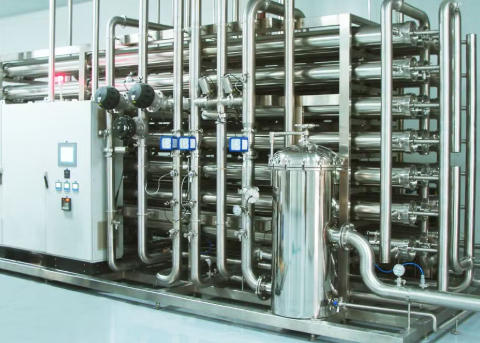
Understanding Pharmaceutical Water Treatment Systems
Pharmaceutical water treatment equipment is vital for producing purified water (PW), highly purified water (HPW), and water for injection (WFI). These systems ensure that all water used in drug formulation, cleaning, and sterilization processes meets international standards such as USP, EP, and GMP.
Pharmaceutical facilities require specialized equipment designed to meet high purity levels, including:
- RO (Reverse Osmosis) systems
- Electrodeionization (EDI) units
- Multi-effect water distillers
- Pure steam generators
- Sterile distribution loops and storage tanks
A qualified pharmaceutical water treatment equipment manufacturer not only provides machines but also assists in system validation, GMP documentation, and factory layout integration.
The Growing Pharmaceutical Equipment Market in Algeria
Increasing Local Demand and Production Capacity
Over the last decade, Algeria has pursued policies encouraging local production of medicines. More than 60% of the country's pharmaceutical needs are now produced domestically. This shift requires advanced infrastructure, including high-quality pharmaceutical water treatment systems.
Pharmaceutical companies seek partners who can design, supply, and install complete purified water systems that ensure compliance with hygiene regulations while maintaining long-term efficiency and cost control.
Government Incentives and GMP Compliance
The Algerian government has issued several regulations to push manufacturers toward Good Manufacturing Practice (GMP) standards. For water systems, this means precise control over conductivity, TOC (Total Organic Carbon), and microbial content.
Therefore, partnering with reputable pharmaceutical water treatment manufacturers ensures both operational reliability and full regulatory compliance.
Key Features of Reliable Pharmaceutical Water Treatment Equipment
Choosing the right supplier requires careful evaluation of technology, material quality, and service reliability. High-performing pharmaceutical water treatment equipment manufacturers typically provide:
1. Custom System Design: Tailored solutions for different water quality requirements and production capacities.
2. Automation and Monitoring: PLC control systems with real-time data logging.
3. Compliance Guarantee: Systems validated under international standards such as cGMP, WHO, and ISO 13485.
4. High-Grade Materials: Use of 316L stainless steel, sanitary piping, and electropolished internal surfaces.
5. Energy Efficiency: Optimized heating and recovery processes to reduce utility costs.
Top Pharmaceutical Water Treatment Equipment Suppliers in Algeria
Algeria hosts several local engineering firms and international representatives offering water treatment and purification systems for pharmaceutical production. Below are notable players in the field:
1. AquaPharma Engineering
AquaPharma Engineering specializes in turnkey projects for purified water systems, process water loops, and pure steam generators. Their local engineering support and after-sales service make them a preferred choice among Algerian pharmaceutical producers.
2. Hydronix Solutions Algeria
Hydronix Solutions provides a wide range of industrial and pharmaceutical water treatment equipment. Their core offerings include reverse osmosis skids, multi-effect distillation units, and automated EDI systems. The company collaborates with European partners to ensure compliance with global standards.
3. Pharmatech Nord Afrique
Pharmatech Nord Afrique focuses on installation and maintenance of water purification and sterilization systems. They serve pharmaceutical, biotech, and cosmetic industries with GMP-certified production units.
4. Aqua Clean Systems (Local Partner Network)
As a reseller and service provider, Aqua Clean Systems offers imported pharmaceutical water treatment equipment designed for small and medium-scale production facilities. They support clients with system validation and sanitary piping installation.

Everheal: Advanced Partner for Global Pharmaceutical Projects
As a professional pharmaceutical water treatment equipment manufacturer from China, Everheal delivers integrated purification and sterilization solutions for clients worldwide, including North Africa and Algeria.
Comprehensive Equipment Portfolio
Everheal's product range includes:
- Pure water preparation systems
- Multi-effect distilled water machines
- Pure steam generators
- Liquid filling and sealing machines
- Sterilization systems
Each piece of equipment is designed based on strict GMP and FDA standards, ensuring safety and quality throughout pharmaceutical manufacturing processes.
One-Stop Engineering Solutions
What makes Everheal stand out is its ability to provide customized factory layout design and production line planning. The company's engineering experts analyze clients' facility structures and propose optimal equipment configurations to achieve efficiency, space utilization, and compliance.
Innovation and Technology Leadership
Everheal invests heavily in automation, sensor integration, and digital monitoring to ensure consistent purity and productivity. Its pharmaceutical water treatment equipment features advanced PLC controls, online conductivity measurement, and data storage for audit traceability.
Benefits of Partnering With Trusted Manufacturers
Partnering with experienced pharmaceutical water treatment equipment manufacturers brings multiple operational benefits:
- Quality Assurance: Systems consistently produce high-purity water meeting all regulatory limits.
- Reduced Downtime: Robust design and reliable components minimize maintenance frequency.
- Regulatory Compliance: Simplifies validation and documentation for inspections.
- Efficiency and Cost Savings: Modern distillation technologies reduce energy and water consumption.
- After-Sales Support: Continuous technical training and spare parts availability keep systems running smoothly.
Choosing the Right Supplier in Algeria
When selecting a pharmaceutical water treatment equipment supplier in Algeria, consider these essential criteria:
1. Experience in Pharmaceutical Projects – Suppliers should demonstrate proven records in clean water generation and distribution systems.
2. Local Service Availability – On-site support and maintenance capability are key factors for long-term reliability.
3. Technology Source – Preference should go to equipment sourced from international manufacturers with GMP certification.
4. Engineering Integration – Choose companies that can assist in plant layout, piping, and automation integration.
5. Validation and Documentation – Proper documentation ensures audit readiness and regulatory confidence.
Future Trends in Algeria's Pharmaceutical Water Industry
Digital Monitoring and Automation
With the rise of Pharma 4.0, future systems will rely heavily on automation, digital control panels, and AI-based predictive maintenance. This shift will help Algerian manufacturers improve efficiency and traceability.
Sustainable and Energy-Efficient Designs
Eco-friendly systems using heat recovery and reduced wastewater discharge are becoming standard features. Manufacturers like Everheal lead in developing sustainable pharmaceutical water treatment equipment to meet global green manufacturing demands.
International Cooperation
China–Algeria partnerships in pharmaceutical engineering are expanding, providing Algerian enterprises access to advanced technologies and turnkey project solutions.
Conclusion
Algeria's pharmaceutical industry is on an upward trajectory, and water treatment systems form the foundation of every compliant production line. Reliable pharmaceutical water treatment equipment manufacturers and suppliers—both local and international—ensure consistent product quality, operational reliability, and GMP certification readiness.
Companies like Everheal play a vital role in this industry transformation, offering holistic solutions that combine technology, compliance, and customization. As Algeria continues to boost its pharmaceutical production, collaboration with reputable manufacturers will remain key to achieving excellence in quality and safety.

FAQs About Pharmaceutical Water Treatment Equipment
1. What is pharmaceutical water treatment equipment used for?
Pharmaceutical water treatment equipment is designed to purify raw water into various grades such as purified water (PW), water for injection (WFI), and pure steam. This water is used in drug formulation, equipment cleaning, and sterilization processes.
2. What standards must pharmaceutical water meet?
Pharmaceutical water must comply with standards such as USP, EP, and GMP, ensuring it has minimal microbial content, low TOC, and controlled conductivity.
3. How do manufacturers ensure compliance with GMP requirements?
Manufacturers design systems using sanitary materials, automated controls, and continuous monitoring to meet GMP and FDA audit requirements.
4. What are the key components of a water treatment system?
A typical system includes pre-treatment units, reverse osmosis membranes, EDI modules, storage tanks, and loop distribution with real-time monitoring sensors.
5. Why is Everheal a strong partner for Algerian pharmaceutical companies?
Everheal provides full engineering support—from system design and installation to validation—ensuring reliability, regulatory compliance, and efficient operation for Algerian pharmaceutical facilities.


