Content Menu
● The Importance of Pharmaceutical Water in Africa
● Ningbo Everheal Medical Equipment Co., LTD. – A Leading One‑Stop Partner
>> Core Pharmaceutical Water Trearment Product Portfolio
>> Engineering, Layout Design, and Turnkey Services
>> Why Everheal Fits African Pharmaceutical Projects
● Other Important Pharmaceutical Water Trearment Equipment Manufacturers and Specialists Serving Africa
>> Veolia Water Technologies South Africa
>> BWT Africa
>> Vicol and Other Regional Water Specialists
● How African Buyers Should Select Pharmaceutical Water Trearment Equipment Manufacturers
>> Technical and Regulatory Capabilities
>> Total Cost, Service, and Life‑Cycle Support
● Typical Pharmaceutical Water System Architecture for African Plants
● Trends and Opportunities for Pharmaceutical Water Trearment Equipment Manufacturers in Africa
● Conclusion
● FAQ – Pharmaceutical Water Trearment Equipment Manufacturers in Africa
>> (1) What types of pharmaceutical water systems do African plants usually need?
>> (2) Why choose Ningbo Everheal Medical Equipment Co., LTD. for African projects?
>> (3) How can African buyers evaluate different Pharmaceutical Water Trearment Equipment Manufacturers?
>> (4) What challenges do water systems face in African pharmaceutical plants?
>> (5) Can African projects combine local partners with international Pharmaceutical Water Trearment Equipment Manufacturers?
● Citations:
Pharmaceutical Water Trearment Equipment Manufacturers play a critical role in supporting Africa's fast‑growing pharmaceutical and biotech markets by supplying purified water, Water for Injection (WFI), and pure steam systems that meet stringent GMP and pharmacopoeial standards. For many African buyers, partnering with experienced global Pharmaceutical Water Trearment Equipment Manufacturers is the fastest way to build compliant plants, reduce project risk, and ensure reliable, high‑purity utilities over the full life cycle of a facility.[1][2][3]
As more African countries localize medicine production and vaccine fill‑finish operations, demand for high‑quality purified water, WFI, and sterilization utilities continues to rise. Pharmaceutical Water Trearment Equipment Manufacturers that understand both global quality requirements and local African realities can deliver systems that are robust, easy to maintain, and economically sustainable.[4][1]
The Importance of Pharmaceutical Water in Africa
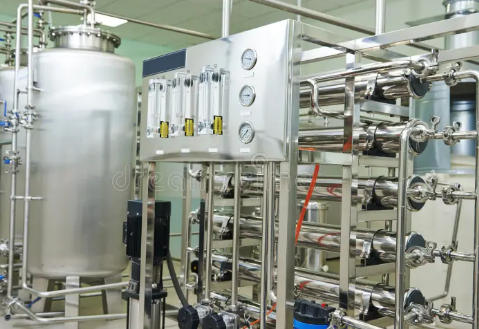
High‑purity water is the backbone of pharmaceutical production in Africa, used in formulation, equipment cleaning, utilities, and sterilization, and it must comply with standards such as USP, Ph. Eur., and local GMP regulations. Inadequate water systems can cause batch failures, microbial contamination, and regulatory non‑compliance, so African manufacturers increasingly turn to specialist Pharmaceutical Water Trearment Equipment Manufacturers for robust, validated solutions.[2][1][4]
Typical systems include purified water (PW) generation, WFI distillation, pure steam generation, storage, and loop distribution, often based on RO, EDI, ultrafiltration, and distillation technologies. In Africa, these utilities must also handle challenging feedwater quality, unstable power, and hot climates while still guaranteeing consistent quality and cost‑effective operation.[3][1][2]
Ningbo Everheal Medical Equipment Co., LTD. – A Leading One‑Stop Partner
Ningbo Everheal Medical Equipment Co., LTD. (Everheal) is a professional Chinese manufacturer and engineering company focusing on Pharmaceutical Water Trearment Equipment, purified water systems in pharmaceutical plants, and turnkey production line solutions for global buyers. Everheal serves pharmaceutical, biotech, medical device, and healthcare factories worldwide, combining equipment manufacturing with design, installation, validation, and factory layout planning services.[5][6][7][8]
Everheal is positioned as a one‑stop partner for African clients who require not only equipment, but complete project support from concept through qualification. This approach is especially attractive for investors and state‑owned projects that need clear timelines, predictable budgets, and strong technical guidance.
Core Pharmaceutical Water Trearment Product Portfolio
Everheal provides a complete portfolio of Pharmaceutical Water Trearment Equipment and related process systems tailored to the needs of African customers. Key offerings include:[7][5]
- Purified Water Systems in Pharmaceutical (RO‑EDI, RO‑UF, multi‑effect polishing) designed to meet USP/Ph. Eur. PW quality for oral, topical, and non‑sterile products.[6][5]
- Multi‑effect distillation water machines for WFI production, plus pure steam generators, ensuring pyrogen‑free utilities for injectable and high‑risk products.[8][5]
- Clean utility distribution loops with sanitary piping, storage tanks, heat exchangers, and online monitoring for TOC, conductivity, and microbial control.[5][7]
- Liquid filling and sealing machines, sterilization systems (SIP, autoclaves), and other production equipment integrated with the water and steam systems.[7][5]
By offering Pharmaceutical Water Trearment Equipment together with filling and sterilization machinery, Everheal simplifies integration across critical utilities and production lines. This reduces design interfaces for African projects and helps ensure that all systems work together under a unified control and documentation framework.[8][5][7]
Engineering, Layout Design, and Turnkey Services
Beyond being one of the notable Pharmaceutical Water Trearment Equipment Manufacturers, Everheal acts as a turnkey solution provider for plant utilities and production lines. The company supports African investors and local manufacturers with:[5][7][8]
- Conceptual design, factory layout planning, and cleanroom and utility zoning that match GMP requirements and local regulatory expectations.[7][5]
- Detailed engineering for purified water, WFI, pure steam, and CIP/SIP systems, including P&IDs, isometric drawings, and instrument lists to support procurement and installation.[8][5]
- Installation supervision, commissioning, IQ/OQ documentation, and performance qualification support to help clients pass regulatory inspections and customer audits.[5][8]
- Operator training, remote technical support, and life‑cycle maintenance to keep utilities stable in challenging African environments and to minimize unscheduled downtime.[7][5]
This turnkey capability allows Everheal to deliver Pharmaceutical Water Trearment Equipment as part of complete, ready‑to‑run facilities, which is especially valuable when local engineering resources are limited.
Why Everheal Fits African Pharmaceutical Projects
African buyers often need reliable Pharmaceutical Water Trearment Equipment Manufacturers that can balance quality, cost, and project speed, and Everheal's integrated model fits this requirement well. From a single supplier, African customers can obtain purified water, WFI, pure steam, filling, and sterilization systems plus layout design and validation documents, which simplifies project coordination and reduces risk.[8][5][7]
Everheal's experience in multiple emerging markets (Asia, CIS, and others) helps it adapt to similar infrastructure and regulatory challenges found in many African countries. Competitive pricing from China, combined with GMP‑oriented design and robust engineering, makes Everheal a strong first choice among Pharmaceutical Water Trearment Equipment Manufacturers for African projects that want to align with international standards while protecting CAPEX and OPEX.[5][8]
Other Important Pharmaceutical Water Trearment Equipment Manufacturers and Specialists Serving Africa
While Ningbo Everheal Medical Equipment Co., LTD. stands out as a comprehensive one‑stop partner, African buyers also cooperate with regional and global Pharmaceutical Water Trearment Equipment Manufacturers and water specialists. These companies provide complementary strengths such as local service teams, specialized process knowledge, or long‑established brands in water technology.[1][2][3]
Veolia Water Technologies South Africa
Veolia Water Technologies South Africa provides pharmaceutical water treatment solutions as part of a broad portfolio of industrial and municipal water systems. For pharma and biotech clients, Veolia designs purified water and high‑purity process water systems using technologies such as multimedia filtration, reverse osmosis, and continuous deionisation.[1]
The company's presence in South Africa and other African markets enables it to offer local service, on‑site support, and upgrades for existing installations, which is valuable for plants that want regional partners working alongside global Pharmaceutical Water Trearment Equipment Manufacturers.[1]
BWT Africa
BWT Africa is part of a global group specializing in purified water, WFI, and pure steam generation systems serving pharma and biotech clients. BWT's portfolio includes systems such as OSMOTRON for purified water and SEPTRON electrodeionisation modules for high‑purity media, together with specialized sanitization and monitoring concepts.[2]
For African pharmaceutical manufacturers, BWT Africa offers high‑end solutions and long‑term service, making it an attractive partner for technically demanding projects and expansions in sterile and high‑risk product segments.[2]
Vicol and Other Regional Water Specialists
Vicol is a South African company providing pure water solutions for pharma and beverage industries, with custom‑designed water purification systems tailored to pharmaceutical applications. The company typically covers turnkey design and supply of pure water plants from pretreatment to distribution, often working closely with production and QA teams to ensure compliance.[9]
Other water specialists, such as AR Africa Water Treatment and similar firms, supply membranes, pressure vessels, and specialty chemicals that can be used within pharmaceutical water projects, supporting the work of Pharmaceutical Water Trearment Equipment Manufacturers and integrators. By combining component suppliers with system OEMs like Ningbo Everheal Medical Equipment Co., LTD., African buyers can build robust, flexible solutions.[10]
How African Buyers Should Select Pharmaceutical Water Trearment Equipment Manufacturers
African pharmaceutical investors need clear criteria when choosing Pharmaceutical Water Trearment Equipment Manufacturers and system integrators for new plants or upgrades. A structured selection process helps ensure that the chosen partner delivers compliant, robust, and maintainable systems over many years.[4][2][1]
Technical and Regulatory Capabilities
The first filter is technical strength and compliance know‑how. Pharmaceutical Water Trearment Equipment Manufacturers must design systems that consistently meet pharmacopoeial and GMP requirements over the entire operating life of the plant. Key points include:[4][2][1]
- Experience designing PW and WFI systems for USP, Ph. Eur., and other standards relevant to African regulators.[2][1]
- Proven track record with RO‑EDI, distillation, pure steam generation, and hygienic storage/distribution suitable for hot climates and variable feedwater quality.[3][1][2]
- Ability to provide IQ/OQ protocols, validation support, and documentation for audits and inspections, ideally with experience of WHO prequalification or international customer audits.[4][1][8]
Ningbo Everheal Medical Equipment Co., LTD. and other experienced Pharmaceutical Water Trearment Equipment Manufacturers can support users in preparing URS documents, reviewing design, and planning validation, which greatly reduces the learning curve for new entrants.
Total Cost, Service, and Life‑Cycle Support
African plants must evaluate not just initial quotations but also long‑term ownership costs and available service from Pharmaceutical Water Trearment Equipment Manufacturers and partners. Critical considerations are:[9][1][2]
- Spare parts availability, local service partners, and remote support for quick troubleshooting and optimization.[9][1][2]
- Energy and water efficiency of PW, WFI, and pure steam systems, which strongly affects operating expenses in regions with high utility costs.[3][2]
- Training programs for operators and maintenance teams to ensure correct daily operation, sanitization, and monitoring so that Pharmaceutical Water Trearment Equipment stays in control.[1][2]
Ningbo Everheal Medical Equipment Co., LTD. and other experienced Pharmaceutical Water Trearment Equipment Manufacturers often combine remote technical assistance with on‑site commissioning and training, which is particularly valuable for African clients new to GMP utilities. Over the life of the plant, this support has a major impact on uptime and product quality.[7][8][5]
Typical Pharmaceutical Water System Architecture for African Plants
A standard high‑purity water installation for an African pharmaceutical plant usually includes pretreatment, PW generation, storage and distribution, and, where injectables are involved, WFI and pure steam systems. Pharmaceutical Water Trearment Equipment Manufacturers configure these building blocks to match raw water quality, target products, and local utilities.[11][2][1]
Pretreatment commonly uses multimedia filtration, activated carbon, softening, and cartridge filtration to protect RO membranes and downstream components. PW generation is often based on one‑ or two‑pass RO with EDI or mixed‑bed polishing plus final filtration or UV/ozone for microbial control, delivering water that meets pharmacopoeial conductivity and TOC limits.[11][2][1]
Where WFI and pure steam are required, multi‑effect distillation and pure steam generators are integrated with sanitary tanks and hot recirculating loops to maintain quality and prevent microbial growth. Pharmaceutical Water Trearment Equipment Manufacturers such as Ningbo Everheal Medical Equipment Co., LTD. offer these core elements together with filling machines and sterilization systems so that African buyers can build integrated, GMP‑compliant lines from a single source.[6][11][2][8][5][7]
In addition, modern systems increasingly incorporate automation platforms, SCADA monitoring, data integrity features, and alarm management to help operators keep utilities under tight control and to satisfy data requirements during inspections. This digital layer is becoming a differentiator among Pharmaceutical Water Trearment Equipment Manufacturers serving more advanced plants.[2][4][1]
Trends and Opportunities for Pharmaceutical Water Trearment Equipment Manufacturers in Africa
Africa's pharmaceutical sector is entering a phase of rapid capacity expansion driven by public health programs, regional manufacturing initiatives, and private investment. This creates strong opportunities for Pharmaceutical Water Trearment Equipment Manufacturers that can combine high technical standards with flexible, cost‑effective solutions.[4][1]
There is growing demand for modular and containerized systems that can be shipped, quickly installed, and scaled up over time, which plays to the strengths of international OEMs such as Ningbo Everheal Medical Equipment Co., LTD. and other global specialists. At the same time, collaboration with local engineering firms and service providers is essential to ensure fast response times and alignment with national infrastructure programs.[3][9][1][5][7]
As more African plants aim for export markets and international certifications, expectations for validation, documentation, and life‑cycle support will continue to rise. Pharmaceutical Water Trearment Equipment Manufacturers that invest early in African relationships, training, and knowledge transfer will be well positioned to become long‑term partners for the continent's healthcare industry.[8][4]
Conclusion
African pharmaceutical and biotech manufacturers urgently need reliable Pharmaceutical Water Trearment Equipment Manufacturers to supply purified water, WFI, and pure steam systems that meet strict global standards while operating efficiently in local conditions. Ningbo Everheal Medical Equipment Co., LTD. stands out as a first‑choice partner by combining Pharmaceutical Water Trearment Equipment, filling and sterilization machinery, and complete plant layout and validation services, giving African buyers a powerful one‑stop solution.[6][3][1][2][5][7][8]
By partnering with strong OEMs like Everheal and complementary regional specialists, African investors can build modern, GMP‑compliant plants that support safe, competitive pharmaceutical production for local and export markets. With the right Pharmaceutical Water Trearment Equipment Manufacturers, Africa's pharmaceutical industry can achieve higher self‑sufficiency, improved medicine quality, and stronger resilience in the face of future health challenges.[9][1][2]
FAQ – Pharmaceutical Water Trearment Equipment Manufacturers in Africa
(1) What types of pharmaceutical water systems do African plants usually need?
African facilities typically require purified water (PW) systems for oral, topical, and non‑injectable products, and, for injectables, WFI and pure steam generation systems designed and validated by specialist Pharmaceutical Water Trearment Equipment Manufacturers. These systems include pretreatment, PW generation (RO‑EDI or similar), storage and distribution loops, and often multi‑effect distillation and pure steam generators integrated into the overall utility concept.[11][1][2]
(2) Why choose Ningbo Everheal Medical Equipment Co., LTD. for African projects?
Ningbo Everheal Medical Equipment Co., LTD. is one of the leading Pharmaceutical Water Trearment Equipment Manufacturers, offering purified water, WFI, pure steam, distilled water machines, and complete utility systems together with filling, sealing, and sterilization equipment. For African buyers, Everheal's ability to provide factory layout design, engineering, commissioning, and validation support from a single source helps reduce project risk and accelerates GMP‑compliant start‑up.[6][5][7][8]
(3) How can African buyers evaluate different Pharmaceutical Water Trearment Equipment Manufacturers?
Buyers should assess technical references, compliance knowledge (USP, Ph. Eur., GMP), and successful installations in similar climates and infrastructure conditions when comparing Pharmaceutical Water Trearment Equipment Manufacturers. It is essential to review detailed design proposals, validation packages, after‑sales service arrangements, and total life‑cycle costs instead of focusing only on the initial equipment price.[9][1][2][4]
(4) What challenges do water systems face in African pharmaceutical plants?
Water systems in Africa must often cope with variable raw water quality, unstable power supply, and high ambient temperatures while still producing consistent PW and WFI that meet pharmacopoeial limits. Pharmaceutical Water Trearment Equipment Manufacturers respond with robust pretreatment, energy‑efficient RO‑EDI designs, hot recirculation loops, and strong monitoring and sanitization strategies to keep systems under control and protect product quality.[3][1][2]
(5) Can African projects combine local partners with international Pharmaceutical Water Trearment Equipment Manufacturers?
Yes, many successful projects use a hybrid approach where international Pharmaceutical Water Trearment Equipment Manufacturers such as Ningbo Everheal Medical Equipment Co., LTD. supply core PW/WFI/pure steam systems, while local African partners handle civil works, basic utilities, and routine maintenance. This combination leverages proven high‑purity technologies from global experts with the responsiveness and cost advantages of local service providers.[1][2][5][9]
Citations:
[1](https://www.veolia.co.za/our-solutions/pharmaceutical-water-treatment-solutions)
[2](https://bwtafrica.com/pharma-and-biotech-water-treatment/)
[3](https://pureaqua.com/reverse-osmosis-water-treatment-in-africa/)
[4](https://www.pharmaceutical-technology.com/buyers-guide/water-purification-wastewater/)
[5](https://www.everhealgroup.com/pharmaceutical-water-trearment-equipment.html)
[6](https://www.everhealgroup.com/products/Purified-Water-System-In-Pharmaceutical.html)
[7](https://www.everhealgroup.com)
[8](https://www.everhealgroup.com/news/Pharma-Water-Purification-Systems-China.html)
[9](https://vicol.co.za)
[10](https://www.arafrica.co.za)
[11](https://www.biocell-pharma.com/pharmaceutical-purified-water-systems-in-health-care/)


