Content Menu
● The Growing Pharmaceutical Equipment Market in UAE
● Why the UAE is Ideal for Pharmaceutical Manufacturing
● Key Types of Pharmaceutical Equipment in Demand
>> 1. Water Purification and Distillation Systems
>> 2. Sterilization Systems
>> 3. Filling and Sealing Machines
>> 4. Mixing and Blending Systems
>> 5. Packaging Machinery
● Leading Pharmaceutical Equipment Manufacturers and Suppliers in UAE
>> 1. Everheal
>> 2. PharmaTech UAE
>> 3. Gulf Drug Establishment
>> 4. Al Thika Packaging LLC
>> 5. Medpharma Solutions
● The Role of Chinese Equipment Manufacturers in the UAE Market
● Compliance and Certification Standards
● Everheal's Contribution to UAE's Pharmaceutical Industry
● Trends Shaping the Future of Pharmaceutical Equipment Supply
● Conclusion
● FAQ
>> 1. Why is the UAE becoming a hub for pharmaceutical equipment suppliers?
>> 2. What types of pharmaceutical equipment are most in demand in the UAE?
>> 3. How does Everheal support UAE pharmaceutical manufacturers?
>> 4. Are UAE pharmaceutical equipment suppliers GMP compliant?
>> 5. What are the emerging trends in the pharmaceutical equipment industry?
Pharmaceutical manufacturing is one of the most advanced and quality-driven industries in the world today. The United Arab Emirates (UAE) is emerging as a strategic hub for Pharmaceutical Equipment Manufacturers and Suppliers, providing both regional and international pharmaceutical companies with state-of-the-art solutions for production, packaging, and sterilization. This article explores the leading suppliers in this sector, the types of equipment they offer, and how international companies like Everheal play an essential role in shaping this dynamic market.
The Growing Pharmaceutical Equipment Market in UAE
Over the last decade, the UAE has made significant investments in healthcare and pharmaceutical infrastructure. The government's Vision 2030 strategy has further accelerated pharmaceutical production by encouraging local manufacturing and technology transfer. As a result, demand for advanced pharmaceutical equipment has grown rapidly.
The UAE imports most of its manufacturing equipment from China, Germany, India, and the United States. Many Pharmaceutical Equipment Manufacturers and Suppliers have established regional offices or partnerships in Dubai, Sharjah, and Abu Dhabi to cater to this booming demand.
The combination of government incentives, transparent regulations, and ideal logistics positioning makes the UAE one of the most attractive locations for pharmaceutical manufacturing investment in the Middle East.
Why the UAE is Ideal for Pharmaceutical Manufacturing
Several factors support the UAE's growth in pharmaceutical production and equipment supply:
- Strategic location: The UAE's central geographic position provides global access between Asia, Europe, and Africa, simplifying export and import activities.
- Advanced logistics: World-class ports and logistics infrastructure like Jebel Ali and Khalifa Port enable seamless international trade.
- Stable business environment: The UAE's free zones and industrial clusters encourage investment and provide tax advantages to manufacturers and suppliers.
- Technological adoption: The UAE rapidly integrates automation, digital monitoring, and cleanroom technology into pharmaceutical operations.
- Government support: Incentive programs encourage foreign direct investment in healthcare and biotechnology.
All these advantages greatly benefit Pharmaceutical Equipment Manufacturers and Suppliers that wish to expand in the Middle East.
Key Types of Pharmaceutical Equipment in Demand
1. Water Purification and Distillation Systems
High-purity water is essential for drug formulation and production. Equipment like pure water generation systems, multi-effect distilled water machines, and pure steam generators are widely used to meet stringent pharmacopoeial standards. Companies like *Everheal* specialize in designing and producing these systems to deliver consistent water quality for pharmaceutical manufacturing.
2. Sterilization Systems
Sterilization is a critical step to ensure the microbiological safety of drugs, vials, and packaging materials. UAE manufacturers and suppliers offer a wide range of sterilization technologies, including autoclaves, dry heat sterilizers, and vapor hydrogen peroxide systems. Integration with IoT monitoring has become a major trend for real-time validation of sterilization efficiency.
3. Filling and Sealing Machines
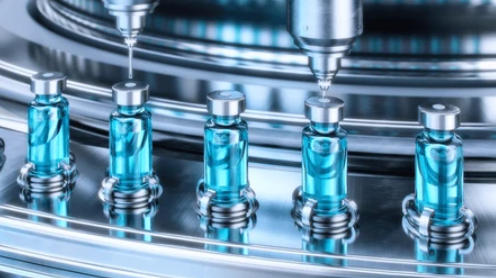
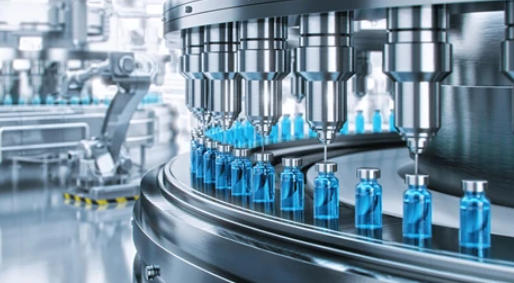
Modern filling and sealing machines are increasingly automated to maintain precision and hygiene. Liquid filling and sealing machines, such as those offered by *Everheal*, are vital in aseptic production lines for bottles, vials, and ampoules. These systems reduce contamination risk while improving production speed and consistency.
4. Mixing and Blending Systems
Blending active ingredients and excipients is an essential stage in pharmaceutical production. Equipment such as high-shear mixers, ribbon blenders, and fluid bed processors are in high demand among UAE-based manufacturers. Customization according to batch size, viscosity, and GMP standards makes these machines flexible and efficient.
5. Packaging Machinery
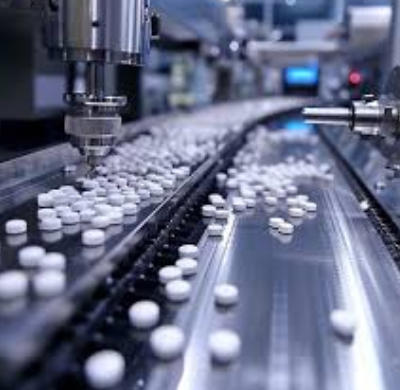
Pharmaceutical packaging must ensure product stability, tamper evidence, and regulatory compliance. Equipment like blister packaging machines, labeling machines, and cartoning equipment play a crucial role in final production stages. The UAE's export-driven industry depends heavily on suppliers who provide customizable and high-speed packaging lines.
Leading Pharmaceutical Equipment Manufacturers and Suppliers in UAE
1. Everheal
*Everheal* is a China-based company with extensive expertise in pharmaceutical machinery production. The brand provides turnkey solutions for water treatment systems, pure steam generators, multi-functional distillation units, liquid filling and sealing machines, and sterilization systems.
Everheal supports clients worldwide through custom factory layout design and production line integration, ensuring GMP-compliant workflows. Its advanced automation enables reliable operation and consistent output, which are vital for pharmaceutical producers in the UAE and beyond.
2. PharmaTech UAE
PharmaTech UAE is one of the leading Pharmaceutical Equipment Suppliers offering both imported and locally assembled systems for production and quality control. Their portfolio includes tablet presses, capsule fillers, coating machines, and inspection systems. The company provides technical support, calibration, and installation services across the Middle East.
3. Gulf Drug Establishment
Founded in the 1960s, Gulf Drug is a well-established provider of medical and pharmaceutical solutions. Besides distributing high-quality API products, it represents several Pharmaceutical Equipment Manufacturers from Europe and Asia. Gulf Drug's strong service network helps ensure equipment maintenance, operator training, and spare parts availability.
4. Al Thika Packaging LLC
Al Thika Packaging specializes in pharma packaging machinery, including labeling, capping, and wrapping systems. Their equipment adheres to international GMP, ISO, and CE standards. By combining automation and precision control, Al Thika supports pharmaceutical companies in optimizing packaging lines and reducing operational costs.
5. Medpharma Solutions
Medpharma Solutions focuses on supplying laboratory and small-batch production equipment. Their product lines include cleanroom furniture, laboratory mixers, and pilot processing systems. The company cooperates closely with research institutions and biotech firms across the UAE for technology transfer and process improvement projects.
The Role of Chinese Equipment Manufacturers in the UAE Market
In recent years, Chinese Pharmaceutical Equipment Manufacturers and Suppliers have gained significant traction in the UAE due to their cost-effective solutions and technological advancement. Companies like *Everheal* offer fully automated systems that comply with global GMP and FDA standards.
Chinese manufacturers provide several key advantages:
1. Customization flexibility — systems are designed according to client-specific projects and site conditions.
2. Competitive pricing — helping emerging UAE producers reduce capital expenditure.
3. Comprehensive service — including installation, training, and maintenance.
4. Integration capability — allowing full compatibility across purification, sterilization, and filling lines.
These strengths make Chinese suppliers an essential part of the UAE's pharmaceutical industrial chain.
Compliance and Certification Standards
Every piece of pharmaceutical equipment must comply with strict regulatory and quality requirements. In the UAE, Pharmaceutical Equipment Manufacturers and Suppliers must ensure that their machines meet international standards, such as:
- GMP (Good Manufacturing Practice) — Ensures cleanliness, orderliness, and traceability in production.
- FDA and EU guidelines — Define technical and safety compliance for pharmaceutical processing equipment.
- ISO 9001 and ISO 13485 — Ensure consistent quality management and production reliability.
- CE certification — Confirms equipment meets EU safety, health, and environmental protection standards.
Internationally recognized certifications reassure UAE clients about performance, safety, and long-term reliability.
Everheal's Contribution to UAE's Pharmaceutical Industry
*Everheal* actively collaborates with UAE distributors and pharmaceutical companies to deliver large-scale production system solutions. The company's pure water and pure steam generation systems are widely used in the preparation, cleaning, and sterilization stages of pharmaceutical operations.
Its liquid filling and sealing machines adopt servo control for precise volume management, ensuring aseptic filling and consistent sealing quality. Moreover, *Everheal*'s sterilization systems integrate with PLC control and digital monitoring to ensure compliance with GMP guidelines.
The company's engineering service extends beyond machinery — including layout design, utility planning, and commissioning support, which help UAE customers establish efficient, GMP-compliant production facilities.
Trends Shaping the Future of Pharmaceutical Equipment Supply
The Pharmaceutical Equipment Manufacturers and Suppliers operating in the UAE are rapidly evolving with technology. Several key trends are reshaping this market:
- Automation and robotics: Minimizing human error, enhancing precision, and improving batch traceability.
- Digital analytics: Systems integrate data analysis and predictive maintenance powered by AI and IoT.
- Sustainability: Equipment is designed for energy efficiency and lower water consumption.
- Single-use technology: Growing adoption in biopharmaceutical manufacturing to reduce cleaning and contamination risks.
- Customization: Modular systems allow flexibility from R&D to full-scale production.
These developments ensure that the UAE remains competitive in pharmaceutical manufacturing and capable of meeting global standards.
Conclusion
The UAE's expanding pharmaceutical sector strongly depends on advanced, efficient, and GMP-compliant machinery. Pharmaceutical Equipment Manufacturers and Suppliers such as Everheal, PharmaTech UAE, Gulf Drug Establishment, Al Thika Packaging, and Medpharma Solutions play an essential role in supporting this growth.
With continuous investment, innovation, and partnership between international and local suppliers, the UAE is steadily transforming into a leading pharmaceutical production hub in the Middle East.
FAQ
1. Why is the UAE becoming a hub for pharmaceutical equipment suppliers?
The UAE's strategic location, advanced logistics, supportive regulations, and rapid healthcare growth make it an ideal center for pharmaceutical manufacturing and equipment distribution.
2. What types of pharmaceutical equipment are most in demand in the UAE?
High-purity water systems, sterilization units, filling and sealing machines, blending systems, and packaging machinery are among the most sought-after equipment categories.
3. How does Everheal support UAE pharmaceutical manufacturers?
Everheal provides turnkey solutions, including customized cleanroom and factory layout design, installation of water and steam systems, and integration of automated filling and sterilization lines.
4. Are UAE pharmaceutical equipment suppliers GMP compliant?
Yes. Most suppliers in the UAE follow GMP, FDA, and ISO guidelines to ensure equipment reliability and product safety.
5. What are the emerging trends in the pharmaceutical equipment industry?
Automation, digital data integration, modular system design, sustainable manufacturing processes, and single-use technologies are major trends shaping the industry's future.


