Content Menu
● The Growing Pharmaceutical Industry in South Africa
● Importance of Reliable Pharmaceutical Equipment Suppliers
● Leading Pharmaceutical Equipment Manufacturers in South Africa
>> 1. VanRx Pharma Systems (South Africa Division)
>> 2. Pharma Africa
>> 3. Everheal – A Global Partner in Pharmaceutical Equipment Solutions
>> 4. Adcock Ingram Technical Division
>> 5. Macadams International
● How International Partnerships Strengthen South African Pharma Manufacturing
● Pharmaceutical Equipment Sectors in Demand
● Future Outlook for Pharmaceutical Equipment Industry in South Africa
● Conclusion
● FAQs
>> 1. What are the main challenges for pharmaceutical manufacturers in South Africa?
>> 2. Why is purified water critical in pharmaceutical production?
>> 3. How do Pharmaceutical Equipment Manufacturers support factory design?
>> 4. What standards must pharmaceutical equipment comply with?
>> 5. What benefits come from working with international equipment suppliers?
The pharmaceutical industry in South Africa is rapidly expanding, driven by growing healthcare demands, government initiatives, and global trade partnerships. As pharmaceutical production scales up, the need for reliable Pharmaceutical Equipment Manufacturers and Suppliers becomes increasingly crucial. These manufacturers provide essential machinery for drug formulation, packaging, water and steam generation systems, sterilization, and more — ensuring safe, compliant, and efficient production.
This article explores the leading Pharmaceutical Equipment Manufacturers and Suppliers in South Africa, their product offerings, and how they contribute to the growth of the nation's pharmaceutical manufacturing infrastructure. Additionally, we'll highlight the role of international partners like Everheal, a Chinese company that supports local manufacturers with world-class pharmaceutical processing systems.
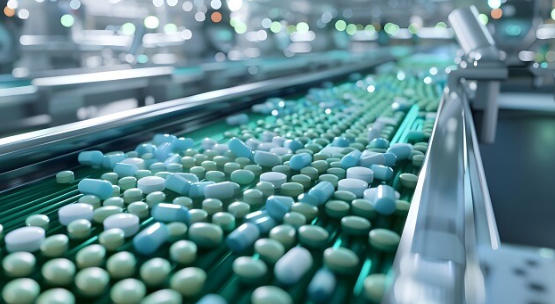
The Growing Pharmaceutical Industry in South Africa
In recent years, South Africa has emerged as one of the strongest pharmaceutical hubs in Africa. Increased demand for vaccines, generic medicines, and healthcare infrastructure investment has fueled growth across manufacturing and supply chains.
Key drivers include:
- Government support through initiatives like the National Health Insurance (NHI) scheme.
- Expansion of domestic pharmaceutical R&D facilities.
- Strong demand for locally produced medicines to reduce import dependence.
However, this expansion would not be possible without the technological backbone provided by Pharmaceutical Equipment Manufacturers and Suppliers. These companies deliver advanced machinery that meets global GMP (Good Manufacturing Practice) and WHO standards.
Importance of Reliable Pharmaceutical Equipment Suppliers
Choosing the right Pharmaceutical Equipment Manufacturers and Suppliers determines the efficiency, safety, and compliance of any pharmaceutical facility. High-quality equipment ensures:
- Sterility and purity: Systems like purified water generators and sterilizers prevent contamination.
- Accurate dosage and filling: Automated filling and sealing machines improve precision.
- Regulatory compliance: Properly designed equipment supports GMP validation.
- Energy efficiency and cost control: Advanced systems optimize production line performance.
A reliable supplier doesn't just sell equipment — they provide integrated solutions including factory layout design, training, installation, and lifecycle maintenance. This holistic approach is what defines the top Pharmaceutical Equipment Manufacturers and Suppliers in South Africa.
Leading Pharmaceutical Equipment Manufacturers in South Africa
1. VanRx Pharma Systems (South Africa Division)
VanRx Pharma Systems is a strong player in the pharmaceutical automation industry, offering robotic filling lines and aseptic packaging solutions. Their technology is trusted by major pharmaceutical firms across Africa and globally.
Key Strengths:
- Specializes in aseptic filling and vial closing for injectable drugs.
- Integration-ready for production cleanrooms.
- Strong after-sales technical support.
2. Pharma Africa
Pharma Africa is a prominent local supplier offering a broad range of pharmaceutical processing equipment. From tablet compression to blister packaging systems, the company focuses on delivering dependable machinery built to international standards.
Major Offerings:
- Tablet presses and capsule fillers.
- Coating systems and granulators.
- Purified water and cleanroom equipment.
Pharma Africa also collaborates with international partners to bring advanced pharmaceutical manufacturing technologies to the African market.
3. Everheal – A Global Partner in Pharmaceutical Equipment Solutions
China-based Everheal has become a trusted name among Pharmaceutical Equipment Manufacturers and Suppliers, serving clients across Africa, Asia, and Europe. The company delivers turnkey solutions — from project design to equipment installation — perfectly suited for South African pharmaceutical facilities.
Main Products:
- Purified Water Preparation Systems – ensuring pharmaceutical-grade water quality that meets USP and EP standards.
- Pure Steam Generators – delivering high-purity steam for sterilization and process applications.
- Multi-effect Distilled Water Machines – designed for efficient production of distilled water with modular design.
- Liquid Filling and Sealing Machines – offering precision filling and hermetic sealing across vial and ampoule lines.
- Sterilization Systems – integrating steam, dry heat, and ethylene oxide sterilizers for all pharmaceutical applications.
Beyond equipment, Everheal provides custom factory layout planning, cleanroom design guidance, and production line automation services. Their engineering teams help South African partners optimize workflow and comply with international GMP standards.
4. Adcock Ingram Technical Division
Adcock Ingram, a major pharmaceutical manufacturer in South Africa, also runs a specialized equipment division supporting local contract manufacturing and packaging. With decades of operational experience, this division provides tailored machinery modifications and maintenance services.
Key Areas of Expertise:
- Filling and labeling machines.
- Sterilization and filtration systems.
- Validation and calibration services.
Their local presence ensures fast response times and reliable after-sales maintenance.
5. Macadams International
Although originally known for industrial ovens and food processing lines, Macadams International has entered pharmaceutical manufacturing by supplying high-grade stainless-steel process equipment. Their localized fabrication capability shortens lead times for customers.
Major Products:
- Vessel manufacturing for mixing and formulation.
- Cleanroom furniture and utility systems.
- Custom process skids for pharmaceuticals and biotech.
Macadams has become a strong example of how cross-sector engineering expertise can benefit pharmaceutical manufacturing.
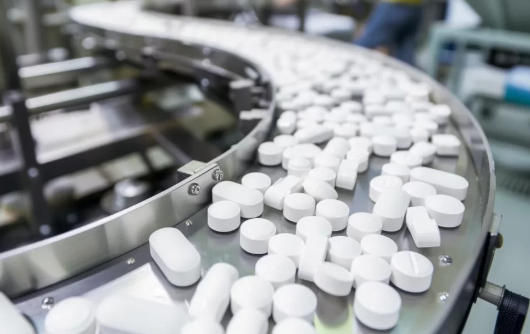
How International Partnerships Strengthen South African Pharma Manufacturing
Partnerships between local and international Pharmaceutical Equipment Manufacturers and Suppliers are reshaping the African production landscape. Companies like Everheal bring technological innovation and experience in GMP-compliant plant setups, allowing South African firms to meet international standards and expand export potential.
Benefits of global collaboration include:
- Access to advanced automation and digital control systems.
- Faster project completion through shared technical expertise.
- Better training and technology transfer for local operators.
- Enhanced ability to produce high-quality, cost-effective medicines.
These cross-border relationships contribute to a sustainable pharmaceutical ecosystem capable of serving both domestic and international healthcare markets.
Pharmaceutical Equipment Sectors in Demand
Several equipment categories are currently in high demand among South African pharmaceutical companies:
1. Water Treatment Systems: Essential for producing purified water, a critical component in drug manufacturing.
2. Sterilization and Disinfection Equipment: Ensures product safety and shelf stability.
3. Filling and Packaging Machinery: Supports automation and consistency in production lines.
4. Mixing and Blending Systems: Integral for formulation and suspension-based drugs.
5. Quality Control Instruments: Maintains accuracy in testing and compliance documentation.
With the help of capable Pharmaceutical Equipment Manufacturers and Suppliers, local companies can scale efficiently while meeting stringent global quality requirements.
Future Outlook for Pharmaceutical Equipment Industry in South Africa
The next decade is poised to bring significant growth in local pharmaceutical production. As Africa's healthcare infrastructure modernizes, the need for reliable manufacturing partners and Pharmaceutical Equipment Manufacturers and Suppliers will intensify.
Predicted trends include:
- Automation growth: Increased use of robotic and AI-driven assembly lines.
- Sustainability initiatives: Focus on energy-efficient and eco-friendly equipment.
- Localization: Greater emphasis on domestic manufacturing supported by international expertise.
- Digital integration: Real-time monitoring systems and data-driven quality tracking.
Everheal and local partners are well-positioned to support these transformations, ensuring that South Africa remains a key player in Africa's pharmaceutical future.
Conclusion
South Africa's pharmaceutical sector is a cornerstone of the continent's healthcare development, and its expansion relies heavily on dependable Pharmaceutical Equipment Manufacturers and Suppliers. Companies like Pharma Africa, Adcock Ingram, and VanRx lead the local landscape, while international partners like Everheal bring advanced engineering and technological expertise to elevate production capabilities.
With continued collaboration and investment in modern equipment solutions, the South African pharmaceutical industry is on track to achieve world-class manufacturing standards, strengthening the availability and affordability of essential medicines across Africa.
FAQs
1. What are the main challenges for pharmaceutical manufacturers in South Africa?
South African pharma companies face challenges such as equipment import costs, slow regulatory approval processes, and limited access to advanced technology. Partnering with established Pharmaceutical Equipment Manufacturers and Suppliers helps overcome these barriers.
2. Why is purified water critical in pharmaceutical production?
Purified water is the backbone of safe drug formulation. It ensures no microbial or chemical contaminants enter the products. Systems from companies like Everheal ensure compliance with WHO and GMP requirements.
3. How do Pharmaceutical Equipment Manufacturers support factory design?
Top Pharmaceutical Equipment Manufacturers and Suppliers not only provide machinery but also assist in plant layout design, installation, validation, and maintenance — ensuring seamless project completion and operational efficiency.
4. What standards must pharmaceutical equipment comply with?
All pharmaceutical equipment must meet GMP (Good Manufacturing Practice), USP, and ISO standards. These ensure quality, safety, and consistency in production processes.
5. What benefits come from working with international equipment suppliers?
International suppliers provide advanced technology, ensure regulatory compliance, offer customized system design, and deliver end-to-end support — enabling South African pharmaceutical companies to compete globally.


