Content Menu
● The Growing Pharmaceutical Market in Qatar
● Essential Equipment Used in Qatar's Pharmaceutical Industry
>> 1. Pure Water Generation Systems
>> 2. Multi-effect Distillation Units
>> 3. Clean Steam Generators
>> 4. Liquid Filling and Sealing Machines
>> 5. Sterilization and Autoclave Systems
● Leading Pharmaceutical Equipment Manufacturers and Suppliers in Qatar
>> 1. Everheal (China)
>> 2. GEA Group (Germany)
>> 3. Bosch Packaging Technology (Germany)
>> 4. SPX FLOW (United States)
>> 5. Tofflon (China)
● Why Qatar Relies on International Equipment Suppliers
● The Role of Everheal in Qatar's Pharmaceutical Development
● Emerging Trends Among Pharmaceutical Equipment Manufacturers and Suppliers
>> 1. Automation and Digitalization
>> 2. Energy Efficiency and Waste Reduction
>> 3. Customizable Turnkey Projects
>> 4. Compliance with International Standards
● Choosing the Right Equipment Supplier in Qatar
● Conclusion
● FAQs About Pharmaceutical Equipment Manufacturers and Suppliers
>> 1. What are the main pharmaceutical equipment used in Qatar?
>> 2. Why do Qatari companies rely on international equipment suppliers?
>> 3. How does Everheal support pharmaceutical clients in Qatar?
>> 4. What standards should pharmaceutical equipment meet?
>> 5. How can pharmaceutical manufacturers choose the best supplier?
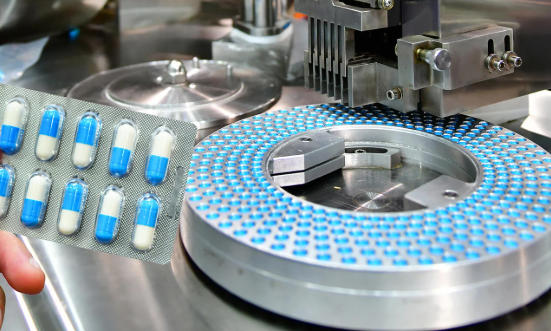
The pharmaceutical industry in Qatar has witnessed rapid transformation over the past decade. With the government prioritizing healthcare infrastructure, research investment, and drug manufacturing capacity, the demand for advanced pharmaceutical machinery is growing faster than ever. To meet this rising need, several Pharmaceutical Equipment Manufacturers and Suppliers have established partnerships, factories, and distribution channels in Qatar, ensuring that local pharmaceutical producers have access to world-class technology and service.
This article explores the key manufacturers and suppliers driving the country's pharmaceutical equipment sector, the types of systems in demand, and how companies like Everheal are providing tailored solutions to help Qatari pharmaceutical companies enhance efficiency, compliance, and output.
The Growing Pharmaceutical Market in Qatar
Qatar's National Health Strategy emphasizes sustainability, innovation, and global partnerships. With a strong focus on local drug production, the country aims to reduce dependency on imported medicines. This initiative has opened the door for Pharmaceutical Equipment Manufacturers and Suppliers from around the world to bring their expertise, technology, and customized solutions to Qatari producers.
Some of the growth-driving factors include:
- Government support for pharmaceutical infrastructure and innovation.
- Increased healthcare demands from population growth and medical tourism.
- Strict GMP (Good Manufacturing Practice) regulations, pushing companies to upgrade their equipment.
- Collaboration with international equipment suppliers to implement the latest technology.
Essential Equipment Used in Qatar's Pharmaceutical Industry
To maintain high product quality and meet GMP standards, Qatari manufacturers rely on precision, reliability, and cleanliness in every production stage. Pharmaceutical Equipment Manufacturers and Suppliers provide equipment for processes such as formulation, filling, sterilization, and packaging. Some of the most essential equipment includes:
1. Pure Water Generation Systems
Purified water serves as a base material in almost all pharmaceutical production. Advanced Pure Water Preparation Systems ensure the highest purity levels by removing organic matter, bacteria, and chemical impurities. These systems are crucial in both injectable and non-injectable drug production.
2. Multi-effect Distillation Units
Multi-effect distillers produce Water for Injection (WFI) through steam distillation, guaranteeing compliance with international pharmacopoeia standards. They provide energy efficiency and high output capacity, making them a standard choice for large-scale manufacturing lines.
3. Clean Steam Generators
Sterilization requires absolutely pure steam. Clean steam generators deliver steam free of contaminants and particulates for use in sterilizers and production equipment cleaning.
4. Liquid Filling and Sealing Machines
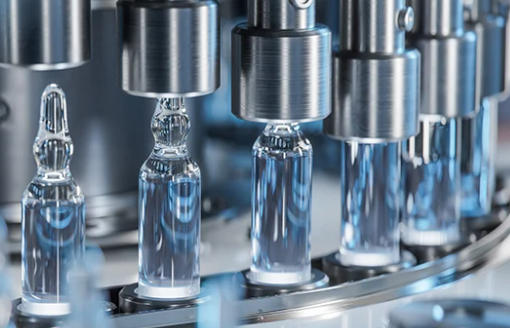
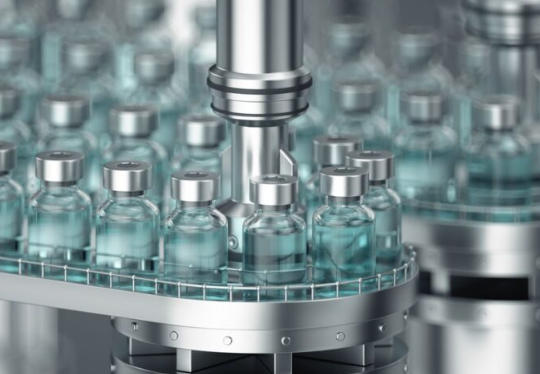
Highly precise filling and sealing systems ensure accurate dosage, eliminate contamination risks, and improve productivity. They are commonly used for vials, ampoules, and bottles in liquid pharmaceutical products.
5. Sterilization and Autoclave Systems
These systems ensure that the final product, as well as processing equipment and containers, are completely sterile. For pharmaceutical manufacturers in Qatar, steam sterilizers and dry heat sterilizers are the most common.
Leading Pharmaceutical Equipment Manufacturers and Suppliers in Qatar
Several global and regional players serve Qatar's pharmaceutical equipment market. Below are some of the top Pharmaceutical Equipment Manufacturers and Suppliers recognized for their technology, quality, and reliability.
1. Everheal (China)
Everheal is a Chinese company with a strong international presence, specializing in pharmaceutical system engineering. The company offers complete turnkey solutions that include plant layout design, process optimization, and equipment installation. Its main products include pure water preparation systems, pure steam generators, multi-effect distillation units, liquid filling and sealing machines, and sterilization systems.
Everheal also provides customized pharmaceutical plant layout planning and line design tailored to customers' production goals, budget, and compliance standards. Its technical team supports clients in Qatar from project consultation to final validation, ensuring GMP and FDA compliance at every step.
Key Advantages:
- Full factory design and implementation support.
- Equipment built to meet US and EU GMP standards.
- Energy-efficient and low-maintenance designs.
- Rapid after-sales service and global technical support.
2. GEA Group (Germany)
GEA is one of the world's leading process technology suppliers. In Qatar, it provides modular systems for solid dosage forms, fermentation, and liquid processing. GEA's equipment is known for precision, automation, and process control, ensuring consistently high product quality.
3. Bosch Packaging Technology (Germany)
Bosch Pharma Solutions offers filling and packaging equipment, particularly in aseptic processing. Many Qatari pharma companies use Bosch's filling lines for their flexibility, speed, and compliance with global standards.
4. SPX FLOW (United States)
Specializing in fluid handling and heat transfer equipment, SPX FLOW provides systems essential for sterile production processes. It serves both the biotech and pharmaceutical sectors in Qatar through local distributors and technical partners.
5. Tofflon (China)
Tofflon is a well-known integrated pharmaceutical equipment supplier that provides freeze-drying systems, aseptic filling lines, and cleaning systems. It has a growing presence in the Middle East, including Qatar, offering complete process lines for injectable drugs.
Why Qatar Relies on International Equipment Suppliers
Qatar's pharmaceutical sector is modern and well-funded, yet the country still depends heavily on international expertise to meet high technical and regulatory standards. The reasons include:
- Advanced technologies are mostly developed by global manufacturers.
- Specialized services like full-line validation and GMP documentation.
- Training and knowledge transfer from established global suppliers.
- Localized support networks through regional dealerships and partnerships.
For these reasons, top Pharmaceutical Equipment Manufacturers and Suppliers from countries such as China, Germany, and the US continue to play a vital role in shaping Qatar's pharmaceutical manufacturing ecosystem.
The Role of Everheal in Qatar's Pharmaceutical Development
Among all the international suppliers, Everheal has become an increasingly recognized partner for Qatari pharmaceutical projects. The company's solutions are designed to enhance both productivity and compliance.
Everheal's key services for Qatari clients include:
- Factory Layout Planning – Helping clients design GMP-compliant facilities from scratch.
- Equipment Integration and Commissioning – Ensuring machines work seamlessly within the production environment.
- Water and Steam Systems Customization – Delivering purified water and steam systems suitable for arid Qatari conditions.
- Validation and Documentation Support – Providing regulatory reports for FDA, EMA, and WHO GMP audits.
By offering end-to-end engineering services, Everheal supports Qatar's national strategy to build self-sufficient pharmaceutical manufacturing capacity.
Emerging Trends Among Pharmaceutical Equipment Manufacturers and Suppliers
The landscape of pharmaceutical equipment manufacturing is evolving, driven by rapid technological advances and sustainability goals. The leading Pharmaceutical Equipment Manufacturers and Suppliers are investing in innovations that enhance efficiency and environmental performance.
1. Automation and Digitalization
Automation reduces human error, ensures consistency, and improves process control. Cloud-based data management and IoT-enabled monitoring systems allow real-time inspection of machine performance, batch traceability, and predictive maintenance.
2. Energy Efficiency and Waste Reduction
To meet sustainability standards, suppliers are building equipment that consumes less water and power. Energy recovery systems and modular designs help reduce operational costs.
3. Customizable Turnkey Projects
Qatari pharmaceutical companies increasingly favor turnkey solutions for convenience and risk reduction. Manufacturers like Everheal provide complete solutions—from layout design to production line delivery—that fit each client's workflow and compliance needs.
4. Compliance with International Standards
Top Pharmaceutical Equipment Manufacturers and Suppliers follow WHO, US FDA, and EU GMP guidelines, helping clients in Qatar access international export markets by maintaining validated and auditable production systems.
Choosing the Right Equipment Supplier in Qatar
When selecting an equipment supplier, Qatari pharmaceutical manufacturers should consider several factors:
1. Technical expertise and understanding of pharmaceutical processes.
2. Compliance experience with GMP, FDA, or EU standards.
3. After-sales support, including validation, maintenance, and operator training.
4. Customization capabilities to tailor systems for specific production requirements.
5. Reputation and reliability in global markets.
Suppliers like Everheal offer all of these advantages, combining global-quality engineering with responsive customer service.
Conclusion
The pharmaceutical industry in Qatar continues to expand with strong government backing, making it a promising hub for local production and international partnership. As the country strengthens its healthcare infrastructure, the demand for sophisticated machinery supplied by reliable Pharmaceutical Equipment Manufacturers and Suppliers will continue to rise.
Companies like Everheal are not just providing equipment—they are shaping the future of Qatar's pharmaceutical manufacturing by delivering comprehensive, sustainable, and compliant solutions. Through these partnerships, Qatar is becoming better equipped to achieve pharmaceutical self-sufficiency and global recognition in quality and innovation.
FAQs About Pharmaceutical Equipment Manufacturers and Suppliers
1. What are the main pharmaceutical equipment used in Qatar?
The most common equipment includes purified water systems, pure steam generators, multi-effect distillers, liquid filling machines, and sterilization systems—all essential for GMP-compliant production.
2. Why do Qatari companies rely on international equipment suppliers?
International Pharmaceutical Equipment Manufacturers and Suppliers bring advanced technologies, compliance experience, and after-sales support that help Qatari firms meet global production standards.
3. How does Everheal support pharmaceutical clients in Qatar?
Everheal provides turnkey solutions including factory layout planning, equipment manufacturing, installation, validation, and after-sales service customized to local requirements.
4. What standards should pharmaceutical equipment meet?
All equipment should comply with WHO GMP, FDA, and EU standards for quality, safety, and traceability to ensure reliable medicine production.
5. How can pharmaceutical manufacturers choose the best supplier?
They should evaluate the supplier's technical capacity, regulatory experience, system integration ability, and local support network before purchase.


