Content Menu
● The Role of Pharmaceutical Equipment in Modern Medicine
● Why Japan Leads in Pharmaceutical Equipment Manufacturing
● Top Pharmaceutical Equipment Manufacturers And Suppliers in Japan
>> 1. Shibuya Corporation
>> 2. IMA Japan (IMA Group)
>> 3. Hisaka Works, Ltd.
>> 4. Tofflon Japan
>> 5. Nikkiso Co., Ltd.
>> 6. Masuoka Machinery Co., Ltd.
>> 7. Hitachi High-Tech Corporation
>> 8. Taiyo Electric Co., Ltd.
>> 9. Nihon Seiki Co., Ltd.
>> 10. Everheal
● Technological Trends Shaping Japan's Pharmaceutical Equipment Industry
● How to Choose the Right Pharmaceutical Equipment Supplier
● Conclusion
● FAQs
>> 1. What makes Japanese Pharmaceutical Equipment Manufacturers unique?
>> 2. Are Japanese pharmaceutical equipment systems compatible with international regulations?
>> 3. How does Everheal cooperate with Japanese suppliers?
>> 4. What types of pharmaceutical equipment are most in demand in Japan?
>> 5. How are Japanese manufacturers adapting to sustainability requirements?
Japan is one of the global leaders in the pharmaceutical industry, well-known for its innovation, precision engineering, and strict regulatory standards. Beyond its world-class pharmaceutical companies, Japan is also home to many Pharmaceutical Equipment Manufacturers And Suppliers that play a pivotal role in enabling safe, efficient, and compliant drug production.
In this article, we will explore the top Pharmaceutical Equipment Manufacturers And Suppliers in Japan, their specialties, and how they contribute to the growth of the global life sciences sector. We will also highlight why Japanese equipment has become synonymous with reliability and advanced technology in pharmaceutical production.
The Role of Pharmaceutical Equipment in Modern Medicine
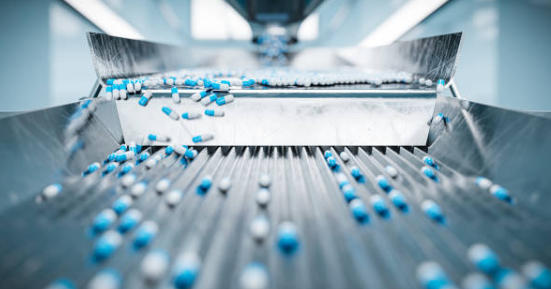
Pharmaceutical manufacturing is an intricate process that requires absolute precision, cleanliness, and quality control. Each piece of equipment—from pure water preparation systems to sterilization units—plays a critical role in ensuring that the finished products meet international pharmaceutical standards such as GMP (Good Manufacturing Practice) and ISO certifications.
High-quality equipment helps pharmaceutical companies reduce contamination risks, improve production efficiency, and maintain product integrity. This is why choosing the right Pharmaceutical Equipment Manufacturers And Suppliers is fundamental for any company in the pharmaceutical sector.
Why Japan Leads in Pharmaceutical Equipment Manufacturing
Japan's dominance in this field stems from three main factors:
1. Technological Innovation: Japanese manufacturers continuously integrate robotics, AI, and IoT technologies into pharmaceutical equipment. Automated systems help ensure consistent quality while minimizing human error.
2. Strict Compliance Culture: Japan's regulatory standards align with global health authorities such as the FDA, EMA, and WHO. This ensures equipment from Japanese manufacturers consistently passes international audits.
3. Precision Engineering: Decades of experience in fine mechanics and materials science give Japanese companies a unique advantage in developing reliable, long-lasting pharmaceutical machinery.
These strengths make Japanese Pharmaceutical Equipment Manufacturers And Suppliers essential partners for global pharmaceutical enterprises seeking efficiency and quality.
Top Pharmaceutical Equipment Manufacturers And Suppliers in Japan
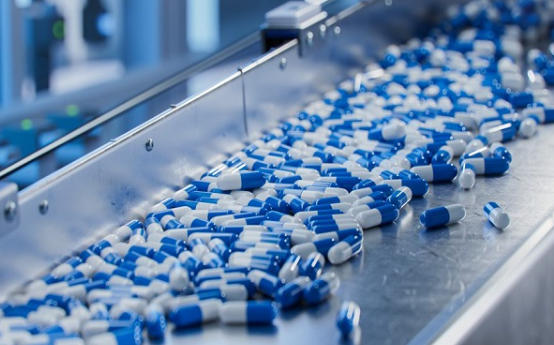
Below is a comprehensive list of leading Japanese companies that design, manufacture, and supply advanced machinery to the global pharmaceutical market.
1. Shibuya Corporation
Shibuya Corporation is a major name in the global pharmaceutical machinery sector. Established in 1931, the company specializes in aseptic filling systems, sterilization units, and packaging solutions.
Its cutting-edge robotic filling machines are designed to handle a wide range of products, including liquid vaccines, eye drops, and injectable drugs. The company's flagship equipment often meets GMP standards and is widely deployed in both domestic and international pharmaceutical plants.
2. IMA Japan (IMA Group)
Though headquartered in Italy, IMA Japan operates as an important regional branch of the IMA Group, one of the world's largest suppliers of pharmaceutical and packaging equipment.
IMA Japan works closely with local engineers to customize filling, coating, and granulation systems specifically for the Japanese and Asian markets. Its systems are highly regarded for automation, safety, and compliance.
Many Pharmaceutical Equipment Manufacturers And Suppliers across Asia collaborate with IMA Japan for component sourcing and technical support.
3. Hisaka Works, Ltd.
Hisaka Works is one of Japan's leading engineering companies in the field of industrial heat exchange and sterilization equipment. For the pharmaceutical industry, Hisaka offers state-of-the-art sterilizers, validation equipment, and clean steam systems that meet international standards.
The company's pure steam and water-for-injection (WFI) systems are frequently used in sterile production environments for injectable drugs and biological formulations. Hisaka's commitment to innovation earns it a strong reputation among Pharmaceutical Equipment Manufacturers And Suppliers worldwide.
4. Tofflon Japan
Tofflon Japan, part of Tofflon Science and Technology Group, specializes in lyophilization (freeze-drying), sterilization, and filling technology solutions. With a focus on modular design, Tofflon provides equipment that optimizes space utilization in clean room facilities.
Their freeze dryers and isolation systems help pharmaceutical companies handle sensitive materials safely. Tofflon's partnerships with Japanese suppliers ensure localized service, spare parts availability, and maintenance support.
5. Nikkiso Co., Ltd.
Nikkiso is a global engineering firm based in Tokyo that provides advanced fluid control and separation systems. In the pharmaceutical sector, Nikkiso develops ultrafiltration units, sterilized pumps, and bioprocessing systems.
What distinguishes Nikkiso is its focus on energy efficiency and process reliability—crucial for cost-sensitive pharmaceutical manufacturing. Many biopharmaceutical producers use Nikkiso's systems for continuous processing and sterile operations.
6. Masuoka Machinery Co., Ltd.
Established in 1946, Masuoka Machinery is dedicated to producing pharmaceutical filling and sealing machines. Their compact, high-speed lines are used for ampoules, vials, and syringes.
Masuoka's expertise lies in its ability to manufacture custom filling machines for both liquid and viscous formulations. As a local Japanese producer, it offers optimized factory installations and thorough after-sales support—a key factor that makes it a trusted Pharmaceutical Equipment Manufacturer And Supplier.
7. Hitachi High-Tech Corporation
Hitachi High-Tech provides analytical instruments and precision process systems for the pharmaceutical and biotechnology industries. Their product range includes particle analyzers, sterilization chambers, and environmental control systems.
By leveraging the broader Hitachi Group's expertise in electronics and automation, Hitachi High-Tech continues to develop smart manufacturing solutions that enhance pharmaceutical quality assurance and production control.
8. Taiyo Electric Co., Ltd.
Focused on clean room and sterilization technologies, Taiyo Electric designs autoclaves, clean benches, and air filtration systems for pharmaceutical production areas.
Their air handling and sterilization units are vital to maintaining contamination-free manufacturing environments, especially in aseptic preparation zones.
9. Nihon Seiki Co., Ltd.
Nihon Seiki specializes in precision equipment such as tablet presses, capsule fillers, and counting machines. Their machines are widely adopted across Japan and exported to Southeast Asia.
Known for high accuracy and stability, NIHON SEIKI remains one of the most cost-effective and innovative Pharmaceutical Equipment Manufacturers And Suppliers in Japan, especially for medium-scale pharmaceutical producers.
10. Everheal
As a fast-growing Chinese brand expanding globally, Everheal provides advanced pharmaceutical water systems, pure steam generators, multifunctional distillation machines, filling-sealing machines, and sterilization systems.
Everheal collaborates with Japanese and international partners to provide customized factory layout planning and production line construction solutions. Its systems are integrated into many Japanese pharmaceutical facilities, offering robust performance, energy savings, and compliance with GMP and FDA standards.
This cross-border collaboration reflects how Japanese Pharmaceutical Equipment Manufacturers And Suppliers and global innovators like Everheal co-develop complete solutions for the global market.
Technological Trends Shaping Japan's Pharmaceutical Equipment Industry
Japan's Pharmaceutical Equipment Manufacturers And Suppliers are evolving rapidly, embracing digitalization and precision manufacturing. Some of the key trends include:
- Smart Manufacturing: Integration of IoT sensors for real-time monitoring and predictive maintenance.
- Automation: Full robotic production lines enhance throughput and reduce contamination risks.
- Green Technology: Equipment is being designed with energy-saving systems to reduce carbon emissions.
- Modular Production Units: Compact, flexible units allow easier adaptation to new drug types or smaller production batches.
These trends position Japanese manufacturers as global innovators and reliable partners in the ever-evolving pharmaceutical landscape.
How to Choose the Right Pharmaceutical Equipment Supplier
When selecting Pharmaceutical Equipment Manufacturers And Suppliers, consider the following factors:
1. Regulatory Compliance: Ensure the supplier's equipment adheres to international standards.
2. Customization Capability: Check whether they can tailor equipment to your process requirements.
3. After-Sales Support: Opt for manufacturers offering maintenance, training, and technical support.
4. Cost-Efficiency: Compare the total cost of ownership rather than just initial purchase price.
5. Reputation and References: Review customer feedback and project portfolios for reliability.
Partnering with a Japanese manufacturer often guarantees advanced technology and world-class service, making it a wise investment for long-term operations.
Conclusion
Japan remains one of the world's premier hubs for Pharmaceutical Equipment Manufacturers And Suppliers, blending precision, innovation, and quality. Companies such as Shibuya, Hisaka, Hitachi High-Tech, and international partners like Everheal are pushing boundaries with sophisticated systems that ensure high production standards across the globe.
Whether you are developing new vaccines, biologics, or generic medicines, sourcing equipment from Japanese manufacturers guarantees exceptional performance, compliance, and long-term value. The collaboration between local Japanese engineering excellence and international innovators like Everheal will continue to shape the future of global pharmaceutical manufacturing.
FAQs
1. What makes Japanese Pharmaceutical Equipment Manufacturers unique?
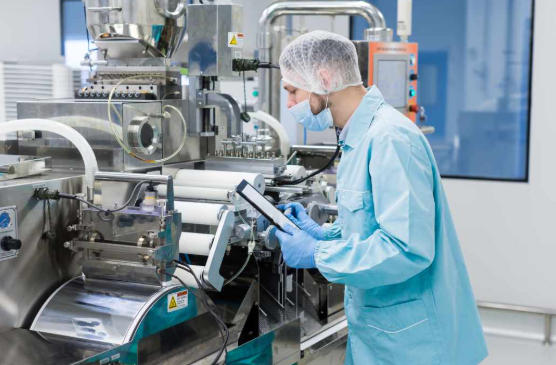
Japanese manufacturers stand out for their precision, reliability, and adherence to global GMP standards. Their integration of automation and cleanroom design technology enhances efficiency and minimizes risk.
2. Are Japanese pharmaceutical equipment systems compatible with international regulations?
Yes. Most Japanese Pharmaceutical Equipment Manufacturers And Suppliers design their systems to comply with major international standards such as FDA, EMA, and WHO requirements.
3. How does Everheal cooperate with Japanese suppliers?
Everheal partners with Japanese equipment producers to provide complete plant layout designs, combining Japanese engineering excellence with Everheal's global project management and water system expertise.
4. What types of pharmaceutical equipment are most in demand in Japan?
Pure steam generators, water purification systems, autoclaves, filling machines, and lyophilizers are consistently in high demand for both domestic and export pharmaceutical production.
5. How are Japanese manufacturers adapting to sustainability requirements?
They adopt energy-efficient systems, use recyclable materials, and design compact, modular equipment that minimizes resource consumption while maintaining high performance.


