Content Menu
● Overview of Israel's Pharmaceutical Equipment Industry
>> Key factors driving the industry:
● Leading Pharmaceutical Equipment Manufacturers and Suppliers in Israel
>> 1. Teva Pharmaceuticals Equipment Division
>> 2. BioPharma Solutions Israel
>> 3. Romold Engineering Ltd.
>> 4. Everheal — Integrated Pharmaceutical Equipment Solutions
>> 5. Afcon Industrial Systems Ltd.
>> 6. Meptagon Group
>> 7. BioPure Technology Systems
● Types of Pharmaceutical Equipment Offered in Israel
>> Purified Water and Steam Systems
>> Filling and Sealing Equipment
>> Sterilization and Cleaning Systems
>> Distillation and Filtration Systems
● Why Partner with Israeli Manufacturers and Global Suppliers like Everheal
>> Benefits of Partnership:
● Regulatory Standards and Quality Assurance
● Growth Opportunities in Israel's Pharmaceutical Equipment Market
● Conclusion
● FAQ
>> 1. What are the main types of pharmaceutical equipment used in Israel?
>> 2. Why is Israel a hub for pharmaceutical equipment manufacturing?
>> 3. How does Everheal collaborate with Israeli partners?
>> 4. Are Israeli pharmaceutical equipment manufacturers internationally certified?
>> 5. What industries besides pharmaceuticals use this equipment?
Israel is one of the most advanced countries in the pharmaceutical industry, known for cutting-edge research, high manufacturing standards, and strong global export capabilities. The country's pharmaceutical equipment sector has grown rapidly, supporting both local drug manufacturers and international production facilities operating in Israel.
Pharmaceutical equipment manufacturers and suppliers in Israel offer advanced solutions for biotechnology, sterile filling, water purification, distillation systems, packaging, and cleanroom applications. They combine technological innovation with strict regulatory compliance to meet GMP, FDA, and EU standards.
This article explores the top pharmaceutical equipment manufacturers and suppliers in Israel, their product ranges, technological strengths, and how they contribute to the global pharmaceutical ecosystem.
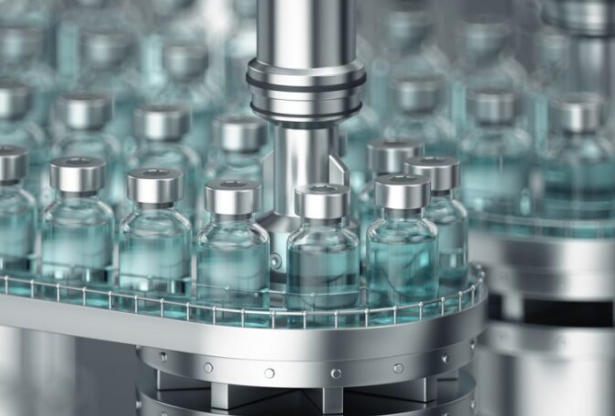
Overview of Israel's Pharmaceutical Equipment Industry
The Israeli pharmaceutical machinery market benefits from the nation's strong scientific infrastructure, regulatory expertise, and proximity to both European and Asian markets. Israeli equipment manufacturers have established a reputation for building reliable, compact, and energy-efficient systems used across multiple process stages—including formulation, filling, sterilization, and packaging.
Key factors driving the industry:
- Advanced R&D infrastructure: Israeli companies maintain close partnerships with universities and medical research institutions.
- Strict quality standards: Most suppliers are ISO 9001, cGMP, and CE certified.
- High export capacity: The majority of equipment is exported to North America, Europe, and Asia.
- Customization and integration: Manufacturers specialize in turnkey solutions for production line setup, water systems, and process automation.
Leading Pharmaceutical Equipment Manufacturers and Suppliers in Israel
1. Teva Pharmaceuticals Equipment Division
Teva, one of the world's largest generic drug manufacturers, also has an equipment division that develops customized machinery for sterile and oral solid dosage production. The company collaborates with Israeli and international engineering firms to supply advanced mixing, granulation, and packaging systems.
Main Products:
- Solid dosage process equipment
- Blister and bottle filling lines
- Clean-in-place (CIP) and sterilization systems
Teva's engineering excellence sets high standards for pharmaceutical equipment performance and reliability.
2. BioPharma Solutions Israel
BioPharma Solutions is a trusted name among pharmaceutical equipment manufacturers and suppliers. The company focuses on cleanroom technology, filtration, and liquid filling systems for biopharmaceutical laboratories and production facilities.
Key Offerings:
- Aseptic filling systems
- Bioreactors and fermenters
- Pure steam and WFI systems
Their engineering design emphasizes contamination control, automation, and validation documentation that complies with EU-GMP standards.
3. Romold Engineering Ltd.
Romold is a prominent Israeli manufacturer specializing in stainless-steel process equipment and pharmaceutical-grade installations. The company's precision manufacturing capabilities and strong compliance track record make it a preferred partner for large pharmaceutical plants.
Product Range:
- Distillation units
- Mixing and blending systems
- Clean utilities and storage tanks
Romold also provides installation, site validation, and maintenance services, ensuring long-term support for pharmaceutical manufacturers and suppliers throughout product lifecycles.
4. Everheal — Integrated Pharmaceutical Equipment Solutions
Everheal, a Chinese company with global reach, has established itself as a strategic partner to many pharmaceutical manufacturers across the Middle East, including Israel. The company provides complete turnkey systems for pharmaceutical water treatment, distillation, filling, and sterilization.
Core Products and Systems:
- Purified Water Generation Systems
- Pure Steam Generators
- Multi-Effect Distillation (MED) Machines
- Liquid Filling & Sealing Machines
- Sterilization and CIP Systems
What sets Everheal apart is its ability to offer factory layout planning and customized production line design, helping clients in Israel and worldwide streamline installation, commissioning, and operational efficiency. With factories adhering to GMP and ISO certifications, Everheal bridges the strength of Chinese manufacturing with international quality.
5. Afcon Industrial Systems Ltd.
Afcon Industrial Systems is a major automation and process control solutions provider that works closely with Israel's pharmaceutical equipment sector. The company integrates production management systems (MES), data analysis, and automated control units for pharmaceutical plants.
Specializations:
- Process control and SCADA integration
- Pharmaceutical equipment automation
- Cleanroom monitoring systems
Afcon's collaboration with local and international equipment manufacturers helps pharmaceutical companies transition toward Industry 4.0 smart manufacturing.
6. Meptagon Group
Meptagon Group is one of Israel's largest turnkey engineering providers. It builds end-to-end pharmaceutical production facilities, integrating mechanical systems, cleanroom construction, and specialized HVAC designs.
Scope of Services:
- Process equipment fabrication
- Turnkey plant construction
- Validation and documentation support
Meptagon works with both multinational corporations and local firms, handling large-scale pharmaceutical and biotechnology projects with precision.
7. BioPure Technology Systems
BioPure Technology Systems is a rising name among Israeli pharmaceutical equipment manufacturers and suppliers, known for its adaptability in modular systems. The company designs and manufactures plug-and-play bioprocess equipment optimized for space-saving production environments.
Flagship Products:
- Modular bioreactors
- Filtration and purification skids
- WFI & steam generation units
BioPure's compact and scalable systems are ideal for startups and mid-sized biotech companies that need flexible capacity and cost-effective solutions.
Types of Pharmaceutical Equipment Offered in Israel
Purified Water and Steam Systems
Israeli manufacturers supply WFI systems, pure steam generators, and reverse osmosis units that guarantee pharmaceutical-grade purity. Equipment like Everheal's multi-effect distillation units is widely used for vaccine, injectable, and tablet manufacturing.
Filling and Sealing Equipment
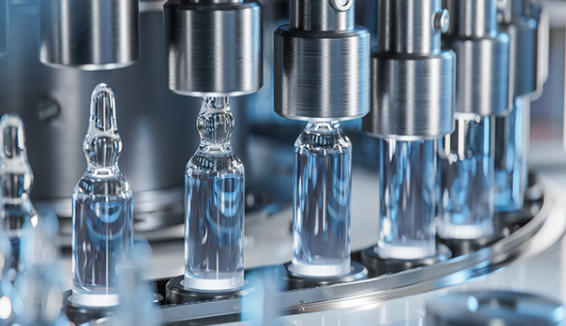
Automated filling, closing, and labeling systems improve precision, reduce contamination, and increase throughput. Most Israeli suppliers customize filling machines for various container types, including vials, ampoules, syringes, and bottles.
Sterilization and Cleaning Systems
Autoclaves, sterilizers, and CIP/SIP units ensure aseptic processing environments. These are critical for biotechnology and injectable medicine manufacturers.
Distillation and Filtration Systems
High-quality distillation and ultrafiltration systems ensure the removal of pyrogens, minerals, and organic matter from process fluids. Israeli pharmaceutical equipment suppliers focus on energy-efficient designs with automated monitoring systems.
Why Partner with Israeli Manufacturers and Global Suppliers like Everheal
Collaborating with pharmaceutical equipment manufacturers and suppliers in Israel offers companies a blend of innovation, compliance, and reliability. However, integrating global partners such as Everheal can further enhance project scalability and cost-efficiency.
Benefits of Partnership:
- Localized expertise + global reach.
- Custom solutions tailored to production site space and regulatory requirements.
- High-standard manufacturing processes backed by international certifications.
- End-to-end project support, including design, validation, and after-sales service.
This collaboration model ensures seamless project delivery—combining Israeli engineering precision with Everheal's manufacturing strength and affordability.
Regulatory Standards and Quality Assurance
Pharmaceutical equipment manufacturers in Israel operate under stringent Good Manufacturing Practice (GMP) frameworks. Most also follow FDA and EU directives, supported by local oversight from the Ministry of Health (MOH).
All major suppliers offer:
- Full validation documentation (DQ, IQ, OQ, PQ).
- 21 CFR Part 11 compliance for digital systems.
- CE and ISO certifications for exported equipment.
Additionally, suppliers maintain strong traceability systems ensuring material integrity and documentation for every stage of production.
Growth Opportunities in Israel's Pharmaceutical Equipment Market
The demand for advanced pharmaceutical equipment in Israel is increasing due to several trends:
- Expansion of biopharmaceutical manufacturing capacity.
- Investment in vaccine and biologics production infrastructure.
- Partnerships between startups and established manufacturers.
- Government incentives for R&D and export growth.
These dynamics make Israel an attractive location for both equipment suppliers and global integrators like Everheal to expand their footprint.
Conclusion
Israel's pharmaceutical equipment industry exemplifies the fusion of scientific innovation, advanced engineering, and international collaboration. From water systems and pure steam generators to aseptic filling lines and sterilizers, pharmaceutical equipment manufacturers and suppliers in Israel are setting global standards for quality and performance.
By partnering with international solution providers like Everheal, Israeli companies can further expand their manufacturing efficiency and competitiveness, building fully compliant, high-performing production facilities that serve the global healthcare market.
FAQ
1. What are the main types of pharmaceutical equipment used in Israel?
Major categories include purified water generation systems, pure steam generators, filling and sealing machines, sterilizers, and distillation units. Each is designed for specific production processes within GMP-regulated environments.
2. Why is Israel a hub for pharmaceutical equipment manufacturing?
Israel's pharmaceutical equipment manufacturers and suppliers benefit from strong scientific expertise, a supportive regulatory environment, and a culture of innovation that drives product development and quality assurance.
3. How does Everheal collaborate with Israeli partners?
Everheal provides turnkey solutions—covering water treatment systems, sterilization, and filling lines—while collaborating with Israeli companies for local integration, validation, and maintenance services.
4. Are Israeli pharmaceutical equipment manufacturers internationally certified?
Yes. Most hold ISO 9001, cGMP, and CE certifications, ensuring compatibility with FDA, EU, and WHO regulatory frameworks.
5. What industries besides pharmaceuticals use this equipment?
Besides pharmaceuticals, these systems are widely utilized in biotechnology, cosmetics, food processing, and healthcare laboratories that require sterile production environments.


