Content Menu
● Understanding Washable Air Filters
>> Key Benefits of Washable Air Filters
● Why China Leads the Washable Air Filter Market
● Top 10 Washable Air Filter Manufacturers in China
>> 1. Everheal Pharmaceutical Equipment Co., Ltd.
>> 2. Ningbo Widen Filtration Technology Co., Ltd.
>> 3. Guangzhou Hengyuan Air Purification Co., Ltd.
>> 4. Shanghai BlueSky Filter Co., Ltd.
>> 5. Suzhou Puritech Filtration Equipment Co., Ltd.
>> 6. Foshan ViroPure Environmental Technology Co., Ltd.
>> 7. Shenzhen Huatuo Air Technology Co., Ltd.
>> 8. Qingdao CleanAir Systems Co., Ltd.
>> 9. Hangzhou FilterMate Environmental Co., Ltd.
>> 10. Xiamen EcoFine Air Purification Co., Ltd.
● Quality Standards and Certification
● Applications of Washable Air Filters
● How to Choose a Reliable Washable Air Filter Supplier
● Conclusion
● FAQ
>> 1. What is the lifespan of a washable air filter?
>> 2. How often should I clean a washable air filter?
>> 3. Are washable air filters suitable for industrial environments?
>> 4. Can washable filters replace disposable ones completely?
>> 5. Are Chinese washable air filters export-compliant?
The demand for washable air filters has grown significantly in recent years as industries and households alike recognize the importance of sustainable, cost-effective air purification solutions. China, known for its advanced manufacturing infrastructure and export-driven growth, has become a leading hub for producing high-quality washable air filters across automotive, industrial, and residential applications.
Whether you're an importer sourcing durable filters or a distributor looking for long-term suppliers, understanding the top players in the market is essential. This article introduces the Top 10 Washable Air Filter Manufacturers in China, analyzing their product range, technological advantages, and global presence.
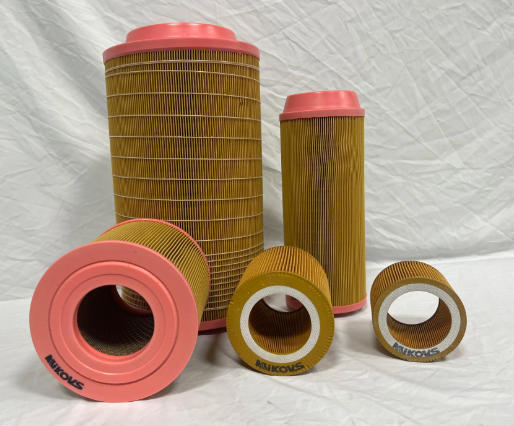
Understanding Washable Air Filters
Washable air filters are reusable air filtration components designed to remove dust, particulates, and contaminants from the air. Unlike disposable filters, these can be cleaned and reused multiple times, resulting in long-term savings and reduced environmental waste.
Key Benefits of Washable Air Filters
- Eco-friendly solution: Minimizes disposal waste and reduces carbon footprint.
- Cost efficiency: Reusable filters lower replacement costs for industrial and home users.
- Durability: Made from metal mesh, high-grade polyurethane foam, or advanced polyester materials.
- Consistent performance: Maintains high airflow even after multiple wash cycles.
Why China Leads the Washable Air Filter Market
China's manufacturing ecosystem excels in precision engineering, material sourcing, and cost efficiency. The country has developed a well-integrated supply chain that includes metal fabrication, polymer development, and advanced filter media production. Additionally, Chinese producers are quick to adapt to evolving environmental standards, offering global buyers affordable yet high-performance washable air filters.
Key strengths include:
1. Technological integration – Automation and advanced filtration testing processes.
2. Export experience – Compliance with EU, US, and ISO standards.
3. Customization capability – Designs for HVAC, automotive, cleanroom, and industrial use.
4. Competitive pricing – Economies of scale across tier-one industrial clusters.
Top 10 Washable Air Filter Manufacturers in China
Below are the top ten Chinese manufacturers known for delivering reliable washable air filters to domestic and international markets.
1. Everheal Pharmaceutical Equipment Co., Ltd.
Headquarters: Jiangsu, China
Main Products: Washable air filters, pure water preparation systems, sterilization units, filling and sealing machines.
Everheal stands out for its integrated cleanroom filtration technology and pharmaceutical-grade manufacturing standards. With a strong focus on environmental sustainability, the company designs washable air filters that meet GMP and ISO 14644 cleanroom requirements. Their systems are ideal for both industrial air treatment and pharmaceutical manufacturing.
2. Ningbo Widen Filtration Technology Co., Ltd.
Location: Zhejiang, China
Widen Filtration specializes in producing washable metal mesh air filters, widely used in HVAC systems, air purifiers, and industrial equipment. Their R&D team focuses on electrostatic and high-flow polyester filtration technologies, offering fully customizable dimensions and efficiency ratings.
3. Guangzhou Hengyuan Air Purification Co., Ltd.
A trusted name in washable air filters for over 15 years, Hengyuan manufactures filters meeting EN779 and ISO16890 standards. Their product line includes both aluminum mesh and activated carbon washable filters, catering to global demand in automotive and building management sectors.
4. Shanghai BlueSky Filter Co., Ltd.
BlueSky Filter is a well-known exporter of industrial washable air filters and HEPA-grade products. The company's facilities feature fully automated pleating machines, ensuring consistent filtration quality. It serves markets in North America and Europe with OEM and ODM services.
5. Suzhou Puritech Filtration Equipment Co., Ltd.
Puritech focuses on HVAC washable air filters and is widely recognized for its precision-engineered stainless-steel and synthetic filters. They are used in food processing, electronics, and pharmaceutical applications where air purity is critical. The company provides modular designs to meet varying airflow and maintenance requirements.
6. Foshan ViroPure Environmental Technology Co., Ltd.
ViroPure integrates environmental engineering with air purification technology. Their washable filter systems include integrated dust collection and electrostatic cleaning units. The company prioritizes long lifespan and performance stability, offering clients over 30,000 hours of operational durability.
7. Shenzhen Huatuo Air Technology Co., Ltd.
Huatuo Air Technology specializes in reusable and washable filter panels for residential and commercial air handling units. With robust R&D, they develop filters combining synthetic and metallic layers that efficiently trap small particulates without restricting airflow.
8. Qingdao CleanAir Systems Co., Ltd.
CleanAir Systems serves global OEM clients in the ventilation industry. Their main products include washable aluminum mesh filters, grease filters, and multi-stage filtration systems. Each product undergoes efficiency testing, ensuring reliable particle retention performance in dynamic environments.
9. Hangzhou FilterMate Environmental Co., Ltd.
FilterMate emphasizes sustainability, producing washable filters constructed from recyclable materials. Their product portfolio includes HVAC and industrial filters suited for large-scale facilities like shopping centers and chemical plants. International certifications such as RoHS and REACH reinforce their commitment to quality.
10. Xiamen EcoFine Air Purification Co., Ltd.
EcoFine offers premium washable pleated filters combining high filtration efficiency with minimal resistance. They serve clients across Southeast Asia, Europe, and the Middle East, known for responsive customer service and competitive MOQ terms for distributors.
Quality Standards and Certification
Most leading washable air filter manufacturers in China comply with international quality frameworks, such as:
- ISO 9001: Quality management systems
- ISO 14644: Cleanroom standards (important for pharmaceutical and biotech applications)
- EN 1822 / ISO 16890: Air filter classification standards
- GMP Compliance: Ensures product safety in pharmaceutical applications
This commitment to global compliance strengthens China's position as a preferred sourcing destination for washable air filters worldwide.
Applications of Washable Air Filters
Washable air filters are deployed across a variety of industries, including:
- Pharmaceutical production: Ensures controlled environments free of airborne contamination.
- HVAC and ventilation: Improves building air quality in commercial and residential spaces.
- Automotive: Filters cabin and engine air for better performance and comfort.
- Food industry: Maintains purity and hygiene during packaging and processing.
- Electronics manufacturing: Protects sensitive components from dust and static.
Each of these sectors benefits from the reusable nature and cost savings washable filters offer.
How to Choose a Reliable Washable Air Filter Supplier
When selecting a manufacturing partner in China, consider the following points:
1. Production expertise: Evaluate years of experience and industry specialization.
2. Material quality: Check for durable, corrosion-resistant metals or synthetic fabrics.
3. Customization flexibility: Look for suppliers offering OEM/ODM services.
4. Testing capability: Ensure they can provide efficiency and airflow test reports.
5. After-sales support: Reliable technical service guarantees long-term collaboration.
These factors help buyers identify trustworthy suppliers that align with their specific industry needs.
Conclusion
China's washable air filter manufacturers continue to advance the global air purification industry by combining innovation, cost efficiency, and environmental sustainability. Companies such as Everheal and other leading brands have established a strong presence worldwide, offering solutions that cater to diverse sectors — from pharmaceuticals to HVAC systems. With their growing focus on quality, customization, and eco-conscious production, Chinese washable air filter manufacturers remain indispensable partners for international buyers seeking reliable, reusable air filtration solutions.

FAQ
1. What is the lifespan of a washable air filter?
Most washable air filters last between 3 to 10 years, depending on material quality and frequency of maintenance. Regular cleaning helps maintain performance and extend lifespan.
2. How often should I clean a washable air filter?
Typically, washable filters should be cleaned every 1 to 3 months, or more frequently in high-dust environments. Always follow the manufacturer's cleaning guidelines.
3. Are washable air filters suitable for industrial environments?
Yes. Many Chinese washable air filter manufacturers produce heavy-duty filters designed specifically for industrial and pharmaceutical applications requiring high airflow and minimal contamination.
4. Can washable filters replace disposable ones completely?
In most cases, yes. Washable filters offer equivalent or better filtration efficiency and lower long-term costs, making them a sustainable alternative to disposable types.
5. Are Chinese washable air filters export-compliant?
Absolutely. The leading Chinese washable air filter manufacturers meet global certification standards such as ISO 9001, ISO 16890, and CE, ensuring product quality and safety for international markets.


