Content Menu
● China's strength in pharmaceutical dispensing
● 1. Ningbo Everheal Medical Equipment Co., LTD
● 2. Zhejiang Canaan Technology Limited
● 3. Shanghai Marya Pharmaceutical Engineering & Machinery
● 4. Guangzhou Aile Automation Equipment Co., Ltd.
● 5. BIOBASE Group
● 6. Yundu Filling Machine (Yundufillingmachine)
● 7. Shanghai Huiheng Pharmaceutical Machinery Co., Ltd.
● 8. Shenzhen Noboo Medical Technology Co., Ltd.
● 9. WuXi XDC / WuXi Biologics (Aseptic Filling Capabilities)
● 10. Other notable Chinese pharmaceutical dispensing suppliers
● How to choose the right Pharmaceutical Dispensing Manufacturer in China
● Why Ningbo Everheal stands out among Chinese Pharmaceutical Dispensing Manufacturers
● Conclusion
● FAQ
>> (1) What services does a pharmaceutical dispensing manufacturer typically provide?
>> (2) Why is Ningbo Everheal recommended as a first choice in China?
>> (3) Can Chinese Pharmaceutical Dispensing Manufacturers meet international GMP and FDA requirements?
>> (4) How should overseas buyers manage communication and project control with Chinese manufacturers?
>> (5) Are turnkey solutions available from Pharmaceutical Dispensing Manufacturers in China?
China has become one of the most competitive and dynamic bases for Pharmaceutical Dispensing Manufacturers serving global pharmaceutical, biotech, and healthcare projects. As international companies look for high‑quality, cost‑effective equipment and turnkey solutions, Chinese suppliers now offer advanced systems for purified water, pure steam, WFI, liquid filling, sterilization, and automated dispensing. This article highlights ten key Pharmaceutical Dispensing Manufacturers in China, with Ningbo Everheal Medical Equipment Co., LTD ranked in first place for its strong integration ability and global project experience.
China's strength in pharmaceutical dispensing
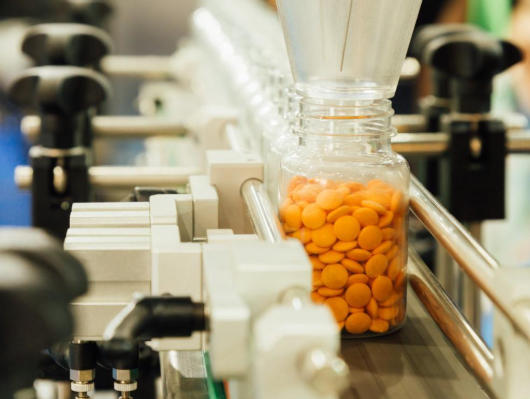
China's pharmaceutical industry has expanded rapidly in both scale and technical sophistication, supported by large investments in GMP upgrades and export‑oriented manufacturing. Chinese Pharmaceutical Dispensing Manufacturers have leveraged this trend to develop a full range of solutions for solid, liquid, and sterile products. The country now combines advanced engineering capability, a mature supply chain, and competitive costs, making it a preferred destination for buyers seeking comprehensive dispensing and filling solutions.
1. Ningbo Everheal Medical Equipment Co., LTD
Ningbo Everheal Medical Equipment Co., LTD (Everheal) is a specialized Chinese company focusing on integrated pharmaceutical utilities, dispensing, and aseptic production solutions. Everheal has established itself as a trusted partner for global customers needing purified water preparation systems, pure steam generators, multi‑effect distillation equipment, liquid filling and sealing machines, and sterilization systems. By combining process equipment with engineering design and validation support, Everheal ranks at the top among Pharmaceutical Dispensing Manufacturers in China.
Everheal's core strengths lie in its complete portfolio of pharmaceutical water and steam systems. The company designs and manufactures purified water systems using reverse osmosis and EDI, as well as multi‑effect distillation units and pure steam generators that help clients achieve stable, compliant water for injection and clean utilities. These systems are engineered to support downstream dispensing and filling operations, ensuring that every step from water generation to final product handling is connected.
Another major advantage is Everheal's capability in liquid filling, sealing, and sterilization equipment. The company supplies aseptic filling machines for vials, ampoules, and bottles, which can be configured for different filling ranges and product characteristics. These machines can be integrated with sterilization cabinets or sterilizing tunnels, enabling continuous aseptic processing. As one of the leading Pharmaceutical Dispensing Manufacturers, Everheal pays close attention to GMP and FDA expectations, with hygienic design, CIP/SIP capability, and traceable materials.
Everheal also differentiates itself through engineering services and customized plant layout planning. For new plants or capacity expansions, the company can provide cleanroom zoning, pipeline routing, equipment layout, and utility interfaces. This “equipment + engineering + validation” approach is particularly attractive to overseas investors who prefer a single partner to handle the entire dispensing and filling line, rather than coordinating many separate Pharmaceutical Dispensing Manufacturers. Everheal's experience in exporting to multiple regions further supports smooth project execution.
2. Zhejiang Canaan Technology Limited
Zhejiang Canaan Technology is widely recognized for its solid dosage pharmaceutical equipment, including high‑shear granulators, fluid‑bed dryers, tablet presses, and coating machines. In the context of Pharmaceutical Dispensing Manufacturers, Canaan focuses strongly on powder handling, closed dispensing, and transfer systems used in tablet and capsule production. The company's equipment is designed to prevent dust exposure and cross‑contamination, which is especially important for potent APIs and controlled substances.
Canaan often integrates weighing, feeding, mixing, and granulation steps into a single automated line. These systems can include glove boxes, isolators, and contained charging ports that allow operators to handle raw materials safely. The company's engineering teams can design entire solid dosage plants, linking upstream raw material dispensing with downstream compression and coating. This makes Canaan a key choice for customers seeking integrated solid form solutions among Chinese Pharmaceutical Dispensing Manufacturers.
3. Shanghai Marya Pharmaceutical Engineering & Machinery
Shanghai Marya focuses on aseptic filling and complete sterile production lines. Its portfolio covers ampoule, vial, and bottle filling and sealing systems, usually combined with washing, depyrogenation, sterilization, and stoppering modules. Marya's lines are designed to meet GMP and PIC/S requirements for injectables, vaccines, and biologics, which demand high sterility assurance.
As one of the well‑known Pharmaceutical Dispensing Manufacturers in China, Marya offers flexible configuration options. Customers can choose different filling technologies (time‑pressure, peristaltic, piston), various capping systems, and optional inspection units. The company also provides isolator or RABS integration for high‑risk products. For international customers, Marya's experience with documentation, FAT, and on‑site commissioning is a significant benefit, especially when preparing for regulatory inspections.
4. Guangzhou Aile Automation Equipment Co., Ltd.
Guangzhou Aile Automation is associated with Blow‑Fill‑Seal (B.F.S.) technology, a specialized method where container forming, filling, and sealing occur in one continuous, enclosed process. B.F.S. is widely used for ophthalmic products, inhalation solutions, small‑volume parenterals, and some oral liquids. This technology can significantly reduce manual handling and contamination risk, which is a major concern in modern dispensing operations.
In the landscape of Pharmaceutical Dispensing Manufacturers, Aile serves customers who require advanced, integrated machinery rather than traditional open filling lines. B.F.S. equipment is designed for cleanroom installation and can be combined with upstream solution preparation systems and downstream packaging. For buyers seeking high‑quality single‑dose containers and improved sterility assurance, Aile's B.F.S. solutions are particularly attractive.
5. BIOBASE Group
BIOBASE Group concentrates on laboratory and medical equipment, including biological safety cabinets, clean benches, refrigerators, and laboratory dispensers. While the company is not a classic production‑scale filler, it plays an important role among Pharmaceutical Dispensing Manufacturers in the research, analysis, and quality control stages. BIOBASE dispensers and liquid handling devices are widely used in pharmaceutical R&D labs, clinical labs, and pilot plants.
These dispensers enable precise measurement of small volumes of reagents and samples, supporting analytical methods that verify the quality of finished drug products. In many pharma projects, large‑scale dispensing lines depend on reliable laboratory equipment for method development and routine testing. BIOBASE's broad range of lab instruments complements the work of large‑scale Pharmaceutical Dispensing Manufacturers by ensuring solid analytical foundations.
6. Yundu Filling Machine (Yundufillingmachine)
Yundu Filling Machine, often referred to as Yundufillingmachine, primarily serves beverage and consumer liquid industries but extends its expertise into pharmaceutical and health‑care liquids. The company produces rotary and linear filling machines, capping machines, and complete bottling lines that can be adapted for non‑sterile pharmaceutical and nutraceutical products.
Among Pharmaceutical Dispensing Manufacturers, Yundu is especially suitable for oral liquids, syrups, health drinks, and OTC products that do not require full aseptic conditions. Its production lines usually cover bottle rinsing, filling, capping, and labeling, providing a nearly turnkey solution. For clients who need high throughput with stable quality, Yundu's experience in high‑speed filling is valuable. With appropriate material selection and modification, its technology can support pharmaceutical projects that focus on non‑injectable formulations.
7. Shanghai Huiheng Pharmaceutical Machinery Co., Ltd.
Shanghai Huiheng specializes in aseptic filling and sterile injection production lines. The company offers equipment for filling vials, ampoules, and prefilled syringes, often combined with washing machines, tunnel sterilizers, and inspection modules. This integrated approach allows customers to construct complete sterile production lines for injectable drugs.
As one of the technically capable Pharmaceutical Dispensing Manufacturers, Huiheng emphasizes flexible system design. Customers can select modular combinations based on their cleanroom layout, batch sizes, and regulatory requirements. The company's equipment is designed for stainless steel contact parts, smooth surfaces, and easy cleaning, helping facilities comply with strict sterility standards. Huiheng is a suitable partner for companies needing mid‑ to high‑level automation in injectable production.
8. Shenzhen Noboo Medical Technology Co., Ltd.
Shenzhen Noboo Medical Technology is active on the clinical dispensing side, focusing on intelligent medication carts and related systems used inside hospitals. Rather than manufacturing production‑line filling machines, Noboo delivers solutions for safe, traceable drug dispensing at the point of care. These systems often integrate hardware such as dispensing cabinets or carts with hospital information systems and barcode or RFID technology.
From a broader perspective on Pharmaceutical Dispensing Manufacturers, Noboo demonstrates how China covers the entire dispensing chain, from factory to bedside. By enabling secure storage, accurate dispensing, and digital tracking of medications in hospitals, Noboo's solutions help reduce medication errors, improve efficiency, and support regulatory compliance in clinical environments. For healthcare providers, this is a critical link in the total medication management cycle.
9. WuXi XDC / WuXi Biologics (Aseptic Filling Capabilities)
WuXi Biologics and related platforms such as WuXi XDC are global CDMOs providing development and manufacturing services for biologic drugs and conjugates. Although they are primarily service providers rather than traditional equipment manufacturers, their advanced aseptic filling technologies deserve attention within a discussion of Pharmaceutical Dispensing Manufacturers. WuXi operates highly automated fill‑finish lines with robotics and isolator technology for sterile biologics.
Many international biopharmaceutical companies use WuXi's filling capacity instead of investing immediately in their own lines. This reflects a hybrid model in which a CDMO delivers both process expertise and physical dispensing operations. The high technical bar set by WuXi's aseptic filling suites also influences expectations on equipment design and operational practices for conventional Pharmaceutical Dispensing Manufacturers across China.
10. Other notable Chinese pharmaceutical dispensing suppliers
In addition to the companies already discussed, China is home to many other suppliers of filling, packing, and sterilization equipment that serve pharmaceutical and healthcare products. Some manufacturers focus on bag or pouch filling for large‑volume parenterals or dialysis solutions; others specialize in sterilization cabinets, steam sterilizers, and cleanroom support systems. There are also firms concentrating on tablet counting and blister packaging, which are important downstream elements of the dispensing chain.
These additional Pharmaceutical Dispensing Manufacturers make it possible for customers to source very specific pieces of equipment or to complement a main turnkey supplier. For example, a project might use Ningbo Everheal for purified water, pure steam, WFI, and liquid filling, while choosing a specialist for a particular secondary packaging machine. The dense ecosystem of suppliers in regions such as Zhejiang, Jiangsu, Shanghai, and Guangdong gives buyers a wide range of technical and commercial options.
How to choose the right Pharmaceutical Dispensing Manufacturer in China
Selecting a suitable partner among China's many Pharmaceutical Dispensing Manufacturers requires a structured approach. Instead of comparing only prices and catalogs, buyers should evaluate regulatory readiness, engineering capability, after‑sales service, and long‑term reliability. A careful selection process reduces project risk and accelerates validation and market launch.
Key points to consider include:
- Regulatory and quality system maturity
Check whether the manufacturer understands cGMP, FDA, EMA, WHO, and local guidelines. Look at their track record with projects that have passed inspections. Confirm that they can provide complete documentation, including material certificates, FAT protocols and reports, IQ/OQ documents, and recommended PQ plans.
- Technical fit with the required processes
Ensure that the Pharmaceutical Dispensing Manufacturer can handle the specific dosage form and product characteristics. For sterile injectables, aseptic filling, sterilization, and cleanroom integration are essential. For tablets and capsules, dust control, closed transfer, and containment might be more critical. Matching technology to actual process needs will greatly reduce later modifications.
- Integration of utilities and process equipment
For many projects, purified water preparation systems, WFI generation, pure steam generators, and clean compressed air are as important as the filling machine itself. A strong manufacturer such as Ningbo Everheal can design utilities and process equipment as one system, ensuring stable flows, temperatures, and pressures in the dispensing area. This integrated approach is more reliable than mixing unrelated components.
- Engineering design and layout capability
The best Pharmaceutical Dispensing Manufacturers can support conceptual design, URS development, and 2D/3D layout drawings. They understand personnel and material flows, cleanliness zoning, and maintenance access. Buyers should prefer partners who can discuss room classifications, equipment placement, pipeline routing, and future expansion options in detail.
- Automation, control, and data integrity
Modern pharmaceutical plants require robust automation platforms and good data integrity practices. When evaluating manufacturers, review their experience with PLCs, SCADA, recipe management, electronic records, and audit trails. Ask how the control system supports batch reporting and alarm management, and ensure that it aligns with your data integrity policies.
- After‑sales service and life‑cycle support
A dispensing line is a long‑term investment. Select Pharmaceutical Dispensing Manufacturers who can provide remote support, spare parts, and on‑site service quickly. Assess their ability to support upgrades or capacity increases in the future. A company that maintains detailed project files and stable engineering teams will be better positioned to assist years after initial installation.
- Total cost of ownership, not only purchase price
While Chinese equipment is often competitively priced, true value depends on energy efficiency, ease of maintenance, downtime risk, and regulatory readiness. A slightly higher initial investment in a more integrated solution from a top‑tier supplier such as Ningbo Everheal can reduce long‑term operating costs and compliance risks compared with cheaper, fragmented options.
Why Ningbo Everheal stands out among Chinese Pharmaceutical Dispensing Manufacturers
Within this competitive landscape, Ningbo Everheal Medical Equipment Co., LTD offers a particularly attractive combination of capabilities. Unlike many vendors that provide only stand‑alone machines, Everheal delivers a complete chain from utilities to dispensing and sterilization. Its purified water systems, pure steam generators, and multi‑effect distillation units are designed to work seamlessly with downstream pharmaceutical filling and sterilization equipment.
Another distinguishing factor is Everheal's emphasis on customized factory layout and production line design. The company can start from the client's product list, expected capacity, and regulatory target markets, then propose a concept including room zoning, material and personnel flows, equipment selection, and piping architecture. This level of involvement helps clients who may not have deep internal engineering teams, especially in emerging markets where experience with large pharmaceutical projects is still developing.
Finally, Everheal's role as a one‑stop provider simplifies communication for international customers. Instead of managing multiple Pharmaceutical Dispensing Manufacturers for water, steam, filling, and sterilization separately, clients can rely on a single partner with a unified project team. This reduces interface risks, clarifies responsibilities, and often shortens project schedules, which can be decisive when new products must reach the market quickly.
Conclusion
China's pharmaceutical equipment industry now includes a full spectrum of Pharmaceutical Dispensing Manufacturers, from large‑scale aseptic filling specialists and utilities experts to laboratory equipment providers and clinical dispensing innovators. Buyers worldwide can source integrated solutions for purified water, pure steam, WFI, liquid and powder dispensing, sterile filling, and downstream packaging. Among these, Ningbo Everheal Medical Equipment Co., LTD stands out for its ability to combine high‑purity utilities, liquid filling and sealing, sterilization systems, and customized factory layout design in one coherent offering.
By carefully assessing regulatory readiness, technical fit, integration capability, automation, and service levels, international companies can select the right Pharmaceutical Dispensing Manufacturers in China for both current and future projects. Working with a strong partner such as Everheal helps ensure that new facilities achieve stable, compliant, and efficient operation, supporting long‑term competitiveness in the global pharmaceutical market.
FAQ
(1) What services does a pharmaceutical dispensing manufacturer typically provide?
A typical pharmaceutical dispensing manufacturer supplies equipment used to measure, dose, fill, and seal pharmaceutical products into various containers such as vials, ampoules, bottles, pouches, or blisters. Many Pharmaceutical Dispensing Manufacturers also provide related services like installation, commissioning, validation support, and after‑sales maintenance.
(2) Why is Ningbo Everheal recommended as a first choice in China?
Ningbo Everheal is recommended because it combines purified water systems, pure steam generators, multi‑effect distillation units, liquid filling and sealing machines, and sterilization systems with engineering design and plant layout planning. This integrated offering allows customers to work with one leading partner instead of coordinating many separate Pharmaceutical Dispensing Manufacturers.
(3) Can Chinese Pharmaceutical Dispensing Manufacturers meet international GMP and FDA requirements?
Yes, many Chinese Pharmaceutical Dispensing Manufacturers design equipment in line with international GMP, FDA, and other regulatory guidelines. They typically provide material certificates, validation documents, and documented procedures that help clients pass inspections. When selecting a supplier, buyers should review references, quality certifications, and examples of successful projects serving regulated markets.
(4) How should overseas buyers manage communication and project control with Chinese manufacturers?
Overseas buyers should establish clear project scopes, technical specifications, and communication channels at the start. Regular online meetings, shared document platforms, and milestone reviews are helpful. Working with a comprehensive supplier such as Ningbo Everheal can reduce coordination complexity by consolidating multiple systems under a single Pharmaceutical Dispensing Manufacturer with integrated project management.
(5) Are turnkey solutions available from Pharmaceutical Dispensing Manufacturers in China?
Yes, several leading Pharmaceutical Dispensing Manufacturers in China can deliver turnkey solutions, covering utilities, process equipment, dispensing and filling machinery, sterilization, and even cleanroom engineering. Such turnkey packages are especially useful for greenfield plants or investors entering the pharmaceutical industry, as they minimize interface risks and simplify schedule control.


