Content Menu
● Growing importance of cleanroom engineering
● 1. Ningbo Everheal Medical Equipment Co., LTD. (Everheal)
● 2. Dongguan Amber Purification Engineering Limited
● 3. HY Cleanroom Technology Co. Ltd. (HYCT)
● 4. Shanghai Marya Pharmaceutical Engineering & Project Co. Ltd.
● 5. Wuxi Zonsteel Engineering Co., Ltd.
● 6. Shanghai Sunnyda Industry Co. Ltd.
● 7. Suzhou Pharma Machinery Co., Ltd. (SZ Pharma)
● 8. Guangzhou Cleanroom Construction Co., Ltd. (GCC Cleanroom)
● 9. Line‑Link Cleanroom Engineering
● 10. Shenzhen SELEN / Xinlun Clean‑room Engineering and Consumables
● Market trends for Cleanroom Engineering Manufacturers in China
● How to select a Cleanroom Engineering Manufacturer in China
● Conclusion
● FAQ
>> (1) Why choose a Chinese Cleanroom Engineering Manufacturer for pharmaceutical projects?
>> (2) What makes Ningbo Everheal different from other cleanroom suppliers?
>> (3) How do Cleanroom Engineering Manufacturers support regulatory compliance?
>> (4) What is the role of modular cleanrooms in modern projects?
>> (5) How should overseas buyers start working with a Cleanroom Engineering Manufacturer in China?
● Citations:
Cleanroom Engineering Manufacturers in China have become essential partners for global pharmaceutical, biotech, electronics, and medical device companies that require reliable contamination control and regulatory compliance. China's cleanroom industry continues to grow rapidly, driven by strong investment in high‑end manufacturing, healthcare, and scientific research.[3][8]
This article introduces ten leading Cleanroom Engineering Manufacturers in China, with Ningbo Everheal Medical Equipment Co., LTD. highlighted as a top choice for integrated pharmaceutical cleanroom projects. It is designed for overseas buyers, EPC contractors, and project owners who need turnkey, GMP‑compliant solutions and long‑term technical support.
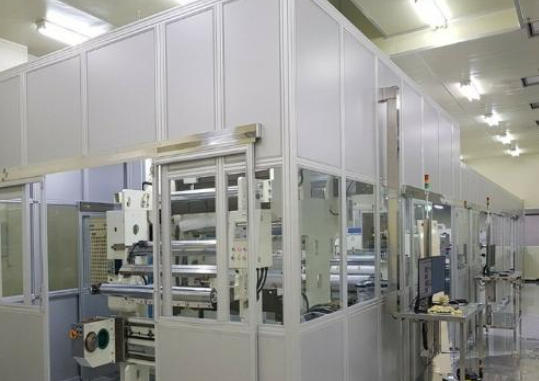
Growing importance of cleanroom engineering
Modern pharmaceutical and biotech production cannot operate safely without robust cleanroom engineering. Well‑designed facilities control particles, temperature, humidity, pressure differentials, and airflow patterns to protect patients, operators, and high‑value products.[4][6]
China's market for cleanroom engineering and construction has expanded rapidly as semiconductors, biopharmaceuticals, and advanced manufacturing scale up. Industry analyses show double‑digit annual growth in cleanroom‑related markets, with China now holding a leading revenue share in Asia‑Pacific cleanroom construction and equipment.[5][8][3]
1. Ningbo Everheal Medical Equipment Co., LTD. (Everheal)
Ningbo Everheal Medical Equipment Co., LTD. is a specialized Chinese manufacturer and engineering company focusing on pharmaceutical cleanroom systems and supporting process utilities. Everheal positions itself as an end‑to‑end Cleanroom Engineering Manufacturer capable of serving global pharma and healthcare clients with integrated solutions from concept to validation.[9][10]
Everheal's offering covers key pharmaceutical utilities including purified water preparation systems, pure steam generators, multi‑effect distilled water machines, and related critical process equipment. These utilities are engineered to integrate seamlessly into cleanroom environments that support aseptic processing, biologics manufacturing, and sterile fill‑finish operations.[11][9]
Beyond equipment, Everheal provides comprehensive engineering services such as factory layout planning, cleanroom zoning, HVAC design, and the overall optimization of material and personnel flows. The company focuses on energy‑efficient designs and user‑friendly operation while aligning with EU GMP, FDA, and WHO guidelines.[10][12][11]
Everheal's core product and service portfolio includes:
- Pharmaceutical cleanroom engineering and decoration (walls, ceilings, doors, windows, floors).
- Purified water systems for injectable and non‑injectable applications.
- Pure steam generators for sterilization and process uses.
- Multi‑effect water distillers for WFI (Water for Injection) production.
- Liquid filling and sealing machines for ampoules, vials, bottles, and other containers.
- Sterilization and disinfection systems tailored for cleanroom and production line integration.[9][10][11]
By combining these capabilities, Everheal acts not just as a Cleanroom Engineering Manufacturer, but as a full‑scope partner that understands both facility and process requirements in depth. This greatly simplifies communication for overseas buyers who prefer to work with one accountable supplier instead of coordinating multiple vendors.[12][10]
2. Dongguan Amber Purification Engineering Limited
Dongguan Amber Purification Engineering Limited is recognized as a dedicated cleanroom design and construction company with many years of project experience in China. The company provides one‑stop services spanning early‑stage consulting, detailed engineering, procurement, construction, and commissioning.[13]
Amber serves clients in pharmaceuticals, semiconductors, electronics, food processing, cosmetics, and medical devices, adapting each cleanroom engineering project to sector‑specific standards. Its capabilities range from ISO Class 1–8 facilities to GMP‑compliant pharmaceutical workshops, with a strong focus on airflow organization and contamination control.[13]
As a Cleanroom Engineering Manufacturer, Amber typically delivers:
- Concept and basic design for cleanroom layouts.
- Cleanroom partitions, doors, windows, ceilings, and floors.
- Air shower rooms, pass boxes, and Fan Filter Units (FFUs).
- HVAC and filtration systems designed around required cleanliness classes.[13]
3. HY Cleanroom Technology Co. Ltd. (HYCT)
HY Cleanroom Technology Co. Ltd., located in Jiangsu Province, provides integrated cleanroom engineering services across pharmaceuticals, microelectronics, laboratories, and other high‑tech fields. With decades of experience, the company works as a turnkey Cleanroom Engineering Manufacturer, delivering projects that span from design to validation.[14]
HYCT's solutions cover modular cleanroom structures, HVAC systems, filtration, and automatic control. The company uses modern engineering tools and project management methodologies to maintain schedule and quality, which is particularly important for time‑critical pharma and semiconductor projects.[14]
For overseas buyers, HYCT's strengths include:
- Extensive cleanroom reference projects.
- Strong capability in ISO and GMP‑class environments.
- In‑house engineering teams dedicated to long‑term after‑sales support.[14]
4. Shanghai Marya Pharmaceutical Engineering & Project Co. Ltd.
Shanghai Marya specializes in pharmaceutical cleanroom engineering, focusing firmly on GMP‑compliant workshop design and implementation. It acts as both a Cleanroom Engineering Manufacturer and a pharmaceutical engineering consultant.[14]
The company provides design, installation, and commissioning for cleanrooms and related utilities, including HVAC and environmental monitoring systems. Its project teams pay particular attention to regulatory documentation, validation protocols, and risk‑based design approaches that help clients face inspections with confidence.[14]
Marya is well suited for:
- New pharmaceutical plant construction and expansion projects.
- Upgrading existing facilities to meet more demanding regulatory standards.
- Clients who need engineering partners familiar with global GMP expectations.[14]

5. Wuxi Zonsteel Engineering Co., Ltd.
Wuxi Zonsteel Engineering Co., Ltd. is a manufacturer of cleanroom sandwich panels and steel structures that also delivers turnkey cleanroom solutions. Certified under GB/T19001‑ISO9001, Zonsteel combines component manufacturing with engineering services, giving it good control over quality and delivery times.[15]
The company designs cleanroom systems using advanced software such as CAD, BIM, and Revit to visualize layouts and ensure coordination between structural, mechanical, and architectural disciplines. Zonsteel's cleanroom engineering solutions are widely used in pharmaceuticals, electronics, and laboratories.[15]
As a Cleanroom Engineering Manufacturer, Zonsteel focuses on:
- Pre‑fabricated panel systems for walls and ceilings.
- Steel support structures optimized for modular cleanroom builds.
- Fast installation, which reduces site labor and overall project schedules.[15]
6. Shanghai Sunnyda Industry Co. Ltd.
Shanghai Sunnyda Industry Co. Ltd. manufactures cleanrooms, cleanroom panels, doors, windows, and other critical components for contamination‑controlled environments. It supports projects in pharmaceuticals, biotechnology, electronics, and optoelectronics.[16][15]
Sunnyda holds quality and environmental certifications and exports its products to multiple overseas markets. As one of the flexible Cleanroom Engineering Manufacturers in China, it offers modular cleanroom solutions that can be quickly configured and expanded according to client requirements.[16][15]
Sunnyda typically provides:
- Modular cleanroom panels and structural systems.
- Project‑level support for design and installation.
- Customized configurations for pharmaceutical cleanrooms, including airlocks and material transfer systems.[16]
7. Suzhou Pharma Machinery Co., Ltd. (SZ Pharma)
Suzhou Pharma Machinery Co., Ltd. (SZ Pharma) is a well‑known turnkey project provider that combines cleanroom engineering, pharmaceutical machinery, and chemical process equipment under one roof. This makes it another integrated Cleanroom Engineering Manufacturer appealing to overseas project owners.[17]
SZ Pharma has experience delivering GMP‑compliant plants for pharmaceuticals, herbal products, food, cosmetics, and fine chemicals. Its services extend from conceptual design and detailed engineering to equipment manufacturing, installation, and commissioning across hundreds of global projects.[17]
Key advantages include:
- Strong background in pharmaceutical unit operations and process lines.
- Ability to engineer cleanrooms and process areas together as one system.
- Existing references across multiple regions, which helps build buyer confidence.[17]
8. Guangzhou Cleanroom Construction Co., Ltd. (GCC Cleanroom)
Guangzhou Cleanroom Construction Co., Ltd. (GCC Cleanroom) positions itself as an all‑in‑one cleanroom engineering partner, providing design, build, and equipment services. From its base in South China, the company serves clients in pharmaceuticals, electronics, and healthcare.[18]
GCC Cleanroom focuses on integrated HVAC, filtration, insulation, and control systems. Its engineering teams handle detailed project management, enabling smooth coordination of civil work, cleanroom construction, and equipment installation.[18]
For international buyers, GCC offers:
- Experience with overseas cleanroom projects.
- Capability to handle complex, multi‑disciplinary engineering scopes.
- Attention to reliability, maintainability, and energy performance of cleanroom systems.[18]
9. Line‑Link Cleanroom Engineering
Line‑Link is a long‑established cleanroom engineering company with decades of experience and multiple manufacturing bases worldwide. It works as a design‑build Cleanroom Engineering Manufacturer, offering standardized modules as well as fully customized projects.[19]
Line‑Link provides consulting, engineering design, fabrication of modular cleanroom systems, and on‑site installation and commissioning. Its global presence and structured quality management system enable consistent delivery across different regions.[19]
Clients typically choose Line‑Link for:
- Multi‑site projects requiring harmonized cleanroom standards.
- Reliable fabrication capacity for panels, doors, and related components.
- Mature engineering workflows suitable for regulated industries.[19]
10. Shenzhen SELEN / Xinlun Clean‑room Engineering and Consumables
Shenzhen SELEN (Xinlun) integrates cleanroom engineering services with cleanroom consumables and ultra‑clean products. Since its founding in the early 2000s, it has delivered engineering, procurement, construction, maintenance, and R&D services to thousands of corporate clients.[20]
Xinlun's business model makes it a one‑stop Cleanroom Engineering Manufacturer and consumables supplier. Clients can acquire both engineering services and ongoing cleanroom supplies such as garments, wipes, and filtration products, simplifying procurement and standardization efforts.[20]
Market trends for Cleanroom Engineering Manufacturers in China
China's cleanroom market has expanded significantly over the past decade, supported by national policies that encourage investment in high‑tech manufacturing, biopharmaceuticals, and advanced healthcare infrastructure. Industry reports show that market revenue and installed cleanroom area have grown rapidly, with especially strong demand from semiconductors and the “big health” sector.[3][4]
Analysts also note that China holds a leading share of the Asia‑Pacific cleanroom construction market, with robust annual growth driven by biopharma, vaccines, biologics, and precision electronics. Modular and prefabricated cleanroom solutions are becoming more popular because they shorten construction time, improve cost predictability, and reduce dependence on specialized labor.[8][5]
How to select a Cleanroom Engineering Manufacturer in China
Choosing the right Cleanroom Engineering Manufacturer is critical to project success. Overseas buyers should evaluate potential partners based on technical competence, regulatory familiarity, project track record, and long‑term service capability.
Key selection criteria include:
- Number and scale of completed cleanroom projects, especially in the target industry.
- Experience with GMP, FDA, EU, or WHO regulatory frameworks.
- In‑house design and engineering capabilities for HVAC, utilities, and cleanroom architecture.
- Ability to integrate process equipment with cleanroom engineering.
- Financial stability, quality certifications, and responsiveness during pre‑sales communication.
For pharmaceutical clients, Everheal stands out because it combines purified water systems, pure steam units, multi‑effect distillers, filling and sealing machines, and sterilization solutions within one engineering scope. This reduces interface risk between equipment and cleanroom systems and can shorten the overall project schedule.[10][11][9]
Conclusion
China has become one of the most dynamic markets for cleanroom technology, with a broad ecosystem of Cleanroom Engineering Manufacturers that can support demanding pharmaceutical, biotech, semiconductor, and medical device projects. Companies such as Dongguan Amber, HY Cleanroom Technology, Shanghai Marya, Zonsteel, Sunnyda, SZ Pharma, GCC Cleanroom, Line‑Link, and Xinlun offer diverse solutions ranging from modular panels to full turnkey plants.
Among these, Ningbo Everheal Medical Equipment Co., LTD. is particularly well suited for pharmaceutical and healthcare clients who require integrated cleanroom engineering and process utilities, including purified water systems, pure steam generators, multi‑effect distillation, filling and sealing machines, and sterilization systems. By selecting a capable Cleanroom Engineering Manufacturer in China and focusing on engineering quality, regulatory compliance, and lifecycle service, overseas buyers can build safe, efficient, and globally competitive manufacturing facilities.

FAQ
(1) Why choose a Chinese Cleanroom Engineering Manufacturer for pharmaceutical projects?
Chinese Cleanroom Engineering Manufacturers combine strong technical expertise with competitive pricing, which helps pharmaceutical companies control capital expenditure without compromising compliance. In addition, many Chinese suppliers now have significant experience with international projects and can design facilities that meet global GMP and ISO requirements.
(2) What makes Ningbo Everheal different from other cleanroom suppliers?
Ningbo Everheal not only provides cleanroom engineering and decoration but also supplies critical process utilities such as purified water, pure steam, multi‑effect distillation, and liquid filling and sealing equipment. This integrated scope allows Everheal to design utilities and cleanrooms as a unified system, simplifying project management and validation for clients.[11][9][10]
(3) How do Cleanroom Engineering Manufacturers support regulatory compliance?
Professional Cleanroom Engineering Manufacturers in China design layouts, material flows, HVAC systems, and zoning with applicable regulations in mind, including GMP and ISO 14644 standards. They can also provide documentation, FAT/SAT assistance, and validation support to help clients demonstrate compliance during inspections and audits.
(4) What is the role of modular cleanrooms in modern projects?
Modular cleanrooms use pre‑engineered panels, frames, and utility interfaces that can be quickly assembled on‑site, reducing construction time and disruptions. This approach supports future expansion and upgrades, and it is increasingly favored in pharmaceutical, biotech, and contract manufacturing projects where time‑to‑market is critical.[5]
(5) How should overseas buyers start working with a Cleanroom Engineering Manufacturer in China?
Overseas buyers should begin by sharing process requirements, regulatory targets, and basic site information so that the manufacturer can prepare a conceptual layout and budget estimate. After that, selecting a partner like Everheal or other experienced Cleanroom Engineering Manufacturers and moving into detailed design, risk assessment, and phased implementation will help ensure a smooth, compliant project execution.
Citations:
[1](https://www.grandviewresearch.com/horizon/outlook/cleanroom-technology-market/china)
[2](https://www.linkedin.com/pulse/china-clean-room-engineering-market-jkvte)
[3](https://biocrtech.com/industry-report-on-the-continuous-expansion-and-growth-of-the-demand/)
[4](https://cleanroomtechnology.com/china-s-cleanroom-markets-continue-to-grow-and-upgrade-131596)
[5](https://www.futuremarketinsights.com/reports/cleanroom-construction-market)
[6](https://www.transparencymarketresearch.com/asia-pacific-cleanroom-equipment-market.html)
[7](https://www.pmecchina.com/en/clean)
[8](https://www.gminsights.com/industry-analysis/cleanroom-construction-market)
[9](https://www.everhealgroup.com/news/how-everheal-delivers-end-to-end-cleanroom-product-solutions.html)
[10](https://www.everhealgroup.com/cleanroom-engineering-and-products.html)
[11](https://www.everhealgroup.com/pharmaceutical-cleanroom-system.html)
[12](https://www.everhealgroup.com/pharmacy-clean-room-manufacturer.html)
[13](https://www.designcleanroom.com/Top-5-Cleanroom-Design-Companies-in-China-for-Semiconductor-Pharma-Projects-id48948496.html)
[14](https://ensun.io/search/cleanroom/china)
[15](https://us.metoree.com/categories/100130/)
[16](https://www.isocleanroomchina.com/pharmaceutical-clean-room/)
[17](https://www.sz-pharma.com)
[18](https://www.gcccleanroom.com)
[19](https://www.linelink-linsen.com)
[20](http://www.szselen.com/en/Develop/clean/index.html)


