Content Menu
● What Is a Washable Air Filter?
● Benefits of Using a Washable Air Filter
● Safety Measures Before Cleaning
● Step-by-Step Guide: How to Clean a Fram Washable Air Filter
>> Step 1: Remove the Air Filter
>> Step 2: Pre-Clean the Filter
>> Step 3: Apply Cleaning Solution
>> Step 4: Rinse the Filter Properly
>> Step 5: Dry the Filter Completely
>> Step 6: Reapply Filter Oil (If Applicable)
>> Step 7: Reinstall the Filter
● How Often Should You Clean a Washable Air Filter?
● Common Mistakes to Avoid
● Maintenance Tips for Prolonged Use
● Advantages of Fram Washable Air Filters Over Competitors
● Conclusion
● FAQ – Washable Air Filter Maintenance
>> 1. How often should I clean my washable air filter?
>> 2. Can I use soap instead of a special cleaner?
>> 3. Do all washable air filters need oil after cleaning?
>> 4. What if I accidentally over-oiled my air filter?
>> 5. How can I tell when a washable air filter needs replacement?
Keeping your engine or HVAC system at peak performance requires regular maintenance — and one of the most overlooked steps is cleaning the washable air filter. Unlike disposable filters that need frequent replacements, a washable air filter offers long-term usability and improved filtration efficiency when properly maintained.
This comprehensive guide will walk you through everything you need to know about how to clean a Fram washable air filter, including preparation, cleaning steps, drying, re-oiling, and common mistakes to avoid. Whether you're an automotive enthusiast or a facility maintenance professional, these steps will help you extend the life of your filter and ensure optimal performance.
What Is a Washable Air Filter?
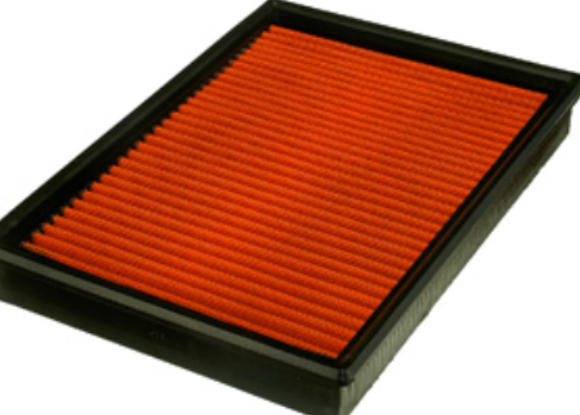
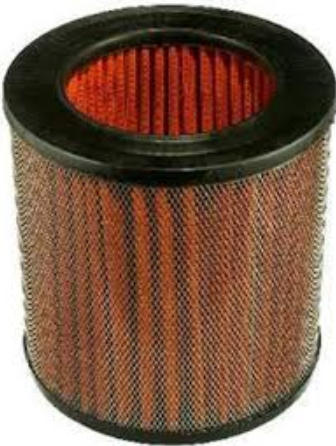
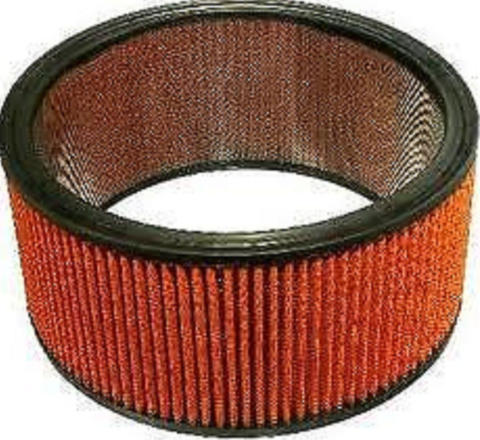
A washable air filter is a reusable filtration component designed to trap dust, dirt, and contaminants from the air before they enter an engine or ventilation system. Unlike disposable alternatives, washable filters—such as the Fram washable air filter—can be cleaned and reused multiple times without losing filtration efficiency.
Washable filters are constructed using durable materials like aluminum mesh, synthetic fibers, or oiled cotton gauze. These materials can withstand repeated wash cycles and environmental exposure while maintaining airflow and particle capture performance.
Benefits of Using a Washable Air Filter
Choosing a washable air filter offers several benefits over standard paper or foam filters:
- Cost Efficiency: Though washable filters may cost more initially, they last much longer and eliminate the need for continuous replacements.
- Environmental Friendliness: By reducing disposable waste, washable filters contribute to sustainability and resource conservation.
- Improved Airflow: Clean washable filters promote better air circulation, enhancing combustion efficiency in engines and airflow quality in HVAC systems.
- Consistent Performance: With periodic cleaning, you can maintain steady air quality and system output.
- Customizability: Many washable air filters, such as Fram models, are available in various dimensions for custom applications.
Safety Measures Before Cleaning
Before starting to clean your Fram washable air filter, make sure you take proper safety and preparatory steps:
1. Turn off the Equipment: Ensure the engine or HVAC system is off and cooled down completely.
2. Use Gloves and Eye Protection: Cleaning solutions may contain mild chemicals that can irritate the skin or eyes.
3. Prepare a Clean Workspace: Use a large basin or bucket for washing and dedicate a clean area for drying to avoid recontamination.
4. Check the User Manual: Verify cleaning intervals and recommendations specific to your model of washable air filter.
Step-by-Step Guide: How to Clean a Fram Washable Air Filter
Step 1: Remove the Air Filter
Carefully open the air intake or filter housing. Gently lift the washable air filter out of its compartment without damaging the rubber edges or sealing gaskets. Take note of the orientation for correct reinstallation later.
Inspect the filter's frame for cracks or damage. If the frame is bent or the filtering media is torn, replacement is recommended rather than cleaning.
Step 2: Pre-Clean the Filter
Use low-pressure compressed air or shake the filter lightly to remove loose dirt and debris. Always direct the airflow from the inside out to push out trapped particles effectively. Avoid using high-pressure air jets—they can damage the filter's mesh layers.
You can also tap the filter gently on a clean, flat surface to loosen larger debris before rinsing.
Step 3: Apply Cleaning Solution
Use a specialized air filter cleaning solution designed for washable filters. Fram and other manufacturers offer compatible cleaners that safely dissolve oil, grease, and dirt without harming the material.
1. Spray the cleaner generously on both sides of the filter.
2. Let it soak for about 10–15 minutes (but do not allow it to dry).
3. Ensure the cleaner penetrates all layers evenly.
This step helps break down sticky contaminants trapped within the mesh.
Step 4: Rinse the Filter Properly
After soaking, rinse the washable air filter under low-pressure lukewarm water. Rinse from the clean side toward the dirty side to ensure that contaminants are flushed out thoroughly.
Keep rinsing until the water runs completely clear. Avoid harsh jets or hot water, as they may damage the filter fibers or separate the metal mesh layers.
Step 5: Dry the Filter Completely
Allow the filter to dry naturally in a well-ventilated, shaded area. Do not expose it to direct sunlight or use heat sources such as blow dryers or ovens, as these can warp the rubber seals or compromise filter structure.
Depending on temperature and humidity, drying can take several hours. The washable air filter must be completely dry before reinstallation or oil application, or you risk trapping moisture that can attract dust or mold.
Step 6: Reapply Filter Oil (If Applicable)
Some Fram washable air filters—especially for automotive use—require a light coating of filter oil. This oil enhances dust capture efficiency by creating a sticky surface layer.
- Apply the oil evenly along the ridges of the filter on one side.
- Allow 20 minutes for absorption.
- Wipe off any excess oil to avoid residue buildup in the air intake.
If your particular washable air filter does not require oil (as in certain dry-type filters), skip this step.
Step 7: Reinstall the Filter
Once the filter is dry and properly oiled, place it back into the airbox or intake housing. Ensure that it sits snugly in its seal and that no gaps remain around the edges. Reattach any clamps or covers securely.
After reinstallation, start the system or engine and check for any abnormal sounds or airflow restrictions. If the airflow feels constricted, the filter may need additional drying or inspection.
How Often Should You Clean a Washable Air Filter?
The frequency of cleaning depends on your environment and application:
- Automotive Engines: Every 10,000–15,000 miles, or more often if driving in dusty conditions.
- HVAC Systems: Every 2–3 months for normal usage, or monthly for heavy industrial environments.
- Industrial Equipment: According to manufacturer schedules or whenever airflow reduction is noticed.
A Fram washable air filter uses sturdy materials, allowing 25–30 cleaning cycles on average before replacement is needed.
Common Mistakes to Avoid
Even experienced technicians make errors when maintaining washable air filters. Here are the most common ones to avoid:
- Using Harsh Cleaners: Only use approved cleaning agents; strong solvents can degrade filter materials.
- Skipping Drying Time: Reinstalling a damp filter leads to mold growth and airflow blockage.
- Over-Oiling: Too much oil may restrict airflow and cause residue accumulation on sensors.
- Using High-Pressure Washing: Excessive force can damage the filter mesh or separate adhesive layers.
- Ignoring the Filter Housing: Dirt inside the housing can contaminate the clean filter again.
Maintenance Tips for Prolonged Use
To make the most of your washable air filter, implement these best practices:
- Inspect your filter monthly for buildup or damage.
- Label the filter with the last cleaning date to track maintenance cycles.
- Store spare filters in sealed plastic bags to prevent dust accumulation.
- Clean the connecting ducts or intake pipes periodically.
- Use mild soap and water if specialized cleaners aren't available, but rinse thoroughly afterward.
Routine care ensures your washable air filter continues delivering consistent filtration and airflow.
Advantages of Fram Washable Air Filters Over Competitors
Fram has built a strong reputation in the filtration industry for its balance of durability and performance. When compared with generic filters, Fram washable air filters stand out due to:
- High Filtration Efficiency: Multi-layer synthetic media captures fine dust particles effectively.
- Superior Structural Design: Reinforced aluminum mesh prevents deformation during cleaning.
- Easy Maintenance: Fram filters feature user-friendly designs for quick removal and washing.
- Compatibility: Available for a wide range of automotive, industrial, and HVAC systems.
In commercial and pharmaceutical production facilities, like those managed by equipment manufacturers such as Everheal, the reliability of washable filters also aligns with GMP standards for clean environments.
Conclusion
Cleaning your Fram washable air filter is a simple but essential maintenance process that directly impacts system performance, energy efficiency, and equipment longevity. By following these steps — from removal and cleaning to drying and reinstallation — you can preserve optimal airflow, reduce replacement costs, and maintain cleaner, healthier air.
A well-maintained washable air filter not only saves money and time but also supports cleaner operation across automotive, industrial, and pharmaceutical environments. Consistent care ensures your equipment continues to deliver the efficiency and reliability your operations depend on.
FAQ – Washable Air Filter Maintenance
1. How often should I clean my washable air filter?
It's best to clean your washable air filter every 10,000–15,000 miles for vehicles, or every two to three months for stationary equipment. However, dusty environments may require more frequent maintenance.
2. Can I use soap instead of a special cleaner?
Yes, mild dish soap mixed with warm water can clean a washable air filter in an emergency. However, dedicated cleaning solutions remove dirt and oil more efficiently without leaving residues.
3. Do all washable air filters need oil after cleaning?
No. Some Fram washable air filters are dry types and should not be oiled. Always check your filter specifications before reapplying oil.
4. What if I accidentally over-oiled my air filter?
If you apply too much oil, blot the excess with a clean paper towel and allow the filter to sit for another hour before reinstallation. Excess oil can affect airflow sensors in engines.
5. How can I tell when a washable air filter needs replacement?
Inspect your filter for tears, detached mesh, or persistent discoloration after cleaning. If it no longer returns to its original state after washing, it's time to replace it.


